Have you ever woken up inside your tent only to find everything damp and covered in water droplets? Condensation can turn your camping trip from cozy to uncomfortable in no time.
But here’s the good news: you don’t have to let moisture ruin your outdoor adventure. You’ll discover simple and effective ways to keep condensation out of your tent. By learning a few easy tricks, you’ll stay dry, warm, and ready to enjoy every moment under the stars.
Keep reading to find out how you can make your tent a dry, comfortable shelter no matter the weather.
Causes Of Tent Condensation
Condensation happens when water vapor turns into liquid inside your tent. It can make your gear wet and uncomfortable. Understanding what causes condensation helps you keep your tent dry.
Several factors lead to condensation. These include temperature changes, breathing, and weather conditions. Knowing these helps you reduce moisture inside your tent.
Temperature Differences
Condensation forms when warm air inside the tent meets cold surfaces. The temperature difference causes water vapor to turn into drops. This usually happens at night when it gets colder outside.
The tent fabric and ground cool down faster than the air inside. Warm, moist air touches these cold surfaces and creates water droplets. This is why your tent walls often feel wet in the morning.
Breathing And Moisture
When you breathe inside a tent, you release moisture into the air. This moisture adds to the humidity inside the tent. The more people inside, the more moisture builds up quickly.
Cooking or drying wet clothes inside the tent also adds moisture. All this moisture can turn into condensation on the tent walls and ceiling.
- Breathing increases indoor humidity
- More people mean more moisture
- Wet clothes add extra water vapor
- Cooking inside traps steam in the tent
Weather Conditions
Outside weather affects condensation inside your tent. Humid weather means more moisture in the air. Rain and fog increase dampness around your tent too.
Calm nights with little wind let moisture settle on the tent walls. Wind helps dry the tent and lowers condensation. Cold weather also makes condensation more likely because of the temperature difference.
- High humidity raises indoor moisture levels
- Rain and fog increase outside moisture
- Calm air lets condensation build up
- Wind helps reduce condensation by drying
- Cold weather increases temperature differences
Choosing The Right Tent
Condensation inside a tent can make camping uncomfortable and damp. Picking the right tent helps reduce moisture build-up. Focus on features that improve airflow and keep the inside dry.
Below are key points to consider in your tent choice. These include ventilation, materials, design, size, and capacity.
Ventilation Features
Good ventilation lowers condensation by allowing moist air to escape. Look for tents with multiple vents and mesh panels.
- Mesh windows and doors for airflow
- Adjustable vents near the roof
- Rain flaps that allow air but block water
- Double-layer tents with breathable inner layers
Material And Design
Tent fabric and shape affect moisture control. Breathable materials help reduce dampness inside.
| Material | Condensation Resistance |
| Nylon with PU coating | Moderate |
| Polyester with waterproof layer | Good |
| Breathable fabric (e.g., Gore-Tex) | Best |
| Cotton canvas | Varies, good breathability |
Design shapes with sloped roofs and good ventilation points also reduce condensation. Dome and tunnel tents often work well.
Size And Capacity
Choose a tent size that fits your group without crowding. Too small tents trap moisture faster. Too big tents may be harder to heat or dry.
| Capacity | Recommended Use |
|---|---|
| 1-2 persons | Solo or couple trips, good ventilation needed |
| 3-4 persons | Small groups, balance between space and warmth |
| 5+ persons | Large groups, risk of more condensation without vents |
Site Selection Tips
Choosing the right site for your tent helps reduce condensation inside. Proper site selection keeps you dry and comfortable.
Look for spots that reduce moisture buildup and allow good airflow around your tent. This lowers the chance of condensation forming.
Avoiding Low-lying Areas
Low spots collect cold air and moisture. This causes more condensation inside your tent at night.
Pick higher ground to keep your tent dry. Avoid valleys, ditches, or depressions where water can pool.
Finding Wind Exposure
Wind helps move moist air away from your tent. It reduces wetness on the inside walls.
Choose a spot with some wind flow but not too much. Strong wind can make your tent cold and unstable.
- Look for gentle breeze spots
- Avoid very windy ridges or exposed peaks
- Check wind directions before setting camp
Ground Moisture Considerations
Wet ground increases moisture near your tent floor. This can raise condensation inside.
Pick dry, well-drained soil for your tent site. Avoid areas with standing water or soggy grass.
- Look for firm, dry soil or gravel
- Clear away wet leaves or moss before pitching
- Use a groundsheet to add a moisture barrier

Credit: hot-tent.com
Setup Strategies To Reduce Moisture
Condensation can make your tent damp and uncomfortable. You can reduce moisture by setting up your tent the right way. These strategies help keep the inside dry.
Focus on airflow, protection from wet ground, and keeping wet items outside. Each step plays a key role in stopping condensation.
Proper Ventilation Setup
Good airflow stops moisture from building up inside your tent. Open vents and windows to let air move freely. Avoid blocking vents with gear or sleeping bags.
- Open tent doors slightly if safe
- Use mesh panels to keep bugs out but air flowing
- Set up tents with vents facing the wind
- Avoid using rain flies unless needed
Using Footprints And Ground Tarps
Footprints and tarps protect your tent floor from wet ground. They stop moisture from seeping through the tent floor. Place them carefully to avoid trapping water.
| Type | Purpose | Tip |
| Footprint | Fits under the tent floor | Match tent size exactly |
| Ground Tarp | Larger than tent base | Keep edges tucked to avoid water pooling |
Keeping Wet Gear Outside
Wet clothes and shoes add moisture inside the tent. Keep these items outside or in a separate vestibule if your tent has one. This helps lower humidity inside.
- Store wet gear in waterproof bags
- Hang wet clothes on a line or tree
- Use tent vestibules to shelter gear
- Dry gear during the day if possible
Daily Habits To Minimize Condensation
Condensation inside a tent can make camping uncomfortable. It happens when warm air meets cold surfaces. Simple habits help reduce moisture build-up each day.
Following easy daily routines keeps your tent dry and cozy. Pay attention to cooking, drying clothes, and air flow.
Managing Cooking And Heating
Cooking and heating inside a tent create moisture quickly. Steam from boiling water or a camp stove adds to condensation. Limit cooking inside the tent to reduce humidity.
- Cook outside the tent if possible
- Keep the tent door open while cooking to let steam escape
- Use a stove with low flame to reduce steam
- Avoid boiling large pots of water inside
- Turn off heaters before sleeping to lower moisture build-up
Drying Clothes Effectively
Wet clothes add moisture to your tent air. Dry clothes before bringing them inside. If you must dry clothes in the tent, choose a well-ventilated area.
| Drying Method | Tips |
| Outside Drying | Use a clothesline or hang on bushes |
| Inside Drying | Place clothes near the tent’s vent or door |
| Quick Drying | Wring out water before hanging |
Air Circulation Practices
Good air flow reduces trapped moisture. Let fresh air move through your tent to stop condensation from settling. Adjust vents and openings daily.
- Open vents and windows during the day
- Keep the tent door open while awake
- Use mesh panels to allow airflow without bugs
- Remove wet gear from the tent when possible
- Position your tent in a breezy spot

Credit: www.reddit.com
Tools And Accessories
Condensation inside a tent can make camping uncomfortable. Using the right tools helps keep the tent dry.
This guide explains useful tools and accessories to reduce moisture in your tent.
Portable Fans And Ventilation Aids
Portable fans help move air inside the tent. Better air flow lowers humidity and stops condensation.
Ventilation aids like mesh windows and vents let fresh air in and let moist air out.
- Small battery-powered fans improve air circulation
- Install vents near the tent floor and roof
- Open tent doors slightly for fresh air
- Use mesh panels to block bugs but allow airflow
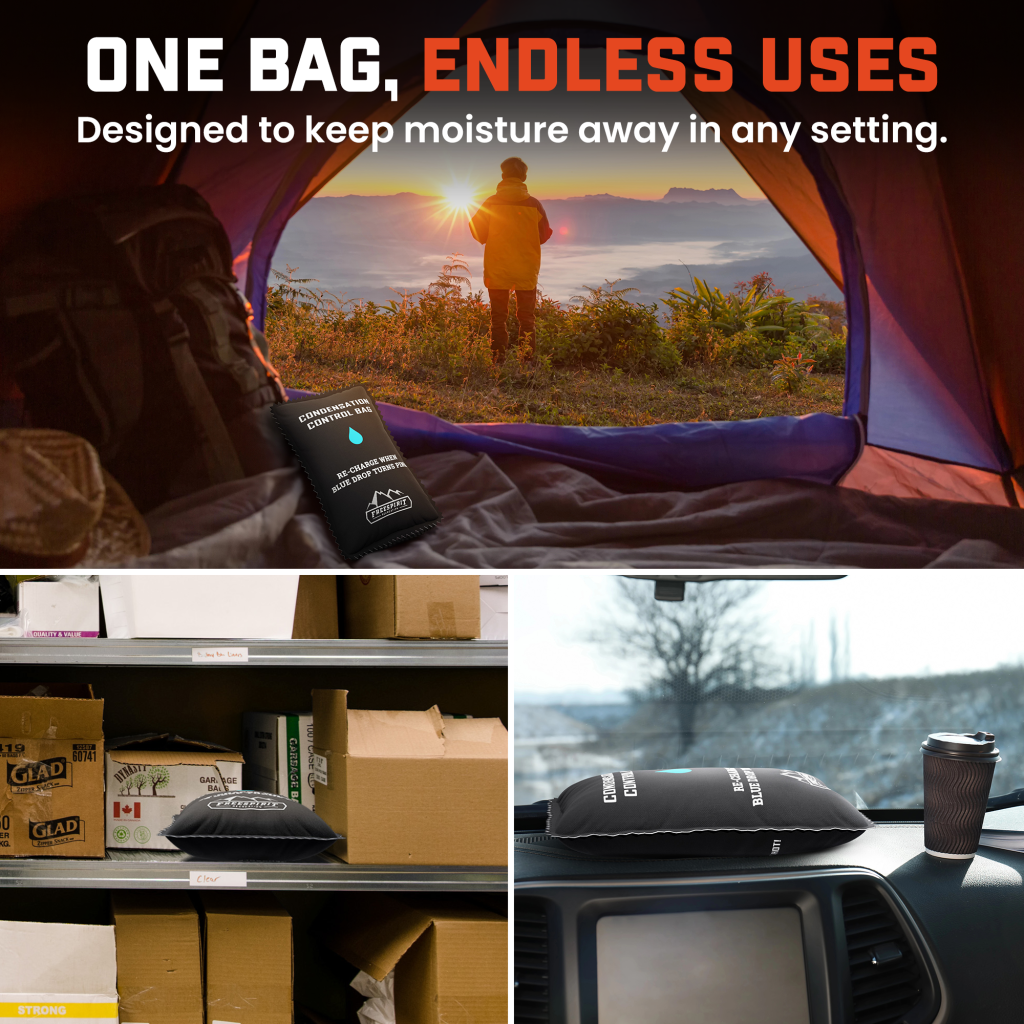
Moisture Absorbers
Moisture absorbers trap water vapor in the air. They help reduce dampness inside the tent.
Common absorbers include silica gel packs and small dehumidifier bags.
- Place absorbers near tent walls and corners
- Replace or recharge them regularly
- Use reusable packs to save money
- Keep absorbers away from children and pets
Tent Heaters And Safe Use
Tent heaters can reduce moisture by warming the air. Warm air holds more moisture, lowering condensation.
Always use heaters designed for tents. Follow safety rules to avoid fire or carbon monoxide risks.
- Use electric or propane heaters made for camping
- Keep heaters away from flammable materials
- Ensure tents have proper ventilation when heating
- Never leave heaters unattended
- Use carbon monoxide detectors for safety
Dealing With Condensation When It Happens
Condensation forms inside tents when warm air meets cold surfaces. It makes the tent wet and uncomfortable. You need to act fast to keep your gear dry.
Here are ways to handle condensation once it starts. These tips help reduce moisture inside your tent.
Wiping Down Surfaces
Use a cloth or towel to wipe water off the tent walls and ceiling. This removes moisture and stops it from dripping on you.
Try to do this several times a day to keep the tent dry. Use a microfiber cloth if possible because it absorbs water well.
Improving Airflow Quickly
Open tent vents or doors to let fresh air in. Airflow helps dry out moisture and lowers humidity inside the tent.
If rain stops, open the rainfly or unzip windows. Keep air moving by using a small battery fan if you have one.
- Open vents and windows
- Unzip tent doors
- Use a battery fan to circulate air
Using Absorbent Materials
Place absorbent items like towels, microfiber cloths, or sponge pads inside the tent. These soak up extra moisture from the air and surfaces.
Replace or wring out these materials when they get wet. This keeps them working well to reduce condensation.
- Use dry towels or cloths
- Swap wet materials regularly
- Keep absorbent items near tent walls

Credit: fivestarcampers.com
Frequently Asked Questions
How Can I Prevent Tent Condensation Overnight?
Ventilate your tent by opening windows or vents slightly. Use breathable fabrics and avoid cooking inside. Keep wet gear outside to reduce moisture buildup.
Why Does Condensation Form Inside Tents?
Condensation forms when warm, moist air meets cold tent surfaces. Body heat and breathing add moisture. Poor ventilation traps this moisture, causing droplets to form inside.
What Tent Materials Reduce Condensation Effectively?
Tents with breathable, waterproof fabrics like Gore-Tex help reduce condensation. These materials allow moisture to escape while blocking rain, keeping the inside dry and comfortable.
Does Tent Location Affect Condensation Levels?
Yes, camping in shaded, damp, or low-lying areas increases condensation. Choose well-drained, breezy spots to minimize moisture buildup inside your tent.
Conclusion
Keeping your tent dry is essential for a good night’s sleep. Condensation can make things damp and uncomfortable. Ventilate your tent by opening windows or vents. Use a tarp to cover the ground under your tent. This helps in reducing moisture.
Choose a campsite with good airflow. Avoid setting up near water bodies. Use a rainfly properly. It diverts rain away from your tent. Pack moisture-absorbing products. These can be handy. Stay dry and enjoy your camping trip. Fresh air and dry gear make for happy campers.