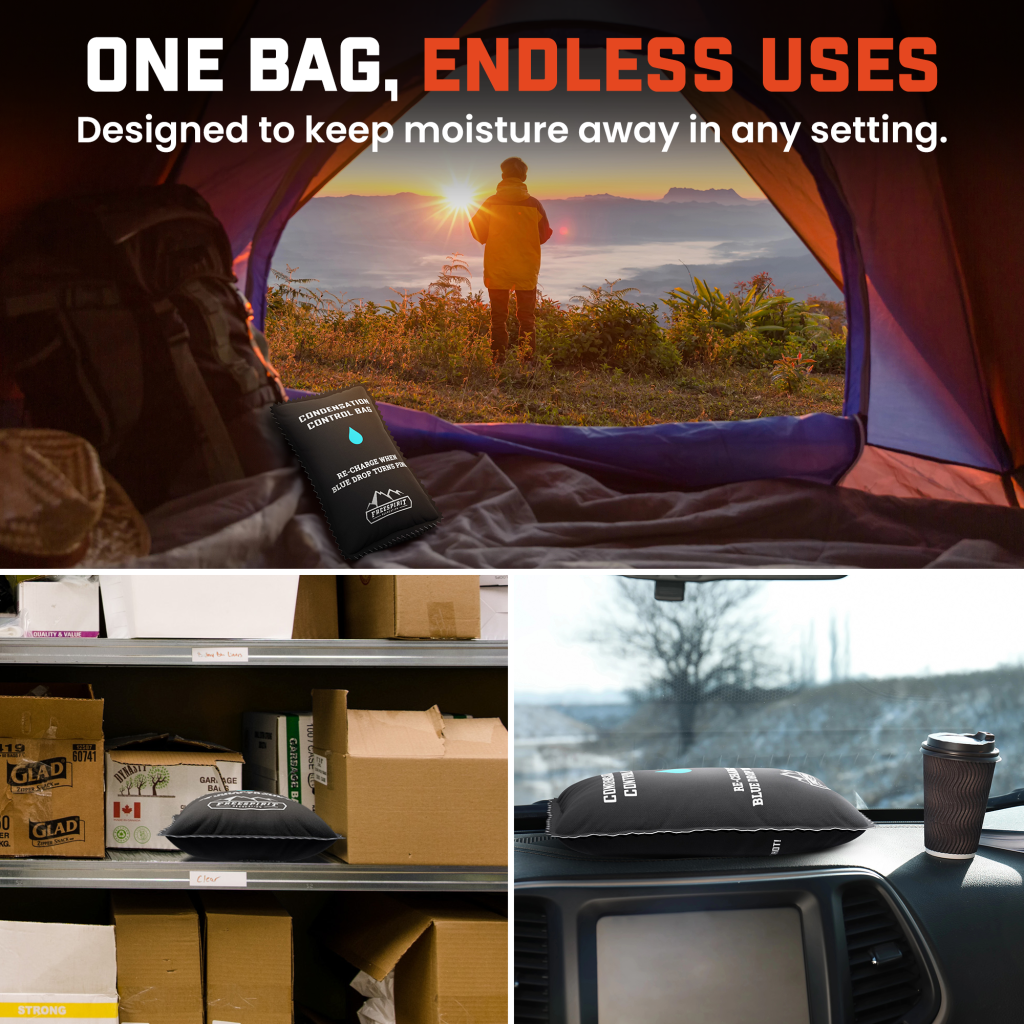
Have you ever woken up inside your tent to find it covered in wet, annoying condensation? It’s uncomfortable, damp, and can ruin your camping experience.
But what if you could keep your tent dry and cozy all night long? In this guide, you’ll discover simple, effective ways to stop condensation from taking over your shelter. By making a few easy changes, you’ll enjoy a fresher, more comfortable campsite—no more soggy sleeping bags or chilly mornings.
Keep reading to learn the secrets to a condensation-free tent and make your next outdoor trip truly enjoyable.
Causes Of Tent Condensation
Tent condensation happens when water droplets form inside the tent. This can make your gear wet and uncomfortable.
Understanding what causes condensation helps you reduce it during camping trips.
Temperature Differences
Condensation forms when warm air inside the tent meets cold surfaces. The air cools down and loses its ability to hold moisture.
Cold tent walls or floor cause water vapor to turn into droplets.
- Warm air holds more moisture than cold air
- Cold tent fabric cools the warm air inside
- Water vapor changes to liquid on cold surfaces
Moisture Sources Inside Tent
People and gear inside the tent add moisture to the air. Breathing, sweating, and wet clothes all release water vapor.
Cooking or storing wet items inside also raises humidity and causes condensation.
- Human breath produces moisture
- Sweat adds water vapor
- Wet clothes and gear release moisture
- Cooking inside tents increases humidity
Weather Conditions Impact
Outdoor weather affects how much condensation forms inside your tent. Cold, damp, or calm weather makes condensation worse.
Wind helps dry the tent, while rain and fog increase moisture in the air around you.
- Cold nights cool tent surfaces
- High humidity adds moisture to air
- Calm weather reduces airflow inside tent
- Wind helps remove moisture
Choosing The Right Tent
Condensation inside a tent can make your camping experience uncomfortable. Choosing the right tent helps reduce moisture build-up. This guide explains key tent features to keep condensation out.
Select a tent with good ventilation, the right materials, and proper size. These factors improve air flow and reduce dampness inside your tent.
Ventilation Features
Good ventilation helps air move through your tent. This stops warm air from turning into water droplets on the walls. Look for tents with mesh windows and vents.
- Mesh panels allow air to flow while keeping bugs out
- Roof vents let hot air escape
- Doors with mesh layers provide extra airflow
- Adjustable vents let you control the airflow depending on weather
Material And Fabric Choices
The fabric of your tent affects how much moisture it holds. Choose breathable materials that dry quickly and resist water. Avoid tents that trap moisture inside.
- Nylon and polyester are common for their quick drying features
- Waterproof coatings help keep rain out but should allow some breathability
- Look for tents with a breathable inner layer to reduce condensation
- Double-wall tents with separate fly sheets improve moisture control
Size And Design Considerations
Choosing the right size matters for air circulation. A tent too small traps moisture, while a tent too large may be hard to heat. Design features also affect condensation levels.
- Allow enough space for campers and gear without crowding
- Taller tents improve air flow inside
- Tents with steep walls reduce water pooling
- Consider tents with vestibules to store wet gear outside the sleeping area
Camp Setup Strategies
Condensation in tents can make your camping trip uncomfortable. Setting up your camp the right way helps keep moisture out.
Good camp setup strategies reduce dampness and keep your gear dry. Focus on where and how you pitch your tent.
Selecting A Dry Campsite
Choose a campsite that is dry and flat. Avoid low spots where water can collect after rain.
Look for areas with good drainage and natural wind flow. These spots help reduce moisture buildup inside your tent.
- Pick a site above water lines and streams
- Avoid depressions or holes in the ground
- Choose a spot with natural wind exposure
- Clear the ground of wet leaves and grass
Proper Tent Orientation
Point the tent door away from the wind. This reduces the chance of rain and moisture entering.
Set your tent so the narrow side faces the wind. This lowers wind pressure and helps air move through the tent.
- Face the tent door opposite the wind direction
- Align the tent’s narrow side toward the wind
- Use vents and mesh panels for airflow
Using Footprints And Ground Tarps
Place a footprint or tarp under your tent. This adds an extra layer between the ground and your tent floor.
Make sure the footprint is smaller than the tent floor. This prevents water from collecting under the tent edges.
- Use a waterproof tarp or footprint under the tent
- Keep the tarp edges inside the tent perimeter
- Check for holes or tears before use

Credit: hot-tent.com
Ventilation Techniques
Condensation happens when warm air inside the tent meets cold surfaces. This can make the tent wet and uncomfortable.
Good ventilation helps reduce moisture buildup. It lets fresh air in and lets humid air out.
Opening Vents And Doors
Open vents and doors to let air flow through the tent. This lowers the chance of condensation forming inside.
Keep vents open even when it rains to allow moisture to escape. Use mesh doors to keep bugs out while letting air in.
Creating Cross Breezes
Cross breezes move air across the tent, which helps dry out moisture. Open vents or doors on opposite sides to create airflow.
- Open the door on one side
- Open a vent or window on the opposite side
- This helps air move freely inside the tent
Even a small breeze can lower humidity and reduce condensation inside your tent.
Managing Rainfly Placement
Place the rainfly to allow air to flow between it and the tent body. This space helps moisture escape.
A rainfly too tight against the tent blocks airflow. Leave some room to keep air moving and reduce condensation.
- Attach the rainfly loosely to create a gap
- Use rainfly vents if your model has them
- Adjust the rainfly so it does not touch the tent walls
Managing Moisture Inside Tent
Condensation inside tents can make camping uncomfortable. Managing moisture helps keep the tent dry and cozy.
Simple habits and tools can reduce dampness and protect your gear from moisture damage.
Limiting Wet Gear Indoors
Keep wet gear out of the tent to stop moisture buildup. Store wet shoes, jackets, and backpacks outside or in a vestibule.
- Use a waterproof bag for wet items
- Place a tarp or groundsheet under wet gear
- Air out wet gear before packing it inside
- Keep drying racks or hangers outside the tent
Using Moisture Absorbers
Moisture absorbers help remove dampness inside your tent. They keep the air dry and reduce condensation on tent walls.
| Type | How It Works | Benefits |
| Silica Gel Packs | Absorb moisture from air | Reusable and lightweight |
| Charcoal Bags | Trap moisture and odors | Natural and eco-friendly |
| Desiccant Packs | Draw moisture from surroundings | Effective for small spaces |
Drying Clothes Outside Tent
Dry clothes outside to avoid extra moisture inside the tent. Use natural sunlight and air to dry clothes quickly.
- Hang clothes on a line or tree branch
- Avoid drying clothes inside the tent
- Check weather to ensure dry conditions
- Bring a small towel to wipe off dampness

Credit: www.reddit.com
Additional Tips For Dry Camping
Condensation inside a tent can make your camping experience wet and uncomfortable. It happens when warm, moist air meets the cold tent walls.
Using smart camping tips helps keep your tent dry. These ideas improve air flow and reduce moisture.
Cooking Practices To Reduce Steam
Cooking inside or near your tent creates steam. Steam adds moisture that causes condensation. Cook outside the tent to avoid this problem.
If cooking outside is not possible, use a vent or open a door slightly. This lets steam escape and air flow better.
- Cook outside the tent whenever possible
- Use a stove with a windscreen to direct steam away
- Open tent vents or doors during cooking
- Avoid boiling large pots of water inside the tent
Using Breathable Sleeping Bags
Breathable sleeping bags help reduce moisture build-up. They let sweat and warm air escape while keeping you warm.
Choose sleeping bags made from materials like wool or synthetic fibers. These materials dry faster and prevent dampness inside your tent.
- Pick sleeping bags with moisture-wicking fabrics
- Use liners to add warmth and absorb moisture
- Keep sleeping bags zipped to reduce air exchange
- Air out sleeping bags daily if possible
Regular Tent Maintenance
Keeping your tent clean and in good shape helps prevent condensation. Dirt and damage reduce tent breathability.
Check your tent for holes or tears. Repair them quickly to keep air flowing properly and moisture out.
- Clean your tent regularly to remove dirt and debris
- Inspect seams and zippers for damage
- Apply waterproof spray to keep rain out but allow breathability
- Store your tent dry to avoid mold and mildew

Credit: www.reddit.com
Frequently Asked Questions
How Can I Reduce Tent Condensation Effectively?
To reduce tent condensation, improve ventilation by opening vents and doors slightly. Avoid cooking or boiling water inside. Use a breathable tent fabric and set up your tent in a shaded, breezy area. These steps help moisture escape and keep the tent dry.
Why Does Condensation Form Inside My Tent?
Condensation forms when warm, moist air meets the cold tent surface. Your breath, sweat, and wet gear release moisture inside. Without proper airflow, this moisture condenses on the tent walls. Managing humidity and increasing ventilation prevents buildup and keeps the tent comfortable.
What’s The Best Way To Ventilate A Tent?
The best ventilation involves opening mesh windows, vents, and doors. Position your tent where wind can flow through. Use a double-wall tent with a breathable inner layer. This setup allows moisture to escape while keeping rain out, reducing condensation significantly.
Can Tent Placement Affect Condensation Levels?
Yes, tent placement impacts condensation. Avoid low-lying, damp areas where cold air settles. Choose elevated, breezy spots to promote airflow. Setting your tent near trees can reduce wind but may increase moisture. Proper placement balances airflow and shelter, minimizing condensation.
Conclusion
Keeping condensation out of your tent is essential for comfort. Use breathable materials. Ventilate your tent often. Choose a good campsite. Avoid setting up near water. Keep wet items outside. Invest in a tent with proper ventilation. A dry tent means a better night’s sleep.
Enjoy your camping trip without damp problems. Remember, preparation makes all the difference. Stay dry and enjoy your outdoor adventure. Happy camping!