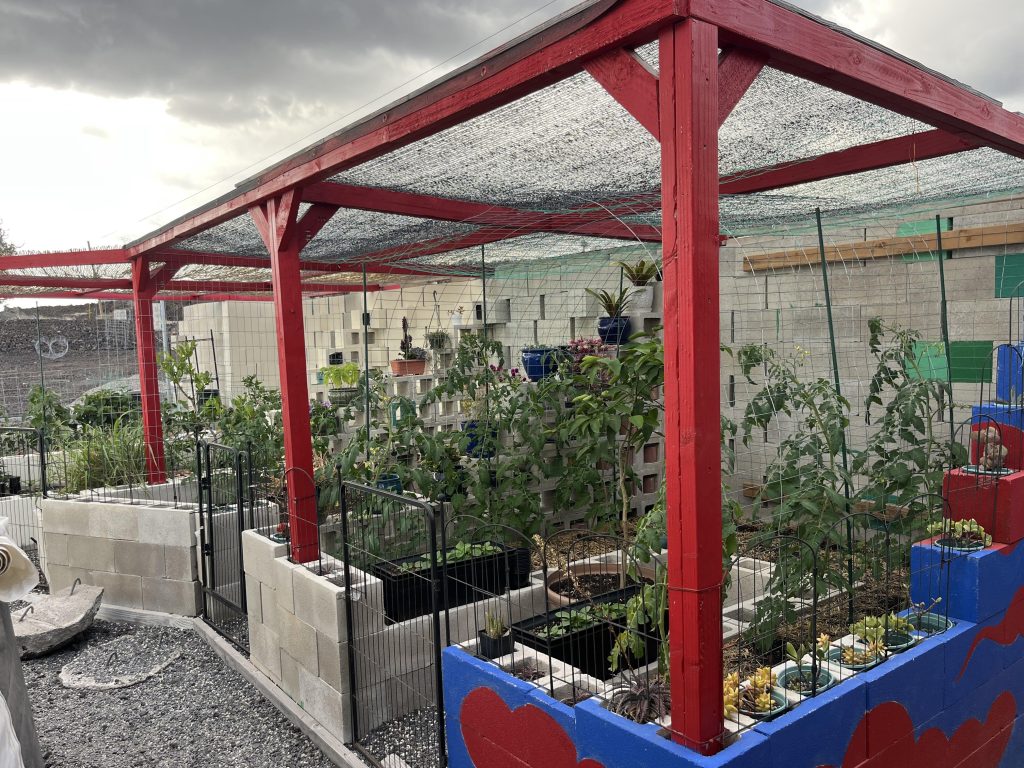
Are you tired of your dog digging up your beautiful raised garden beds? You’re not alone.
Dogs love to explore, but their curiosity can quickly turn your garden into a mess. The good news is, you don’t have to choose between your furry friend and your plants. You’ll discover simple and effective ways to keep dogs out of your raised garden beds.
By the end, your garden will stay healthy and your dog will stay happy. Keep reading to find out how!
Understanding Dog Behavior
Dogs explore the world mainly through their senses and instincts. Their actions often come from curiosity or natural drives.
Knowing why dogs act a certain way helps us keep them away from garden beds safely and kindly.
Curiosity And Exploration
Dogs use their noses and paws to learn about new places. Raised garden beds smell interesting and invite investigation.
They may dig or walk through the beds because they want to explore the smells and textures.
Natural Digging Instinct
Many dogs like to dig. It is a natural behavior to find food, create a cool spot, or hide things.
Raised garden beds often have loose soil, which makes them a perfect place for digging.
Seeking Attention Or Play
Dogs sometimes enter garden beds to get your attention or to play with something they find there.
If the dog feels bored or lonely, it may use the garden bed as a way to entertain itself.
Territorial Behavior
Dogs may see the garden bed as part of their territory. They want to mark or protect it.
This behavior can lead to digging or sniffing around the raised beds more often.

Credit: www.reddit.com
Choosing The Right Location
Keeping dogs out of raised garden beds starts with picking the right spot. The location can reduce the chances of dogs digging or entering the garden.
This guide explains how to find a good place for your raised garden bed to keep dogs away.
Avoid High-traffic Areas
Choose a location away from paths where dogs often run or play. Dogs are less likely to enter if the bed is not on their usual route.
Use Natural Barriers
Place your garden bed near fences, hedges, or shrubs. These natural barriers can block dogs and make the bed harder to reach.
- Fence sides of the garden bed
- Plant thorny bushes nearby
- Use dense shrubs as a wall
- Keep the bed close to walls or buildings
Consider Sunlight And Visibility
Select a sunny spot that also allows you to watch the garden. Dogs avoid areas where they feel watched or exposed.
Distance From Dog Areas
Keep the raised bed far from places where your dog eats, sleeps, or plays. This reduces their interest in the garden bed.
| Location Factor | Benefit |
| Away from dog paths | Less chance of dog visits |
| Near fences or shrubs | Natural barrier to dogs |
| Sunny and visible spot | Dogs feel watched and avoid it |
| Far from dog areas | Reduces dog interest |
Building Physical Barriers
Keeping dogs out of raised garden beds protects your plants. Physical barriers are a strong way to stop dogs from digging or stepping inside.
Using fences or netting creates a clear boundary. These barriers prevent dogs from entering your garden space.
Using Fencing
Fencing is a common way to keep dogs away from garden beds. Choose a fence that is tall enough to block jumping dogs.
Make sure the fence is secure at the bottom. Dogs can dig under fences if there is space.
- Use chicken wire or hardware cloth for small gaps
- Fence should be at least 3 feet tall for most dogs
- Check the fence regularly for holes or weak spots
- Install posts deep into the ground for stability
Installing Netting
Netting is a lightweight barrier that works well over raised beds. It keeps dogs from stepping on or digging in soil.
Place netting tightly over plants and secure the edges. This stops dogs from lifting or pushing the netting aside.
- Use garden netting or bird netting for good coverage
- Anchor netting with stakes or heavy objects
- Check netting for tears and fix them quickly
- Netting allows sunlight and water to pass through
Using Natural Deterrents
Dogs often dig or enter raised garden beds, causing damage. Natural deterrents help keep dogs away without harm.
Using plants and scents that dogs dislike is a safe way to protect your garden.
Planting Dog-repellent Plants
Certain plants have smells or textures that dogs avoid. Adding these plants around garden beds can keep dogs out.
- Lavender: Its strong scent repels dogs and adds color.
- Rosemary: Dogs dislike the smell and it grows well in sunny spots.
- Marigold: The scent keeps dogs away and attracts pollinators.
- Rue: This bitter herb deters dogs but needs careful handling.
- Thyme: Its aroma is unpleasant to dogs and useful in cooking.
Applying Scent-based Repellents
Scent-based repellents use smells that dogs find unpleasant. These can be sprayed or placed near raised beds.
| Repellent Type | How to Use | Notes |
| Vinegar Spray | Mix vinegar with water; spray on garden edges | Reapply after rain |
| Citrus Peels | Scatter peels around beds | Replace regularly to keep scent strong |
| Essential Oils | Dilute oils like eucalyptus; spray or soak cotton balls | Test small area first |
| Garlic Spray | Crush garlic cloves; mix with water and spray | Strong odor may affect humans |
Training And Behavior Modification
Dogs often enter raised garden beds out of curiosity or playfulness. Training helps teach them to stay away. Behavior modification changes how dogs react to garden beds.
Using simple, clear methods can keep your garden safe and your dog happy. Focus on teaching and setting limits.
Positive Reinforcement Techniques
Reward good behavior when your dog avoids the garden beds. Positive reinforcement helps dogs learn faster and enjoy training.
- Give treats when your dog stays out of the garden.
- Praise your dog with a happy voice for good behavior.
- Use toys or playtime as a reward for listening.
- Train in short sessions to keep your dog focused.
- Be patient and consistent with rewards.
Setting Boundaries
Clear boundaries help your dog understand where it can and cannot go. Use physical and training tools to mark these limits.
| Method | Description | Benefit |
|---|---|---|
| Physical Barriers | Fences or low walls around garden beds | Stops dogs from entering physically |
| Command Training | Teach “leave it” or “stay” near the garden | Improves obedience and control |
| Designated Play Area | Provide a safe spot away from the garden | Redirects dog’s energy and attention |
| Consistent Rules | Apply the same limits every day | Helps dog learn faster |

Credit: www.reddit.com
Creating Distractions
Keeping dogs out of raised garden beds can be tricky. One way is to give them other things to focus on.
Creating distractions helps dogs use their energy in better ways. This protects your plants and keeps dogs happy.
Providing Toys
Giving dogs toys keeps their minds busy. Toys stop dogs from digging or running in the garden.
- Choose durable chew toys to last longer
- Use puzzle toys that hold treats inside
- Rotate toys often to keep interest
- Place toys near the garden to lure dogs away
Designating A Digging Area
Dogs love to dig. Giving them a special digging spot stops them from digging in garden beds.
- Pick a corner of your yard with loose soil
- Bury toys or treats to encourage digging there
- Keep the area clean and refill soil when needed
- Use low fencing around the digging spot if needed
Maintaining Consistency
Keeping dogs out of raised garden beds needs regular effort. Dogs quickly learn habits if you stay consistent.
Consistency helps your dog understand the garden is off-limits. This reduces digging and damage over time.
Set Clear Boundaries Every Time
Always show your dog where they are not allowed. Use a firm voice to say “no” near the garden bed.
Do this each time your dog approaches the garden bed. Repeating the action helps your dog learn faster.
Use Consistent Training Commands
Choose simple commands like “leave it” or “stay” to stop your dog. Use the same words every time.
Practice commands regularly outside the garden. This strengthens your dog’s control and focus.
Maintain Physical Barriers
Use fences or garden edging to block access. Check these barriers daily for damage or gaps.
Fix any holes or loose parts right away. A strong barrier reinforces your garden’s no-entry rule.
Reward Good Behavior Every Time
Give treats or praise when your dog stays away from the garden. Positive rewards encourage them to repeat good actions.
Be quick to reward right after they obey. This helps your dog connect the behavior with the reward.
Keep A Regular Schedule
Feed, walk, and train your dog at the same times daily. A routine reduces your dog’s boredom and garden curiosity.
Dogs that follow a schedule are less likely to dig or explore forbidden areas.
Seeking Professional Help
Sometimes, dogs keep digging or entering raised garden beds. This can harm plants and annoy owners. Getting help from professionals can solve this problem safely and quickly.
Experts like dog trainers and veterinarians know how to change dog behavior. They offer advice and treatments that fit each dog’s needs.
Consulting A Dog Trainer
A dog trainer teaches your dog good habits. They use positive methods to stop dogs from entering garden beds.
Trainers can show you how to use commands and rewards. This helps your dog learn where it can and cannot go.
- Use simple commands like “leave it” or “stay”
- Reward your dog with treats or praise for good behavior
- Practice regularly to reinforce the lessons
- Train your dog to play in a safe area away from the garden
Visiting A Veterinarian
A veterinarian can check if your dog has health issues causing bad behavior. Sometimes dogs dig because they feel anxious or bored.
Veterinarians may suggest treatments or changes in diet. They can also recommend ways to reduce stress for your dog.
- Rule out medical problems like parasites or pain
- Ask about calming supplements or medications
- Get advice on exercise and mental activities
- Learn about proper care to keep your dog happy

Credit: frameitall.com
Frequently Asked Questions
How Can I Prevent Dogs From Digging In Raised Beds?
Use physical barriers like chicken wire or garden fencing around raised beds. Apply mulch or stones to deter digging. Train dogs with commands and provide alternative digging spots.
What Natural Repellents Keep Dogs Away From Garden Beds?
Citrus peels, vinegar sprays, and coffee grounds naturally repel dogs. These scents are unpleasant to dogs but safe for plants. Reapply repellents after rain for effectiveness.
Are Raised Garden Beds Effective At Keeping Dogs Out?
Raised beds can help but aren’t foolproof. Dogs may still jump or dig around them. Combine raised beds with barriers and training for best results.
Can Training Stop Dogs From Entering Garden Beds?
Yes, consistent training with positive reinforcement works well. Use commands like “leave it” and reward good behavior. Supervise dogs near garden beds initially.
Conclusion
Keeping dogs out of raised garden beds protects your plants and soil. Use barriers like fences or netting to block access. Train your dog with gentle commands and rewards. Adding scents dogs dislike can help keep them away. Regular supervision also stops unwanted digging or trampling.
Combining these steps creates a safe, healthy garden space. Enjoy your garden without worrying about dog damage. Simple actions make a big difference for your plants. Stay patient and consistent for the best results. Your garden will thrive, and your dog stays happy too.