Imagine waking up to no water because your drain pipes have frozen overnight. It’s frustrating, inconvenient, and can lead to costly repairs.
But what if you could stop this problem before it starts? You can protect your home and avoid the headache of frozen pipes with simple, effective steps. You’ll learn exactly how to keep your drain pipes from freezing, so you stay warm and worry-free all winter long.
Keep reading to discover easy tips that save you time, money, and stress.
Causes Of Frozen Drain Pipes
Frozen drain pipes cause serious problems during cold months. Water inside pipes turns to ice and blocks flow. This leads to pressure build-up and pipe damage. Knowing what causes frozen pipes helps in prevention.
How Cold Weather Affects Pipes
Cold air lowers pipe temperature quickly. Water inside pipes freezes at 32°F (0°C). Ice expands and may crack pipes. Pipes with no insulation lose heat faster. Sudden temperature drops increase freeze risk. Pipes near outside walls feel the cold most.
Common Vulnerable Areas
- Basements and crawl spaces with poor insulation
- Attics and exterior walls exposed to wind
- Outdoor faucets and hose bibs
- Unheated garages and sheds
- Pipes running through unheated areas
- Spaces under kitchen and bathroom cabinets

Credit: cactusplumbingandair.com
Preventive Measures
Preventing drain pipes from freezing saves money and trouble. Taking action early stops ice buildup and pipe damage. Simple steps protect your home during cold weather. These preventive measures keep water flowing smoothly.
Insulating Drain Pipes
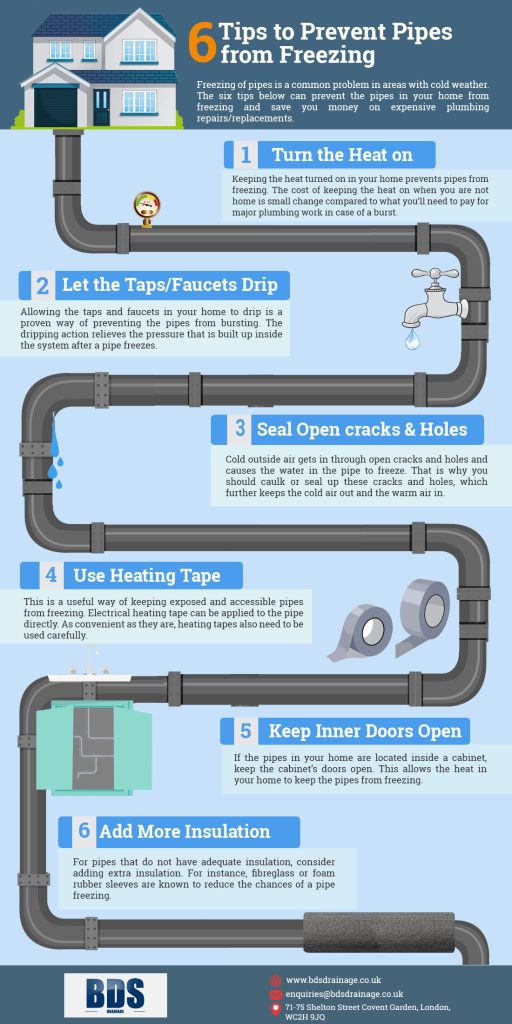
Wrap pipes with foam or fiberglass insulation. This keeps cold air away and holds heat inside. Focus on pipes in basements, attics, and crawl spaces. Use pipe sleeves or heat tape for extra protection. Proper insulation reduces the risk of freezing during cold nights.
Sealing Gaps And Cracks
Close openings around pipes with caulk or spray foam. Cold air enters through gaps in walls and floors. Check areas near pipe entrances and vents. Sealing stops drafts from chilling your pipes. This simple step helps maintain warmth around drain lines.
Maintaining Consistent Indoor Temperature
Keep your home warm, especially where pipes run. Avoid dropping the thermostat below 55°F (13°C). Open cabinet doors under sinks to let warm air circulate. Use space heaters in cold rooms if needed. Steady indoor heat prevents pipes from freezing during cold spells.
Using Heat Sources Safely
Using heat sources to protect drain pipes from freezing is effective but requires care. Improper use can cause fires or damage. Follow safety guidelines to keep your home safe while using heat to prevent frozen pipes.
Heating Tape And Cable Options
Heating tape or cables wrap around pipes to keep them warm. They use electricity to generate heat slowly and evenly. Choose products with built-in thermostats to avoid overheating.
Use only heating tape labeled safe for your pipe type. Do not overlap the tape; it can cause hot spots. Inspect the tape regularly for damage or wear. Follow the manufacturer’s instructions for installation and use.
Space Heaters Near Pipes
Placing a space heater near pipes can raise the temperature and prevent freezing. Keep the heater at least three feet away from flammable materials and pipes. Use heaters with automatic shut-off features for safety.
Never leave a space heater unattended. Avoid placing it in wet or damp areas to prevent electrical hazards. Use heaters with tip-over protection to reduce fire risks. Always monitor the heater’s operation during cold weather.

Credit: www.spi-co.com
Proper Drainage Practices
Proper drainage practices are essential to prevent drain pipes from freezing. Implementing the right techniques can safeguard your plumbing system during cold weather. This involves ensuring consistent water flow and keeping external drain lines clear of obstructions. Read on to learn effective methods for maintaining proper drainage.
Letting Faucets Drip
Letting faucets drip helps prevent pipes from freezing. A slight, steady drip keeps water moving. This movement reduces the risk of ice forming inside pipes. It’s especially effective during extremely cold nights.
Focus on faucets farthest from the main water supply. This practice keeps water in motion across the entire system. Keep the flow minimal to conserve water while still providing protection.
Clearing Exterior Drain Lines
Clearing exterior drain lines is vital for proper drainage. Leaves and debris can block these lines, leading to clogs. Check and clean exterior drains regularly. This ensures water flows freely away from your home.
Use a garden hose or plumber’s snake to remove blockages. Regular maintenance prevents buildup that may cause freezing. Clean drains before the cold season starts for best results.
Emergency Solutions For Frozen Pipes
Frozen pipes can cause a sudden and stressful situation in your home. Knowing how to act quickly can prevent costly damage and restore water flow fast. Here are emergency solutions you can use right away to thaw your frozen drain pipes safely and effectively.
Applying Warm Towels Or Heat Packs
Start by wrapping the frozen section of your pipe with warm towels or heat packs. This gentle heat helps melt the ice inside without causing damage.
Make sure the towels are warm, not boiling, to avoid cracking the pipe. Replace the towels regularly as they cool down to maintain consistent warmth.
Have you checked under your sinks or near your water heater for accessible pipes you can wrap? This simple step can save you from a bigger problem.
Using Hair Dryers Or Heat Guns
A hair dryer is a handy tool to direct warm air along the frozen pipe. Keep the dryer moving to avoid overheating one spot, which could harm the pipe.
Heat guns work faster but require extra caution. Use them on a low setting and maintain a safe distance to prevent melting plastic pipes or insulation.
If you don’t have these tools on hand, could you borrow from a neighbor or friend? Acting quickly with available items makes a big difference.
When To Call A Professional
Sometimes, the ice block is too stubborn or in a hard-to-reach spot. If you’ve tried warming methods and the pipe remains frozen, it’s time to call a plumber.
Also, if you notice any cracks, leaks, or unusual noises, don’t wait. A professional can assess damage and prevent further issues.
Remember, attempting risky DIY fixes like open flames can cause more harm than good. Would you rather risk a small wait or a costly repair?

Credit: medium.com
Long-term Protection Tips
Protecting your drain pipes from freezing over the long term saves money and stress. It stops blockages and pipe bursts during cold weather. Using strong materials and regular care keeps pipes safe year after year.
Upgrading Pipe Materials
Use pipes made from materials that resist cold. Plastic pipes like PVC or PEX handle freezing temperatures better than metal pipes. These materials expand slightly when frozen, reducing the risk of cracks.
Consider insulating pipes with foam sleeves or heat tape. These add layers of protection. Insulation keeps pipes warm and prevents ice buildup inside.
Choose thicker pipes for outdoor or exposed areas. Thicker pipes have better insulation naturally. They stay warmer longer during cold snaps.
Regular Maintenance Checks
Inspect your pipes regularly, especially before winter. Look for cracks, leaks, or weak spots. Fix small problems before cold weather arrives.
Clear any debris from drains and gutters. Blocked drains trap water, increasing freeze risk. Keep water flowing freely to avoid ice dams.
Test outdoor faucets and shutoff valves. Make sure they work well and close tightly. Leaks can freeze and cause damage.
Schedule professional plumbing checks each year. Experts can spot hidden issues early. This stops emergencies during freezing weather.
Frequently Asked Questions
How Can I Prevent Drain Pipes From Freezing?
Insulate pipes with foam sleeves or heat tape to keep warmth in. Keep cabinet doors open to allow warm air circulation. Let faucets drip slightly to prevent water from freezing inside pipes.
What Materials Are Best For Pipe Insulation?
Foam pipe sleeves and fiberglass wrap are effective. Heat tape with thermostat control prevents freezing in very cold areas. Choose materials rated for outdoor or indoor use based on pipe location.
Is It Necessary To Keep Water Running In Winter?
Yes, letting water drip keeps it moving, reducing freeze risk. A slow drip prevents pressure build-up that can burst pipes. This method is especially useful during extreme cold snaps.
Can Outdoor Pipes Freeze Faster Than Indoor Pipes?
Yes, outdoor pipes are more exposed to cold, so they freeze faster. Insulating outdoor pipes is crucial to avoid damage. Drain and shut off outdoor faucets before winter to protect pipes.
Conclusion
Preventing drain pipes from freezing saves time and money. Wrap pipes with insulation to keep cold out. Let faucets drip slowly during very cold nights. Seal any gaps near pipes to stop cold air. Keep cabinet doors open to warm the pipes inside.
Regular checks help catch problems early. Taking these steps protects your home this winter. Stay warm and worry less about frozen pipes. Simple actions make a big difference in freezing weather.