
Are you tired of finding frozen eggs in your coop during the chilly months? You’re not alone.
Many poultry owners face the same challenge as temperatures drop. Frozen eggs can crack, lose quality, and even go to waste. But don’t worry—there are simple solutions to keep your eggs safe and intact. Imagine reaching into your coop and finding fresh, unfrozen eggs every time.
It sounds ideal, right? You’ll discover practical tips and tricks to ensure your eggs stay warm and protected, no matter how cold it gets outside. Ready to make egg freezing a thing of the past? Let’s dive in and transform your egg-keeping experience.
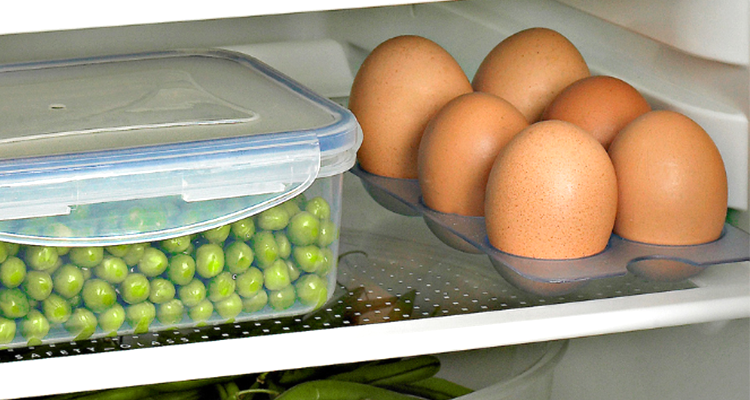
Credit: nestera.co.uk
Why Eggs Freeze In Winter
Eggs often freeze in the coop during cold winter months. This happens because eggs contain water inside. When temperatures drop below freezing, the water inside the egg can turn into ice. Frozen eggs can crack and spoil quickly. Understanding why eggs freeze helps prevent this problem.
Eggshell Porosity And Temperature
Eggshells are not completely solid. They have tiny holes called pores. These pores allow air and moisture to pass through. In cold weather, cold air enters the egg through these pores. This causes the egg’s temperature to drop quickly. When the inside gets cold enough, the water inside freezes. The more porous the shell, the faster the egg cools down.
Effect Of Cold On Egg Quality
Cold can change the quality of eggs. When the liquid inside freezes, it expands. This expansion can crack the shell. Cracked eggs are easy for bacteria to enter. Freezing also affects the egg’s texture. The yolk can become thick and sticky. This lowers the egg’s freshness and taste. Keeping eggs above freezing helps keep them fresh longer.

Credit: www.randyschickenblog.com
Ideal Coop Temperature
Keeping your coop at the ideal temperature is crucial to prevent eggs from freezing during cold weather. You want to create a cozy environment that protects the eggs without stressing your hens. The key is balancing warmth and ventilation to maintain a steady temperature that stays above freezing but doesn’t become too hot.
Maintaining Warmth Without Overheating
Heat your coop just enough to keep the temperature around 40°F to 50°F (4°C to 10°C). This range is warm enough to prevent eggs from freezing while avoiding discomfort or health risks for your chickens.
Avoid using heat sources that can cause hot spots or dry out the air. Heat lamps are common but can be risky if not installed correctly; they might overheat parts of the coop or start fires. Instead, consider safer options like heated pads under nesting boxes or low-wattage ceramic heaters designed for small spaces.
Do you regularly check the coop’s temperature in different spots? Using a few inexpensive thermometers around the coop can help you spot cold corners or overheated zones. Adjust your heating setup accordingly.
Insulation Materials And Techniques
Proper insulation is your first line of defense against freezing eggs. Use materials that trap heat but still allow airflow to prevent moisture buildup, which can be just as dangerous as cold.
- Foam boards:Easy to cut and install, foam boards on walls and ceilings block drafts effectively.
- Straw or hay bales:Placing these around the coop’s exterior adds an extra layer of natural insulation.
- Bubble wrap:A budget-friendly option for window insulation; it helps keep cold air out without blocking light.
Seal cracks and gaps with weather stripping or caulk to stop cold drafts. But remember, your coop still needs ventilation to avoid moisture problems. Can you find the balance between sealing and venting in your setup?
Proper Ventilation Strategies
Proper ventilation in a chicken coop is essential to keep eggs from freezing. It helps control temperature and humidity inside the coop. Good airflow prevents cold air from settling near the nesting boxes while keeping warmth inside. Balancing fresh air and heat retention is key to creating a safe environment for your hens and their eggs.
Balancing Fresh Air And Heat Retention
Ventilation should bring in fresh air without causing cold drafts. Position vents high on the walls or near the roof. This allows warm air to escape while cooler air enters from lower openings. Avoid placing vents directly near nesting boxes to prevent chilling the eggs.
Use adjustable vents or cover openings with hardware cloth. This helps control airflow based on outside temperatures. Close some vents during extreme cold but keep enough open to prevent stale air buildup. A well-ventilated coop keeps air moving without losing too much heat.
Preventing Moisture Build-up
Moisture causes frost and ice inside the coop. Proper ventilation removes excess humidity from hen breath and droppings. Dry air reduces the risk of frozen eggs and respiratory problems for chickens.
Check for signs of dampness and clean bedding regularly. Use absorbent materials like straw or wood shavings. Ventilation should circulate air above the bedding to help keep it dry. Avoid sealing the coop completely; trapped moisture worsens freezing issues.
Nesting Box Design
Designing the nesting box well helps keep eggs safe from freezing. A good design keeps warmth inside and blocks cold air. This creates a cozy place for hens to lay eggs. Small changes in the nesting box can make a big difference in egg temperature.
Using Heated Nesting Pads
Heated nesting pads provide gentle warmth to the eggs. These pads use low electricity to keep the area warm. The heat stops eggs from freezing during cold nights. Place the pad under the bedding for best results. Make sure the pad is safe for animals and water-resistant. Heated pads are easy to use and help hens stay comfortable.
Placement To Avoid Cold Drafts
Put nesting boxes away from cold drafts and wind. Drafts cool down the nesting area quickly. Place boxes on the warmest side of the coop. Use solid walls or windbreaks near the boxes to block cold air. Avoid placing boxes near doors or windows. A draft-free spot keeps eggs warmer and hens happier.
Collecting Eggs Frequently
Collecting eggs frequently is a simple but powerful way to prevent them from freezing in your coop. Cold temperatures can cause eggs to crack, which not only wastes your fresh eggs but also creates a mess that’s tough to clean. By checking the nest boxes multiple times a day, you reduce the time eggs spend exposed to freezing air.
Benefits Of Multiple Daily Collections
Checking the coop more than once a day keeps eggs warmer because they spend less time sitting in cold nests. This practice also helps you spot any cracked or dirty eggs early, so you can handle them properly before they affect others.
Another advantage is that you can catch any hens laying in unusual spots or notice changes in egg production quickly. Have you ever found a hidden clutch after a long day? Frequent collections prevent eggs from freezing in those hard-to-reach spots, too.
Storing Eggs Safely Indoors
Once you collect eggs, bring them inside and store them in a cool but not cold place. Avoid putting eggs directly into the refrigerator right after collection; instead, keep them at room temperature for a few hours first to reduce condensation that can cause cracks.
Use an egg carton or a clean container that protects eggs from bumping against each other. Storing eggs this way keeps them safe from temperature swings and preserves their freshness until you’re ready to use them.

Credit: nestera.co.uk
Additional Winter Care Tips
Keeping eggs from freezing in the coop requires more than just insulation and ventilation. Paying attention to additional winter care can make a big difference for your hens’ comfort and egg production. These tips help maintain a stable environment, which in turn protects your eggs and keeps your flock healthy.
Using Warm Bedding
Adding warm bedding like straw or wood shavings creates a cozy layer that traps heat near the floor. This helps keep the nesting boxes warmer, reducing the chances of eggs freezing. You might want to change the bedding more often in winter to keep it dry and effective.
Have you noticed how a thick layer of bedding can actually encourage hens to nest more comfortably? That extra warmth can boost their overall well-being during cold spells.
Supplemental Lighting For Hens
Shorter daylight hours can slow down your hens’ laying cycle. Using a low-wattage light in the coop for a few extra hours each day helps maintain their natural rhythm. This small change can keep egg production steady through winter.
Think about the last time you felt sluggish during winter darkness—your hens feel that too. Supplemental lighting doesn’t just warm the coop; it keeps your hens active and laying.
Frequently Asked Questions
How Can I Prevent Eggs From Freezing In Winter?
Keep the coop warm using insulation and heat lamps. Collect eggs frequently to avoid freezing. Use nesting boxes with straw for warmth.
Why Do Eggs Freeze In Cold Chicken Coops?
Eggs freeze when temperatures drop below 32°F (0°C). Moisture in the coop and lack of insulation cause eggs to freeze.
What Materials Help Keep Eggs Warm In The Coop?
Straw, hay, and wood shavings insulate nesting boxes. These materials trap heat and keep eggs from freezing.
How Often Should I Collect Eggs In Freezing Weather?
Collect eggs at least twice a day. Frequent collection prevents eggs from freezing or cracking in cold weather.
Conclusion
Keeping eggs from freezing in the coop takes simple steps. Use warm bedding and add insulation. Check the coop often for drafts or cracks. Provide fresh water that does not freeze. These small actions protect your eggs in cold weather.
Your hens stay healthy, and eggs stay fresh. Cold mornings won’t stop you from collecting good eggs. Stay consistent with these tips for best results. Winter does not have to be a problem for your flock. Easy care keeps eggs safe and your chickens happy.