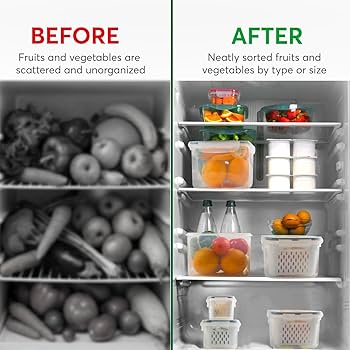
Imagine buying a basket full of vibrant, juicy fruits, only to find them sad and wilted in your refrigerator a few days later. Frustrating, isn’t it?
You’re not alone. Many people struggle with keeping their fruits fresh for as long as possible. But here’s the good news: it doesn’t have to be this way! With a few simple tricks, you can extend the life of your favorite fruits and enjoy them at their peak of freshness.
Whether you love crisp apples, ripe bananas, or juicy berries, knowing how to store them properly in your fridge can make all the difference. Curious how to transform your fruit storage game? Let’s dive in and discover these easy, effective strategies to keep your fruits fresher, longer. You’ll never have to throw out spoiled fruit again!
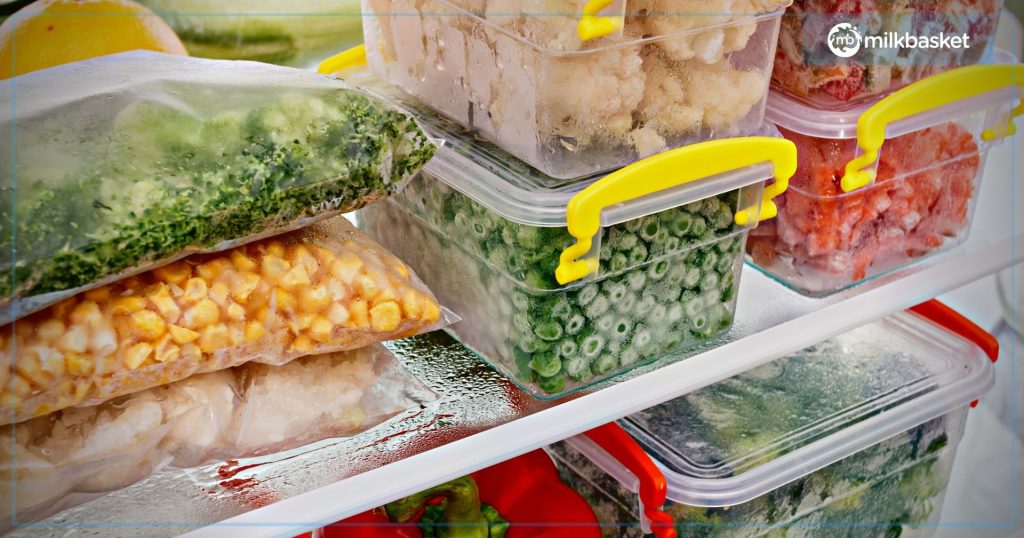
Credit: blog.milkbasket.com
Choose The Right Fruits
Choosing the right fruits is key to keeping them fresh longer in the refrigerator. Some fruits handle cold temperatures well, while others lose flavor or spoil quickly. Knowing which fruits to refrigerate and which to keep outside helps maintain taste and texture.
Fruits That Refrigerate Well
Many fruits stay fresh and crisp in the fridge. These fruits benefit from cool temperatures and slower ripening.
- Apples
- Grapes
- Berries (strawberries, blueberries, raspberries)
- Cherries
- Kiwis
- Plums
- Pears (once ripe)
- Oranges and other citrus fruits
Store these fruits in perforated plastic bags or containers. This keeps moisture balanced and prevents mold.
Fruits Best Stored At Room Temperature
Some fruits do better outside the fridge. Cold can harm their texture or stop ripening.
- Bananas
- Mangoes
- Pineapples
- Peaches
- Nectarines
- Avocados (until ripe)
- Tomatoes (botanically a fruit)
Keep these fruits on the counter, away from direct sunlight. Once ripe, some can be moved to the fridge for a few days.
Prep Fruits Before Storage
Preparing fruits properly before storing them in the refrigerator helps keep them fresh longer. Small steps like cleaning and removing bad parts protect fruits from spoiling fast. Proper preparation slows down decay and keeps fruits tasty and safe to eat.
Washing And Drying Techniques
Wash fruits under cold running water to remove dirt and germs. Avoid using soap or detergents as they can leave harmful residues. For fruits with thick skins, gently scrub with a soft brush. After washing, dry fruits completely using a clean towel or paper towel. Moisture on fruit surfaces encourages mold and spoilage. Dry fruits well before placing them in the fridge.
Removing Damaged Parts
Check fruits carefully for bruises, cuts, or spots. Cut away any damaged or spoiled areas with a clean knife. Damaged parts attract bacteria and mold, which can spread quickly. Removing these parts helps keep the rest of the fruit fresh. Store only healthy, intact fruits in the refrigerator to extend shelf life.
Use Proper Storage Containers
Using the right containers helps fruits last longer and stay fresh. Proper storage controls moisture and air exposure. It also prevents fruits from absorbing smells or flavors from other foods. Choosing the correct container type suits different fruit types and their needs.
Airtight Containers
Airtight containers keep air and moisture out. This slows down fruit spoilage and keeps them juicy. Use these containers for cut fruits like melons, berries, or apples. They stop fruits from drying out or turning brown quickly. Glass or BPA-free plastic containers work well. Make sure the lid seals tightly for best results.
Perforated Bags And Wraps
Perforated bags allow some airflow while protecting fruits. They prevent excess moisture build-up that causes mold. Use these bags for fruits that need breathing space, like grapes or cherries. Wrap fruits lightly with perforated plastic wrap for good ventilation. This method balances humidity and air circulation to keep fruits fresh longer.

Credit: kcampbellnutrition.com
Optimal Refrigerator Settings
Keeping fruits fresh in your refrigerator starts with setting it up just right. Optimal refrigerator settings can make a big difference in how long your fruits stay crisp and delicious. Small tweaks in temperature and humidity can prevent spoilage and keep your fruit tasting its best.
Ideal Temperature For Fruits
The best temperature for storing most fruits is between 32°F and 40°F (0°C to 4°C). Temperatures below freezing can damage the fruit’s texture, while warmer temperatures speed up ripening and decay.
For example, berries and grapes prefer cooler temps around 32°F to 36°F, while fruits like apples and pears do well closer to 40°F. Have you noticed how your strawberries last longer when placed in the coldest part of the fridge? That’s no coincidence.
Humidity Control Tips
Fruits need the right amount of humidity to stay fresh. Too much moisture can cause mold, while too little dries them out. Most refrigerators have crisper drawers with adjustable humidity settings—use these to your advantage.
- Set the drawer to high humidity for fruits that wilt easily, like berries and grapes.
- Use low humidity settings for fruits that release moisture, like apples and pears.
- Separate fruits that produce ethylene gas, such as bananas and avocados, from others to prevent premature ripening.
Have you tried placing a paper towel in the fruit drawer? It can absorb excess moisture and help prevent mold growth. Simple habits like this can extend the life of your fruits without extra effort.
Separate Ethylene Producers
Keeping fruits fresh in the refrigerator requires careful storage. One key tip is to separate ethylene producers from other fruits. Ethylene is a natural gas that some fruits release. This gas speeds up ripening and can cause other fruits to spoil faster. By storing ethylene-producing fruits separately, you can extend the freshness of all your fruits.
What Is Ethylene?
Ethylene is a colorless gas made by many fruits. It acts as a plant hormone that helps fruits ripen. While ripening is good, too much ethylene can cause fruits to become soft and spoil quickly. This gas moves easily through the air. That is why keeping certain fruits apart is important.
Fruits That Emit Ethylene
Some fruits release a lot of ethylene. These fruits can cause other nearby fruits to ripen fast. Here are common ethylene producers:
- Apples
- Bananas
- Avocados
- Tomatoes
- Pears
- Peaches
- Nectarines
- Plums
Fruits Sensitive To Ethylene
Some fruits do not produce much ethylene but react strongly to it. Exposure to ethylene can make these fruits spoil or rot faster. Keep these fruits away from ethylene producers:
- Strawberries
- Blueberries
- Grapes
- Watermelon
- Oranges
- Cherries
- Kiwis
Special Storage Tips For Common Fruits
Storing fruits properly in the refrigerator helps keep them fresh longer. Each fruit type has unique needs. Following special storage tips preserves taste, texture, and nutrition. This section covers common fruits and how to store them best.
Berries
Berries spoil quickly due to moisture and air exposure. Keep them dry to extend freshness.
- Store berries in a breathable container or original packaging.
- Place a paper towel underneath to absorb moisture.
- Do not wash berries before storing; wash just before eating.
- Use within a few days for best flavor and texture.
Citrus Fruits
Citrus fruits stay fresh longer with cool, humid conditions. Avoid drying out the skin.
- Keep citrus in the fridge’s crisper drawer.
- Store loose or in mesh bags to allow air circulation.
- Do not seal in airtight containers; moisture buildup causes mold.
- Check regularly for soft spots or mold and remove spoiled fruit.
Apples And Pears
These fruits release ethylene gas, which speeds ripening. Store them carefully to avoid overripening.
- Keep apples and pears separate from other fruits.
- Store in the refrigerator crisper drawer with some ventilation.
- Use perforated plastic bags or containers with holes.
- Check for bruised or damaged fruit to prevent spoilage of others.
Bananas
Bananas do not need refrigeration until they ripen. Cold slows ripening but darkens peel.
- Store bananas at room temperature until ripe.
- Once ripe, place in the fridge to slow further ripening.
- The peel may turn brown, but the fruit inside stays fresh.
- Separate bananas to slow ethylene gas buildup and ripening.
Use Natural Preservatives
Natural preservatives can be a game changer when it comes to keeping your fruits fresh longer in the refrigerator. They help slow down oxidation and bacterial growth without adding any harmful chemicals. Using simple ingredients from your kitchen, you can extend the life of your favorite fruits and reduce waste.
Lemon Juice
Lemon juice is a powerful natural preservative because it contains citric acid and vitamin C. These compounds help prevent fruits like apples, pears, and bananas from turning brown quickly. Try squeezing a little lemon juice over cut fruits or mixing it with water to lightly coat them before storing.
Have you noticed how quickly sliced apples turn brown? A quick dip in lemon juice stops that almost immediately. This method not only keeps fruits looking fresh but also adds a subtle tangy flavor that many find delicious.
Vinegar Solutions
Vinegar is another excellent natural way to keep fruits fresh. Its acidity helps kill bacteria and mold spores on the fruit’s surface. Mix one part vinegar with three parts water and soak fruits like berries or grapes for a few minutes before drying and refrigerating.
This simple vinegar rinse can reduce spoilage and extend freshness by days. Plus, it’s easy to make and safe for your family. Are you ready to give this quick soak a try and see how much longer your berries can last?
/images.kitchenstories.io/wagtailOriginalImages/pexels-polina-tankilevitch-4443442.jpg)
Credit: www.kitchenstories.com
Monitor And Rotate Fruits Regularly
Keeping fruits fresh in your refrigerator goes beyond just storing them properly. Regularly monitoring and rotating your fruits can dramatically extend their shelf life and reduce waste. It’s a simple habit that keeps your fruit crisp, flavorful, and ready to eat every time you open the fridge.
Spotting Spoilage Early
Check your fruits every couple of days for any signs of spoilage. Look for soft spots, discoloration, or an off smell—these are early warnings that the fruit is starting to go bad. Removing spoiled fruits quickly prevents them from affecting the others around them.
I once ignored a single bruised apple in my fridge, only to find that it caused my entire batch of apples to spoil faster. That experience taught me how important it is to catch spoilage early and act fast.
First In, First Out Method
Arrange your fruits so the ones you bought first are in front. This way, you’ll use older fruits before newer ones, minimizing the chance of letting something rot unnoticed at the back. This method keeps your fruit supply fresh and helps you save money by reducing waste.
Try labeling your fruit containers with purchase dates or use clear storage bins to make the rotation easier. You’ll find it easier to grab the right fruit and avoid confusion during busy mornings.
Frequently Asked Questions
How Do I Store Fruits To Keep Them Fresh Longer?
Store fruits in the refrigerator’s crisper drawer. Use perforated bags for airflow. Keep fruits separate to avoid ethylene gas exposure. Store berries in a single layer on paper towels. This prevents moisture buildup and mold growth.
Which Fruits Should Not Be Refrigerated For Freshness?
Bananas, pineapples, and mangoes stay fresh longer at room temperature. Refrigeration can cause their texture to change and flavor to dull. Keep these fruits in a cool, dry place away from direct sunlight for best results.
Can Washing Fruits Before Refrigeration Cause Spoilage?
Avoid washing fruits before refrigeration. Moisture promotes mold and spoilage. Instead, wash fruits right before eating or cooking. This keeps fruits dry and fresh during storage.
How Does Ethylene Gas Affect Fruit Freshness In The Fridge?
Ethylene gas speeds up ripening and spoiling. Store ethylene-producing fruits like apples away from sensitive ones like berries. Using separate containers or drawers helps extend freshness for all fruits.
Conclusion
Keeping fruits fresh in the refrigerator saves money and reduces waste. Store fruits in clean containers or bags to keep moisture controlled. Separate fruits that release gas from others to slow ripening. Check fruits often and remove any that spoil quickly.
Use cold, but not freezing, parts of the fridge for storage. Simple steps make a big difference for fruit freshness. Enjoy crisp, tasty fruits longer with these easy habits. Fresh fruits mean healthier snacks every day.