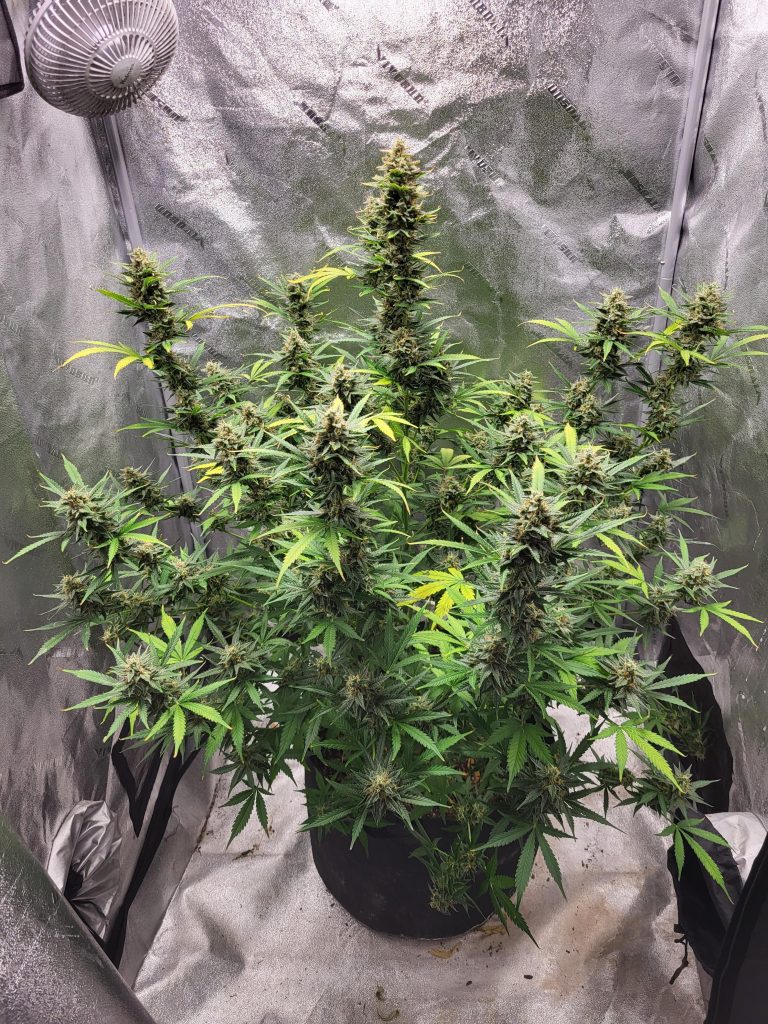
Keeping your grow tent warm is crucial for healthy plant growth and a bountiful harvest. If you’ve noticed your plants struggling with cold temperatures or slower growth, you’re not alone.
You might be wondering how to maintain the perfect warmth without wasting energy or damaging your setup. This guide will show you simple, effective ways to keep your grow tent cozy and your plants thriving. Ready to unlock the secret to a warmer, more productive grow space?
Let’s dive in!
Choosing The Right Heater
Keeping your grow tent warm is important for healthy plant growth. Choosing the right heater helps maintain the best temperature inside the tent.
There are different types of heaters, each with its own benefits. You also need to think about energy use and safety features before buying one.
Types Of Heaters For Grow Tents
Many heaters work well in grow tents. Some use electricity, while others use oil or ceramic elements. Choose one that fits your tent size and budget.
- Electric Fan Heaters:Heat the air quickly with a fan. They are compact and easy to control.
- Ceramic Heaters:Use ceramic plates to produce steady heat. They run quietly and last long.
- Oil-Filled Radiators:Heat oil inside the unit that stays warm for a long time. They provide even heat but take time to warm up.
- Infrared Heaters:Warm objects and plants directly. They are energy efficient and quiet.
Energy Efficiency Considerations
Energy use affects your electricity bill and environmental impact. Look for heaters that give good heat without using too much power.
| Heater Type | Energy Use | Heating Speed | Best For |
| Electric Fan Heater | Moderate | Fast | Small to medium tents |
| Ceramic Heater | Low to moderate | Medium | Quiet areas |
| Oil-Filled Radiator | Low | Slow | Even heat for large tents |
| Infrared Heater | Low | Fast | Direct plant heating |
Safety Features To Look For
Safety is key with heaters inside a grow tent. Choose models with features to prevent fires and accidents.
- Overheat Protection: Automatically shuts off if the heater gets too hot.
- Tip-Over Switch: Turns off the heater if it falls over.
- Cool-Touch Housing: Keeps the outside surface safe to touch.
- Proper Ventilation: Prevents buildup of gases or heat inside the tent.
- Water Resistance: Important if you use humidity or watering near the heater.

Credit: spiderfarmer.eu
Insulating Your Grow Tent
Keeping your grow tent warm helps plants grow better in cold weather. Insulation stops heat from escaping. It also keeps cold air out.
Good insulation makes your tent more energy efficient. It keeps the inside temperature steady. This helps plants stay healthy.
Using Reflective Insulation
Reflective insulation uses shiny materials to bounce heat back inside. It helps keep warmth in the tent. This type is easy to install.
Place reflective insulation on the tent walls and ceiling. It also reflects light to your plants. This can help them grow faster.
- Use foil-faced bubble wrap or reflective foam boards
- Attach with tape or clips to keep it in place
- Ensure no gaps are left for heat to escape
- Keep reflective side facing inward for best results
Sealing Gaps And Openings
Gaps and openings let warm air escape. Seal them to keep your tent warm. Check corners, zippers, and vents carefully.
Use weather stripping or foam tape to close small gaps. Cover larger holes with plastic or fabric patches. This stops cold air from coming in.
- Inspect all seams and joints regularly
- Use zipper covers or flaps to block air leaks
- Make sure vents have adjustable covers
- Replace worn or damaged seals quickly
Floor Insulation Techniques
The floor can lose heat and feel cold to plants. Adding insulation under the floor helps keep warmth inside. It also protects roots from cold.
Use foam boards or thick mats under your grow tent floor. You can also add a layer of reflective insulation. This traps heat and stops cold from the ground.
- Place foam insulation boards under the tent floor
- Use insulated floor mats for extra warmth
- Add a plastic sheet to stop moisture
- Lift the tent slightly to prevent cold air flow underneath
Optimizing Air Circulation
Good air circulation helps keep your grow tent warm and plants healthy. It moves warm air evenly throughout the space.
Proper airflow stops cold spots and prevents heat buildup. This balance is key for plant growth.
Placement Of Fans
Place fans to move air gently around plants. Avoid blowing air directly on them to prevent stress.
Use an oscillating fan near the top for warm air circulation. A small fan near the bottom helps keep cool air moving.
- Top fan moves warm air down
- Bottom fan circulates cooler air
- Oscillating fans spread air evenly
Balancing Ventilation And Heat Retention
Ventilation lets fresh air in but can cool your tent too much. Control vents to keep heat inside.
Open vents partially to avoid losing all the warm air. Use adjustable vents or duct dampers for control.
- Partially open vents keep warmth
- Adjust vents based on outside temperature
- Use duct dampers for fine control
Avoiding Hot And Cold Spots
Hot and cold spots harm plant growth. Air should flow evenly to prevent these areas.
Check your tent regularly for uneven temperatures. Move fans or vents to fix any spots.
- Use a thermometer to find temperature differences
- Adjust fan direction to spread air
- Seal leaks to keep warm air inside
Monitoring Temperature Levels
Keeping your grow tent warm is important for healthy plant growth. Monitoring temperature helps keep conditions stable.
You can use tools and devices to check and control the temperature inside your tent.
Using Thermometers And Hygrometers
Thermometers measure temperature while hygrometers check humidity. Both are key for a healthy grow tent.
Place them where plants grow to get accurate readings of the environment.
- Digital thermometers show exact temperatures
- Analog thermometers are simple and durable
- Hygrometers help monitor moisture levels
- Use combined units for both temperature and humidity
Automated Temperature Controllers
Automated controllers keep your grow tent temperature steady. They turn heaters or fans on and off as needed.
This reduces your work and prevents big temperature swings that can harm plants.
- Set a target temperature on the controller
- Connect the heater or fan to the controller
- The device switches equipment based on temperature
- Some models also monitor humidity and light
Setting Ideal Temperature Ranges
Plants need different temperatures at each growth stage. Keep the tent warm but not too hot.
Use this guide for common temperature ranges in grow tents.
| Growth Stage | Ideal Temperature (°F) | Ideal Temperature (°C) |
|---|---|---|
| Seedling | 70-75 | 21-24 |
| Vegetative | 70-85 | 21-29 |
| Flowering | 65-80 | 18-27 |
Utilizing Heat Mats And Pads
Heat mats and pads are simple tools to keep your grow tent warm. They help maintain steady soil temperature for plant roots. This warmth encourages strong seedling growth and faster germination.
These devices are easy to use and energy efficient. They fit well under seed trays or pots inside your grow tent. Using heat mats correctly improves your plant health in cooler conditions.
Best Practices For Seedlings
Place heat mats under seedling trays to warm the soil evenly. Keep the temperature between 70°F and 85°F for best results. Avoid overheating, as it can damage young roots.
- Use a thermostat to control mat temperature.
- Check soil temperature regularly with a thermometer.
- Keep mats clean to prevent mold or algae growth.
- Only heat the root zone, not the air around seedlings.
Placement And Safety Tips
Place heat mats on flat, dry surfaces inside your grow tent. Use waterproof mats or covers to avoid water damage. Keep electrical cords away from water and soil to prevent hazards.
| Safety Tip | Reason |
| Use a grounded outlet | Prevents electrical shock |
| Do not fold or crease mats | Prevents damage to heating elements |
| Turn off mats when not in use | Reduces fire risk |
| Inspect mats regularly | Detects wear or faults early |
Combining With Other Heat Sources
Heat mats work best combined with gentle air heating or insulation. This creates an even climate inside the grow tent. Avoid using high-heat sources near mats to prevent overheating.
Tips for combining heat sources:
- Use a small fan heater on low setting to warm air.
- Cover tent walls with insulating material to keep heat.
- Place mats below seedlings and heaters above for balanced heat.
- Monitor temperature at root level and air level separately.

Credit: www.reddit.com
Managing Humidity And Heat
Keeping your grow tent warm means controlling both heat and humidity. These two factors affect plant growth and health.
Too much moisture or heat can harm plants. Proper balance helps plants grow strong and prevents problems.
Balancing Moisture And Temperature
Plants need the right moisture and temperature to thrive. Too much humidity can cause heat to feel higher.
Keep the temperature between 70°F and 85°F. Humidity should stay around 50% to 70% for most plants.
- Use a thermometer and hygrometer to check levels.
- Adjust heaters or fans to control temperature.
- Open vents or use fans to lower humidity.
- Use a humidifier if air is too dry.
Preventing Mold And Mildew
Mold and mildew grow in warm, wet places. They can damage plants and reduce yield.
Keep air moving and avoid high humidity to stop mold growth. Clean your grow tent regularly.
- Use fans to circulate air inside the tent.
- Do not overwater plants to reduce moisture.
- Check plants and surfaces for mold often.
- Remove any moldy leaves or spots quickly.
Using Dehumidifiers Effectively
Dehumidifiers remove extra moisture from the air. They help keep humidity at safe levels.
Place the dehumidifier in the grow tent or nearby. Empty the water tank regularly for best results.
- Choose a dehumidifier sized for your tent space.
- Turn it on when humidity rises above 70%.
- Keep doors and vents closed to keep moisture out.
- Monitor humidity to adjust dehumidifier use.
Adjusting Lighting For Warmth
Keeping your grow tent warm is important for plant growth. One easy way to add heat is by adjusting the lighting.
Lights not only help plants grow but also produce heat. You can use this heat to keep the tent warm during cold times.
Heat Output Of Different Grow Lights
Different grow lights give off different amounts of heat. Some lights are hot and can warm your tent well.
LED lights are cool and use less heat. HID and incandescent lights produce more heat but use more energy.
- LED lights: low heat output, energy efficient
- HID lights (MH and HPS): high heat output, good for warmth
- Incandescent bulbs: high heat, not energy efficient
Positioning Lights To Maximize Heat
Place lights closer to plants to give warmth where it is needed. Make sure plants do not get burned.
Use reflective materials inside the tent to spread light and heat evenly. This helps keep the whole tent warm.
- Keep lights near the top but close enough for warmth
- Use reflective walls to bounce heat and light
- Adjust height as plants grow to keep them safe
Energy Considerations
More heat often means more energy use. Choose lights that balance warmth and energy cost.
Use timers to run lights only when needed. This saves electricity and keeps temperature steady.
- Select energy-efficient lights for long-term use
- Use timers to control light and heat hours
- Monitor temperature to avoid wasting energy

Credit: canadagrowsupplies.com
Routine Maintenance And Checks
Keeping your grow tent warm requires regular care. Checking your equipment helps maintain the right temperature.
Routine maintenance prevents problems and ensures your plants grow healthy. Simple steps can save you time and energy.
Inspecting Equipment Regularly
Look over heaters, thermostats, and fans often. Check for damage or wear that can affect heat output.
- Make sure heaters turn on and off at set temperatures
- Inspect power cords for cuts or frays
- Check fans to see if they spin freely
- Test thermostats for accurate readings
- Replace any faulty parts immediately
Cleaning And Upkeep Tips
Clean your grow tent and equipment to keep heat flow steady. Dust and dirt can block vents and reduce heater efficiency.
| Task | Frequency | Why |
| Wipe heater surfaces | Weekly | Remove dust buildup |
| Clean fan blades | Biweekly | Improve air flow |
| Vacuum vents | Monthly | Prevent blockages |
| Check thermostat sensor | Monthly | Ensure accuracy |
Troubleshooting Temperature Issues
If the tent feels too cold or too hot, check your gear. Fix small problems before they grow.
- Verify heater settings match your temperature needs
- Look for drafts near tent zippers or seams
- Confirm thermostat placement is not near heat sources
- Test backup heaters if you have them
- Reset equipment if it stops working properly
Frequently Asked Questions
How Can I Maintain Consistent Warmth In A Grow Tent?
Use a reliable heater with a thermostat to keep temperature steady. Insulate the tent walls to prevent heat loss. Monitor temperature regularly for optimal plant growth.
What Type Of Heater Is Best For Grow Tents?
Ceramic or oil-filled heaters are ideal due to safety and efficiency. They provide steady heat without drying the air excessively. Choose a heater with adjustable settings for control.
How Do I Prevent Overheating In A Grow Tent?
Install a thermostat to regulate temperature automatically. Use ventilation fans to circulate air and avoid hot spots. Regularly check temperature to ensure it stays within safe limits.
Can Insulation Improve Grow Tent Temperature?
Yes, insulating walls and floors helps retain heat. Use reflective materials or foam panels inside the tent. Proper insulation reduces energy consumption and maintains a warmer environment.
Conclusion
Keeping your grow tent warm helps plants grow healthy and strong. Use heaters, insulation, and good airflow to control temperature. Check the tent often to avoid cold spots or overheating. Small changes can make a big difference in plant growth.
Stay patient and adjust as needed for the best results. Warmth and care bring better harvests.