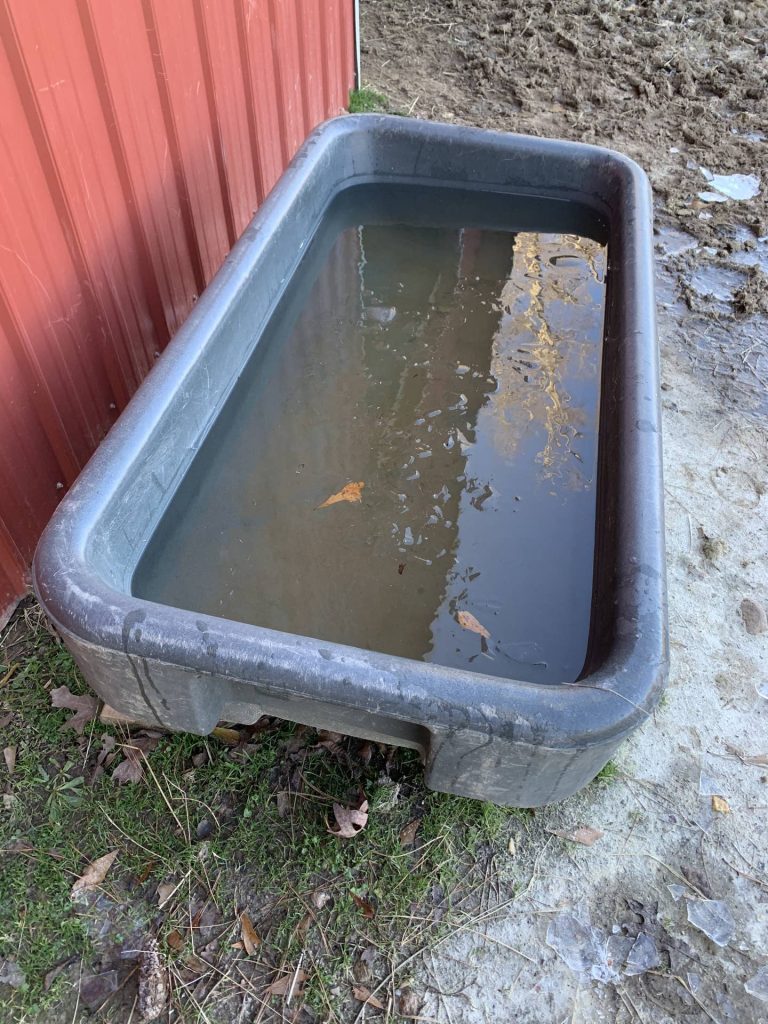
When winter hits, keeping your horse’s water from freezing can feel like a constant battle. You want to make sure your horse stays healthy and hydrated, but you might not have access to electricity or heated water buckets.
What if you could solve this problem using simple, smart methods that don’t cost a fortune or rely on power? You’ll discover easy, effective ways to keep your horse’s water flowing freely, even in freezing temperatures. Keep reading, and you’ll never worry about frozen water again.

Credit: www.youtube.com
Causes Of Water Freezing In Winter
Understanding why water freezes in winter is key to keeping your horse’s water supply liquid without using electricity. Water freezing doesn’t just happen because it’s cold outside; several factors work together to cause ice to form. Knowing these causes helps you find practical, low-cost ways to prevent freezing.
Temperature Effects On Water
Water freezes at 32°F (0°C), but the freezing process can start even before it hits that exact temperature in real-life conditions. The colder the air around your water source, the faster it loses heat, which causes ice to form. Wind and the length of cold spells can speed this up significantly.
Have you ever noticed that water in shallow troughs freezes faster than in deep barrels? That’s because smaller volumes lose heat quicker. Also, water in direct contact with cold surfaces, like metal or concrete, will freeze faster. This makes it important to consider the type and placement of your water containers.
Environmental Factors
Besides temperature, your environment plays a big role. Exposure to wind can chill water rapidly, increasing freezing speed. Shade or lack of sunlight also affects how long water stays liquid during the day.
- Open areas with strong winds cause quicker freezing.
- Containers placed on cold ground or concrete freeze faster than those on insulating materials like straw or wood.
- Snow buildup around water containers can insulate them, sometimes keeping water from freezing instantly but also blocking sunlight.
Think about your own setup: Is your water source exposed to harsh winds or sitting on a cold surface? Small adjustments like moving the container to a sheltered spot or adding insulation beneath can make a noticeable difference. Understanding these environmental factors gives you the upper hand in preventing frozen water for your horse.
Credit: www.cowgirlmagazine.com
Choosing The Right Water Container
Choosing the right water container plays a key role in preventing horse water from freezing. The container must keep water cool in summer and resist freezing in winter. Picking the right container material and size can save you time and effort. It also keeps your horse healthy and hydrated.
Material Options
Some materials hold heat better and resist freezing more than others. Plastic containers are light and affordable but freeze quickly. Rubber tubs absorb sunlight, which helps keep water warmer. Metal containers are durable but chill water fast, increasing freeze risk. Polyethylene is a popular choice because it resists cold and lasts long. Choose a container that suits your climate and budget. A dark-colored container absorbs more sunlight to keep water warmer.
Size And Shape Considerations
The size of the water container affects how quickly water freezes. Large containers hold more water and stay liquid longer. Small containers freeze faster because of less water volume. Shallow and wide containers cool faster, while deeper and narrow ones retain heat better. A container with a lid reduces heat loss and keeps dirt out. Think about the number of horses and how much water they drink daily. Pick a size that meets their needs but does not freeze quickly.
Natural Insulation Techniques
Keeping horse water from freezing without electricity requires clever natural insulation. Using materials found on the farm helps retain warmth around the water source. These natural techniques reduce ice formation and keep water accessible during cold weather. They are simple, effective, and eco-friendly.
Using Straw And Hay
Straw and hay act as excellent insulators for horse water containers. Place a thick layer around the water trough to trap heat. The trapped air within straw and hay slows down heat loss. Replace wet straw regularly to maintain dryness and insulation quality.
Arrange the straw so it covers the sides and base of the container. This creates a barrier against cold ground and chilly winds. Avoid stuffing straw inside the water to keep it clean and safe for horses.
Applying Mulch Layers
Mulch is another natural material that helps keep water from freezing. Use wood chips, leaves, or bark around the water source. Mulch layers block cold air and hold warmth near the container.
Apply mulch about 4 to 6 inches thick. Check it often to ensure it stays dry and fluffy. Damp mulch loses its insulating power, so turn it over or replace if needed.
Diy Heating Methods
Keeping your horse’s water from freezing without electricity is possible using simple DIY heating methods. These techniques use natural energy or household items to maintain water temperature. They require no power and are easy to set up. Such methods help ensure your horse always has fresh, unfrozen water during cold weather.
Solar Heat Traps
Solar heat traps use the sun’s energy to warm water naturally. Position a dark container in a sunny spot to absorb heat. Black or dark-colored materials hold warmth better than light ones.
Place the water trough inside or near this container. Use clear plastic or glass covers to trap heat inside. This creates a mini greenhouse effect, raising the water temperature.
- Choose a location with direct sunlight.
- Use dark paint or materials to cover the water container.
- Cover the top with clear plastic to keep heat in.
- Check water regularly to prevent overheating or spills.
Using Hot Water Bottles
Hot water bottles provide gentle heat to prevent freezing. Fill bottles with hot water and place them in or near the trough. Wrap the bottles in towels to keep heat longer and avoid burns.
Replace the water bottles every few hours as they cool down. This method works well for small troughs or buckets. It is simple, affordable, and effective.
- Use sturdy, leak-proof bottles.
- Wrap bottles in towels or cloth.
- Place bottles carefully to avoid tipping over.
- Refill with hot water regularly.
Strategic Water Placement
Placing water containers in the right spots helps stop freezing without using electricity. Strategic water placement uses natural elements and shelter to keep water liquid. This method saves energy and keeps horses hydrated during cold days.
Sheltered Locations
Choose places shielded from cold winds and open sky. Areas near barns, fences, or trees block chilly gusts. Walls absorb heat during the day and release it at night.
Look for spots with minimal air flow. This reduces ice formation on water surfaces. Sheltered areas keep water warmer by trapping some warmth around containers.
Sunlight Exposure
Place water containers where sunlight hits during the day. Sunlight naturally warms the water and delays freezing. South-facing spots get the most sun in winter.
Clear snow or debris from the area to allow full sun access. Even weak winter sun can raise water temperature slightly. This simple step helps keep water thawed longer.
Preventing Ice Formation
Keeping horse water from freezing without electricity can be challenging, especially during harsh winters. Preventing ice formation is key to ensuring your horse stays hydrated and healthy. A little attention and simple actions can make a big difference in stopping the water from freezing solid.
Frequent Water Changes
Changing the water regularly prevents ice from building up. When you replace cold water with fresh, slightly warmer water, it slows down the freezing process. I found that refreshing water every few hours during freezing days keeps the trough from turning into an ice block.
Try to check the water multiple times a day. Even small amounts of fresh water can break the ice’s hold. Have you noticed how stagnant water freezes faster? Moving water or fresh water resets that process.
Breaking Ice Manually
Manually breaking the ice is simple but effective. Use a sturdy tool, like a wooden paddle or an ice chisel, to crack the surface gently. Avoid hitting the container itself to prevent damage.
This hands-on approach lets you keep the ice layer thin and manageable. I once kept a bucket manageable by breaking the ice twice a day, which saved me from buying expensive heated buckets. What tools do you have around that could help with this?
Alternative Water Sources
Finding alternative water sources can be a smart way to keep your horse’s water supply from freezing without relying on electricity. These options often use natural movement or environmental features to stay liquid, giving your horse access to water even in cold conditions.
Running Water Options
Water in motion freezes much slower than still water. If you have access to a small pump or a gravity-fed system that keeps water flowing, it can prevent ice buildup naturally. Even a simple setup like a water wheel or a spring-fed trough can keep water moving enough to stay thawed.
Think about using a stream or installing a water pipe that allows continuous flow to your horse’s trough. This keeps water fresh and reduces the chance of freezing. Have you noticed how a bubbling creek rarely freezes solid during winter? That’s the principle you can use on your farm.
Natural Ponds And Streams
Natural ponds and streams can be excellent water sources if they don’t freeze completely. Look for areas where water movement or depth keeps parts of the pond open. Horses can drink from these spots without you needing to add heat or electricity.
Keep in mind that ponds may freeze on the surface but often remain liquid underneath. You can break the ice yourself or create access points where your horse can safely reach the water. Have you checked your local water bodies during winter? You might find a reliable source right on your land.

Credit: www.youtube.com
Maintaining Water Quality In Cold Weather
Maintaining clean, fresh water for your horse during freezing weather is just as important as keeping it from freezing. Cold temperatures can slow down natural water turnover and encourage the buildup of dirt, algae, and bacteria. If you don’t keep an eye on water quality, your horse might refuse to drink or get sick from contaminated water.
Cleaning Tips
Regularly cleaning your horse’s water trough or bucket helps prevent buildup that can freeze faster and harm water quality. Scrub the container with a stiff brush at least once a week, removing algae and mud. Rinse thoroughly to avoid leaving soap residue that could deter your horse from drinking.
Use a natural vinegar solution to break down stubborn deposits. Vinegar is safe and effective, and it doesn’t leave harmful chemicals behind. Make sure to clean any floating debris daily, especially leaves and twigs, which can introduce bacteria.
Avoiding Contaminants
Keep your water source protected from dirt, manure, and feed spills. Position the trough away from high-traffic areas where your horse may kick or soil it. Using a cover or partial shelter can help reduce leaves and dust falling into the water.
Think about how rain and runoff might carry contaminants into the water. If possible, create a drainage system or barrier to divert dirty water away. Have you noticed your horse avoiding certain water containers? It might be due to subtle contaminants or odors you can’t see but they can smell.
Frequently Asked Questions
How Can I Keep Horse Water From Freezing Naturally?
Use insulated water troughs and cover them with blankets. Adding floating balls reduces surface freezing. Regularly stirring water also helps prevent ice formation.
What Materials Work Best To Insulate Horse Water Tanks?
Styrofoam, straw, and reflective blankets are effective insulators. These materials retain heat and block cold air, slowing freezing. Proper insulation is key to keeping water liquid without electricity.
Can Horses Drink Cold Water Safely In Winter?
Yes, horses can safely drink cold water. However, freezing water limits access. Ensuring water stays liquid encourages proper hydration and prevents health issues.
How Often Should I Check Horse Water During Freezing Weather?
Check horse water at least twice daily in cold weather. Regular monitoring ensures water remains unfrozen and accessible. Prompt action prevents dehydration and discomfort.
Conclusion
Keeping horse water from freezing is crucial for their health. Use creative solutions like insulation and heated buckets. Hay bales can also help trap warmth. Regularly check and refill water sources. These methods ensure horses stay hydrated. No electricity needed.
It’s simple and effective. Protect your horses in cold weather. Keep water flowing. Keep them happy and healthy. Your horses will thank you. Stay proactive and attentive. Winter doesn’t have to be a challenge. With these tips, you’re ready. Happy horse care!