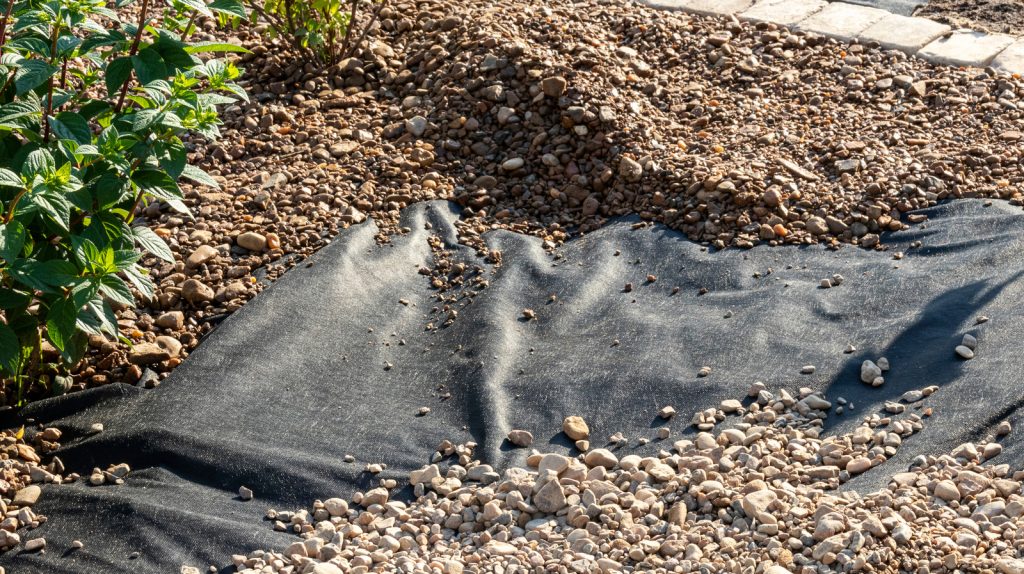
Are you tired of your landscape fabric shifting and ruining the neat look of your garden? Keeping landscape fabric firmly in place can be tricky, but it’s essential for preventing weeds and maintaining a clean outdoor space.
If you’ve struggled with fabric that won’t stay put, you’re not alone. You’ll discover simple, effective ways to keep your landscape fabric down—so your garden stays tidy, and your hard work pays off. Ready to learn the secrets that pros use?
Let’s dive in.

Credit: www.heirloomsoul.com
Choosing The Right Fabric
Choosing the right landscape fabric helps keep your garden neat. It stops weeds and lets water flow through. Picking fabric means thinking about types, strength, and water movement.
Good fabric lasts a long time and supports healthy plants. This guide explains what to look for in landscape fabric.
Types Of Landscape Fabric
There are two main types of landscape fabric: woven and non-woven. Woven fabrics look like cloth and are strong. Non-woven fabrics feel like paper and work well for moisture control.
- Woven Fabric:Made from tightly woven threads. It is durable and resists tearing.
- Non-Woven Fabric:Made by bonding fibers together. It allows better water flow but may tear easier.
Material Durability
Durability means how long the fabric lasts without breaking down. Some fabrics resist sun and chemicals better. Strong fabrics keep weeds down longer and need less replacing.
| Fabric Type | Durability | Sun Resistance | Typical Lifespan |
| Polypropylene Woven | High | Good | 5-10 years |
| Polyester Non-Woven | Medium | Fair | 3-6 years |
| Biodegradable Paper | Low | Poor | Less than 1 year |
Breathability And Water Flow
Fabric must let air and water pass through. This keeps plant roots healthy. Poor breathability causes water to pool and roots to rot.
- Choose fabric with good pores for water drainage.
- Check if fabric allows air to reach roots.
- Some fabrics block water and air, which harms plants.

Credit: www.vegetableacademy.com
Preparing The Area
Preparing the area properly helps landscape fabric stay in place. This step makes your garden look neat and stops weeds from growing under the fabric.
Focus on clearing debris, leveling the ground, and checking soil moisture before laying the fabric.
Clearing Debris And Weeds
Remove all leaves, sticks, rocks, and old plants from the area. Clear any weeds and their roots to stop them from growing back.
- Pull out weeds by hand or use a hoe
- Rake the soil to remove small debris
- Dispose of all plant material away from the area
- Check for hidden roots and remove them
Leveling The Ground
Make sure the ground is smooth and flat. Uneven soil can cause the fabric to wrinkle and move.
| Task | Tip |
|---|---|
| Fill holes | Use soil or sand to fill holes and low spots |
| Remove bumps | Break up and spread large clumps of soil |
| Compact soil | Press soil down gently to create a firm base |
Soil Moisture Considerations
Check the soil moisture before putting down fabric. Too wet or too dry soil can cause problems.
- Soil should be damp, not muddy
- Allow very wet soil to dry a little before installation
- If soil is too dry, water it lightly to help the fabric lay flat
- Good soil moisture helps fabric stay tight and prevents shifting
Laying The Fabric
Landscape fabric helps control weeds and keeps your garden tidy. Laying it correctly is important for good results.
This guide will show you how to place the fabric well and keep it flat and secure.
Proper Placement Techniques
Start by clearing the area of rocks, weeds, and debris. Smooth the soil to create a flat surface.
Roll out the fabric gently and position it over the area you want to cover. Make sure it reaches edges and corners.
- Clear soil of debris before placing fabric
- Keep fabric flat and smooth during placement
- Cover edges to prevent weed growth
Overlap And Seaming Tips
Overlap fabric pieces by at least 6 inches to stop weeds from growing between seams. Use landscape staples or pins to hold seams tight.
Join fabric edges carefully to avoid gaps. This helps keep the fabric stable and effective.
- Overlap fabric pieces by 6 inches or more
- Secure seams with staples or pins
- Avoid gaps where weeds can grow
Avoiding Wrinkles And Gaps
Pull the fabric tight as you lay it down. This reduces wrinkles and keeps the fabric close to the soil.
Use landscape staples every few feet to hold the fabric firmly. Check for wrinkles and gaps, and smooth them out right away.
- Pull fabric tight to prevent wrinkles
- Place staples every 3 to 4 feet
- Smooth out wrinkles and fill gaps immediately
Securing The Fabric
Landscape fabric helps control weeds in your garden or yard. It needs to stay in place to work well. Securing it properly keeps it from moving or blowing away.
There are several ways to keep landscape fabric down. Using the right tools and materials will make your garden look neat and tidy.
Using Landscape Staples
Landscape staples are metal pins shaped like a U. They hold the fabric firmly to the ground. Push them through the fabric into the soil to keep it secure.
Place staples about every 12 to 18 inches along the edges and seams. This stops the fabric from lifting or shifting in the wind.
- Use heavy-duty staples for better hold
- Insert staples fully into the ground
- Focus on edges and overlaps
Adding Heavy Mulch Or Gravel
Covering landscape fabric with mulch or gravel adds weight. This helps keep the fabric flat and stable. Mulch also improves the look of your garden beds.
Spread a thick layer of mulch or gravel evenly over the fabric. Avoid thin spots where the fabric might show or lift.
- Use bark mulch, wood chips, or gravel
- Apply 2 to 3 inches of material
- Keep mulch away from plant stems
Edge Anchoring Methods
Securing the edges of landscape fabric is very important. You can bury the edges in a shallow trench or use edging materials like bricks or stones.
Burying the edges stops wind from getting under the fabric. Edging materials add extra weight and give a clean finish to your garden beds.
- Dig a small trench around the fabric edge
- Place fabric edge into the trench and cover with soil
- Use bricks, stones, or plastic edging to hold edges down
Maintaining Fabric Stability
Landscape fabric helps keep your garden neat and stops weeds from growing. To keep it working well, you must make sure it stays in place. This guide shows how to keep the fabric steady and lasting longer.
Stable fabric means less work for you. It also protects your plants better. Let’s look at easy ways to keep your landscape fabric steady.
Regular Inspection
Check your landscape fabric often to catch problems early. Look for spots where the fabric lifts or tears. Early checks stop small issues from growing bigger.
Inspect after strong winds or heavy rain. These weather events can move the fabric or cause damage. Fixing issues right away keeps the fabric tight and strong.
Dealing With Shifting Or Damage
If your fabric moves or tears, fix it quickly. Move the fabric back into place and secure it with stakes or pins. Replace any torn sections to stop weeds from growing through.
- Use strong landscape staples to hold fabric down
- Pin down loose edges and corners firmly
- Replace ripped fabric pieces promptly
Adding mulch over the fabric helps keep it from moving. Mulch also protects the fabric from sun damage.
Preventing Weed Growth Around Edges
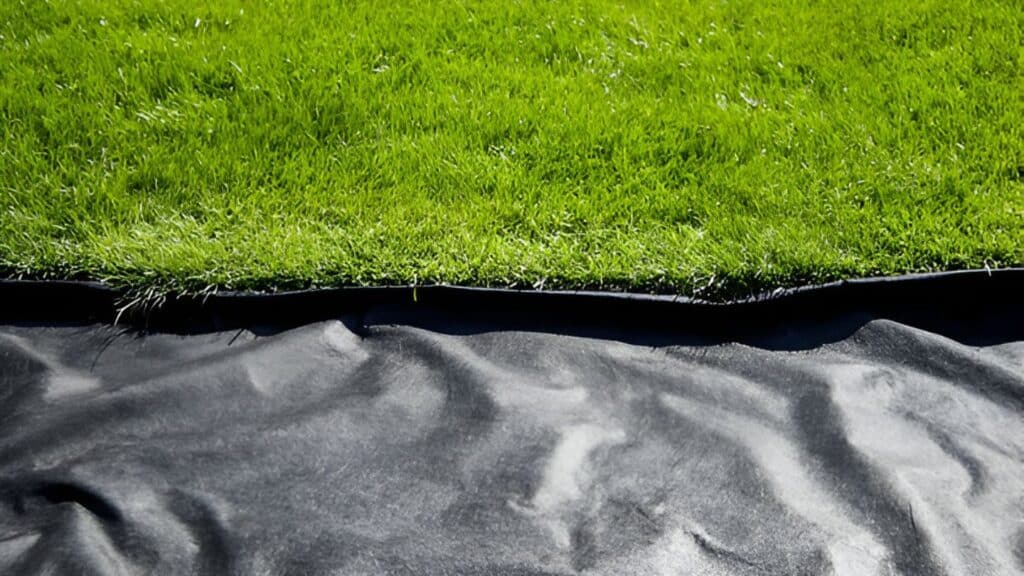
Weeds often grow near the edges where fabric ends. Keep the edges buried under soil or mulch. This stops weeds from sneaking in and lifting the fabric.
- Cover edges with extra mulch or soil
- Use landscape staples to secure edges well
- Trim grass or plants near edges regularly
Regular edge care helps your landscape fabric last longer and keeps your garden weed-free.
Credit: mulchpros.com
Common Mistakes To Avoid
Landscape fabric helps control weeds and keeps soil healthy. To work well, it must stay in place. Many people make errors that cause the fabric to move or tear.
Knowing common mistakes can help you install landscape fabric the right way. Avoiding these problems will save time and effort.
Skipping Ground Preparation
Not preparing the ground properly causes the fabric to lift or tear. Remove all rocks, roots, and debris before laying the fabric. Smooth soil helps the fabric lay flat.
Failing to level the area leads to gaps where weeds can grow. Take time to clear and flatten the soil for best results.
Using Inadequate Fasteners
Using weak or too few fasteners lets the fabric shift in wind or rain. Choose sturdy staples or pins made for landscape fabric. Place them close enough to hold the fabric tight.
- Use U-shaped staples at least 6 inches long
- Place fasteners every 12 to 18 inches along edges
- Add extra fasteners on slopes or windy spots
Fasteners that are too short or spaced far apart fail to keep the fabric secure. This causes wrinkles and exposes soil to weeds.
Ignoring Fabric Overlaps
Not overlapping fabric pieces allows weeds to grow through gaps. Always overlap edges by at least 6 inches. This creates a solid barrier under mulch or stones.
Staple the overlaps well to prevent them from separating. Overlaps that are too small or loose defeat the purpose of the fabric.
Frequently Asked Questions
What Tools Are Needed To Secure Landscape Fabric?
To secure landscape fabric, use garden staples or landscape pins. These tools help hold the fabric in place. A hammer or mallet can assist in driving the staples into the ground. Always ensure the pins are rust-resistant for durability. Properly securing the fabric prevents weed growth and maintains garden aesthetics.
How Often Should Landscape Fabric Be Replaced?
Landscape fabric typically lasts 5 to 10 years, depending on quality and environmental conditions. Regular inspection helps identify wear and tear. Replace the fabric when you notice significant degradation or weed growth. Using high-quality fabric can extend its lifespan and reduce the need for frequent replacements.
Can Landscape Fabric Be Used On Slopes?
Yes, landscape fabric is suitable for slopes. It helps prevent soil erosion and supports plant growth. Secure it well with extra garden staples to withstand water flow and gravity. Adding mulch or rocks on top can further stabilize the fabric.
Proper installation ensures longevity and effectiveness on inclined areas.
Is Landscape Fabric Eco-friendly?
Landscape fabric is generally eco-friendly as it reduces the need for chemical weed control. Made from permeable materials, it allows water and nutrients to reach the soil. Opt for biodegradable options for an environmentally conscious choice. Proper use can enhance sustainability in garden and landscape management.
Conclusion
Keeping landscape fabric down takes some care and the right tools. Use pins or staples to hold the fabric tight. Add mulch or stones on top to keep it from moving. Check the fabric often for any loose spots. Fix problems quickly to stop weeds from growing.
A well-secured fabric helps your garden stay neat and weed-free. Simple steps can make your landscape fabric last longer and work better. Try these tips for a tidy, healthy garden space.