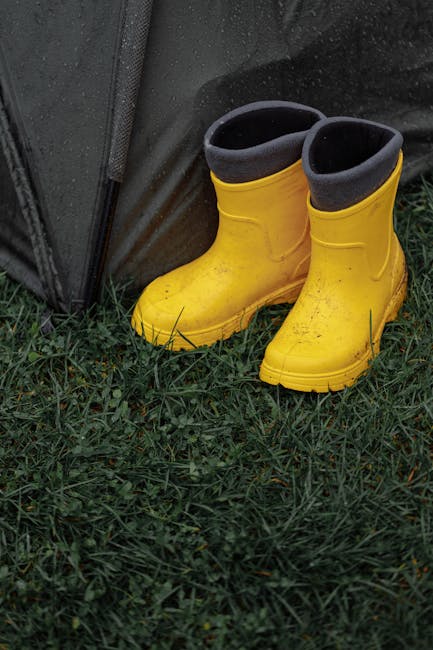
Have you ever woken up inside your tent only to find everything damp and uncomfortable? Moisture can quickly turn a great camping trip into a soggy nightmare.
But don’t worry—keeping moisture out of your tent is easier than you think. You’ll discover simple, practical tips that will help you stay dry and cozy, no matter the weather. Ready to make your camping experience more comfortable? Let’s dive in!

Credit: hot-tent.com
Choosing The Right Tent Fabric
Keeping moisture out of your tent starts with picking the right fabric. The fabric must block water but also let air flow. This helps you stay dry and comfortable inside.
Different fabrics offer various levels of water resistance and breathability. Knowing how each type works will help you choose the best tent for wet weather.
Water-resistant Materials
Water-resistant fabrics stop water from soaking through the tent walls. Common materials include polyester, nylon, and canvas. Each has its own strengths and weaknesses.
- Polyester:Holds color well and dries quickly.
- Nylon:Lightweight and strong but can stretch when wet.
- Canvas:Heavy but very durable and naturally water resistant.
Breathability Vs Waterproofing
Breathability lets moisture inside the tent escape. Waterproofing keeps rain out. A balance of both is important to reduce inside dampness from sweat and condensation.
| Feature | Effect |
| High Breathability | Reduces condensation inside tent |
| High Waterproofing | Keeps rain and moisture out |
| Low Breathability | May cause dampness inside |
| Low Waterproofing | Allows water to seep in |
Coatings And Treatments
Tent fabrics often get special coatings to improve water resistance. Common treatments include polyurethane (PU) and silicone. These add layers that block water.
- Polyurethane Coating:Affordable and waterproof but can wear off over time.
- Silicone Coating:Strong and flexible with better durability.
- DWR Treatment:Makes fabric water bead up and roll off.
Proper Tent Setup
Keeping moisture out of your tent starts with setting it up correctly. A dry tent means a more comfortable camping experience.
Focus on choosing the right location and using tools like groundsheets and tight setups. These steps help reduce dampness inside your tent.
Selecting A Dry Campsite
Pick a campsite that stays dry and drains water well. Avoid low areas where water collects after rain.
- Look for high ground or flat areas with good drainage
- Avoid spots near rivers or ponds
- Clear the area of wet leaves, moss, or debris
- Check the soil; sandy or rocky soil drains better than clay
Using A Groundsheet Effectively
A groundsheet adds a barrier between the wet ground and your tent floor. Use it to keep moisture from seeping in.
| Groundsheet Type | Benefits | Tips |
|---|---|---|
| Silicone-coated nylon | Lightweight and waterproof | Use exact tent floor size to avoid water pooling |
| Polyethylene tarp | Durable and cheap | Cut slightly smaller than tent base |
| Polyurethane sheet | Waterproof and easy to clean | Keep edges tucked under tent for best fit |
Ensuring Tent Tautness
Keep your tent fabric tight to stop moisture from gathering on the walls. Loose fabric traps humidity and causes dampness.
- Stake the tent corners firmly
- Tighten all guy lines evenly
- Adjust poles so the tent stands straight and smooth
- Check tension regularly during rain or wind
Sealing Tent Seams
Keeping moisture out of your tent is crucial for a comfortable camping experience. Sealing tent seams is a key step in preventing water leaks.
Understanding the types of sealants and the sealing process ensures your tent stays dry during your outdoor adventures.
Types Of Seam Sealants
Different seam sealants work best for various tent fabrics. It’s important to choose the right one for effective sealing.
- Silicone-based sealants for silicone-coated fabrics
- Polyurethane-based sealants for polyurethane-coated fabrics
- Water-based sealants for eco-friendly options
Step-by-step Sealing Process
Sealing tent seams is a straightforward process. Follow these steps to keep your tent dry.
- Set up your tent in a dry, well-ventilated area.
- Identify seams that need sealing.
- Apply the chosen sealant evenly on seams.
- Allow the sealant to dry completely before packing.
When To Reseal
Regular inspection of your tent seams is essential. Knowing when to reseal can prevent unexpected leaks during your camping trips.
| Condition | Action |
| Visible cracks | Reseal immediately |
| Annual camping | Check and reseal if needed |
| Frequent exposure to rain | Inspect regularly |

Credit: www.reddit.com
Managing Condensation Inside
Condensation inside a tent causes dampness and discomfort. It happens when warm air meets cold surfaces. Managing this moisture keeps your tent dry and cozy.
Several simple methods help reduce condensation. These include improving airflow, using moisture absorbers, and keeping wet gear outside the tent.
Ventilation Techniques
Ventilation lowers humidity inside your tent. It allows moist air to escape and fresh air to enter. Open vents and doors whenever possible to keep air moving.
- Use mesh panels on windows and doors to increase airflow.
- Open vents even during cold weather to reduce moisture buildup.
- Set up your tent facing the wind to improve natural ventilation.
- Keep the rainfly slightly raised to allow air to circulate underneath.
Using Moisture Absorbers
Moisture absorbers pull dampness from the air and surfaces inside your tent. They help reduce wetness and prevent mold growth. You can use natural or commercial products.
| Type | Description | Example |
|---|---|---|
| Natural | Materials that absorb moisture without chemicals | Charcoal bags, silica gel packets |
| Commercial | Products made specifically to absorb water vapor | Desiccant packs, moisture absorber tubs |
Avoiding Wet Gear Inside
Wet clothes and boots add moisture to your tent air. Store these items outside or in a separate waterproof bag. This keeps your tent dry and comfortable all night.
- Hang wet clothes on a line outside the tent.
- Use a vestibule area for wet boots and gear.
- Bring waterproof bags for storing damp items.
- Dry wet gear near a campfire or under sunlight before entering.
Additional Waterproofing Tips
Keeping moisture out of your tent makes camping more comfortable. Extra waterproofing helps your tent stay dry during rain or damp conditions.
These tips focus on ways to add and keep waterproof layers on your tent for longer use.
Applying Waterproof Sprays
Waterproof sprays add a protective layer to your tent fabric. Use these sprays to renew the tent’s water resistance after use.
Apply the spray evenly on dry fabric. Let it dry completely before packing your tent away.
- Choose sprays made for nylon or polyester tents
- Spray outdoors or in a well-ventilated area
- Test spray on a small area first
- Reapply spray every camping season or after heavy rains
Rainfly Usage And Maintenance
Use a rainfly to cover your tent and block rain from entering. Make sure it fits well and covers the entire tent roof.
Keep the rainfly clean and dry. Wash it gently and let it air dry before storing to keep its waterproof coating strong.
- Set up the rainfly taut to avoid water pooling
- Check for holes or tears before each trip
- Repair small holes with waterproof patches
- Store rainfly separately if it is wet to prevent mildew
Storing Tent To Preserve Waterproofing
Store your tent in a cool, dry place to keep its waterproofing intact. Avoid leaving it in a damp bag for long periods.
Loosely fold your tent instead of crushing it. This helps maintain the fabric and waterproof coatings.
- Air out your tent before packing
- Store in a breathable bag or container
- Keep away from direct sunlight to prevent damage
- Check tent for dampness and dry if needed
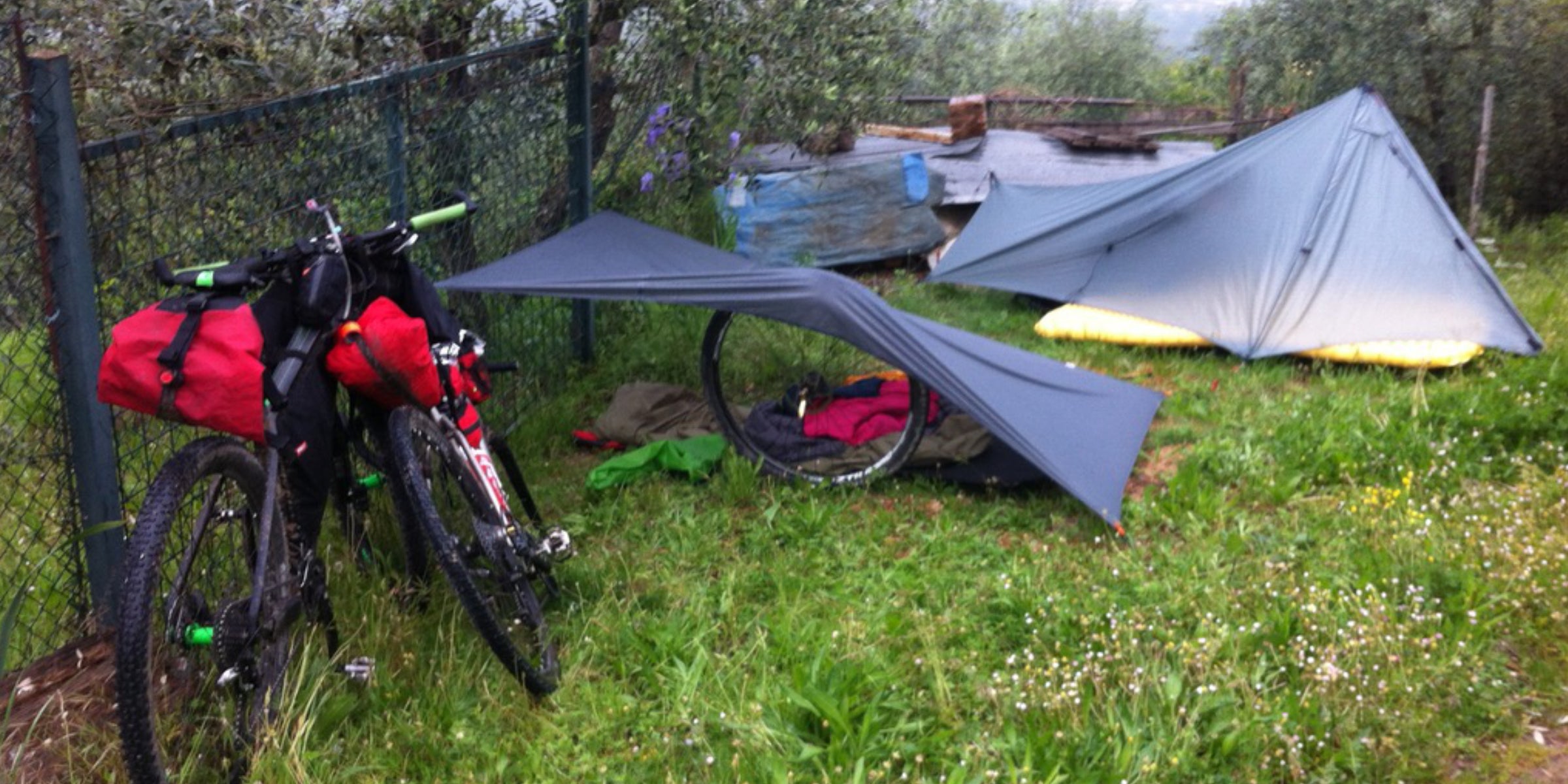
Credit: alpkit.com
Frequently Asked Questions
How Can I Prevent Moisture Buildup Inside A Tent?
To prevent moisture buildup, ensure proper ventilation by opening vents and windows. Use a footprint or tarp under the tent to keep ground moisture out. Avoid cooking or drying wet clothes inside the tent to reduce humidity.
What Is The Best Way To Dry A Tent After Rain?
After rain, set up your tent in a sunny, breezy spot to dry. Open all doors and windows for air circulation. Avoid packing a wet tent to prevent mold and mildew growth.
How Does Tent Placement Affect Moisture Levels?
Place your tent on higher, well-drained ground to avoid water pooling. Avoid low areas or depressions where moisture collects. Position your tent to catch natural breezes for ventilation.
Can Using A Tent Footprint Reduce Moisture Inside?
Yes, a tent footprint acts as a moisture barrier between the ground and tent floor. It prevents water seepage and protects the tent’s bottom from dampness and damage.
Conclusion
Keeping moisture out of your tent helps you stay dry and comfortable. Use a good ground tarp and keep the tent vents open. Wipe off any wet gear before bringing it inside. Choose a tent with waterproof fabric and sealed seams.
These simple steps protect your gear and improve your camping experience. Dry nights and cozy mornings await you. Enjoy your time outdoors without worrying about dampness. Stay prepared, stay dry, and have fun camping!