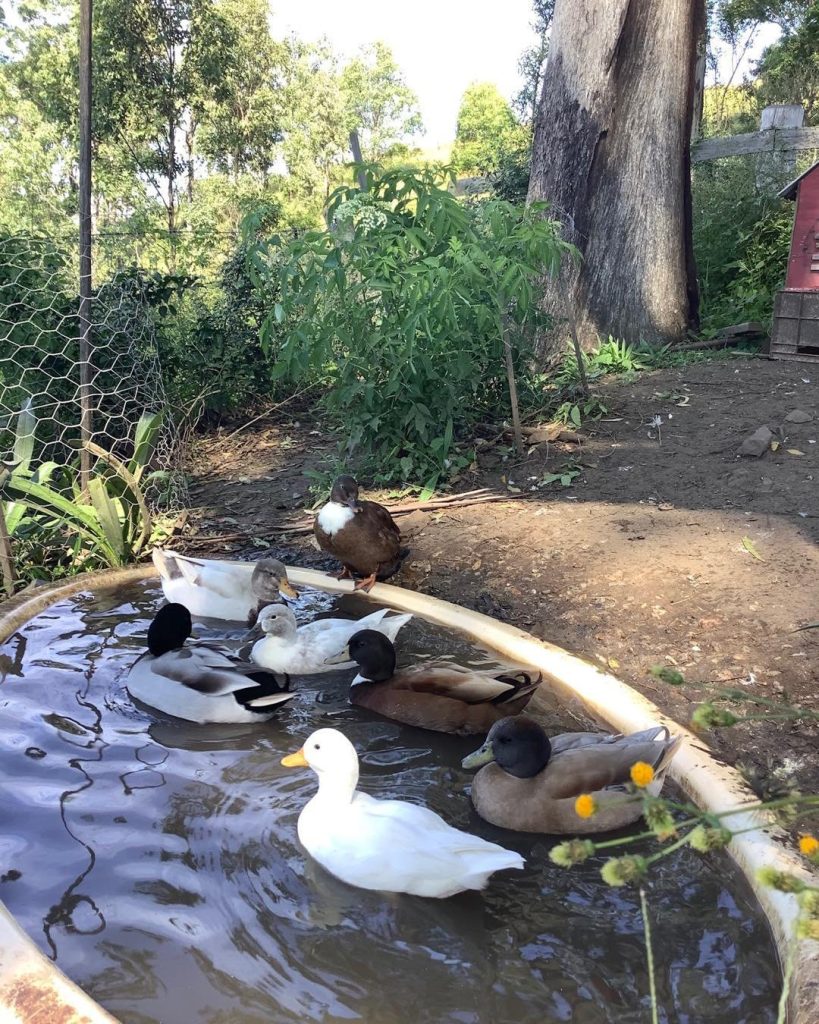
If you have ducks, you know how important it is to keep their pond safe and accessible during winter. When your pond freezes over, your ducks can’t swim or find fresh water easily.
This can cause stress and harm to your feathered friends. But don’t worry—you can stop your pond from freezing and keep your ducks happy and healthy all season long. You’ll discover simple, effective tips that anyone can follow to prevent ice buildup and protect your ducks through the cold months.
Keep reading to learn how to make your pond a safe haven, no matter how low the temperature drops.

Credit: www.tyrantfarms.com
Why Ponds Freeze In Winter
Ponds freeze in winter because water loses heat to the cold air. As temperatures drop, the surface water cools down. When water reaches 32°F (0°C), it begins to freeze. Ice forms on top, creating a solid layer. This happens because ice is less dense than liquid water, so it floats. The ice layer then insulates the water below, slowing further freezing.
Understanding why ponds freeze helps protect ducks during cold months. It also shows how aquatic life survives winter challenges.
Temperature Effects On Water
Water cools from the surface down. Cold air chills the top layer first. Water becomes denser as it cools to 39°F (4°C). Below this, water starts to expand and become lighter. Ice forms on the surface, creating a barrier. This ice prevents the whole pond from freezing solid. The water under the ice stays warmer and liquid.
Impact On Aquatic Life
Aquatic plants and animals need liquid water to survive. Ice on the surface limits sunlight and oxygen. Plants slow down growth or go dormant. Fish and small creatures find refuge in deeper water. They rely on oxygen trapped under the ice. If the ice layer is too thick, oxygen levels drop. This can harm or kill aquatic life.
Risks For Ducks
Ducks need open water for feeding and staying safe. Frozen ponds limit their access to food. Ice can trap ducks or make movement difficult. Lack of open water increases stress and energy use. Ducks may struggle to find safe spots to rest. Prolonged freezing can lead to health problems or death.
Choosing The Right Pond Location
Choosing the right location for your pond plays a big role in keeping it from freezing. The spot affects how much wind, sunlight, and natural warmth the pond gets. These factors help keep the water temperature stable for your ducks. A good location reduces ice buildup and keeps ducks safe and comfortable.
Shelter From Wind
Strong winds cool the pond quickly and cause freezing. Place the pond near trees or bushes to block cold winds. Natural barriers reduce heat loss and keep water warmer longer. A sheltered spot also protects ducks from harsh weather.
Sunlight Exposure
Sunlight warms the pond throughout the day. Choose a location with plenty of direct sunlight. Avoid shady areas under tall trees or buildings. More sun means less ice and warmer water for ducks to swim in.
Natural Insulation
Surround the pond with plants, mulch, or rocks. These materials act as natural insulation. They slow heat loss from the water and keep the pond warmer. Insulation also protects the pond edges from freezing quickly.
Using Pond Heaters And De-icers
Ponds can freeze solid during winter, making it hard for ducks to access water. Using pond heaters and de-icers helps keep water open and safe for ducks. These devices prevent ice from forming or break ice as it appears. They provide warmth just enough to keep the surface clear without heating the entire pond.
Types Of Pond Heaters
- De-icers:These float on water and keep a small area ice-free.
- Heated mats:Placed under the water, they stop ice from forming.
- Submersible heaters:Fully underwater heaters that warm the pond gently.
- Thermostat-controlled heaters:Turn on only when temperatures drop too low.
Safe Installation Tips
- Place heaters away from plants and pond edges.
- Use grounded outlets to avoid electrical hazards.
- Keep cords dry and use outdoor-rated extension cables.
- Check heaters often for damage or wear.
- Follow manufacturer instructions carefully for safe use.
Energy Efficiency Considerations
- Choose heaters with thermostats to save electricity.
- Use smaller de-icers focused on key water spots.
- Turn off heaters during warmer days to conserve power.
- Look for energy-efficient models with low wattage.
- Combine heaters with natural methods like pond covers to reduce use.

Credit: www.backyardchickens.com
Adding Aeration Systems
Adding aeration systems helps keep pond water moving during cold months. This movement stops the surface from freezing completely. Ducks need open water for drinking and swimming. Aeration also improves water quality and oxygen levels. It is a simple way to protect your pond and its wildlife in winter.
Benefits Of Aeration
Aeration prevents ice from forming over the whole pond. It creates small bubbles that rise to the surface. These bubbles keep water moving and stop ice from building up. This open water area helps ducks stay healthy and active. Aeration also increases oxygen in the water. Fish and plants survive better in oxygen-rich water. It reduces harmful gases that can build up under ice.
Choosing The Best Aerator
Select an aerator based on your pond size and depth. There are two main types:
- Surface aerators:Move water at the surface, good for shallow ponds.
- Diffused aerators:Release air bubbles from the bottom, work well for deeper ponds.
Choose an aerator with enough power to keep water moving in winter. Look for models made for cold climates. Quiet and energy-efficient aerators save money and reduce noise. Consider electric or solar-powered options.
Placement And Maintenance
Place the aerator away from pond edges. Center placement helps distribute air evenly. Avoid areas with heavy debris or plants. Check the aerator regularly in winter. Remove ice buildup around the device. Clean air stones or diffusers to keep bubbles flowing. Turn off the system if the pond freezes solid. Proper care ensures the aerator works well year after year.
Insulating The Pond
Keeping your pond insulated during winter is key to preventing it from freezing and ensuring your ducks have access to water. Insulation slows down heat loss and keeps the water temperature more stable. Let’s explore practical ways to insulate your pond effectively.
Using Floating Covers
Floating covers act like a blanket on the water surface, reducing heat loss and blocking cold winds. You can use commercial pond blankets or simple materials like floating balls made of foam or plastic.
These covers help maintain open water and prevent ice from forming too quickly. Have you tried floating covers before? Many pond owners notice a big difference in how long their ponds stay ice-free.
Natural Insulation Materials
Adding natural materials around your pond can boost insulation without extra cost. Straw bales, pine needles, or mulch placed near the pond edges create a barrier against cold air.
These materials trap heat and reduce wind exposure. Plus, they provide a soft area for ducks to rest and forage. Could using what’s already in your yard make winter care easier?
Winterizing Pond Edges
Edges are often the weakest point where cold seeps in quickly. You can winterize pond edges by adding rocks, logs, or thick vegetation to shield the water.
This helps block drafts and keeps the water warmer near the shore. Think about how natural ponds stay warmer in winter—mimicking those features can be a smart move for your setup.
Maintaining Water Quality In Winter
Maintaining water quality in winter is crucial for keeping your pond safe and comfortable for ducks. Cold temperatures can change the water’s condition quickly, affecting the health of your feathered friends. Taking simple steps to manage ice, debris, and oxygen can make a big difference in how well your pond supports ducks through the freezing months.
Preventing Ice Formation
Ice blocks access to water and can trap harmful gases beneath the surface. You can prevent ice by using a pond heater or floating de-icer designed for outdoor ponds. These devices keep a small area of water open, ensuring ducks have a spot to drink and swim safely.
Another option is to gently break the ice daily with a tool like a wooden paddle. Just be careful not to shock the ducks or damage the pond liner. Have you noticed how ducks circle around open water? They rely on that space, so keeping it clear is essential.
Managing Debris And Algae
Winter debris like leaves and dead plants can sink and pollute the water as they decompose. Removing this buildup before the freeze helps maintain cleaner water. You can use a pond net or rake to clear out debris regularly.
Algae might seem less active in cold weather, but it still affects water quality. If you spot slimy patches or green tint, consider adding beneficial bacteria that work in low temperatures. These bacteria help break down organic matter and keep algae growth in check.
Monitoring Oxygen Levels
Oxygen levels drop under ice, which stresses ducks and aquatic life. Aerators or fountains that run during winter can keep water moving and oxygenated. If you don’t have equipment, manually stirring the water near the open spots can help.
Keep an eye on your ducks’ behavior. Are they less active or staying close to open water? These signs can indicate low oxygen. Acting quickly to improve oxygen levels can prevent serious health problems for your pond’s inhabitants.
Providing Safe Areas For Ducks
Providing safe areas for ducks during winter helps them stay healthy and stress-free. Ducks need open water to swim and feed. Frozen ponds can trap them or cause injury. Creating safe zones on the pond is a smart way to protect your ducks. These areas keep water open and accessible for their daily needs.
Creating Open Water Spots
Open water spots allow ducks to swim and drink freely. Use a pond heater or aerator to keep parts of the water unfrozen. These devices create movement, stopping ice from forming. Make sure open water areas are large enough for several ducks to swim comfortably. Check the spots daily to ensure they stay clear of ice.
Using Floating Platforms
Floating platforms give ducks a dry place to rest near the water. They prevent ducks from standing on thin ice, which can be dangerous. Choose platforms made from safe, non-toxic materials. Place them in open water areas for easy access. Floating platforms also help ducks stay warm by keeping their feet off cold surfaces.
Ensuring Easy Access
Easy access to water helps ducks stay safe in freezing weather. Create gentle slopes or ramps from the shore to the water. Clear snow and ice from paths ducks use to reach open water. Avoid steep or slippery edges where ducks might get stuck or injured. Good access points reduce stress and keep ducks active during winter.

Credit: www.poposoapsolar.com
Additional Winter Care Tips
Keeping your pond safe from freezing is just one part of caring for ducks in winter. Extra steps help ducks stay healthy and comfortable during cold months. These tips focus on feeding, monitoring, and handling tough weather conditions.
Feeding Ducks In Cold Weather
Ducks need more energy to stay warm in winter. Offer high-energy foods like cracked corn or oats. Avoid bread, as it lacks nutrients and can harm ducks. Feed small amounts multiple times a day. Fresh water should always be nearby for drinking.
Regular Pond Inspections
Check the pond often for ice buildup or thin spots. Remove ice carefully to keep some water open. Clear away debris that may block water flow. Look for signs of stress or illness in ducks. Early attention prevents bigger problems later.
Emergency Measures During Extreme Cold
Prepare for sudden freezes with backup plans. Use pond heaters or floating de-icers to keep water from freezing solid. Create shelter areas near the pond to protect ducks from wind and snow. Always have extra food and fresh water ready. Quick action saves lives during harsh weather.
Frequently Asked Questions
How Can I Prevent My Pond From Freezing In Winter?
To prevent your pond from freezing, use a pond heater or de-icer. These devices keep water moving and prevent ice formation, ensuring ducks have access to water.
What Is The Best Way To Keep Water Moving In A Pond?
A submersible pump or aerator helps circulate water. Moving water resists freezing and promotes oxygen exchange, keeping the pond safe for ducks during cold weather.
Are Pond Heaters Safe For Ducks And Wildlife?
Yes, pond heaters designed for outdoor use are safe for ducks. They maintain open water areas without harming the animals or disrupting the pond ecosystem.
How Does Adding Salt Affect Pond Freezing?
Adding salt lowers the freezing point of water but can harm ducks and plants. It is not recommended for ponds with wildlife due to toxicity concerns.
Conclusion
Keeping your pond from freezing ensures ducks stay safe and happy. Try using a pond heater or aerator to maintain water movement. Floating de-icers can help keep a section of the pond ice-free. Regularly check the pond’s surface to prevent full freezing.
Ducks need open water for feeding and swimming. These steps provide them a suitable winter habitat. Ensure you monitor weather changes closely. Quick actions can prevent problems. Consistent care makes a big difference. Your efforts help create a welcoming environment for your feathered friends.