Imagine waking up on a crisp winter morning, eager to enjoy the serene beauty of your backyard pond, only to find it completely frozen over. As a pond owner, you know the frustration of seeing your carefully curated aquatic habitat trapped beneath a sheet of ice.
Keeping your pond from freezing is not just about preserving its beauty; it’s about ensuring the health and wellbeing of the ecosystem you’ve worked so hard to cultivate. But how can you prevent this icy takeover? You’re in the right place.
In this guide, you’ll discover simple yet effective strategies to keep your pond ice-free during the cold months. From ingenious devices to natural methods, we’ll cover everything you need to know. Stick around, because mastering these techniques will save you time and effort while enhancing the vitality of your pond all winter long. Get ready to transform your winter pond maintenance routine into a breeze.

Credit: www.poposoapsolar.com
Causes Of Pond Freezing
Understanding why your pond freezes is the first step to keeping it ice-free. Several factors contribute to the formation of ice on your pond’s surface. Let’s break down the main causes so you can better protect your aquatic environment.
Temperature And Weather Impact
Cold temperatures are the most obvious cause of pond freezing. When the air temperature drops below 32°F (0°C), the water surface begins to solidify. However, it’s not just the temperature; the duration of cold spells plays a big role.
Rapid temperature drops overnight can surprise you with thick ice in the morning. Wind chill also affects how quickly the water loses heat. Have you noticed how calm, clear nights make ponds freeze faster than windy or cloudy ones?
Water Movement And Ice Formation
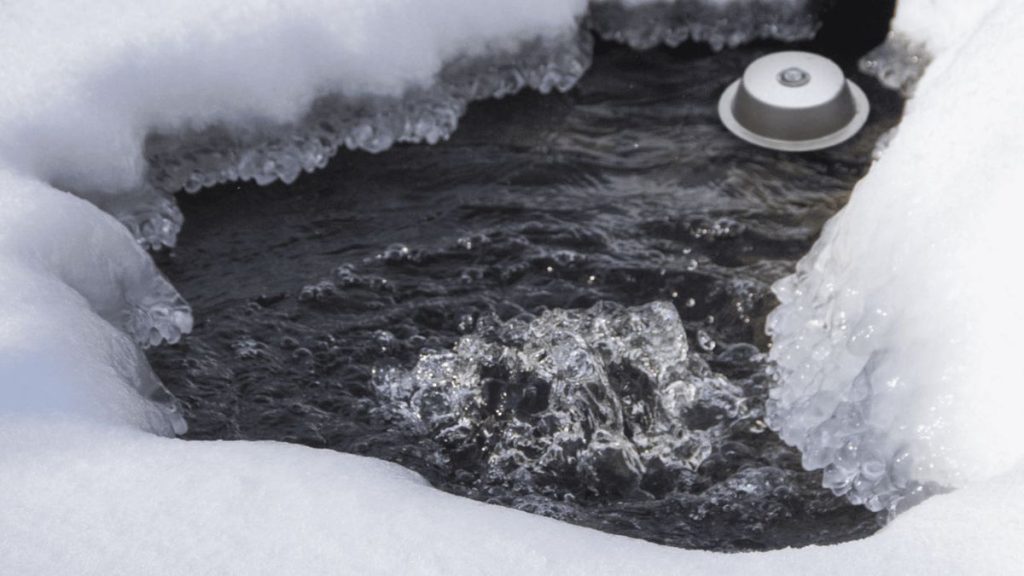
Still water freezes faster than moving water. If your pond has a fountain, waterfall, or aerator, the constant movement disrupts ice formation. This is why adding a simple pump or aerator can delay freezing significantly.
Without movement, the surface water cools and freezes quickly, forming a solid ice layer. Even partial circulation can create weak spots in the ice, keeping some areas open. Think about how rivers rarely freeze completely because of their flow—your pond behaves similarly.
Effects Of Freezing On Pond Life
Freezing temperatures bring major challenges to pond ecosystems. Ice formation changes the environment that fish and plants rely on. Understanding these effects helps you protect your pond life during harsh winters.
Impact On Fish And Plants
When a pond freezes, fish face limited movement and restricted access to food. Ice blocks sunlight, slowing down photosynthesis in aquatic plants. This reduction affects the whole pond’s food chain.
Fish like koi and goldfish can survive under ice if the water stays oxygenated. However, sudden freezing or thick ice can trap gases and harm them. Have you ever noticed fish staying very still during winter? That’s their way of conserving energy.
Plants under the ice enter a dormant state. Some types die back completely but leave roots intact for spring regrowth. Others, like hardy pond weeds, survive beneath the frozen surface, ready to bounce back.
Oxygen Levels During Winter
Ice cover drastically reduces oxygen exchange between air and water. Oxygen production from plants also drops due to lack of light. This creates a risk of oxygen depletion, which can suffocate fish.
Snow on top of ice makes things worse by blocking sunlight further. You might notice fish gulping at holes in the ice—that’s a sign they need more oxygen. It’s crucial to keep some open water or use aerators to maintain healthy oxygen levels.
Have you tried placing a floating de-icer or bubbler in your pond? These tools help keep areas ice-free and oxygen flowing. Ignoring oxygen needs can lead to a sudden fish die-off, which is heartbreaking and preventable.
Preventing Ice Formation
Keeping your pond from freezing over is crucial to maintaining a healthy environment for fish and aquatic plants during winter. Preventing ice formation not only protects wildlife but also ensures that the water stays oxygenated. Let’s look at some practical ways to stop ice from forming on your pond’s surface.
Using Pond Heaters And De-icers
Pond heaters and de-icers are designed to keep a small area of your pond’s surface from freezing. They work by gently warming the water, creating an opening in the ice where oxygen can enter.
When choosing a heater, consider the size of your pond and the typical winter temperatures you face. A small floating de-icer can be enough for ponds under 500 gallons, while larger ponds might need a more powerful heater.
Make sure to place the heater where water tends to freeze first, such as near the pond’s edge or where the water is shallow. You’ll find it’s easier to maintain a hole in the ice than to break it regularly yourself.
Aeration And Water Circulation Techniques
Aeration systems help prevent ice by moving the water and adding oxygen. Air pumps connected to diffusers release bubbles that rise to the surface, keeping the water in motion and stopping ice from forming.
Another option is a water circulator or fountain that keeps the surface water moving. This circulation prevents stagnant spots where ice can easily develop.
In my own experience, adding a small aerator transformed my pond’s winter health. Not only did it prevent freezing, but the fish seemed more active too. What’s your current approach to water movement during winter?
Natural Methods To Keep Pond Open
Keeping your pond from freezing naturally can protect the delicate ecosystem within without relying on electric heaters or chemicals. Natural methods work by using the pond’s own features and surrounding environment to maintain open water. These strategies not only prevent ice but also support pond health and wildlife during cold months.
Adding Aquatic Plants
Aquatic plants act as natural insulators for your pond. They create a layer that helps reduce heat loss and slows the freezing process. Plants like water lilies and cattails provide shade and trap heat under their leaves, keeping water warmer.
Besides temperature control, these plants improve water quality by absorbing excess nutrients. This reduces algae growth, which can be a problem when water freezes. Have you noticed how ponds with more plants often stay clearer and healthier through winter?
Try adding hardy plants that survive cold climates. Submerged plants like hornwort or anacharis are great options. Their presence creates movement and oxygenates the water, which also helps prevent ice buildup.
Using Dark Liners To Absorb Heat
Choosing a dark-colored pond liner can make a surprising difference in heat absorption. Dark surfaces soak up sunlight during the day and release warmth slowly at night. This simple trick helps maintain slightly warmer water temperatures.
Black or deep green liners are best for this purpose. They increase the pond’s ability to hold heat naturally, reducing the chance of ice forming on the surface. Have you ever felt how much warmer a dark rock feels compared to a light one in the sun?
Installing a dark liner is an easy step if you are building or renovating your pond. Even if your pond already has a light liner, placing dark stones or mulch around the edges can help absorb heat. This method works quietly and efficiently without extra energy costs.
Maintenance Tips For Winter Care
Proper maintenance is vital to keep a pond healthy during winter. Cold weather brings challenges like ice buildup and poor water quality. Regular care helps protect fish and plants under the ice. Focus on simple tasks that prevent damage and support a balanced ecosystem.
Removing Debris And Snow
Clear fallen leaves, twigs, and other debris from the pond surface often. Debris can rot and release harmful gases under the ice. Gently remove snow from any pond heaters or aerators. Snow blocks sunlight and reduces oxygen levels in the water. Use a soft broom or net to avoid disturbing the pond bottom.
Monitoring Water Quality
Check water temperature and oxygen levels regularly. Cold water holds more oxygen but ice can trap gases below. Test pH and ammonia levels to spot potential problems early. Avoid adding fish food if the water temperature drops below 50°F. Less feeding reduces waste and keeps water cleaner. Keep an opening in the ice for gas exchange using a pond aerator or heater.

Credit: www.poposoapsolar.com
Safety Tips When Managing Frozen Ponds
Managing a frozen pond requires careful attention to safety. Ice can be unpredictable and dangerous. Understanding risks and using the right methods keeps you and others safe. Follow clear safety tips to prevent accidents around frozen water.
Avoiding Unsafe Ice
Never walk on thin or unclear ice. Ice thickness varies across the pond. Stay away from areas with cracks or open water. Use a stick to check ice strength before stepping. Always assume ice is unsafe until proven otherwise. Keep children and pets far from the pond edge. Warn others about the dangers of walking on frozen ponds.
Proper Use Of Equipment
Use pond heaters or aerators carefully to keep holes open. Place equipment on stable ground to avoid slipping. Follow manufacturer instructions for all devices. Wear warm, non-slip boots when working near ice. Avoid using sharp tools that can damage the pond liner. Keep a rope or life-saving gear nearby for emergencies. Never leave equipment unattended on the ice.

Credit: www.pond-planet.co.uk
Frequently Asked Questions
How Can I Prevent My Pond From Freezing In Winter?
Use a pond heater or de-icer to keep water temperature above freezing. Aerate the pond to maintain oxygen flow and prevent ice buildup.
What Are The Best Tools To Keep A Pond Ice-free?
Pond heaters, floating de-icers, and aerators are effective tools. They maintain water movement and temperature, reducing the risk of freezing.
Does Adding Salt Help Stop Pond Water From Freezing?
Adding small amounts of salt can lower freezing point slightly but may harm fish and plants. Use safer methods like heaters instead.
How Does Pond Depth Affect Freezing Risk?
Deeper ponds freeze less because water below stays warmer. Aim for at least 18 inches depth to reduce freezing chances.
Conclusion
Keeping your pond from freezing protects fish and plants all winter long. Simple steps like using a pond heater or aerator keep water moving. Covering part of the pond helps sunlight warm the water. Regular checks stop ice from getting too thick or dangerous.
These easy tips create a safe home for your pond life. Stay prepared and enjoy a healthy pond even in cold months. Small actions make a big difference for your pond’s winter care.