
Imagine waking up to a burst pipe in your RV, turning your cozy camping trip into a stressful mess. Freezing pipes can ruin your adventure and cost you a lot in repairs.
But what if you could easily prevent this problem before it starts? You’ll discover simple, effective ways to keep your RV pipes from freezing, no matter how cold it gets outside. Keep reading to protect your RV and enjoy your camping trip without worry.
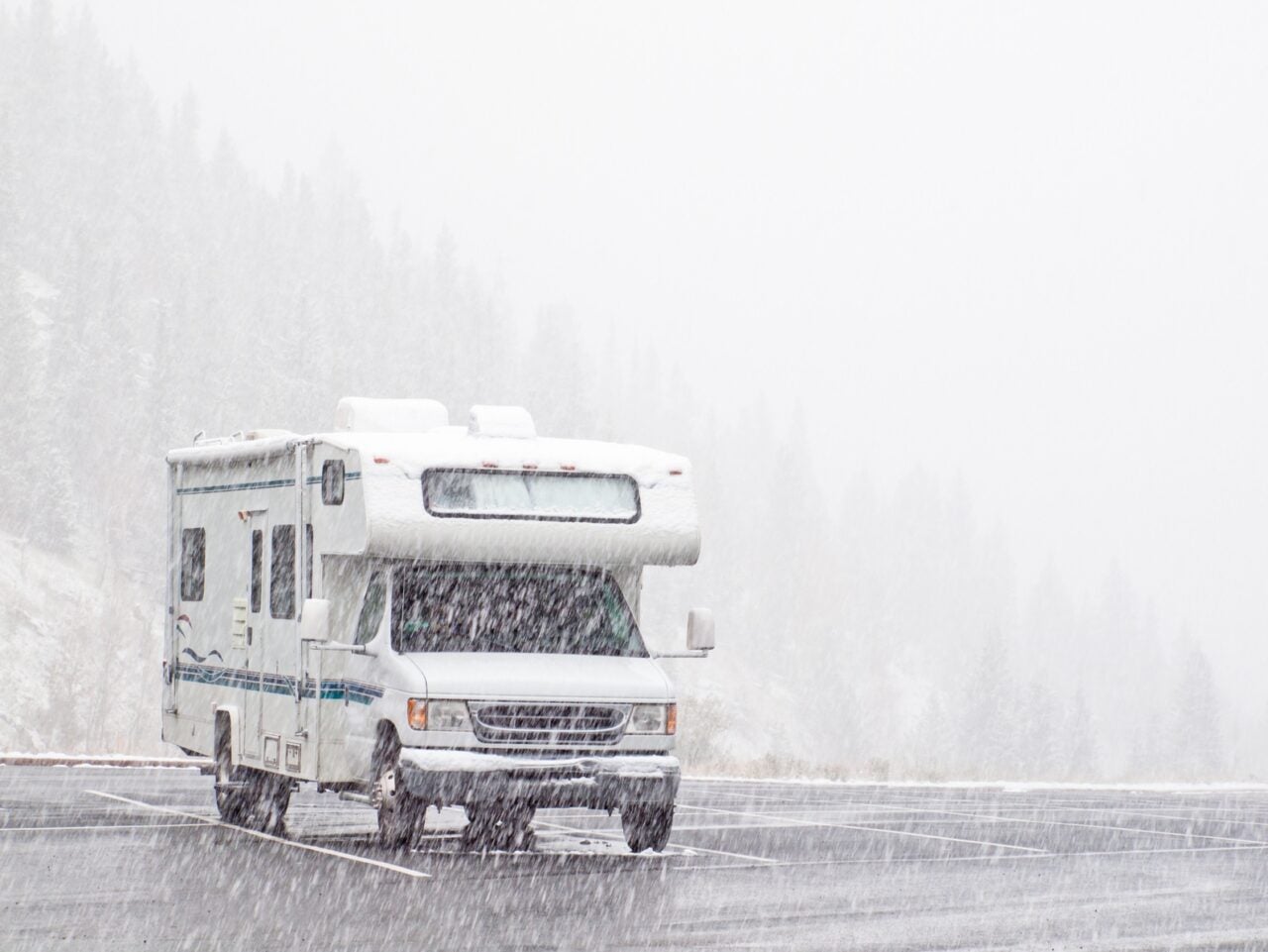
Credit: acera.ca
Causes Of Rv Pipe Freezing
Understanding what causes your RV pipes to freeze can help you prevent costly damage and uncomfortable situations while camping in cold weather. Pipes freeze when water inside them turns to ice, expanding and potentially causing cracks or bursts. Identifying the main risks and vulnerable areas is key to keeping your plumbing safe and functional.
Common Cold Weather Risks
Low temperatures are the biggest threat to your RV’s plumbing. When the mercury drops below freezing, any water left in the pipes can solidify quickly.
Wind chill can make matters worse by stripping away heat from exposed pipes. Even if the air temperature is just above freezing, strong winds can accelerate pipe freezing.
Sudden temperature drops overnight catch many RVers off guard. A warm day followed by a cold night is a perfect recipe for frozen pipes.
- Are you checking the weather forecast regularly before and during your trip?
- Do you keep your RV heated consistently, especially during freezing nights?
Vulnerable Pipe Areas
Not all pipes in your RV face the same risk. Some spots are more exposed and therefore freeze faster.
Underbelly pipes are often the most vulnerable because they are close to the ground, where temperatures drop sharply. Lack of insulation here is a common culprit.
Water lines near windows, doors, and vents also face freezing risks since these areas have drafts and less heat retention.
Outdoor faucets and hoses can freeze quickly if left untreated or unprotected. Even inside pipes near exterior walls can be problematic.
| Vulnerable Area | Why It’s at Risk |
|---|---|
| Underbelly pipes | Close to cold ground and often poorly insulated |
| Near windows and doors | Exposed to drafts and cooler air |
| Outdoor faucets | Direct exposure to cold weather |
| Exterior wall pipes | Less heat protection from inside the RV |
Have you inspected these areas on your RV to see if they need extra protection? Sometimes a simple blanket of insulation or a heat tape can make a big difference.

Credit: www.stresslesscamping.com
Preventive Measures Before Camping
Preventing RV pipes from freezing starts before the trip. Taking simple steps can save you from costly repairs and discomfort. Proper preparation keeps your water lines safe and flowing during cold nights.
Insulation Techniques
Wrap pipes with foam sleeves or fiberglass insulation. Focus on exposed pipes under the RV and inside cabinets. Use weatherproof materials to protect against moisture. Covering pipes reduces heat loss and stops freezing.
Using Heat Tape
Apply electric heat tape along the length of vulnerable pipes. Heat tape warms pipes just enough to prevent ice buildup. Choose heat tape with an automatic thermostat for safety. Follow the manufacturer’s instructions carefully when installing.
Sealing Drafts And Gaps
Check for gaps around pipes and vents inside your RV. Use weather stripping or caulk to seal these openings. Sealing stops cold air from reaching the pipes. This simple step helps maintain warmth inside your RV compartments.
On-site Strategies To Protect Pipes
Protecting your RV pipes from freezing while camping requires smart, on-site actions that fit your environment and routine. You don’t need fancy tools—just practical steps you can take as temperatures drop. These strategies help you avoid costly repairs and uncomfortable surprises during your trip.
Maintaining Interior Heat
Keeping your RV warm inside is your first line of defense against frozen pipes. Even a small drop in temperature can cause water in the pipes to freeze, so keep your heater running on a low setting overnight.
Try closing cabinet doors under sinks to trap heat around the pipes. Adding foam pipe insulation inside cabinets can make a big difference too.
Have you checked if your RV’s thermostat is accurate? Sometimes a faulty thermostat can cause your heater to turn off prematurely, risking frozen pipes.
Using Heated Water Hoses
Heated water hoses are a game changer for anyone camping in freezing weather. They prevent the water in your hose from freezing before it even enters your RV.
Look for hoses with built-in heating elements and thermostat controls. They consume low power and can be plugged into your RV’s electrical system or a portable power source.
Make sure to also insulate the hose connections with foam or specialized covers to stop cold air from sneaking in.
Draining And Winterizing Systems
If you expect extremely low temperatures, draining your water system can save you from a major headache. Empty fresh water tanks, water heaters, and all water lines to prevent any leftover water from freezing.
Use non-toxic RV antifreeze in the drains and traps to keep pipes clear and odor-free. This is especially important if you plan to leave your RV unattended for a while.
Have you tried using a low-pressure air compressor to blow out water from your pipes? It’s a quick way to remove water without disassembling your system.
Emergency Solutions For Frozen Pipes
Frozen RV pipes can turn a fun camping trip into a stressful situation quickly. Knowing how to act fast with emergency solutions can save your plumbing and your trip. Let’s look at practical ways to handle frozen pipes and prevent permanent damage.
Thawing Frozen Pipes Safely
Thawing pipes requires patience and care to avoid bursts. Start by opening the faucet connected to the frozen pipe to relieve pressure as ice melts.
Use a hairdryer or heating pad to warm the pipe gradually. Keep the heat source moving and never use an open flame—it’s dangerous and can damage your RV.
If the frozen section is inaccessible, try wrapping warm towels around the pipe. Replace towels frequently to keep heat consistent.
Have you ever noticed how quickly a hairdryer can do the job compared to waiting for natural thawing? This simple tool often prevents costly repairs.
Detecting Early Signs Of Freezing
Catching frozen pipes early means less hassle and less damage. Watch for slow water flow or strange noises like banging or gurgling in your plumbing.
Check for unusually cold spots on your pipes by touch. If a pipe feels icy or frost-covered, it’s time to act.
Pay attention to your RV’s water heater—it may struggle or fail to heat properly if pipes are freezing.
Do you check your pipes regularly during cold nights? A little vigilance can prevent frozen pipes from becoming a full-blown emergency.
Recommended Tools And Products
Keeping RV pipes from freezing requires the right tools and products. Proper insulation and heating devices protect pipes from cold temperatures. Using effective materials helps maintain water flow and avoids costly repairs. Choose products designed for outdoor and RV use to ensure durability and safety.
Best Insulation Materials
- Foam Pipe Insulation:Lightweight and easy to install, it fits snugly around pipes.
- Heat Tape with Insulation:Combines warmth and protection, perfect for very cold conditions.
- Reflective Foil Wrap:Reflects heat back to pipes, reducing heat loss.
- Fiberglass Pipe Wrap:Durable and moisture resistant, great for long-term use.
- Pipe Sleeves:Made from rubber or foam, these sleeves prevent freezing effectively.
Top Heating Devices For Rv Pipes
- Electric Heat Tape:Plug in to warm pipes and prevent ice buildup.
- 12V Pipe Heating Cables:Use RV battery power to keep pipes warm on the go.
- Portable Space Heaters:Place near plumbing areas to raise ambient temperature.
- Heated Water Hose:Connects to your water source, stopping freezing outside the RV.
- Thermostat-Controlled Heating Pads:Automatically switch on at low temperatures for energy savings.

Credit: www.jackery.com
Tips From Rv Camping Experts
Keeping your RV pipes from freezing while camping is a challenge many face as temperatures drop. Experts who spend countless nights on the road have honed simple, effective strategies to protect your plumbing. Their tips focus on routine care and smart preparation that anyone can apply to avoid costly repairs and cold surprises.
Routine Maintenance Habits
Experts stress the importance of checking your RV’s pipes regularly, even when you’re not camping in cold weather. Small leaks or cracks can worsen in freezing conditions, so tighten fittings and replace worn-out seals promptly.
Insulating exposed pipes with foam sleeves or heat tape is a habit seasoned campers swear by. It’s a quick fix that keeps your water flowing smoothly without much hassle.
- Drain water from your pipes after each trip to prevent leftover water from freezing.
- Run your faucets slightly during cold nights to keep water moving and reduce freezing risk.
- Keep cabinet doors open around plumbing areas to allow warmer air circulation inside your RV.
Have you ever noticed how a small drip can save your pipes? A little movement in the water prevents ice from forming solid blocks, which might be the easiest trick to remember on cold nights.
Seasonal Preparation Advice
Before the cold season hits, RV pros recommend a thorough winterization process. This includes flushing out your water system and adding non-toxic antifreeze to the pipes to shield them from freezing.
Installing a heated water hose or using an insulated cover over your external connections can make a big difference. These tools keep your water supply active and prevent freezing right where the water enters your RV.
| Preparation Task | Why It Matters | Expert Tip |
|---|---|---|
| Winterize water system | Prevents ice damage inside pipes | Use RV-specific antifreeze, not automotive type |
| Insulate external pipes | Keeps water lines from freezing | Wrap pipes with foam sleeves and heat tape |
| Use heated hose | Maintains water flow in freezing temps | Choose a hose rated for your local temperature lows |
Think about where you camp most often. Does your location experience sudden temperature drops? Preparing your RV with these expert tips tailored to your environment can save you from unexpected headaches.
Frequently Asked Questions
How Can I Prevent Rv Pipes From Freezing In Cold Weather?
Insulate your RV pipes with foam sleeves or heat tape. Keep the interior warm and circulate water regularly. Use RV antifreeze in plumbing systems when camping in freezing conditions to avoid pipe damage.
What Materials Are Best For Insulating Rv Pipes?
Foam pipe insulation and heat tape are ideal for RV pipes. These materials provide excellent thermal protection and are easy to install. Using reflective insulation can also help retain heat around pipes during cold weather.
Is It Safe To Use Heat Tape On Rv Pipes?
Yes, heat tape is safe if installed correctly. Follow manufacturer instructions and avoid overlapping tape. Ensure electrical connections stay dry to prevent hazards. Heat tape effectively prevents freezing by maintaining pipe temperature.
Can I Use Rv Antifreeze To Protect Water Pipes?
Yes, RV antifreeze is specifically designed for plumbing protection. It prevents water inside pipes from freezing and causing damage. Use non-toxic, propylene glycol-based antifreeze for safe and effective protection during winter camping.
Conclusion
Keeping RV pipes from freezing is vital for a smooth camping trip. Use insulation and heat tape to protect your pipes. Consider a heated water hose for extra safety. Remember to drain pipes when not in use. Use these tips to enjoy winter camping without worries.
Stay prepared and keep your RV in top shape. Protect your pipes and enjoy the great outdoors. With a little care, your RV will be ready for any adventure. Happy camping!