When you’re adventuring in your RV during cold weather, one of your top priorities is making sure your water doesn’t freeze. Imagine waking up to frozen pipes and no running water—it could put a real damper on your travel plans.
You want to enjoy the crisp winter air and scenic views without worrying about your water supply. But how can you ensure your RV water stays liquid, even when temperatures drop? By following some simple yet effective strategies, you can keep your water flowing and your adventures worry-free.
In this guide, you’ll discover practical tips to protect your RV’s water system from freezing, letting you focus on the joy of the journey rather than potential pitfalls. Let’s dive in and ensure your trip remains smooth and uninterrupted.
Preventing Frozen Water In Your Rv
Keeping your RV’s water system from freezing is key during cold weather. Frozen water can cause pipes to burst and lead to costly repairs. Taking steps to prevent freezing protects your RV and keeps water flowing smoothly. Simple measures can make a big difference in harsh temperatures.
Insulate Water Lines
Insulating water lines helps keep water warm and prevents freezing. Use foam pipe insulation sleeves designed for outdoor pipes. Wrap insulation tightly around exposed pipes and secure with tape. Cover any joints or bends, as these spots freeze faster. Insulation reduces heat loss and keeps water moving freely.
Use Heat Tape
Heat tape provides gentle warmth to water lines during cold weather. It plugs into an electrical outlet and wraps around pipes. Choose heat tape with a built-in thermostat for safety and efficiency. Follow manufacturer instructions carefully to avoid overheating. Heat tape is effective for preventing ice buildup in critical areas.
Apply Skirting Around Rv Base
Skirting acts as a barrier against cold air under your RV. It traps warm air and reduces drafts near water lines and tanks. Use materials like vinyl or foam boards for easy installation. Ensure skirting covers the entire base and leaves room for ventilation. Skirting creates a warmer environment that protects plumbing from freezing.
Credit: www.happycampers.store
Draining And Winterizing Water Systems
Draining and winterizing your RV’s water system is vital for cold weather. Water left inside pipes and tanks can freeze and cause damage. Properly preparing your system prevents costly repairs and keeps everything ready for spring use.
Emptying water from tanks and pipes removes the risk of ice expansion. Using RV antifreeze protects the plumbing by stopping any leftover water from freezing. Winterizing ensures a safe and smooth winter storage for your RV.
Drain Freshwater Tanks
Start by draining the freshwater tank completely. Open all faucets and drain valves to release water. Use the drain plug or valve at the tank’s bottom. Let gravity do the work until no water flows out. Check the tank for any remaining water and empty it fully.
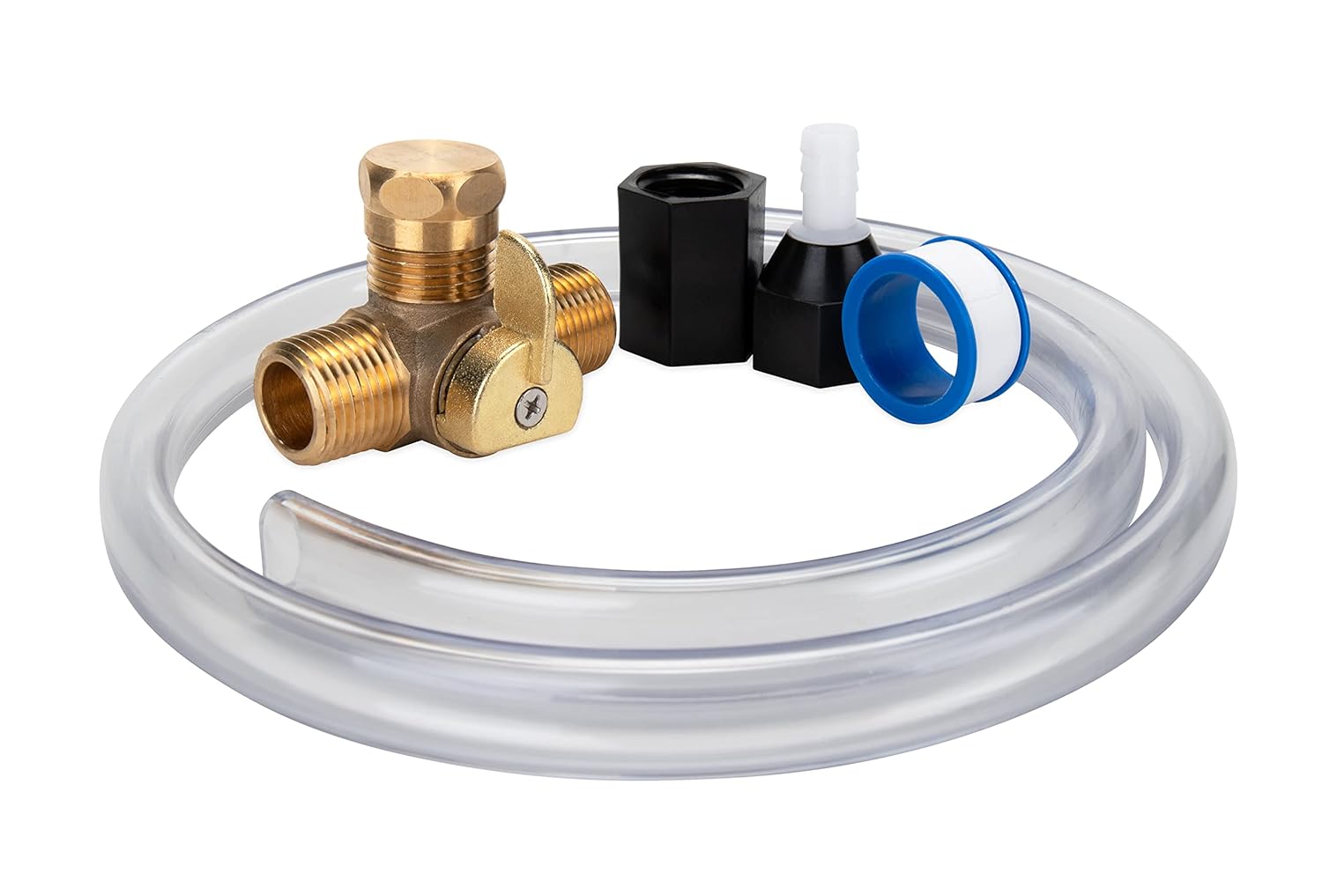
Bypass Water Heater
Install a water heater bypass kit to avoid filling the heater with antifreeze. Bypassing saves antifreeze and prevents damage to the heater. Close the inlet and outlet valves on the heater. Connect the bypass lines according to the kit instructions. This step keeps antifreeze only in the pipes and tanks.
Use Rv Antifreeze
Use non-toxic RV antifreeze to protect the water system. Pour antifreeze into the freshwater tank or use a hand pump to push it through the pipes. Open each faucet until pink antifreeze flows out. Don’t forget to flush toilets and drain traps. This ensures all water lines are safe from freezing.
Maintaining Water Flow In Cold Weather
Keeping your RV’s water flowing smoothly during cold weather is essential to avoid frozen pipes and wasted water. Maintaining water flow prevents ice buildup that can damage your plumbing system. Simple actions can make a big difference when temperatures drop below freezing.
Keep Faucets Dripping
Letting your faucets drip slightly is a small step that prevents water from sitting still and freezing inside pipes. Even a slow drip keeps water moving, reducing the chance of ice forming. You might hesitate to waste water, but a continuous drip uses less water than thawing frozen pipes or repairing burst lines.
Have you ever noticed your pipes freezing overnight when you forgot to leave a tap open? That’s a clear sign this technique really works.
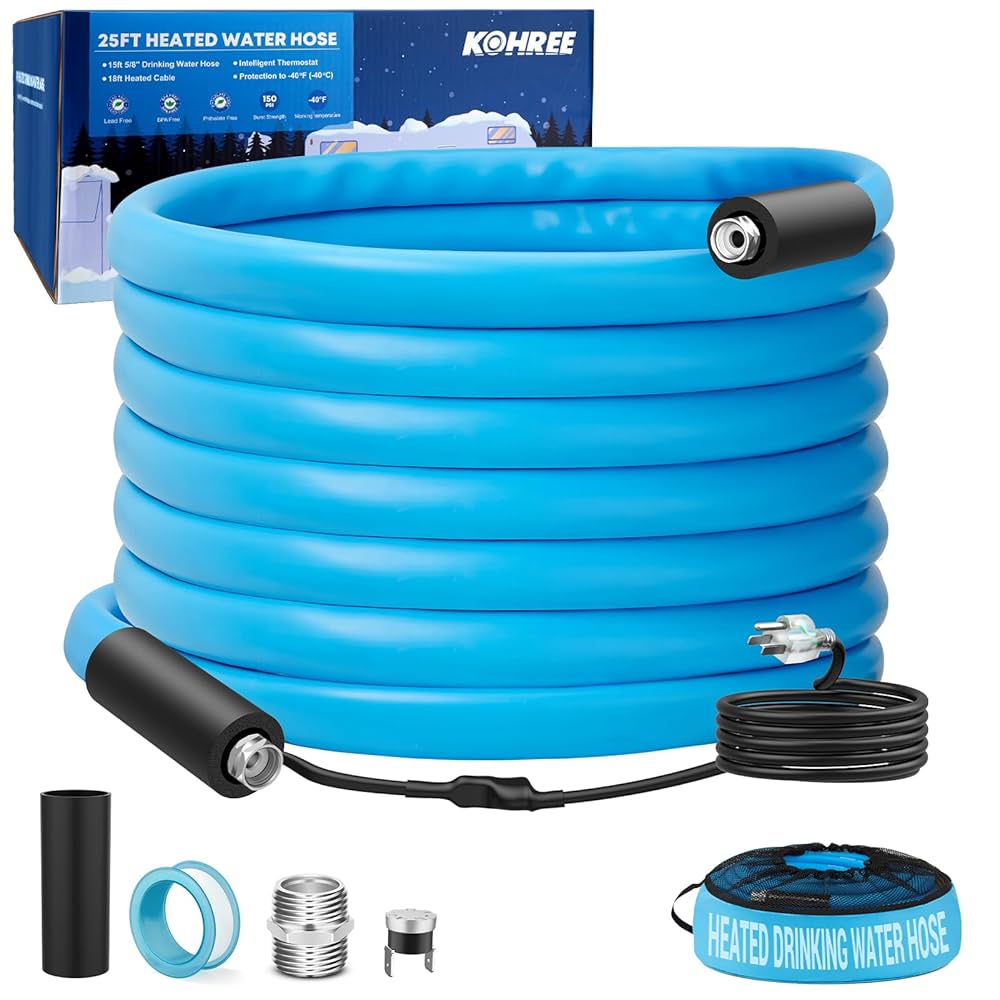
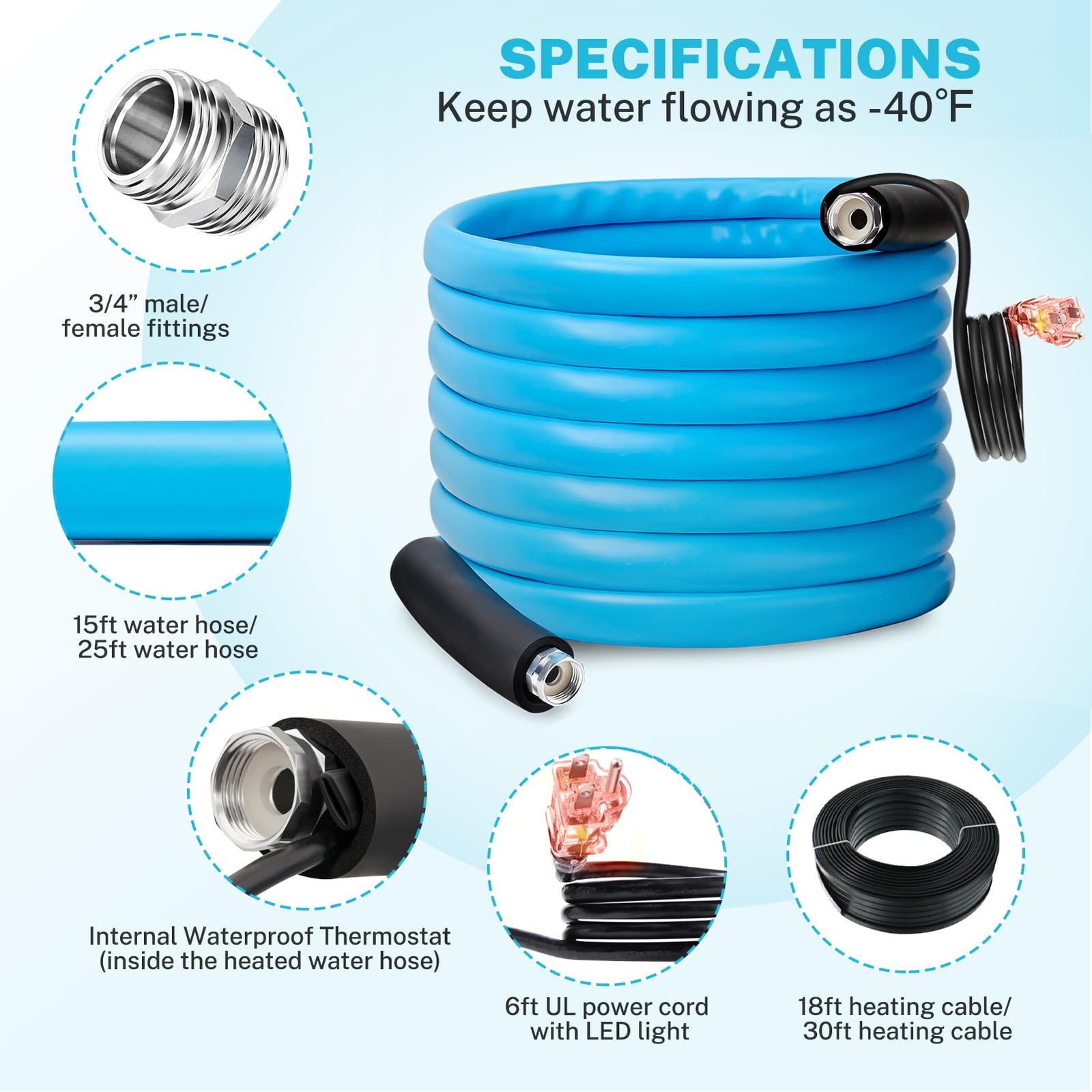
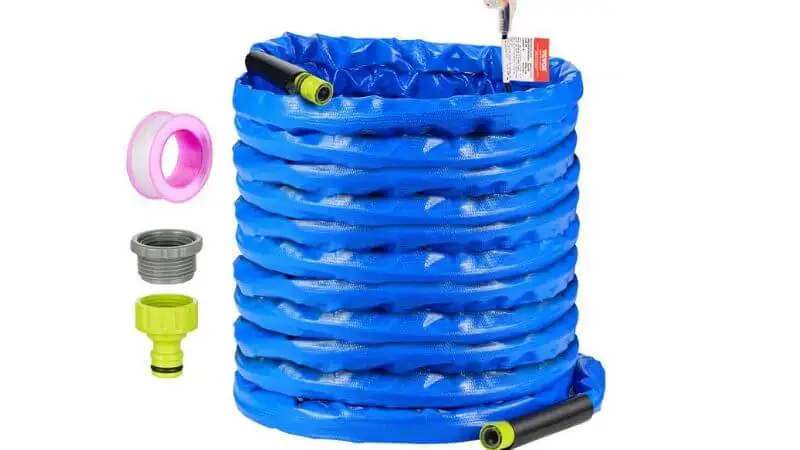
Use Heated Water Hoses
Heated water hoses are designed to keep water flowing freely by warming the hose itself. They are especially useful if you hook up to an external water source in freezing weather. These hoses plug into a power outlet and keep water above freezing temperature.
Make sure to choose a hose with built-in thermostats that turn the heat on and off as needed. This saves energy and prevents overheating your water supply.
Install Heated Water Tank Pads
Heated pads placed under your RV’s water tanks provide direct warmth to prevent freezing. These pads are easy to install and run on your RV’s electrical system. They maintain a steady temperature around the tanks, which is crucial when outside temperatures drop significantly.
Consider investing in pads with adjustable settings so you can control the heat level based on weather conditions. Have you ever felt the relief of knowing your fresh water tank won’t freeze overnight? That peace of mind is worth every penny.
Using Technology To Monitor Water Temperature
Keeping your RV water from freezing doesn’t have to be a guessing game anymore. Technology offers smart ways to keep an eye on water temperature and avoid costly damage. By using sensors and remote systems, you get real-time info that helps you act before the pipes freeze.
Temperature Sensors
Temperature sensors are small devices you place near your water lines or tanks to track the current temperature. Many sensors come with alarms that alert you when the temperature drops to risky levels.
Some models connect to your RV’s electrical system, while others run on batteries. I once avoided a frozen pipe disaster simply because my sensor beeped at 35°F, giving me enough time to turn on the heater.
Look for sensors with easy installation and clear readings. Some even link with smartphone apps for quick checks anytime.
Remote Monitoring Systems
Remote monitoring systems take temperature tracking a step further by sending data directly to your phone or tablet. This means you don’t have to be near your RV to know if the water is at risk of freezing.
Many systems provide detailed alerts via text or app notifications. You can monitor multiple sensors spread across your water system, making it easier to spot problem spots early.
These systems often include other useful features like battery status and humidity levels. Wouldn’t it be great to get notified instantly rather than discovering frozen pipes after a cold night?
Using these technologies not only protects your RV but also gives you peace of mind during chilly trips. How much easier would winter travel be if you never had to worry about frozen water again?
Additional Winter Rv Water Tips
Keeping your RV water from freezing during winter involves more than just insulating pipes or using heated hoses. There are simple, practical steps you can take that make a big difference. These additional winter RV water tips help ensure your water supply stays flowing smoothly even on the coldest days.
Store Water Containers Indoors
Moving your water containers indoors is a straightforward way to prevent freezing. When you bring your jugs or tanks inside your RV’s heated living area or even your home, they stay above freezing temperatures.
One winter, I noticed my outdoor water container froze solid overnight. After shifting it inside, the problem disappeared. It’s a small change that saves you the hassle of constantly thawing frozen water.
Think about which containers you can safely store inside. Even placing them near a heat vent or inside a cabinet can keep water liquid longer. Don’t forget to check that lids are tight to avoid spills in your living space.
Avoid Parking In Windy Areas
Wind can steal heat and speed up freezing. Parking your RV in a windy spot exposes your water system to colder air and faster heat loss. Look for natural windbreaks like trees, hills, or buildings when choosing your winter parking spot.
Once, I parked my RV near an open field with constant wind. Pipes froze overnight despite insulation. Moving to a sheltered spot behind a grove of trees made a noticeable difference in keeping water lines thawed.
If you can’t find a natural windbreak, consider using portable wind barriers or even a tarp to shield vulnerable areas. Have you checked how exposed your water connections are to wind? Adjusting your parking location might be all it takes to avoid frozen pipes.
Credit: bexcodeservices.com
Credit: www.vevor.com
Frequently Asked Questions
How Can I Prevent Rv Water Pipes From Freezing?
Insulate your RV water pipes with foam sleeves or heat tape. Keep the interior warm and seal any drafts. Regularly check for leaks and drain water lines when not in use.
What Is The Best Antifreeze For Rv Water Systems?
Use non-toxic, food-grade RV antifreeze to protect your water system. Avoid automotive antifreeze as it’s toxic. Follow manufacturer instructions for proper use and flushing.
Can I Use Heat Tape To Stop Rv Pipes Freezing?
Yes, heat tape is effective for preventing freezing. Wrap it around pipes and plug it in. Use thermostatically controlled heat tape for safety and energy efficiency.
How Do I Winterize My Rv Water System Properly?
Drain all water from tanks and pipes completely. Add RV antifreeze to prevent freezing. Follow your RV’s winterizing guide to protect plumbing and fixtures effectively.
Conclusion
Keeping your RV water from freezing protects your plumbing and saves money. Use insulation and heat sources to keep water warm. Drain water lines when not in use during cold weather. Check your system often for leaks or damage. These simple steps help avoid frozen pipes and costly repairs.
Enjoy your travels without worrying about water problems in winter. Stay prepared and keep your RV water flowing smoothly all season.