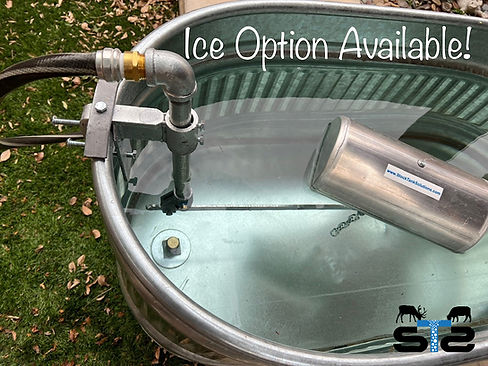
Are you tired of waking up to find your stock tank frozen solid? Winter can be a challenging time for anyone responsible for livestock or outdoor water sources.
The frustration of dealing with ice-cold water is not only inconvenient, but it can also be stressful for your animals. But don’t worry, you’re not alone in this struggle. Discover simple, effective strategies to keep your stock tank from freezing, ensuring your animals stay hydrated all winter long.
Dive into these practical tips that will save you time, effort, and give you peace of mind. Ready to learn how to tackle the cold? Let’s warm things up!
Common Causes Of Stock Tank Freezing
Understanding why your stock tank freezes is key to keeping it ice-free. Several factors play into freezing, and knowing them helps you choose the right prevention methods. Let’s look at the common causes that lead to frozen stock tanks.
Cold Weather Effects
Freezing temperatures are the most obvious cause. When the air temperature drops below 32°F (0°C), water starts to freeze on the surface. But did you know that even slightly warmer days can cause freezing if the nights are cold enough?
Wind can also speed up freezing by blowing warm air away from the tank’s surface. If your tank is in an open area, it’s more exposed to these harsh conditions. Have you noticed how your tank freezes faster on windy nights?
Water Movement And Temperature
Still water freezes faster than moving water. When water stays stagnant, ice forms quickly on the surface. Adding a pump or aerator helps keep water moving and delays freezing.
Water temperature also matters. If you refill your tank with cold water, it lowers the overall temperature, making freezing more likely. Try adding warmer water or topping off less frequently to maintain a higher temperature inside the tank.
Tank Material Impact
The type of material your tank is made from affects how fast it freezes. Metal tanks lose heat quickly, making them prone to freezing. Plastic tanks, on the other hand, insulate better and slow down the freezing process.
Have you checked your tank’s material? Choosing the right one can reduce freezing issues significantly. Even placing insulation around the tank can help, especially if the material conducts cold easily.

Credit: www.stocktanksolutions.com
Choosing The Right Location
Choosing the right location for your stock tank plays a big role in preventing it from freezing. The right spot helps keep water temperature stable. It also reduces exposure to cold winds and frost. Picking a good place can save you time and effort in winter care.
Sheltered Areas
Place the stock tank near a building or fence. These structures block cold winds and shield from harsh weather. A sheltered spot keeps the tank warmer than open spaces. Avoid low spots where cold air settles. Higher ground can help reduce freezing risk.
Sunlight Exposure
Select a location that gets plenty of sunlight during the day. Sunlight naturally warms the water and slows ice formation. South-facing spots get the most sun in winter. Avoid shaded areas under trees or tall structures. Sunlight is a simple way to keep water from freezing.
Wind Protection
Strong winds speed up freezing by cooling the water surface. Use windbreaks like bushes, fences, or walls to block wind. Position the tank so it faces away from prevailing winds. Wind protection reduces heat loss and helps maintain liquid water. A calm area works best for stock tanks in cold weather.
Insulation Techniques
Keeping your stock tank from freezing is essential to ensure your animals always have access to water during cold months. One of the most effective ways to achieve this is through proper insulation. Insulation techniques help trap heat and reduce exposure to freezing temperatures, making a significant difference in maintaining liquid water.
Using Tank Covers
Tank covers act as a barrier against cold air and wind, which are major factors in freezing. A simple, sturdy cover can keep the water surface warmer by limiting heat loss.
You can use commercial tank lids or even a heavy-duty tarp secured tightly around the edges. Make sure the cover allows easy access for refilling and cleaning while still protecting the water from snow and ice buildup.
Adding Straw Or Hay
Placing straw or hay around the base and sides of your stock tank adds a natural layer of insulation. These materials trap air and create a buffer against cold ground temperatures.
Be cautious to keep the straw dry and replace it as needed, since wet straw loses its insulating power and can promote mold growth. This technique is cost-effective and can be combined with other insulation methods for better results.
Insulating Wraps And Blankets
Specialized insulating wraps and blankets designed for outdoor tanks can dramatically reduce freezing risks. These wraps are usually made from foam or reflective materials that hold in heat and block cold winds.
Wrap the tank securely, covering as much surface area as possible without blocking access points. Some wraps come with adjustable straps or Velcro for easy installation and removal, making maintenance hassle-free.
Credit: www.horseforum.com
Heating Options For Stock Tanks
Keeping stock tanks from freezing is essential for animal health and water access during winter. Heating options provide reliable ways to maintain liquid water. They vary in type, power source, and installation ease. Choose the best fit based on tank size and weather conditions.
Heated Tank Deicers
Heated tank deicers are popular for small to medium tanks. They float or rest on the tank bottom. The heater warms the water around it, preventing ice formation. These devices use low wattage, saving energy. They are easy to install and require little maintenance. Safe designs reduce risks to animals and equipment.
Submersible Heaters
Submersible heaters go directly into the water. They provide consistent warmth throughout the tank. These heaters are suitable for larger stock tanks. They often have thermostats to control temperature. This prevents overheating and saves power. Made from durable materials, they resist corrosion and damage.
Solar-powered Solutions
Solar-powered heating uses sunlight to keep water liquid. Panels collect energy and power small heaters or pumps. This option works best in sunny areas. Solar heaters reduce electricity costs and environmental impact. They are easy to set up and move if needed. Backup batteries ensure water stays warm at night.
Maintaining Water Movement
Maintaining water movement is key to preventing your stock tank from freezing during cold weather. Moving water disrupts ice formation, keeping the surface liquid and accessible for your animals. This simple action can save you from the hassle of constantly breaking ice and ensures your livestock stays hydrated.
Aerators And Bubblers
Aerators and bubblers are effective tools that keep water moving by introducing air into the tank. The bubbles constantly break up the water’s surface, stopping ice from forming. I once installed a bubbler in my tank, and it drastically reduced the ice build-up, making daily checks much easier.
These devices also increase oxygen levels in the water, which can be beneficial for livestock health. Make sure to place your aerator in a spot where it circulates the most water without disturbing the animals too much.
Water Pumps
Water pumps create continuous flow, which prevents freezing by constantly moving the water. Submersible pumps are especially useful because they can be fully submerged, pushing water from the bottom to the top. This circulation helps maintain a more even temperature throughout the tank.
If you choose a pump, consider its power consumption and durability in cold weather. You want a model that runs efficiently but won’t burn out in freezing conditions. Have you checked if your pump’s flow rate is sufficient to keep your entire tank moving?
Manual Stirring
If you don’t have access to electrical devices, manual stirring is a simple way to keep water moving. Using a long stick or paddle, stirring the water once or twice a day can delay ice formation. It’s labor-intensive, but it works well for smaller tanks or temporary situations.
Try to stir near the edges where ice tends to form first. Notice how a few minutes of stirring can make a big difference? This method also gives you a chance to inspect water levels and cleanliness at the same time.

Credit: www.stocktanksolutions.com
Water Management Tips
Managing water effectively in your stock tank can make a big difference in preventing freezing during cold weather. Paying attention to how you handle water changes, tank depth, and water temperature can keep your livestock’s water supply accessible and safe. Let’s look at some practical tips you can use right away.
Regular Water Changes
Changing the water regularly helps keep it fresh and reduces the chance of ice forming on the surface. If the water is still for too long, it cools down and freezes faster. You might notice that replacing a portion of the water every day or two keeps the temperature slightly higher and discourages ice buildup.
Try adding fresh water at different times of the day when temperatures are warmer. This small habit can keep the tank from freezing solid overnight. Have you checked how often you refresh your tank water during winter?
Tank Depth Considerations
Deeper tanks hold more water, which takes longer to freeze. If your tank is shallow, it will freeze quickly, leaving your animals without water. Think about using a tank that is at least 18 to 24 inches deep to help maintain liquid water longer.
Also, deeper water stays warmer because the bottom layers retain heat better. If switching tanks isn’t an option, adding insulation around the tank can help keep the water temperature stable. Could adjusting your tank depth be the simple fix your setup needs?
Using Warm Water
Adding warm water to your tank can delay freezing and provide immediate relief for your animals. It’s important not to pour boiling water, as sudden temperature changes can damage the tank or shock your livestock. Lukewarm water works best to gently raise the overall temperature.
Try topping off the tank with warm water during the coldest parts of the day. This technique can keep the surface from freezing long enough to maintain a steady water supply. How often do you think warm water could fit into your winter routine?
Diy Freezing Prevention Ideas
Keeping a stock tank from freezing during cold months can be a real challenge. DIY freezing prevention ideas help protect water for animals without costly equipment. Simple materials and small changes can make a big difference. These easy solutions save money and time while keeping water liquid.
Homemade Insulation Materials
Insulation slows down heat loss and keeps water warmer. Use affordable and easy-to-find materials to create barriers against the cold.
- Wrap the tank with old blankets or towels.
- Use straw or hay bales around the tank base.
- Apply foam pipe insulation around water lines.
- Cover the tank with a tarp or plastic sheet for wind protection.
Layering materials improves insulation. Keep the cover secure to prevent it from blowing away.
Simple Heating Hacks
Gentle heat prevents freezing without wasting power. Small heaters and natural heat sources work well.
- Place a floating rubber ball to reduce surface freezing.
- Use a low-wattage aquarium heater inside the tank.
- Install a heated water bowl or stock tank heater.
- Set up solar-powered lights nearby for mild warmth.
Monitor heaters to avoid overheating. Safe heating protects animals and conserves energy.
Creative Tank Modifications
Changing the tank itself can help keep water liquid longer. Simple tweaks boost warmth and reduce ice formation.
- Paint the tank dark colors to absorb sunlight.
- Add a floating cover to minimize heat loss.
- Build a small shelter or windbreak around the tank.
- Elevate the tank off cold ground with wooden pallets.
These modifications improve water temperature and protect from harsh weather.
Frequently Asked Questions
How Can I Prevent My Stock Tank From Freezing?
Use a stock tank heater or de-icer to keep water above freezing. Insulate the tank with foam or blankets. Position the tank in a sunny, sheltered spot to reduce ice formation.
What Materials Work Best To Insulate Stock Tanks?
Closed-cell foam boards or rigid foam insulation work best. These materials prevent heat loss effectively. You can also use straw or heavy blankets for added insulation around the tank.
Are Heated Water Bowls Effective For Stock Tanks?
Heated water bowls can prevent freezing in small stock tanks. They maintain a safe drinking temperature for animals. However, larger tanks may need more powerful heaters for full protection.
Can I Use Salt To Keep Stock Tank Water From Freezing?
Adding salt lowers water’s freezing point but is not recommended. It can harm animals and plants if ingested. Instead, use safe heating methods and insulation to prevent freezing safely.
Conclusion
Keeping your stock tank from freezing takes simple steps and care. Use insulation or heaters to protect water from cold. Check the tank often to ensure water stays liquid. Small actions can save your animals from cold stress. Stay consistent with these tips for winter safety.
Your animals will thank you with good health and comfort. Winter does not have to stop water access or cause worry. Keep water flowing, keep animals happy. Easy and smart ways make all the difference.