Imagine waking up to a flooded basement on a chilly winter morning. The culprit?
A frozen sump pump. Your home’s trusty flood-prevention device can become your worst nightmare if it freezes and fails to work. But don’t worry; there are simple steps you can take to keep your sump pump from freezing and ensure it operates smoothly throughout the winter.
By investing a little time now, you can save yourself from costly repairs and stress later. Curious about how to protect your sump pump from harsh winter conditions? Dive into this guide and discover easy, effective solutions that will keep your home safe and dry.
Causes Of Sump Pump Freezing
Understanding what causes your sump pump to freeze is key to preventing costly damage and maintaining its efficiency. Freezing can stop your pump from working just when you need it most, leading to water buildup and potential flooding. Let’s look at the main reasons why sump pumps freeze and what you can watch out for.
Cold Weather Impact
Cold temperatures are the biggest threat to sump pumps during winter. When the temperature drops below freezing, any water left inside the pump or discharge pipe can freeze solid.
This ice blocks the pump’s moving parts and pipes, making the pump unable to push water out. Have you noticed your pump running slower or making unusual noises on cold days? That could be a sign it’s struggling against ice buildup.
Water Accumulation Risks
Water sitting in or around your sump pump pit can easily freeze if not properly drained or removed. Standing water inside the pit or discharge lines quickly turns to ice in freezing weather.
Even a small amount of leftover water can cause significant problems by expanding as it freezes, damaging the pump or clogging pipes. Pay attention to how well your sump pit drains after rain or snow melt—does water linger longer than it should?
Improper Drainage Issues
Poor drainage is often the root cause of sump pump freezing. If your sump pump’s discharge line is blocked, too long, or buried too shallowly, water can freeze inside it.
Drainage lines that do not slope downward properly allow water to sit and freeze, stopping flow completely. Check your discharge setup regularly—are pipes clear and angled correctly to keep water moving?

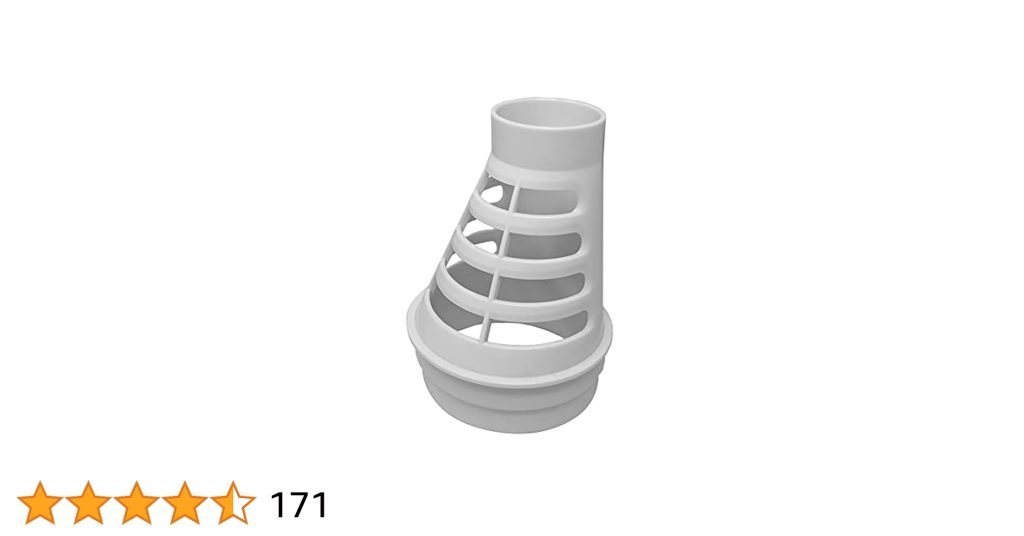
Credit: www.amazon.ca
Pre-winter Inspection
Performing a pre-winter inspection helps protect your sump pump from freezing. This check ensures the pump works well before cold weather sets in. Early detection of issues saves costly repairs and prevents basement flooding. Follow these simple steps to prepare your sump pump for winter.
Check Pump Functionality
Test the sump pump by pouring water into the pit. Listen for the motor to start and water to drain quickly. Ensure the pump turns off when the water is gone. Any strange noises or delays may mean repairs are needed. A working pump prevents ice buildup and flooding.
Inspect Discharge Pipes
Look at the discharge pipes for cracks or leaks. Pipes exposed to cold air can freeze and burst. Ensure pipes slope away from your house to drain water properly. Replace any damaged or old pipes with insulated ones. Clear pipes keep water flowing and stop ice blockages.
Clear Debris And Blockages
Remove leaves, dirt, and debris from the sump pit and pipes. Blockages slow water flow and increase freezing risk. Check the sump basin for mud or sludge and clean it out. A clean sump pump system runs smoothly and avoids clogs. Clear pathways reduce freeze hazards during winter.
Insulation Techniques
Keeping your sump pump from freezing is essential during cold months. Insulation techniques help protect the pump and its components from harsh temperatures. Proper insulation prevents ice buildup and maintains the pump’s function. These techniques are simple and effective for home maintenance.
Pipe Insulation Methods
Insulating the pipes connected to your sump pump stops freezing. Use foam pipe sleeves or rubber insulation to cover exposed pipes. Make sure the insulation fits tightly without gaps. Wrap the insulation around the entire length of the pipe. Secure the material with tape or zip ties to keep it in place. This barrier keeps cold air away and retains heat inside the pipes.
Basin And Pit Protection
Protect the sump pump basin and pit from freezing by adding insulation around them. Use rigid foam boards or insulating blankets to cover the basin walls. Place a thick piece of insulation over the pit opening to block cold drafts. Ensure the cover allows easy access for maintenance. Adding insulation slows down heat loss and reduces the risk of ice forming inside the basin.
Using Heat Tape Safely
Heat tape helps keep pipes warm and prevents freezing. Choose heat tape designed for water pipes and follow the instructions carefully. Wrap the tape evenly along the pipe’s length without overlapping. Connect the tape to a power source with a thermostat for automatic temperature control. Check the tape regularly for wear or damage. Using heat tape safely avoids fire hazards and ensures effective pipe protection.

Credit: www.h2oflowtech.co.uk
Heating Options
Keeping your sump pump from freezing is essential to avoid costly water damage during cold months. Heating options provide reliable ways to maintain the pump’s temperature above freezing. Let’s explore practical heating solutions that can keep your sump pump working smoothly even in harsh winter conditions.
Install Submersible Heaters
Submersible heaters are designed to fit inside the sump pit, directly warming the water around your pump. They prevent ice buildup by maintaining a steady temperature, which ensures the pump stays operational.
These heaters are energy-efficient and often come with built-in thermostats to avoid overheating. Have you checked if your sump pump model supports a submersible heater? Adding one could be a simple upgrade that saves you headaches later.
Use Heat Lamps Or Bulbs
A heat lamp or a specialized heat bulb can be placed near the sump pit to provide consistent warmth. This option is easy to set up and allows you to control the heat output depending on the severity of your winter.
Be sure to position the lamp safely to avoid electrical hazards or fire risks. Consider using heat bulbs with built-in thermostats to maintain an optimal temperature without wasting energy.
Maintain Basement Temperature
One of the simplest ways to prevent your sump pump from freezing is to keep your basement temperature above freezing. Insulating basement walls and sealing drafts can help maintain a warmer environment.
Do you monitor your basement temperature regularly? Installing a small space heater or using your home’s heating system effectively can make a big difference. This approach not only protects your sump pump but also helps safeguard other plumbing components.
Water Management Strategies
Managing water effectively around your sump pump helps prevent freezing. Water management stops water from pooling near the pump. It also keeps the discharge system working properly during cold weather.
Ensure Proper Drainage Slope
Make sure the ground slopes away from your foundation. A good slope helps water flow away naturally. It stops water from collecting near the sump pit. Aim for a slope of at least 6 inches over 10 feet. This simple step reduces water buildup and freezing risk.
Keep Discharge Line Clear
Check the discharge line for blockages regularly. Ice, dirt, or debris can block water flow. A clear line lets water drain fast and avoids freezing inside the pipe. Use pipe insulation to keep water warmer. Make sure the pipe outlet is above the frost line.
Direct Water Away From Foundation
Extend the discharge pipe away from your home’s foundation. Water should flow at least 10 feet from the house. Use splash blocks or underground drainage pipes. This prevents water from seeping back near the sump pit. Keeping water far from the foundation reduces freezing chances.
Routine Maintenance During Winter
Routine maintenance during winter keeps your sump pump working well. Cold temperatures can cause freezing, which stops the pump from draining water. Regular care helps avoid damage and costly repairs. Follow these steps to protect your sump pump through the cold months.
Regular Pump Testing
Test the sump pump at least once a week in winter. Pour water into the sump pit to start the pump. Check if it runs smoothly and drains water fast. Listen for unusual noises or vibrations. Fix problems early to prevent freezing or breakdowns.
Monitor For Ice Formation
Look for ice buildup around the sump pump and discharge pipe. Ice blocks water flow and can damage parts. Clear any ice or snow near the pump area. Keep the sump pit cover secure and insulated. Use heat tape on pipes if needed to stop freezing.
Emergency Preparedness
Prepare for power outages or pump failures. Have a battery backup or generator ready. Keep a portable pump or water bucket nearby. Know how to clear blockages safely. Acting fast can save your basement from flooding and ice damage.
When To Call A Professional
Knowing when to call a professional for your sump pump can save you time, money, and a flooded basement. While some maintenance tasks are easy to handle yourself, certain signs and situations require expert help. Understanding these moments helps you avoid bigger problems and keeps your home safe during harsh winter months.
Signs Of Pump Failure
Is your sump pump making strange noises or running constantly without pumping water? These could be early signs of failure. Water pooling around your sump pit or a pump that won’t start at all are clear signals that it’s time to call a pro.
Ignoring these issues can lead to frozen pipes or basement flooding. If you notice any unusual behavior, don’t wait. A professional can diagnose the problem accurately and prevent costly damage.
Complex Repairs And Upgrades
Some sump pump problems require more than just a quick fix. Issues like electrical failures, broken float switches, or damaged discharge pipes often need specialized tools and knowledge. Attempting these repairs without experience may cause further damage or safety risks.
Upgrading your system for better freeze protection also benefits from professional installation. Experts ensure proper insulation, backup power systems, and correct placement, which are crucial for preventing freezing during extreme cold.
Professional Inspection Benefits
Scheduling a professional inspection before winter can give you peace of mind. Technicians check every part of your sump pump system and identify hidden issues you might miss. This proactive step often catches problems early, reducing emergency repairs.
Professionals also offer maintenance tips tailored to your setup, helping you keep the pump running smoothly. Wouldn’t it feel reassuring to know your sump pump won’t fail when you need it most?

Credit: www.batteriesplus.com
Frequently Asked Questions
How Can I Prevent My Sump Pump From Freezing?
Keep the sump pump pit insulated and dry. Use a sump pump cover and add heat tape if needed. Regularly check for blockages to ensure smooth operation during cold weather.
What Causes Sump Pumps To Freeze In Winter?
Freezing occurs when water in the pit or discharge line cools below 32°F. Lack of insulation and standing water can worsen freezing risks. Proper maintenance and insulation help prevent this.
Is It Necessary To Insulate Sump Pump Discharge Pipes?
Yes, insulating discharge pipes prevents water from freezing inside. Use foam pipe insulation or heat tape to maintain water flow. This reduces the risk of blockages and pump damage in cold weather.
Can Adding Heat Tape Protect Sump Pumps From Freezing?
Heat tape is an effective way to keep pipes and pumps warm. It prevents ice buildup and maintains water flow. Always follow manufacturer instructions to safely install heat tape.
Conclusion
Keeping your sump pump from freezing protects your home from water damage. Wrap pipes with insulation and use a heating cable. Make sure the pump runs regularly during cold weather. Check the discharge pipe for blockages or ice buildup. These simple steps help your sump pump work well all winter.
Staying proactive saves costly repairs and stress later. A working sump pump means a dry, safe basement. Small efforts now prevent big problems later. Keep your pump ready for cold days ahead.