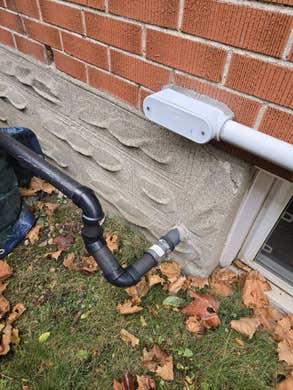
Are you tired of dealing with a frozen sump pump hose every winter? You’re not alone.
Many homeowners face this frustrating problem, leading to unwanted water damage and costly repairs. But what if you could prevent this headache before it starts? Imagine the peace of mind knowing your basement stays dry, no matter how low the temperature drops.
In this guide, you’ll discover simple, effective strategies to keep your sump pump hose from freezing. Stay with us, and unlock the secrets to a hassle-free winter. Your home’s safety and your wallet will thank you!

Credit: www.amazon.com
Causes Of Hose Freezing
Understanding why your sump pump hose freezes is key to preventing costly water damage. Several factors can cause the hose to freeze, stopping water from flowing out as it should. Let’s look at the main causes so you can spot the problem early and take action.
Cold Weather Effects
Freezing temperatures are the most obvious reason your sump pump hose might freeze. When the outside temperature drops below 32°F (0°C), water inside the hose can turn to ice, blocking the flow.
Even a short cold snap can cause ice buildup if the hose is exposed. If you’ve ever noticed your hose looking stiff or brittle on a cold morning, that’s a warning sign. Are you protecting your hose enough during winter?
Water Flow Issues
Slow or stagnant water inside the hose increases the chance of freezing. If your sump pump doesn’t run often, water can sit in the hose and freeze solid.
Blockages or clogs can also restrict flow, causing water to pool inside. Check your hose regularly for debris or mineral buildup that might slow water movement.
Improper Hose Placement
Where you position your sump pump hose matters a lot. If the hose runs through shaded or unheated areas like crawl spaces or along cold foundation walls, it’s more vulnerable to freezing.
Leaving the hose lying flat or kinked can trap water, increasing freeze risk. Have you mapped out the best path for your hose to keep water moving and avoid cold spots?

Credit: www.amazon.com
Choosing The Right Hose
Choosing the right hose for your sump pump is crucial to prevent freezing during cold months. The hose acts as the pathway for water to leave your home, so its durability and design directly impact performance. Selecting a hose that handles low temperatures well can save you from costly repairs and water damage.
Material Types
Not all hoses are built the same. Some materials handle freezing conditions better than others. For instance, rubber hoses are flexible and less likely to crack in freezing weather, while vinyl hoses can become brittle and break.
Consider hoses made from reinforced rubber or heavy-duty thermoplastic. These materials maintain flexibility even in subzero temperatures. You want a hose that won’t stiffen or develop leaks when exposed to frost.
Insulated Hoses
Insulated hoses add an extra layer of protection against freezing. They usually have foam or other insulating materials wrapped around the hose to keep water temperature above freezing. This simple addition can make a big difference if your sump pump hose runs through an unheated area.
Think about where your hose is placed. If it’s exposed to cold air or buried shallowly, an insulated hose helps maintain water flow. You might even combine insulation with heat tape for extreme cold, but choosing an insulated hose is a strong first step.
Hose Diameter Importance
The diameter of your sump pump hose affects how quickly water drains away. A hose that’s too narrow can freeze more easily because water moves slowly and sits inside longer. On the other hand, a wider hose allows faster water flow, reducing the chance of freezing.
Most sump pumps work best with hoses between 1.5 and 2 inches in diameter. If you notice slow drainage or freezing, upgrading to a larger diameter hose could solve the problem. Ask yourself: is your current hose letting water sit too long? If yes, a wider hose might be the fix you need.
Proper Installation Techniques
Proper installation techniques are key to preventing your sump pump hose from freezing. If you set up the hose incorrectly, water can collect and freeze, causing blockages and damage. Paying attention to how you lay out and secure the hose makes a big difference in keeping it flowing smoothly during cold weather.
Correct Slope And Positioning
Make sure the hose slopes downward away from your home. This allows water to drain out completely instead of pooling inside the hose. A gentle, consistent slope of about 1 inch per 10 feet usually works well.
Position the hose so it’s exposed to sunlight or warmer areas if possible. Placing it on a south-facing side of your house can help the sun keep the hose warmer. Have you noticed how shaded areas freeze faster? Avoid those spots.
Avoiding Low Spots
Low spots are traps where water can sit and freeze. As you lay out the hose, check for any dips or sags. These spots can cause ice buildup and block water flow.
You can prevent this by adjusting the hose to keep a smooth, downhill path. If you find a low spot, lift the hose and add some gravel or a support underneath to keep it elevated. This simple fix can save you from headaches later.
Securing The Hose
Loose hoses can move and create kinks or dips. Use stakes or clips to secure your hose firmly along its path. This keeps it in the right position and prevents damage from wind or shifting ground.
Make sure the fasteners don’t pinch the hose, which could block water flow. Instead, gently hold it in place. Have you ever seen a hose twisted and frozen solid? Proper securing stops that from happening.
Insulation Methods
Protecting your sump pump hose from freezing is essential during cold weather. Insulation methods help keep the water flowing and prevent ice blockages. Using simple materials and techniques can maintain hose functionality all winter long.
These insulation options provide effective barriers against cold air. They trap heat and reduce the risk of freezing. Choose the best method based on your hose type and outdoor conditions.
Using Foam Pipe Wrap
Foam pipe wrap is an affordable and easy solution. It fits snugly around the hose, creating a layer of insulation. The foam blocks cold air and keeps the hose temperature stable.
Cut the foam wrap to match the hose length. Secure it with waterproof tape or zip ties. Make sure there are no gaps for cold air to enter.
Heat Tape Application
Heat tape is a flexible electrical cable that warms the hose. It plugs into an outlet and provides steady heat. This method is very effective for very cold climates.
Wrap the heat tape evenly along the hose. Follow manufacturer instructions for safety. Use heat tape with built-in thermostats to avoid overheating.
Outdoor Hose Covers
Outdoor hose covers are designed to shield hoses from frost. They are made of insulated fabric or foam materials. Covers protect the hose from wind and freezing temperatures.
Place the cover over the entire hose length. Secure it firmly to prevent it from blowing away. This method adds an extra protective layer without electricity.
Maintaining Water Flow
Maintaining water flow in your sump pump hose is key to stopping ice build-up. Water that moves freely inside the hose will not freeze as easily. Constant water flow keeps the hose warm enough during cold weather. Let’s explore ways to keep the water moving and prevent freezing.
Regular Pump Operation
Run your sump pump regularly, even during dry spells. This action keeps water flowing through the hose. Water movement helps avoid freezing inside the pipe. Check the pump once a week to make sure it works properly. A working pump moves water away from your home and keeps the hose clear.
Preventing Standing Water
Standing water in the hose freezes quickly. Make sure the hose slopes downward from the sump pit. This slope allows water to drain out completely after each pump cycle. Clear any blockages or kinks in the hose. Removing these stops water from sitting still and freezing. Use hose insulation for extra protection in very cold areas.
Using Recirculation Systems
A recirculation system moves water continuously through the hose. This system prevents water from sitting still and freezing. It uses a small pump to keep water flowing even when the main pump is off. This method works well in extremely cold climates. Installing such a system protects your hose and pump from ice damage.
Additional Winter Tips
Keeping your sump pump hose from freezing is crucial during harsh winter months to avoid costly water damage. Beyond basic insulation, there are additional steps you can take to protect your system. These winter tips help you stay proactive and prepared for unexpected weather challenges.
Monitoring Weather Conditions
Stay alert to local weather forecasts, especially during sudden drops in temperature. Freezing can happen quickly when temperatures plunge overnight or during storms.
Set reminders to check your sump pump hose if a cold snap is expected. Have you noticed how a forecast for several below-freezing nights often catches people off guard? Being one step ahead can save you from dealing with a frozen hose.
Emergency Backup Options
Consider having a battery backup or a generator for your sump pump system. Power outages are common in winter storms, and without power, your pump won’t work even if the hose is clear.
In my experience, having a backup saved my basement from flooding when the power went out for hours. Even simple battery-powered alternatives can keep water moving and prevent freeze-related damage.
Routine Hose Inspection
Check your sump pump hose regularly for cracks, leaks, or areas where insulation might be damaged. Water can seep into these weak spots and freeze, causing blockages.
Make it a habit to inspect the hose after heavy snow or ice storms. Have you found that small cracks often go unnoticed until the hose freezes solid? Catching these early can prevent bigger problems.

Credit: www.ebay.com
Frequently Asked Questions
How Do I Prevent My Sump Pump Hose From Freezing?
Insulate the hose with foam pipe insulation or heat tape. Keep the hose above ground and clear of snow. Also, ensure water flows continuously during cold weather to prevent freezing.
What Materials Help Keep Sump Pump Hoses Thawed?
Use foam pipe insulation, heat tape, or insulated covers. These materials trap heat and protect the hose from cold temperatures, reducing the risk of ice formation.
Can Burying The Sump Pump Hose Prevent Freezing?
Yes, burying the hose below the frost line helps prevent freezing. Ensure proper slope for drainage and use insulated sleeves if the soil is extremely cold.
How Often Should I Check My Sump Pump Hose In Winter?
Check the hose weekly during freezing weather. Look for ice buildup or blockages. Regular inspection ensures proper water flow and prevents pump damage.
Conclusion
Keeping your sump pump hose from freezing is important for home safety. Use insulation or heat tape on the hose. Make sure water flows smoothly and does not sit still. Raise the hose off cold surfaces if possible. Check the hose regularly during cold weather.
These simple steps help prevent costly damage. Stay prepared to keep water moving and avoid freezing problems. A working sump pump hose protects your basement from flooding. Act early and keep your home safe this winter.