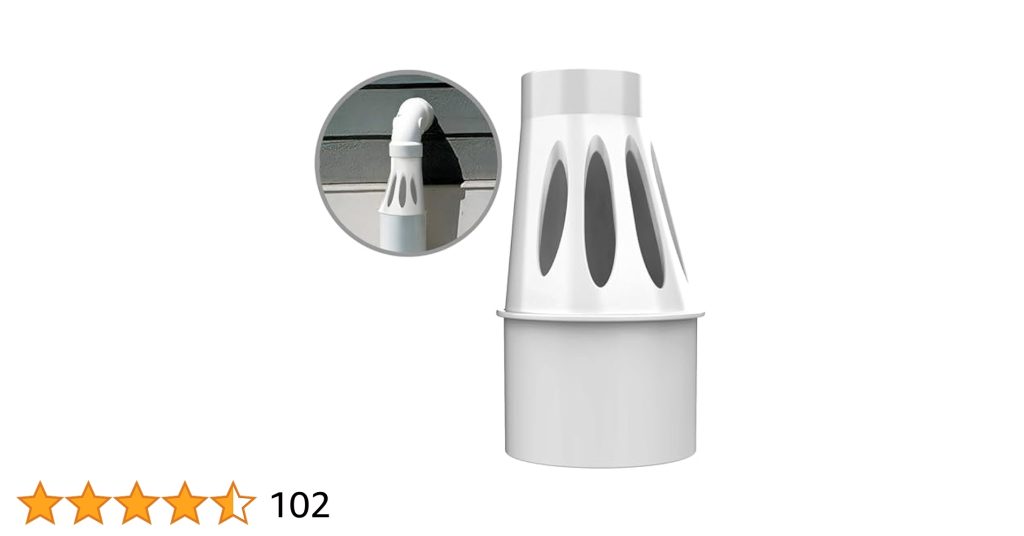
Winter is on the horizon, and with it comes the threat of freezing temperatures that can wreak havoc on your home. One of the most vulnerable areas?
Your sump pump line. When this vital component freezes, it can lead to a host of problems, including basement flooding and costly repairs. But fear not—by taking a few proactive steps, you can keep your sump pump line from freezing and ensure your home stays dry and safe.
Imagine the peace of mind knowing you won’t wake up to a flooded basement on a frigid morning. Dive into this article, and discover simple yet effective strategies to protect your home from winter’s icy grip. Your future self will thank you!

Credit: www.amazon.ca
Causes Of Sump Pump Line Freezing
Sump pump line freezing can cause serious problems in cold climates. Understanding the causes helps prevent costly damage. Several factors contribute to sump pump line freezing. Identifying these can keep your sump pump working properly throughout winter.
Cold Weather Impact
Freezing temperatures cause water inside the pump line to solidify. The colder it gets, the faster the water freezes. Wind chill and prolonged cold spells increase the risk of frozen lines. Pipes exposed to outside air are especially vulnerable.
Poor Insulation Issues
Insufficient insulation allows cold air to reach the pump line. Unprotected pipes lose heat quickly during winter. Gaps or cracks in insulation make freezing more likely. Properly wrapped pipes maintain warmth and prevent ice buildup.
Water Flow Problems
Slow or stopped water flow inside the line encourages freezing. Standing water freezes faster than moving water. Blockages or clogs reduce water movement and cause ice to form. Ensuring clear, steady flow lowers the freezing risk.
Signs Of A Frozen Sump Pump Line
Frozen sump pump lines can cause serious problems during cold months. Detecting the signs early helps prevent damage to your pump and home. Knowing what to watch for ensures prompt action and keeps water flowing smoothly.
Reduced Water Discharge
Notice less water coming out of the sump pump line. The flow may slow down or stop completely. This happens because ice blocks the pipe. Reduced discharge means water stays inside the sump pit longer. It raises the risk of flooding in your basement.
Unusual Noises
Listen for strange sounds from the sump pump. Grinding, rattling, or banging noises can signal frozen pipes. These sounds occur as the pump struggles to push water past the ice. Unusual noises often indicate strain on the pump motor. Acting quickly can save the pump from damage.
Water Backup Risks
Frozen lines cause water to back up into your basement. When the pump cannot expel water, it builds up inside the pit. This backup can overflow and flood your home. It also increases humidity, which may lead to mold growth. Watch for wet floors or damp walls near the sump pump area.
Effective Insulation Techniques
Keeping your sump pump line from freezing is essential during cold months. Effective insulation helps protect pipes and ensures the pump works well. Simple techniques can prevent costly damage and maintain smooth water flow.
Using Foam Pipe Insulation
Foam pipe insulation is easy to install and affordable. It fits snugly around the pipe, reducing heat loss. Choose insulation that matches your pipe size for best results.
- Cut the foam to the pipe’s length.
- Wrap it tightly around the pipe.
- Seal any gaps with waterproof tape.
This method helps keep the pipe warm and blocks cold air.
Heat Tape Application
Heat tape is a flexible electric cable that warms pipes. It prevents ice buildup by maintaining a steady temperature. Use heat tape designed for outdoor pipes to ensure safety.
- Wrap the heat tape evenly along the pipe.
- Secure it with electrical tape or zip ties.
- Plug it into a ground fault circuit interrupter (GFCI) outlet.
Heat tape works well in very cold areas or for long pipe runs.
Sealing Exposed Areas
Exposed pipe sections and entry points let cold air in. Sealing these areas helps keep warmth inside the pipe system. Use weatherproof caulk or foam sealant for best protection.
- Check around pipe openings and vents.
- Fill gaps or cracks with sealant.
- Allow sealant to dry fully before winter.
This simple step blocks drafts and supports insulation efforts.

Credit: www.amazon.ca
Maintaining Proper Water Flow
Maintaining proper water flow in your sump pump line is crucial to prevent freezing during cold weather. When water moves consistently and smoothly through the discharge pipe, it reduces the chance of standing water that can freeze and cause blockages. Ensuring your system operates well also extends the life of your sump pump and keeps your basement dry.
Regular Pump Operation
Running your sump pump regularly keeps water moving through the discharge line. Even if you don’t have heavy water flow, turning on the pump once a week helps prevent water from sitting still and freezing.
Have you ever noticed ice forming after your pump hasn’t run for days? That’s because stagnant water cools and freezes more easily. Set a reminder to test your pump frequently, especially before the coldest months arrive.
Clearing Debris
Debris like leaves, dirt, and small stones can clog your discharge line, slowing water flow and increasing freeze risk. Check the pipe and discharge area often and remove any buildup you find.
Cleaning your sump pump and its line is easier than you think. A quick inspection once a month can save you from costly repairs and frozen pipes in winter.
Adjusting Discharge Slope
The slope of your discharge pipe affects how well water drains away from your home. A downward angle helps water flow out quickly and prevents it from pooling and freezing inside the pipe.
If your line is too flat or slopes back toward the house, water can collect and freeze. Check the pipe’s angle and adjust it if needed to keep water moving steadily away from your foundation.
Alternative Heating Solutions
Keeping your sump pump line from freezing is crucial during cold months, and alternative heating solutions can be a game changer. These options offer reliable ways to maintain warmth around the pipes without relying solely on traditional insulation. Let’s look at practical heating methods that you can implement to ensure your sump pump stays operational when temperatures drop.
Installing Heat Cables
Heat cables are designed to wrap around your sump pump line, providing direct warmth to prevent ice formation. These cables are easy to install and come with built-in thermostats that turn on only when needed, saving energy. I once used heat cables on my outdoor pipes, and they worked wonders through a harsh winter without increasing my electric bill significantly.
Make sure to choose cables rated for outdoor use and follow the manufacturer’s instructions carefully. Secure the cables evenly along the length of the pipe and cover them with insulation for best results. This targeted heating keeps the water flowing smoothly without freezing.
Using Portable Heaters
Portable heaters can be a flexible solution, especially if your sump pump line is accessible inside a basement or crawl space. Placing a small, electric heater nearby helps maintain a warm environment around the pipes. However, you should never leave these heaters unattended, and always ensure they are placed away from flammable materials.
If you want to avoid constant power use, consider a heater with a built-in thermostat or timer. This setup allows you to control when the heater runs, focusing warmth during the coldest parts of the day or night. Have you considered how adjusting heat exposure in cycles might save energy while protecting your pipes?
Warm Air Circulation
Sometimes, simply improving air circulation can prevent freezing issues. Using fans or vents to move warm air from heated areas to where the sump pump line runs can keep the temperature just above freezing. This method works well in enclosed spaces like basements or utility rooms.
Try placing a small fan near heating vents to push warm air toward the pipes. You can also seal off cold drafts and open doors to encourage heat flow. Have you noticed how subtle changes in airflow can make a big difference in maintaining pipe temperature?

Credit: www.batteriesplus.com
Preventive Maintenance Tips
Preventive maintenance keeps your sump pump line clear and running smoothly. It stops freezing problems before they start. Simple checks and care protect your home from water damage. Regular attention saves money and stress later.
Seasonal Inspections
Check the sump pump line before cold weather arrives. Look for cracks or leaks in the pipe. Clear any dirt or debris around the pump area. Make sure the discharge pipe slopes downward to prevent water buildup. Inspect insulation on the pipe and add more if needed.
Battery Backup Checks
Test the battery backup system regularly. A working backup keeps the pump running during power outages. Replace old batteries at least every two years. Keep batteries fully charged and clean the terminals. Check the backup pump switch to ensure it turns on easily.
Professional Servicing
Hire a professional for an annual sump pump service. Experts spot hidden problems early. They can flush the pump and test all parts. Professional servicing ensures the pump runs well in freezing weather. It also extends the life of your sump pump system.
Emergency Measures For Frozen Lines
Frozen sump pump lines can cause serious problems quickly, especially during harsh winter months. Acting fast with emergency measures can prevent costly damage and keep your sump pump functioning. Here are some practical steps you can take right away to thaw those frozen lines safely and effectively.
Applying Warm Towels
One of the simplest ways to start thawing a frozen sump pump line is by wrapping it with warm towels. Soak towels in hot water, wring out the excess, and then wrap them snugly around the pipe.
The heat from the towels will gradually warm the pipe, helping to melt the ice inside. Replace the towels frequently as they cool down to maintain a consistent temperature.
Have you checked your home for easy-to-access pipes that could benefit from this quick fix? It’s a low-cost solution that requires no special tools.
Using Hot Water
Pouring hot (not boiling) water over the frozen section of the pipe can also speed up the thawing process. Use a container to carefully pour water along the length of the pipe, focusing on areas where the ice seems thickest.
Repeat the process as needed, but avoid using boiling water to prevent cracking the pipe due to rapid temperature change. This method works well if the frozen area is visible and accessible.
Remember, slow and steady warming is better than rushing with extreme heat. How close is your sump pump line to an indoor water source where you can get hot water easily?
Avoiding Damage Risks
While thawing frozen sump pump lines, it’s crucial to avoid actions that might cause damage. Never use open flames like a blowtorch or a propane heater, as this can melt or weaken the pipe.
Also, avoid applying excessive force to the frozen pipe, which can lead to cracks or breaks. Gentle warming and patience are your best tools here.
Consider safety for both your plumbing and yourself—using safe, controlled heat sources protects your home and prevents costly repairs. Could a safer, more controlled approach save you money and stress this winter?
Frequently Asked Questions
How Can I Prevent My Sump Pump Line From Freezing?
Insulate the sump pump line with foam sleeves or heat tape. Ensure proper drainage and keep the line above ground where possible. Regularly check for ice buildup during cold weather to maintain flow and prevent freezing.
What Materials Help Keep Sump Pump Lines Warm?
Use foam pipe insulation, heat tape, or heating cables. These materials provide warmth and protect pipes from freezing temperatures. Combining insulation with proper drainage ensures the sump pump line stays clear and operational in winter.
Why Does My Sump Pump Line Freeze In Winter?
Freezing occurs due to cold temperatures and standing water in the pipe. Lack of insulation and poor drainage increase the risk. Freezing blocks water flow, causing backup and potential damage to your sump pump system.
Can Heat Tape Effectively Stop Sump Pump Line Freezing?
Yes, heat tape is designed to warm pipes and prevent freezing. It’s easy to install and uses electricity to maintain a safe temperature. Use heat tape alongside insulation for best results during harsh winters.
Conclusion
Preventing your sump pump line from freezing keeps your home safe. Use insulation and heat tape to protect pipes. Make sure water flows freely and clear any blockages. Check your system often during cold days. A little care now saves big repair costs later.
Stay ahead of winter’s challenges with simple steps. Keep your sump pump working well all season long. Easy actions make a big difference in cold weather. Stay warm and worry-free this winter.