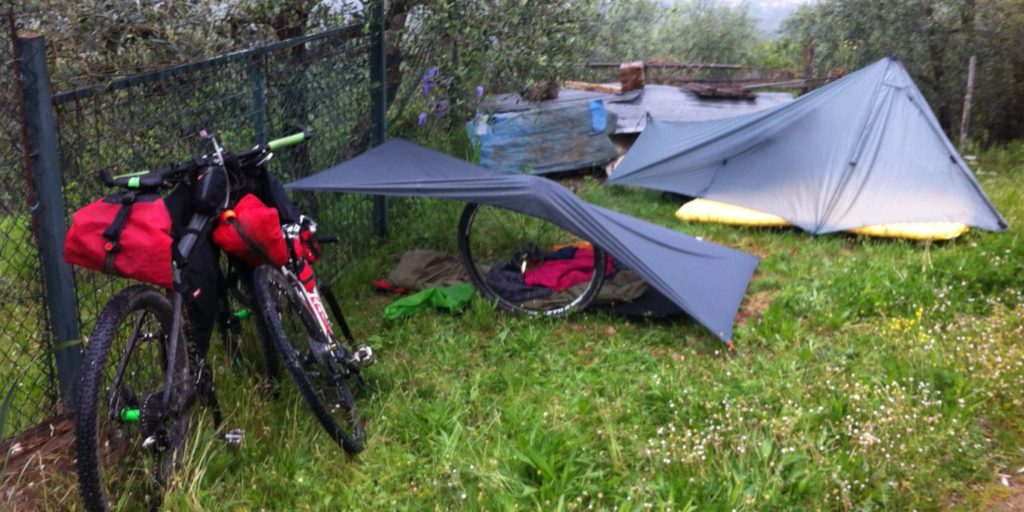
Picture this: you’re all set for a night under the stars, but dark clouds roll in and rain starts pouring. The last thing you want is a soggy tent ruining your trip.
Keeping your tent dry in the rain isn’t just about comfort—it’s about staying safe and enjoying your outdoor adventure. You’ll discover simple, effective tips that anyone can use to protect their shelter from wet weather. By the end, you’ll be ready to face any downpour without worry.
Ready to learn how to keep your tent dry and your camping experience dry and cozy? Let’s dive in.

Credit: haventents.com
Choose The Right Tent
Keeping your tent dry in rain starts with picking the right tent. A good tent protects you from wet weather and keeps you comfortable.
Focus on materials and design to stop water from getting inside. These features help you stay dry during storms.
Waterproof Materials
Choose tents made from waterproof fabrics like nylon or polyester. These fabrics have coatings that block water.
Look for tents with polyurethane or silicone coatings. These coatings make the fabric repel water better.
- Nylon fabric with silicone coating
- Polyester fabric with polyurethane coating
- Water-resistant zippers and seams
Seam Sealing
Seams are where water can leak into your tent. Check if the tent has sealed seams to stop water entry.
Seam sealing means applying tape or glue on the stitching inside the tent. This blocks water from coming through needle holes.
- Look for factory-taped seams
- Consider tents with glued or welded seams
- Apply extra seam sealer if needed before camping
Rainfly Importance
A rainfly is a separate layer that covers your tent. It keeps rain from hitting the tent body directly.
Choose a tent with a full-coverage rainfly. This protects the tent and adds extra waterproofing.
- Full rainfly covers all sides and roof
- Partial rainfly covers mainly the top
- Proper rainfly setup improves ventilation and dryness
Pick A Good Campsite
Keeping your tent dry in the rain starts with picking the right campsite. A good spot helps avoid water problems. It also keeps you comfortable and safe.
Look for places that stay dry and protect your tent from water pooling. Pay attention to the land shape and ground cover.
Avoid Low-lying Areas
Low spots collect water during rain. If you camp there, your tent may flood. Choose higher ground to stay dry.
Look around and avoid dips or valleys. Even small puddles show where water collects.
Look For Natural Drainage
Natural drainage helps rainwater flow away from your tent. Find sites where water runs off to the sides.
Slopes and gentle hills are good because they guide water away. Avoid flat spots where water can pool.
- Choose spots on a slight hill or incline
- Check if water flows downhill quickly
- Stay clear of flat or bowl-shaped areas
Clear Ground Debris
Remove leaves, sticks, and rocks before pitching your tent. Debris traps water and makes the ground wet.
A clean ground helps your tent floor stay dry and prevents damage. It also makes packing up easier.
- Clear leaves and pine needles
- Pick up sticks and small branches
- Remove stones and sharp objects
Set Up Properly
Keeping your tent dry in the rain starts with setting it up right. A good setup stops water from getting inside.
Focus on making the tent tight and secure. Use tools and materials that protect the floor and roof.
Pitch Tent Taut
Stretch your tent fabric tight to avoid water pooling. Loose fabric collects rain and leaks inside.
Check all poles and ropes. Make sure everything is firm and stable to hold the tent shape.
- Tighten all guy lines
- Secure poles firmly in the ground
- Smooth out wrinkles in the tent fabric
Secure Rainfly
Use a rainfly to cover your tent. It keeps rain from hitting the tent directly.
Make sure the rainfly is attached tightly. It should cover the tent fully without sagging.
- Clip rainfly edges to tent corners
- Pull rainfly tight to avoid water pockets
- Keep ventilation openings clear and dry
Use Footprint Or Groundsheet
Place a footprint or groundsheet under your tent. It stops water from seeping through the floor.
Make sure the groundsheet is smaller than the tent floor. This prevents rainwater from collecting underneath.
- Spread footprint evenly on the ground
- Keep it inside tent edges
- Check for holes or tears before use

Credit: haventents.com
Manage Water Flow
Keeping your tent dry in rain needs smart water flow control. Water can pool around or under your tent if not managed well.
Directing water away from your tent helps prevent leaks and damage. Use simple ways to move water off your camping area.
Dig Drainage Trenches
Digging small trenches around your tent helps water flow away. Trenches catch rainwater and lead it downhill.
Make sure trenches are deep enough to hold water but not so big they cause mud. Place them on the downhill side.
- Dig about 4-6 inches deep
- Keep trenches 6-12 inches from tent edge
- Angle trenches to lead water away from tent
Create Water Barriers
Water barriers block rainwater from reaching your tent. Use natural or man-made barriers to stop water flow.
Rocks, logs, or piles of dirt can act as barriers. Place them around the tent’s lower edges to slow water down.
- Stack rocks along water paths
- Use logs to form small walls
- Build dirt mounds to redirect water
Use Tarps Strategically
Tarps help protect your tent by covering the ground or creating extra rain shields. Set tarps to guide water away.
Place a tarp under your tent with edges raised to keep water out. You can also hang a tarp above as a rain fly.
- Use a ground tarp slightly smaller than your tent floor
- Raise tarp edges to prevent water pooling
- Hang a tarp above tent with an angle for rain runoff
Ventilation Tips
Keeping your tent dry in rain is important for comfort. Proper ventilation helps reduce moisture inside the tent.
Good airflow stops dampness and keeps the tent fresh. Use these tips to improve ventilation during rainy weather.
Prevent Condensation
Condensation happens when warm air meets cool surfaces. It creates water droplets inside the tent.
To prevent this, allow air to move freely. Keep the tent vents open and avoid blocking airflow with gear.
- Open vents on opposite sides for cross ventilation
- Keep wet items outside the tent
- Use a breathable rainfly
Open Vents Safely
Open vents help air circulate without letting rain in. Position them to catch breeze but stay dry.
Check the direction of wind and rain before opening vents. Use rain guards or covers to protect openings.
- Open vents on the leeward side to avoid rain
- Use vent covers or flaps to block water
- Adjust vent size based on weather conditions
Use Mesh Panels
Mesh panels allow air to flow while keeping bugs out. They reduce moisture inside the tent.
Use tents with large mesh areas or add mesh doors. This helps air move even during rain.
- Keep mesh panels clean for better airflow
- Close solid fabric doors but leave mesh open
- Use mesh panels with rainfly coverage for protection

Credit: haventents.com
Maintain Tent During Rain
Keeping your tent dry in the rain is important for comfort and safety. Proper maintenance helps prevent water from entering and damaging your gear.
This guide covers simple actions to maintain your tent during wet weather. Follow these tips to stay dry inside your shelter.
Check For Leaks
Inspect your tent for holes, tears, or worn areas. Water can seep through damaged fabric or seams. Use waterproof tape or seam sealer to fix small leaks quickly.
Adjust Guy Lines
Tighten guy lines to keep the tent stable and prevent sagging. A taut tent roof helps rainwater run off instead of pooling. Check lines regularly during rain to maintain tension.
- Locate all guy lines around the tent
- Tighten each line evenly to remove slack
- Secure lines to strong stakes or anchors
- Recheck lines after heavy wind or rain
Keep Gear Dry Inside
Store your belongings off the tent floor to avoid dampness. Use waterproof bags or containers to protect clothes and electronics. Keep wet gear outside the sleeping area if possible.
| Item | Storage Tip |
| Clothes | Seal in dry bags or plastic containers |
| Electronics | Keep in waterproof cases inside the tent |
| Sleeping Bags | Elevate on cot or groundsheet |
| Wet Shoes | Place outside in covered area or vestibule |
Frequently Asked Questions
How Can I Waterproof My Tent Before Rain?
Apply a waterproof spray or seam sealer to your tent’s fabric and seams. This prevents water from seeping through. Also, use a rainfly for extra protection. Regularly check for holes or tears and repair them promptly to keep your tent dry.
What Ground Setup Prevents Water From Entering A Tent?
Pitch your tent on higher ground to avoid pooling water. Use a waterproof footprint or tarp underneath but keep it smaller than the tent floor. Ensure the tarp edges don’t extend beyond the tent to prevent water from collecting under the tent.
How Do I Properly Use A Rainfly On My Tent?
Attach the rainfly securely over your tent, covering all mesh areas. Ensure it extends beyond the tent walls to direct water away. Use guy lines to keep it taut and avoid sagging, which can collect rainwater and leak inside.
Can Ventilation Help Keep A Tent Dry In Rain?
Yes, proper ventilation reduces condensation inside the tent. Open vents or slightly unzip windows to allow airflow. This helps moisture escape and prevents dampness, keeping your tent interior dry even during heavy rain.
Conclusion
Keeping your tent dry in rain takes some simple steps. Choose a good spot that drains water well. Use a rainfly and seal all seams tightly. Make sure to set up your tent with a slight slope. Use a ground tarp, but keep it smaller than your tent floor.
Ventilate your tent to avoid inside moisture build-up. Check your gear often and fix any leaks quickly. A dry tent means a more comfortable and safe camping trip. Stay prepared and enjoy your time outdoors, no matter the weather.