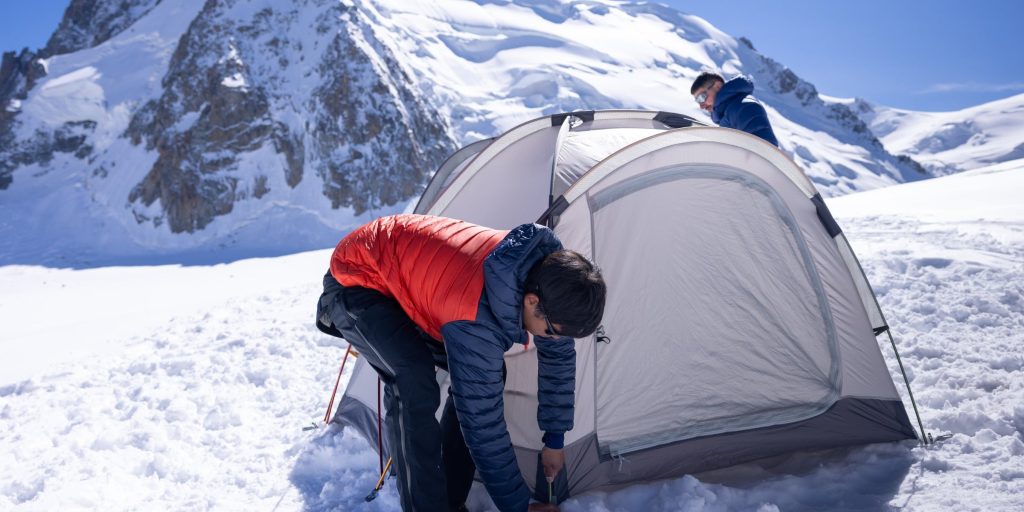
When the temperature drops and winter winds blow, keeping your tent warm can feel like a tough challenge. You want to stay cozy, comfortable, and safe inside your shelter—but how do you do that without bulky gear or expensive equipment?
This guide will show you simple, effective ways to keep your tent warm during cold weather. Whether you’re camping for fun or survival, these tips will help you enjoy your time outside without shivering through the night. Keep reading to discover easy tricks that make a big difference when the cold sets in.
Choosing The Right Tent
Keeping your tent warm in winter starts with picking the right tent. The right tent helps block cold wind and hold heat inside.
Some tents are made for cold weather. Choosing the right tent makes camping more comfortable in winter.
Materials That Retain Heat
Tent material affects how well it keeps heat. Look for thick fabrics that block wind and trap warmth.
Common heat-retaining materials include polyester and nylon with special coatings. These materials resist moisture and cold air.
- Polyester with polyurethane coating
- Nylon with silicone or waterproof coating
- Canvas for natural insulation
Tent Size And Shape
Smaller tents warm up faster than large ones. A compact tent uses your body heat to stay warm.
Shape also matters. Dome and tunnel tents keep heat better by reducing air space inside.
- Choose a tent that fits your group size snugly
- Dome shapes help keep warmth inside
- Tunnel tents block wind well
Insulated Tent Options
Some tents come with built-in insulation. These tents have extra layers that trap heat inside.
Look for tents with thermal liners or double walls. These features reduce heat loss on cold nights.
- Double-wall tents with air gap insulation
- Thermal liners made of fleece or reflective material
- Four-season tents designed for winter weather

Credit: www.reddit.com
Site Selection For Warmth
Choosing the right spot for your tent helps keep it warm in winter. A good site lowers the cold and wind.
Picking a warm location improves your comfort and safety during cold nights outdoors.
Sheltered Locations
Set up your tent near natural windbreaks. Trees, bushes, or rocks block cold winds well.
Choose a spot with some shelter to keep the air around your tent calm and warm.
- Look for dense trees or shrubs
- Use large rocks or boulders as shields
- Avoid open fields with no barriers
Sun Exposure Benefits
Pick a site that gets sunlight during the day. Sunlight warms the tent and the ground.
South-facing spots usually get the most sun in winter. This helps raise the temperature inside your tent.
- Find a clear area without tall trees blocking the sun
- Set your tent with the door facing the sun
- Use sunlight to dry any wet gear or clothing
Avoiding Windy Spots
Strong wind makes your tent colder. Avoid ridges, hilltops, and open plains where wind is strong.
Lower ground or valleys can be less windy places to camp. Find spots that block or slow the wind down.
- Check wind direction before setting your tent
- Stay away from exposed places with no cover
- Use natural barriers to reduce wind impact
Ground Insulation Techniques
Keeping your tent warm in winter is essential for comfort. Ground insulation is a key part of staying warm. It prevents cold from coming up through the ground.
There are several effective methods for insulating the ground in your tent. These techniques help maintain a warm and cozy environment during chilly nights.
Using Sleeping Pads And Mats
Sleeping pads and mats are great for insulation. They provide a barrier between you and the cold ground. These pads trap heat and keep you warm.
Choose a pad with good thickness and material. Foam or inflatable pads work well. A thicker pad offers more warmth.
- Foam pads are affordable and durable
- Inflatable pads are compact and lightweight
- Choose a pad with an R-value of 4 or higher
Adding Rugs Or Blankets
Rugs and blankets add an extra layer of insulation. Place them on the tent floor. They help block cold and add comfort.
Using thick rugs or blankets works best. They trap more heat and are more comfortable. This method is simple and effective.
- Use wool or fleece blankets for warmth
- Layer multiple blankets for extra insulation
- Consider using a picnic rug with a waterproof base
Creating A Thermal Barrier
A thermal barrier is another way to insulate your tent. Use materials like thermal blankets or reflective tarps. They reflect body heat back to you.
Place the thermal barrier underneath your sleeping pad. This adds an extra layer of warmth. It’s lightweight and easy to set up.
- Use a thermal blanket for added warmth
- Reflective tarps can be used as a base layer
- Ensure the barrier covers the entire sleeping area
Effective Sleeping Gear
Keeping a tent warm in winter starts with the right sleeping gear. It helps keep your body heat inside and the cold out. Using proper gear makes camping in cold weather much safer and more comfortable.
This guide covers three key ways to stay warm: choosing warm sleeping bags, layering with blankets, and wearing thermal clothing.
Choosing Warm Sleeping Bags
Pick a sleeping bag designed for winter use. Look for bags with good insulation and a temperature rating below freezing. Mummy-shaped bags keep heat better than rectangular ones. Also, check the material to ensure it blocks wind and moisture.
- Choose down or synthetic insulation
- Select a temperature rating below 0°F (-18°C)
- Use a mummy shape to trap heat
- Check for water-resistant outer fabric
Layering With Blankets
Adding blankets inside your sleeping bag adds extra warmth. Wool or fleece blankets work best. You can also use a reflective blanket under or over your sleeping bag to keep heat in.
| Type of Blanket | Best Use | Benefits |
| Wool Blanket | Inside sleeping bag | Retains heat even when damp |
| Fleece Blanket | Layer on top | Lightweight and soft |
| Reflective Blanket | Under or over sleeping bag | Reflects body heat back |
Wearing Thermal Clothing
Wear thermal clothes to keep your body warm. Thermal underwear and socks trap heat close to your skin. Avoid cotton because it holds moisture and makes you cold. Layering thermal clothes helps control body temperature better.
- Wear thermal tops and bottoms
- Use wool or synthetic socks
- Avoid cotton materials
- Layer clothes for better heat control
Heating Methods Inside The Tent
Keeping warm inside a tent during winter is important for comfort and safety. Using the right heating methods can make your camping trip more enjoyable.
This guide focuses on safe and simple ways to heat your tent. Learn how to use portable heaters, DIY heat packs, and hot water bottles effectively.
Safe Use Of Portable Heaters
Portable heaters can warm your tent quickly. Choose heaters made for indoor or tent use with safety features like automatic shut-off.
Always keep heaters on a flat, stable surface. Never leave them unattended while turned on. Ensure good ventilation to avoid carbon monoxide buildup.
- Use heaters with tip-over and overheat protection
- Keep heaters away from tent walls and flammable items
- Ventilate the tent to allow fresh air inside
- Turn off heaters before sleeping or leaving the tent
Diy Heat Packs And Warmers
You can make simple heat packs at home. Fill small cloth bags with rice, beans, or salt. Heat them in a microwave or near a fire to warm up.
These packs provide gentle, lasting warmth. Place them inside your sleeping bag or near your body to stay cozy during cold nights.
- Use natural fillers like rice or dried beans
- Heat packs for 1-2 minutes before use
- Check temperature to avoid burns
- Keep packs dry to prevent mold
Using Hot Water Bottles
Hot water bottles are easy and effective warmers. Fill them with hot water and seal tightly. Place them inside your sleeping bag for warmth.
They release heat slowly and can last for hours. Avoid direct skin contact to prevent burns. Use a cover or wrap the bottle in cloth.
- Fill bottles with hot, not boiling, water
- Seal caps tightly to prevent leaks
- Wrap bottles in towels or covers
- Place bottles near feet or torso for best warmth
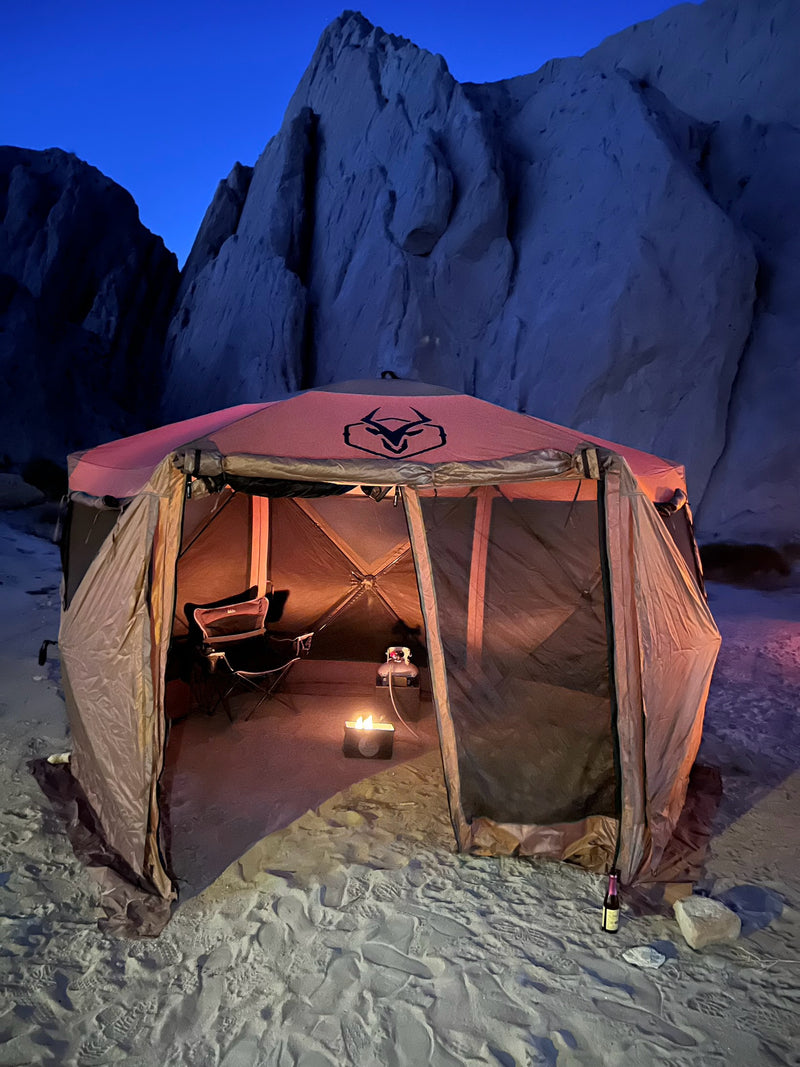
Credit: www.theshowerpouch.com
Ventilation Tips To Retain Warmth
Keeping a tent warm in winter needs good ventilation. It helps keep the air fresh and stops moisture build-up.
Without proper airflow, condensation can make the tent cold and damp. Use these tips to keep warmth inside while letting air flow.
Managing Condensation
Condensation happens when warm air meets cold surfaces in the tent. It can make your sleeping area wet and chilly.
To manage condensation, open vents or windows slightly. This lets moisture escape without losing much heat.
- Keep vents open even when cold
- Use a moisture-wicking tent floor
- Avoid drying wet clothes inside
Balancing Airflow And Heat
Good airflow brings fresh air but can also let heat out. Balance this by adjusting vents to control air movement.
Open vents on opposite sides of the tent for gentle cross-ventilation. This keeps air moving without strong drafts.
- Use small openings to reduce heat loss
- Close vents during strong winds
- Cover vents with mesh to block cold air
Sealing Tent Openings
Seal gaps around doors and windows to keep warm air inside. Use fabric flaps or tape if needed.
Check zippers and seams for holes. Fix any leaks to stop cold air from entering your tent.
- Use weatherproof tape on small holes
- Close doors tightly after entering
- Cover openings with extra fabric layers
Additional Warmth Hacks
Keeping your tent warm in winter takes more than just a good sleeping bag. Using extra tricks can help you stay cozy all night.
These simple hacks will add layers of warmth and protect you from cold winds and chilly air.
Using Reflective Blankets
Reflective blankets bounce your body heat back toward you. They are light and easy to carry in your backpack.
You can place a reflective blanket on the floor of your tent or wrap it around your sleeping bag for extra warmth.
Creating Windbreaks
A strong wind can make your tent much colder. Build windbreaks to block the wind and keep your tent warmer.
- Use natural barriers like bushes or trees
- Set up tarps or extra tent walls facing the wind
- Pile rocks or logs around your tent’s base
Wearing Hats And Gloves Inside
Much body heat escapes through your head and hands. Wearing hats and gloves inside your tent helps keep heat close to your body.
| Item | Benefit |
| Hat | Prevents heat loss from your head |
| Gloves | Keeps your hands warm and flexible |
| Wool Socks | Keeps feet warm and dry |
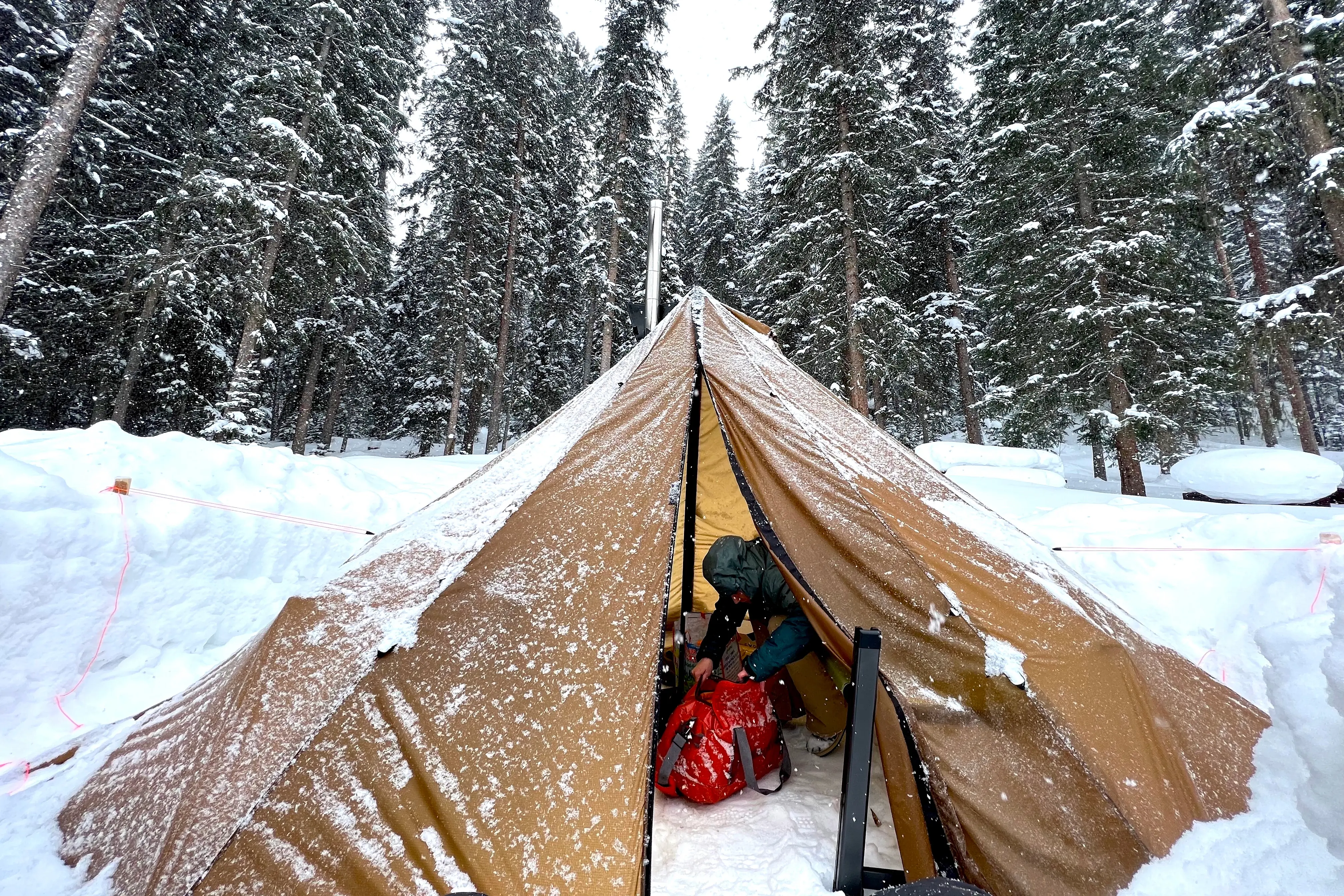
Credit: gearjunkie.com
Frequently Asked Questions
How Can I Insulate My Tent For Winter Camping?
Use foam mats or reflective blankets under your tent floor. Add an insulated tent footprint. Hang thermal curtains inside to retain heat. These methods reduce heat loss and keep the tent warmer during cold nights.
What Type Of Sleeping Bag Is Best For Cold Weather?
Choose a sleeping bag rated for temperatures lower than expected. Down insulation offers excellent warmth-to-weight ratio. Synthetic bags perform better in damp conditions. A mummy-shaped bag reduces heat loss effectively.
Can A Portable Heater Safely Warm My Tent?
Yes, but use heaters designed for indoor tent use. Always ensure proper ventilation to avoid carbon monoxide buildup. Follow manufacturer safety instructions strictly to prevent fire hazards and maintain air quality.
How Do Body Heat And Sleeping Arrangements Affect Warmth?
Sharing a tent retains heat from multiple bodies. Use sleeping pads and insulated liners to boost warmth. Close sleeping bags properly to trap body heat. Proper arrangement minimizes cold spots inside the tent.
Conclusion
Keeping your tent warm in winter takes simple steps and good planning. Use proper insulation and block wind to stay cozy. Dress in layers and use warm sleeping bags for extra heat. A small safe heat source can help but always be careful.
Check your tent for leaks and seal gaps. Stay dry to avoid cold and discomfort. With these tips, you can enjoy winter camping without freezing. Warm nights and happy camping!