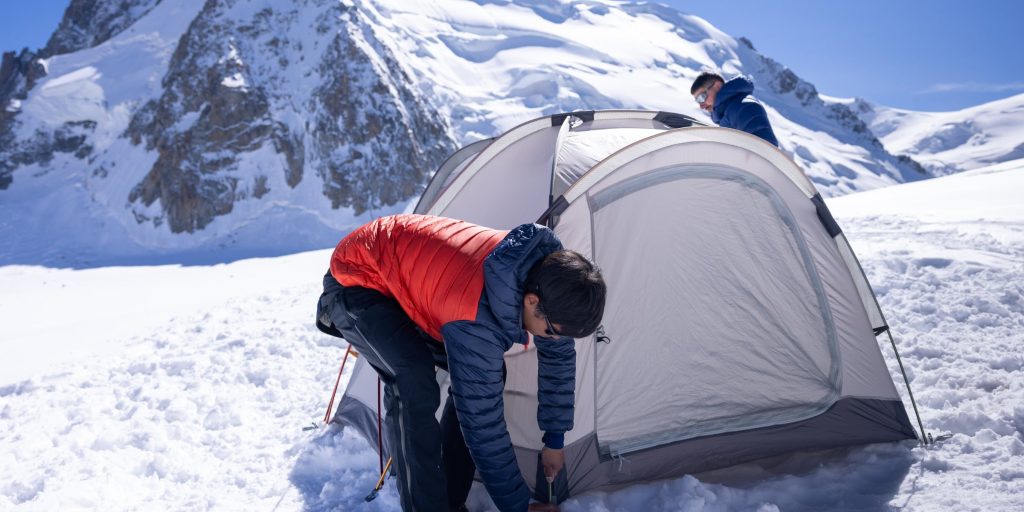
When winter camping, staying warm inside your tent can be a real challenge. You don’t want the cold to ruin your adventure or keep you awake all night.
Imagine snuggling into your sleeping bag, feeling cozy and comfortable no matter how freezing it is outside. That’s exactly what you’ll learn here. This guide will show you simple, effective ways to keep your tent warm in winter. By the end, you’ll be ready to enjoy the cold weather without shivering or worrying about the chill.
Keep reading to discover easy tips that make all the difference.
Choosing The Right Tent
Keeping your tent warm in winter starts with picking the right tent. Some tents are made for cold weather. Others work best in mild conditions.
Knowing the differences helps you stay warm and safe. This guide covers key factors to choose a tent for winter camping.
Four-season Vs Three-season Tents
Four-season tents are built to resist snow and strong winds. They use heavy materials and strong poles. These tents keep warmth better in cold weather.
Three-season tents work well in spring, summer, and fall. They are lighter and have more ventilation. These tents do not hold heat as well in winter.
- Four-season tents have sturdier frames.
- They often have less mesh to keep cold air out.
- Three-season tents are lighter but less warm.
- Choose four-season tents for snow and freezing temps.
- Use three-season tents only if weather is mild.
Insulated Tent Options
Some tents come with insulation or offer ways to add it. Insulation traps body heat inside the tent. It also blocks cold winds.
| Insulation Type | Description | Benefit |
| Double-wall design | Inner tent with outer rainfly | Reduces heat loss and condensation |
| Thermal liners | Additional fabric layers inside tent | Boosts warmth by trapping heat |
| Reflective blankets | Reflects body heat back inside | Improves heat retention |
| Windproof fabrics | Tightly woven outer layers | Keeps cold wind out |
Consider tents with these features for better warmth in winter camping.
Tent Size And Warmth
Size affects how warm your tent stays. A smaller tent warms up faster. Big tents need more heat to stay warm.
- Choose a tent close to your group size.
- Do not pick a tent too large for fewer people.
- More space means more cold air inside.
- Less space means body heat warms the tent better.
Pick the right size to keep heat inside and stay comfortable at night.

Credit: www.reddit.com
Insulation Techniques
Keeping your tent warm in winter is important for comfort and safety. Insulation helps block cold air and keep heat inside.
Using the right materials and methods can make a big difference. This guide covers simple ways to insulate your tent.
Using Ground Pads And Rugs
Cold ground can take away heat from your tent. Ground pads and rugs add a layer between you and the cold earth.
- Choose thick foam pads for best insulation.
- Lay rugs or blankets over pads for extra warmth.
- Cover the entire tent floor to prevent cold spots.
- Use moisture-resistant pads to keep dry.
Adding Tent Liners
Tent liners add an extra layer inside your tent walls. They trap warm air and reduce drafts.
| Liner Material | Benefits | Considerations |
|---|---|---|
| Fleece | Soft, warm, breathable | May absorb moisture |
| Reflective foil | Reflects body heat back inside | Can be noisy in wind |
| Quilted fabric | Thick and insulating | Heavier to carry |
Covering Tent With Tarps
Tarps add a protective layer outside your tent. They block wind and keep snow off your tent fabric.
- Use a waterproof tarp for wet snow and rain.
- Raise the tarp slightly for air circulation.
- Secure tarp edges well to avoid wind lift.
- Choose a tarp larger than your tent for full coverage.
Effective Heating Methods
Keeping a tent warm in winter is important for a comfortable camping trip. Using the right heating methods helps you stay cozy and safe.
Below are some effective ways to heat your tent during cold weather.
Safe Portable Heaters
Safe portable heaters are a good option to warm up your tent. Choose heaters designed for indoor or tent use.
Always follow the heater’s safety instructions to avoid fire hazards and carbon monoxide poisoning.
- Use propane or electric heaters made for tents
- Keep heaters away from flammable materials
- Ensure proper ventilation to avoid gas buildup
- Turn off heaters before sleeping or leaving the tent
Hot Water Bottles And Heat Packs
Hot water bottles and heat packs provide direct warmth inside your sleeping bag. They are easy to carry and safe.
Fill a bottle with hot water or activate heat packs before going to bed to keep your body warm.
- Use insulated covers to keep heat longer
- Place bottles near your feet or hands
- Use reusable or disposable heat packs
- Check temperature to avoid burns
Campfire Heat Management
A campfire outside your tent can provide warmth for your campsite. It helps heat up the area and your tent walls.
Manage your campfire safely and use it to dry clothes or warm water for your bottles.
- Build fire at a safe distance from your tent
- Use rocks to reflect heat toward your tent
- Keep fire small and manageable
- Extinguish fire completely before sleeping
Smart Sleeping Gear Choices
Keeping a tent warm in winter needs the right sleeping gear. Choosing smart gear helps keep your body heat in and cold out.
Focus on sleeping bags, pads, and blankets to create a warm sleeping setup. Each piece plays a key role in insulation.
Selecting Warm Sleeping Bags
Pick a sleeping bag rated for winter temperatures. Look for bags with good insulation like down or synthetic fill.
- Choose a mummy shape to reduce empty space
- Check the temperature rating matches your camping conditions
- Look for bags with draft collars and zipper baffles
- Consider bags with water-resistant outer shells
Layering With Sleeping Pads
Sleeping pads add insulation from the cold ground. Use more than one if needed to increase warmth.
| Type of Pad | Insulation Value (R-Value) | Best Use |
| Foam Pad | 2.0 to 3.0 | Base layer for ground insulation |
| Inflatable Pad | 3.0 to 5.0 | Comfort and warmth combined |
| Self-Inflating Pad | 4.0 to 5.5 | Good warmth and cushion |
Using Thermal Blankets
Thermal blankets trap body heat and add extra warmth. Use them inside your sleeping bag or around your body.
- Place a thermal blanket under your sleeping pad for ground heat reflection
- Wrap one around your shoulders inside the tent
- Choose blankets made from mylar or similar reflective materials
- Keep blankets dry and avoid tearing to maintain their effectiveness
Clothing And Layering Tips
Keeping warm in a tent during winter starts with wearing the right clothes. Layering helps trap heat and keeps cold air out.
Choosing the right materials and accessories can make a big difference in your comfort and safety.
Base Layers For Warmth
Base layers sit closest to your skin and help keep you warm by trapping body heat. Choose thin, tight-fitting clothes made from wool or synthetic fibers.
- Wear thermal underwear made from merino wool or polyester
- Choose moisture-wicking fabrics to stay dry
- Avoid bulky base layers that limit movement
Avoiding Cotton
Cotton absorbs sweat and keeps it close to your skin. This makes you cold and uncomfortable. Instead, use fabrics that dry quickly and keep you warm.
| Fabric | Properties | Winter Use |
| Cotton | Absorbs moisture, slow drying | Not recommended |
| Wool | Retains heat, moisture-wicking | Highly recommended |
| Polyester | Dries fast, lightweight | Recommended |
| Fleece | Insulating, breathable | Good as mid-layer |
Using Hats And Gloves
Hats and gloves keep your extremities warm, which helps your whole body stay warm. Choose items that fit well and block cold air.
- Wear insulated gloves that allow finger movement
- Choose hats that cover your ears completely
- Use liners under gloves for extra warmth
- Consider wool or fleece hats for better insulation
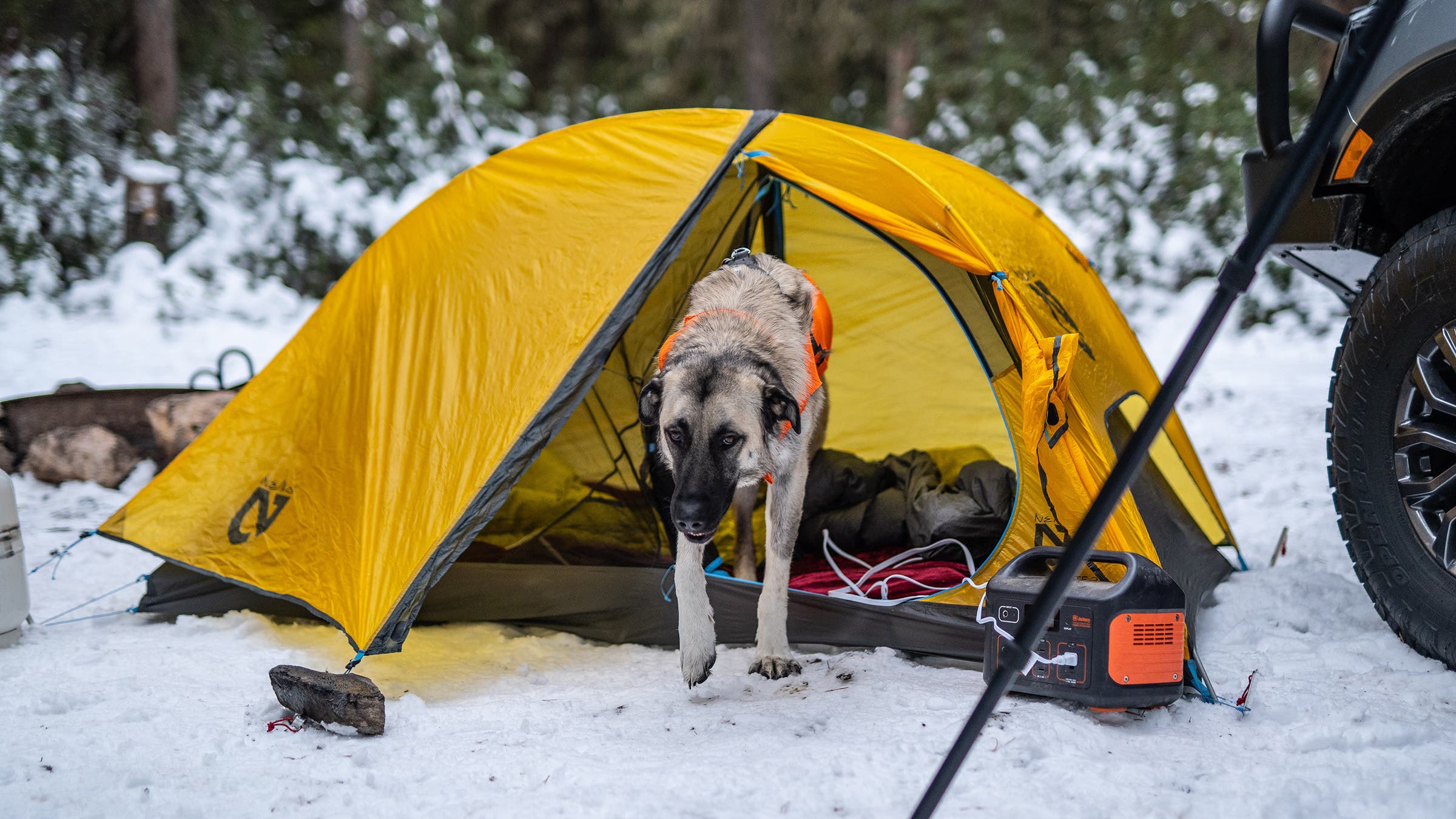
Credit: www.outsideonline.com
Ventilation And Moisture Control
Keeping a tent warm in winter needs good ventilation and moisture control. Without these, your tent can get cold and damp.
Proper airflow helps reduce moisture buildup. It also keeps the air inside fresh and dry.
Preventing Condensation
Condensation happens when warm air inside the tent meets cold surfaces. This causes water drops to form inside.
You can stop condensation by letting moist air escape. Avoid blocking vents with gear or clothes.
- Keep vents open even in cold weather
- Use a rainfly that allows air flow
- Do not dry wet clothes inside the tent
- Use moisture-absorbing products if needed
Proper Vent Placement
Place vents near the top and bottom of the tent. Warm air rises and cold air sinks, so this helps air move well.
Good vent placement stops warm air from getting trapped. It also stops moisture from building up inside.
- Use vents near the tent ceiling for warm air exit
- Use vents near the floor for fresh air intake
- Adjust vent openings based on outside weather
- Keep vents clear of snow or debris
Managing Humidity Inside Tent
Humidity builds up from breathing, cooking, and wet gear inside the tent. High humidity makes the tent feel cold and damp.
Control humidity by limiting moisture sources and improving airflow. Dry your clothes outside if possible.
- Cook outside the tent to avoid steam inside
- Store wet gear outside or in a vestibule
- Open vents during sleep to reduce moisture
- Use a small portable dehumidifier if needed
Additional Warmth Hacks
Keeping a tent warm in winter can be tough. Small tricks help keep the cold out and the heat in.
This guide covers easy ways to add warmth using drinks, insulation, and reflective materials.
Warm Drinks Before Bed
Drinking warm liquids before sleeping raises your body temperature. It helps you feel cozy inside your tent.
- Choose hot tea, cocoa, or warm milk
- Avoid drinks with caffeine that can disturb sleep
- Use an insulated mug to keep drinks hot longer
Insulating Doors And Windows
Cold air enters through gaps around doors and windows. Blocking these stops heat loss effectively.
| Insulation Method | Materials Needed | Effectiveness |
| Seal Gaps | Weatherstripping tape, foam | High |
| Cover Windows | Plastic film, bubble wrap | Medium |
| Use Draft Stoppers | Fabric tubes filled with sand | Medium |
Using Reflective Blankets
Reflective blankets bounce your body heat back. They add a layer of warmth inside your tent.
To use reflective blankets:
- Line the tent floor under your sleeping bag
- Wrap yourself in the blanket for extra heat
- Cover windows or walls to reflect heat inside

Credit: alpkit.com
Frequently Asked Questions
How Do You Insulate A Tent For Winter Camping?
To insulate a tent in winter, use a thermal blanket or tarp. Place it over the tent to trap heat. Add a foam sleeping pad under your sleeping bag for extra insulation. Seal any gaps with duct tape to prevent drafts.
This keeps the tent warm and comfortable.
What Are The Best Materials For Tent Insulation?
The best materials for tent insulation include reflective tarps, thermal blankets, and foam pads. Reflective tarps help retain heat inside the tent. Thermal blankets prevent heat loss effectively. Foam pads provide additional insulation from the cold ground. These materials are lightweight and easy to pack.
Can A Tent Heater Be Safely Used In Winter?
Yes, a tent heater can be safely used with precautions. Choose a heater designed for tent use, with safety features. Always ensure proper ventilation to prevent carbon monoxide build-up. Keep flammable materials away from the heater. Never leave the heater unattended while in use.
How Effective Are Sleeping Bags In Keeping Warm?
Sleeping bags are highly effective in retaining body heat. Choose a sleeping bag rated for the lowest expected temperature. Use a liner for added warmth. Ensure the sleeping bag fits snugly to minimize air circulation. This helps maintain warmth efficiently during cold nights.
Conclusion
Keeping your tent warm in winter takes some planning and simple steps. Use good insulation and keep the cold air out. Dress in layers and use warm sleeping bags. Small heat sources can help, but stay safe. These tips make cold nights more comfortable outdoors.
Enjoy your winter camping without feeling too cold. Stay warm, stay safe, and have fun in nature.