Are you tired of waking up to find your chickens’ water frozen solid? As the cold weather sets in, keeping your feathered friends hydrated becomes a tricky task.
You know how essential water is for their health, yet dealing with freezing temperatures can make it a daily challenge. Imagine having a simple solution that ensures your chickens always have access to fresh water, even on the chilliest days.
This guide will walk you through practical, easy-to-implement tips that will save you time and keep your chickens happy and healthy. Let’s dive into these clever strategies so you can spend less time worrying and more time enjoying your flock.

Credit: www.randyschickenblog.com
Why Chicken Water Freezes
Chicken water freezes because of low temperatures. Water turns solid at 32°F (0°C). When the weather drops below this point, water in chicken containers starts to freeze. This happens faster if the water is still and exposed to cold air. Wind chill and nighttime cold also speed up freezing.
Frozen water means chickens cannot drink. Understanding why water freezes helps in preventing it. This keeps chickens healthy and safe during winter.
Effects Of Cold Weather
Cold weather lowers water temperature quickly. Wind can cool water faster than still air. Nighttime temperatures often drop below freezing. Shaded areas freeze water quicker than sunny spots. Small water containers freeze faster than large ones. Ice forms on the surface and spreads inward.
Impact On Chicken Health
Frozen water stops chickens from drinking. Dehydration can cause serious health problems. Chickens need water to digest food and stay warm. Lack of water lowers their immune system. It reduces egg production and growth. Frozen water can cause stress and illness in chickens.
Credit: www.randyschickenblog.com
Choosing The Right Water Containers
Choosing the right water container helps keep your chickens’ water from freezing. The right container can slow down ice formation and make refilling easier. It also ensures your chickens always have access to fresh water, even in cold weather.
Material Matters
Plastic containers are lightweight and easy to clean. They do not absorb cold as much, which helps keep water warmer. Metal containers cool down quickly and can freeze faster. Avoid metal bowls in freezing temperatures. Ceramic containers are heavy and less likely to tip over. They hold temperature longer but can crack in extreme cold. Rubber containers provide good insulation and resist cracking. Choose materials that balance durability and insulation to keep water thawed.
Size And Shape Tips
Choose containers with wide openings to prevent ice buildup on the edges. Shallow containers freeze faster, so pick deeper ones to hold more water. Larger containers hold more water but may freeze slower in cold. Small containers freeze quickly but are easier to change often. Round shapes help prevent ice from sticking to edges. Avoid containers with sharp corners where ice can form. Pick a size and shape that fits your coop space and number of chickens.
Diy Heating Solutions
Keeping your chickens’ water from freezing during cold months can be a real challenge. DIY heating solutions offer a cost-effective and practical way to ensure your birds stay hydrated. These simple methods often use materials you already have, making them easy to set up and maintain.
Using Heated Water Bowls
Heated water bowls are designed to keep water above freezing without the need for complicated wiring or high electricity bills. You can buy them or create your own using a shallow bowl placed inside a larger insulated container with a low-wattage heating element.
Make sure the heating element is waterproof and safe for outdoor use. Position the bowl in a sheltered spot to prevent wind from cooling the water too quickly. Have you checked your local hardware store for low-cost heating pads that can fit under or around the water container?
These bowls require minimal attention once set up, but always test the temperature before letting your chickens drink. Too hot water can be harmful, so aim for just above freezing.
Homemade Heat Packs
Heat packs are another easy DIY option to keep water from freezing. You can make one by filling a sock or small cloth bag with uncooked rice or dried beans. Microwave it for a minute or two until warm, then place it near the water container.
The pack will slowly release heat, helping to keep the water temperature above freezing for several hours. This method works well if you check and reheat the pack daily.
Have you tried experimenting with different fillings like sand or small pebbles to see which retains heat longest? Keep in mind the pack should never be too hot to touch, to avoid discomfort for your chickens.
Insulation Techniques
Keeping chicken water from freezing is vital during cold months. Insulation techniques help slow heat loss. This ensures water stays liquid longer. Proper insulation saves time and effort. It also keeps chickens healthy and hydrated. Two effective ways to insulate water containers include wrapping with materials and using shelters to block wind.
Wrapping With Insulating Materials
Wrap water containers with materials that trap heat. Use items like foam, bubble wrap, or old blankets. These materials form a barrier against cold air. Secure the wrap tightly around the container. Cover as much surface as possible, especially the sides and bottom.
Insulating wraps reduce heat loss through conduction and convection. Avoid plastic wraps that trap moisture inside. Moisture can freeze and damage the insulation. Replace or dry wraps regularly to maintain effectiveness.
Using Shelters To Block Wind
Wind removes heat quickly from water surfaces. Blocking wind slows down freezing. Place water containers inside a small shelter or windbreak. Use wood, plastic panels, or even a cardboard box to build the shelter.
Position shelters on the side where wind is strongest. Keep openings small to allow easy access for chickens. A shelter also protects water from snow and ice buildup. Combine shelter use with wrapping for best results.
Placement Strategies
Placement strategies can make a big difference in keeping your chickens’ water from freezing during cold weather. Where and how you position the waterers affects their exposure to cold and wind. Small changes in placement can save you time and effort in constantly breaking ice.
Positioning Near Heat Sources
Placing water containers close to natural or artificial heat sources helps maintain liquid water longer. Consider putting waterers near the chicken coop’s warmest wall or close to a heat lamp if you use one safely.
Even the warmth from sunlight on a south-facing wall can delay freezing. Have you noticed how snow melts faster near your house’s sunny side? Use that idea to your advantage.
Be careful not to place waterers too close to heat sources that can cause overheating or safety hazards. The goal is gentle warmth, not a fire risk.
Elevating Waterers
Raising water containers off the cold ground reduces heat loss through contact with frozen soil. You can use sturdy platforms, bricks, or wooden pallets to lift the waterers a few inches.
This small gap underneath allows air to circulate and keeps the bottom warmer than the frozen ground. Elevation also keeps water cleaner by reducing dirt and snow getting inside.
Have you tried placing a waterer on a raised stand? It’s a simple trick that often extends the time before ice forms.
Regular Maintenance Tips
Regular maintenance is key to keeping chicken water from freezing. Cold weather can cause ice to form quickly. Staying on top of maintenance helps ensure your chickens always have fresh water. Consistent care prevents health issues and keeps your flock happy. Follow these tips to maintain water quality and temperature.
Frequent Water Changes
Change the water often to stop freezing. Fresh water warms up faster and stays clean. Cold water freezes quickly, so check it twice a day. Replace any icy water immediately. Using warm water helps slow down ice formation. Keeping water moving also stops ice from forming.
Cleaning And Monitoring
Clean water containers regularly to remove dirt and algae. Dirty water freezes faster and can harm chickens. Use a brush and mild soap, then rinse well. Watch water temperature and refill when levels get low. Inspect containers daily to spot cracks or leaks. Proper cleaning and monitoring keep water safe and fresh.
Alternative Water Sources
Providing fresh water for chickens during cold months is a challenge. Alternative water sources can help stop freezing. These sources keep water accessible and safe for chickens. Using such options reduces the effort needed to break ice daily. They create a steady supply of water without constant attention.
Using Automatic Waterers
Automatic waterers supply water without manual refilling. They connect to a water line or use a reservoir. Water flows as chickens drink, reducing spills and waste. Many models have insulated parts to slow freezing. Some include covers to block cold wind.
These waterers offer convenience and keep water cleaner. They work well in winter with occasional checks. Simple designs use gravity or float valves for control. Automatic waterers save time and keep chickens hydrated.
Heated Water Dispensers
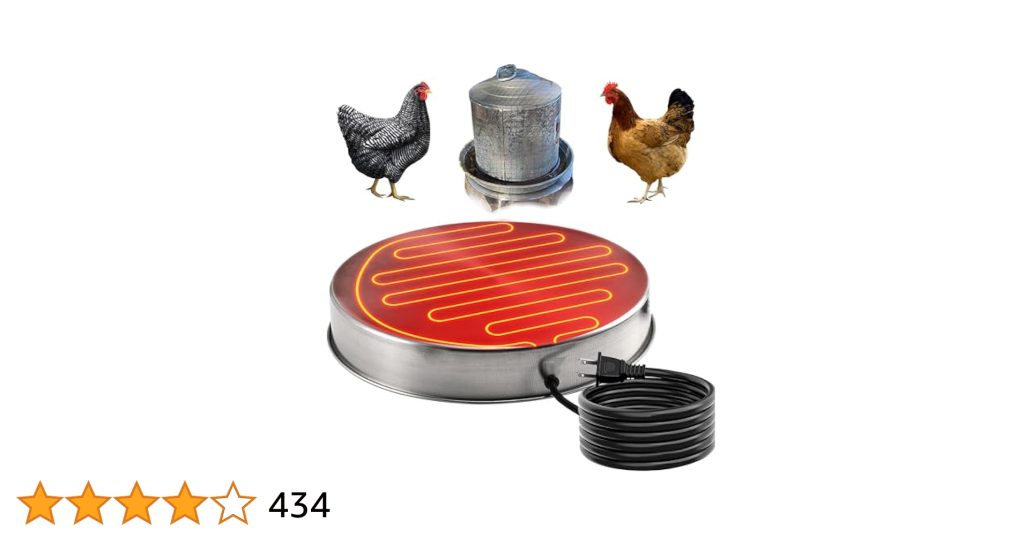
Heated water dispensers keep water above freezing with built-in heaters. They plug into electricity and maintain a warm temperature. Some have thermostats to turn heat on only when needed. This feature saves energy and prevents overheating.
These dispensers come in many sizes and shapes. Heated bowls and tanks suit different flock sizes. They ensure water is always liquid and ready to drink. Using heated dispensers removes ice worries completely.

Credit: www.azurefarmlife.com
Frequently Asked Questions
How Can I Prevent Chicken Water From Freezing In Winter?
Use heated waterers or place water containers in insulated shelters. Change water frequently and use warm water to slow freezing.
What Materials Keep Chicken Water Thawed Longer?
Metal and plastic containers conduct cold quickly. Use insulated or heated containers to maintain water temperature longer.
Are Heated Water Bowls Safe For Chickens?
Yes, heated water bowls designed for poultry are safe. They prevent freezing and ensure chickens have constant water access.
How Often Should I Check Chicken Water In Cold Weather?
Check chicken water at least twice daily in freezing temperatures. Ensure it’s not frozen and refill with fresh water as needed.
Conclusion
Keeping chicken water from freezing takes simple steps and care. Use warm water and check it often. Try heated waterers or place containers where sunlight reaches. Insulate water containers to keep cold away. These actions help chickens stay healthy and drink water.
Cold water can stop chickens from drinking enough. Stay alert and act quickly when temperatures drop. Your chickens will thank you with good health and strong eggs. Small efforts make a big difference in winter care.