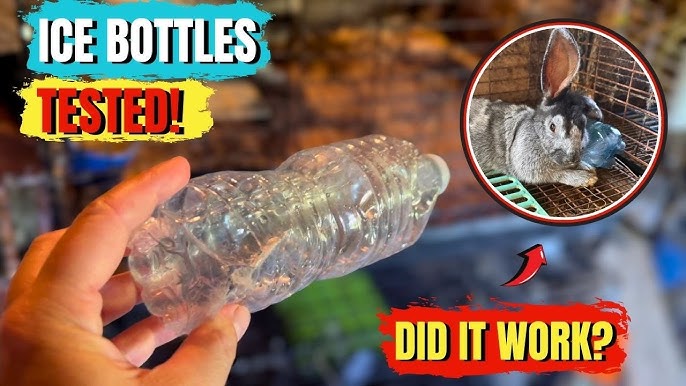
If you have rabbits, you know how important it is to keep their water fresh and flowing, especially during cold weather. But when temperatures drop, water bottles can freeze quickly, leaving your furry friends thirsty and uncomfortable.
You don’t want that to happen, right? You’ll discover simple and effective ways to stop your rabbits’ water bottles from freezing. By the end, you’ll have easy tips to keep your pets happy and hydrated no matter how cold it gets outside.
Keep reading to learn how to protect your rabbits and make winter care stress-free.
Credit: rabbittalk.com
Why Water Bottles Freeze In Winter
Water bottles freezing in winter is a common problem that many rabbit owners face. Understanding why this happens can help you take better care of your furry friends during cold months. Let’s break down the reasons behind this chilly challenge so you can keep your rabbits hydrated without interruption.
Temperature Effects On Water
Water freezes when temperatures drop to 32°F (0°C) or below. In winter, especially overnight, outdoor or unheated indoor areas often reach these freezing points. Even if the air temperature is slightly above freezing during the day, water in bottles can freeze because the bottle surface loses heat quickly.
Have you noticed how a small water bottle freezes faster than a large container? This happens because smaller volumes of water lose heat more rapidly. The material of the bottle also matters—plastic bottles tend to freeze faster than insulated or metal ones.
Common Freezing Issues In Rabbits’ Bottles
Frozen water bottles mean your rabbit can’t drink, which can lead to dehydration and health issues. Common issues include:
- Ice Blockage:Ice forms at the nozzle, preventing water flow even if some liquid remains inside.
- Freezing Entire Bottle:When the whole bottle freezes solid, it becomes unusable until thawed.
- Difficulty Refilling:Frozen bottles are hard to refill or clean quickly, adding to daily care challenges.
I once left a water bottle outside overnight during a cold snap and found it completely frozen by morning. My rabbit was thirsty and restless until I replaced it. This experience made me realize how important it is to monitor water bottles closely during winter.
Have you checked your rabbit’s water bottle first thing in the morning? It might be frozen without you noticing, affecting your pet’s hydration throughout the day.
Ideal Water Bottle Materials
Choosing the right material for your rabbit’s water bottle helps prevent freezing. Some materials keep water warmer longer. Others resist damage and stay safe for rabbits. The ideal bottle balances warmth, durability, and safety. This keeps your pet hydrated during cold weather.
Insulated Bottles
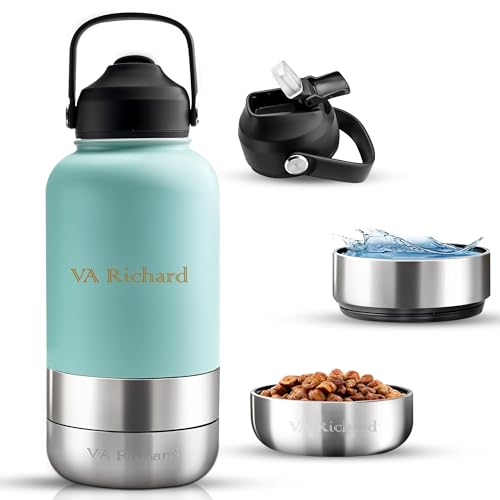
Insulated water bottles keep water temperature steady. They stop cold air from reaching the water inside. This reduces the chance of freezing. Double-walled bottles work best. They have an air gap between two layers that traps heat.
These bottles often use stainless steel or thick plastic. Both materials help keep water from freezing for hours. Insulated bottles also protect water from external cold. This makes them ideal for outdoor hutches in winter.
Durable And Safe Options
Durability is key for rabbit water bottles. Rabbits chew and nudge their bottles often. Materials like stainless steel and BPA-free plastic last long. They resist cracks and leaks.
Safety matters too. Avoid bottles with harmful chemicals. BPA-free plastics prevent toxins from mixing with water. Stainless steel is non-toxic and easy to clean.
Look for bottles with strong, chew-proof parts. This keeps water clean and prevents spills. Durable and safe materials ensure your rabbit always has fresh water.
Placement Strategies To Prevent Freezing
Placement plays a key role in stopping water bottles from freezing for rabbits. Choosing the right spot can keep water flowing even in cold weather. Proper placement uses natural warmth and protection to maintain water temperature. This section explores smart ways to position water bottles to prevent freezing.
Indoor Vs Outdoor Positioning
Placing water bottles indoors helps keep water warmer. Indoor areas have stable temperatures and less wind. This reduces the chance of freezing. Use a room or enclosed porch where rabbits spend time.
Outdoor placement needs more care. Direct sunlight warms the bottle during the day. Avoid open spaces where wind chills the water fast. Position bottles near walls or fences to block cold air.
Sheltered And Warm Areas
Choose spots shielded from wind and drafts. Use natural or artificial barriers like bushes or wooden boxes. These block cold air and hold heat longer.
Place bottles near heat sources like sunny windows or heat lamps. Avoid direct contact with heat to prevent overheating. A balance of warmth and protection keeps water liquid.
- Under rabbit hutches or cages for cover
- Inside insulated boxes or containers
- Near thick walls that absorb daytime heat

Credit: www.tractorsupply.com
Diy Insulation Methods
Keeping your rabbit’s water bottle from freezing during chilly months can be a real challenge. DIY insulation methods offer simple, cost-effective ways to protect the water from ice buildup. These techniques use materials you likely already have at home, making them both practical and easy to apply.
Using Foam And Fabric Wraps
Foam and fabric wraps act as barriers, slowing down the cold air that reaches the water bottle. You can cut a piece of foam to the size of your bottle and wrap it around snugly. Adding an outer layer of fabric, like fleece or old sweaters, improves insulation and keeps the foam dry.
Think about how a cozy jacket works for you—it traps body heat and blocks wind. Your rabbit’s water bottle needs the same kind of protection. Have you tried using different materials to see which keeps the water cold-free the longest?
- Cut foam sheets to fit around the bottle
- Wrap with fleece fabric or thick cloth
- Secure with rubber bands or Velcro strips
Creating Protective Covers
Protective covers offer an extra layer of defense by shielding the bottle from direct exposure to cold air. You can sew a simple cover using insulated fabric or even repurpose an old sock. Make sure the cover fits well and covers the bottle’s entire surface except the drinking spout.
Adding a drawstring or elastic band at the top helps keep the cover in place, especially if your rabbit is active. Have you noticed how much easier it is to manage water bottles when they’re protected by a cover? It reduces freezing and cuts down on your daily maintenance.
- Choose insulated or thick fabric for better warmth
- Sew or glue the fabric into a snug cover
- Add elastic or drawstring for a secure fit
Heating Solutions For Water Bottles
Keeping your rabbit’s water bottle from freezing is crucial in cold weather. Heating solutions help maintain the right water temperature. These solutions ensure your pet stays hydrated and healthy. Simple and safe heating methods work best for water bottles.
Safe Heating Pads
Heating pads made for pets offer gentle warmth without risks. They prevent water from freezing by keeping the bottle warm. Choose pads with low voltage and automatic shut-off features. Place the pad under or around the water bottle. Avoid direct contact with the bottle surface to prevent overheating.
Regularly check the pad for damage or heat levels. Use heating pads designed specifically for animals. This ensures safety and effective warmth.
Warm Water Refills
Refilling the water bottle with warm water is a simple way to stop freezing. Use water that is comfortably warm, not hot. This keeps the bottle temperature higher for longer periods. Refill multiple times a day during very cold weather.
Keep a thermos of warm water nearby for quick refills. This method is easy and requires no special equipment. It also guarantees fresh and safe drinking water for your rabbit.

Credit: www.amazon.com
Regular Maintenance And Checks
Regular maintenance and checks are essential to keep water bottles from freezing for rabbits. Routine care helps spot early problems and keeps water flowing smoothly. Consistent attention prevents blockages and freezing issues. This section covers simple steps to maintain and check water bottles daily.
Daily Inspection Routines
Check the water bottle every day. Look for ice or frost around the nozzle and bottle. Ensure the water flows freely when the rabbit drinks. Feel the bottle to see if it is too cold. Replace or refill the bottle with fresh water. Keep the bottle away from cold walls or drafts. Use a small cloth to wipe off any moisture or dirt. These small checks stop freezing before it starts.
Cleaning Tips To Avoid Blockages
Clean the water bottle regularly to avoid blockages. Remove the bottle and rinse it with warm water. Use a bottle brush to scrub inside, especially the nozzle area. Check for algae, dirt, or slime buildup. Clean the metal nozzle carefully to keep it clear. Use mild soap if needed, then rinse thoroughly. Dry the bottle before refilling to prevent ice formation. Clean bottles flow better and last longer.
Alternative Watering Options
Keeping rabbits hydrated during cold weather can be tricky. Water bottles freeze quickly, cutting off access to fresh water. Alternative watering options help keep water liquid and safe for rabbits. These options work well in freezing temperatures and require less daily maintenance.
Water Bowls With Antifreeze Measures
Water bowls provide an open source of water that rabbits can drink from easily. Using bowls designed to prevent freezing is key. Heated water bowls or bowls placed on insulated surfaces slow down freezing. Adding a small floating ball in the bowl helps keep water moving. Moving water freezes slower than still water. Change the water regularly to maintain cleanliness. Use materials that do not crack in cold weather, like heavy-duty plastic or ceramic.
Automatic Waterers With Temperature Control
Automatic waterers with built-in temperature control keep water at safe drinking temperatures. These devices have sensors that activate heating elements when water gets too cold. They provide a steady supply of liquid water without daily refills. Many models have durable designs for outdoor use. Some come with timers to regulate heating and save energy. Automatic waterers reduce the risk of frozen water and dehydration. They are ideal for rabbit owners who live in very cold climates.
Frequently Asked Questions
How Can I Prevent Rabbit Water Bottles From Freezing?
Insulate the water bottle with a cozy sleeve or wrap it in foam. Place it in a warmer spot or use a heated water bottle designed for pets.
What Materials Keep Rabbit Water Bottles From Freezing?
Use insulating materials like foam, fleece sleeves, or bubble wrap. These materials help retain heat and protect water from freezing in cold weather.
Are Heated Water Bottles Safe For Rabbits?
Yes, heated water bottles made for pets are safe. Ensure the temperature is moderate and check regularly to prevent overheating or burns.
How Often Should I Check My Rabbit’s Water Bottle In Winter?
Check the water bottle at least twice daily. This ensures water isn’t frozen and your rabbit stays hydrated and healthy during cold weather.
Conclusion
Keeping water bottles from freezing is crucial for rabbit health. Simple methods can make a big difference. Use insulating materials like socks or covers. Rotate bottles regularly to keep them fresh. Warm water helps delay freezing. Check bottles often during cold days.
Invest in heated water bottles for extreme cold. Keeping water accessible ensures rabbits stay hydrated. A bit of effort keeps your rabbits safe and comfortable. Remember, small steps lead to big improvements. Your rabbits will thank you.