
Keeping water from freezing for your cattle is more important than you might think. When water freezes, your animals can’t drink, which can lead to serious health issues and lower milk or weight gain.
You want to make sure your cattle stay healthy and comfortable, even in the coldest weather. You’ll discover simple, effective ways to keep your water flowing all winter long. By the time you finish reading, you’ll have practical solutions that save you time, effort, and worry.
Let’s dive in and make sure your cattle never go thirsty, no matter how cold it gets.
Choosing The Right Water Source
Choosing the right water source is crucial for keeping your cattle hydrated and healthy during freezing temperatures. The water source you select affects not only water availability but also how easily you can prevent it from freezing. Understanding the differences between natural and artificial sources, along with assessing accessibility, will help you make the best choice for your cattle’s needs.
Natural Vs. Artificial Sources
Natural water sources include ponds, streams, and springs. These often provide a steady supply but can freeze quickly in cold weather, making access difficult. You might have noticed how a small pond on your farm can freeze solid overnight, leaving your cattle without water.
Artificial sources, such as water tanks and troughs, give you more control over water access. They are easier to manage with heaters or insulation to keep water from freezing. However, they require regular maintenance and electricity, which might not be convenient in remote areas.
Consider these points:
- Natural sources may require less setup but more monitoring.
- Artificial sources need investment but offer better freeze prevention options.
- Combining both can sometimes balance cost and reliability.
Evaluating Water Accessibility
Think about how easy it is for your cattle to reach the water source during winter. A water trough placed too far from shelter or feeding areas might be ignored when conditions are harsh. You’ve probably seen your cattle avoid a frozen pond simply because it’s too cold or slippery to reach safely.
Accessibility also involves how often you can check and refill the water. If the source is difficult to reach in deep snow, maintaining water flow becomes a challenge. You want a setup that allows quick access for both your cattle and yourself.
Ask yourself:
- Is the water source protected from wind and snow buildup?
- Can you easily add heaters or covers to prevent freezing?
- Does the location encourage consistent drinking even in cold weather?
Choosing the right water source means balancing natural availability with practical management. Your cattle depend on you to make water accessible, safe, and free-flowing, no matter how low the temperature drops.
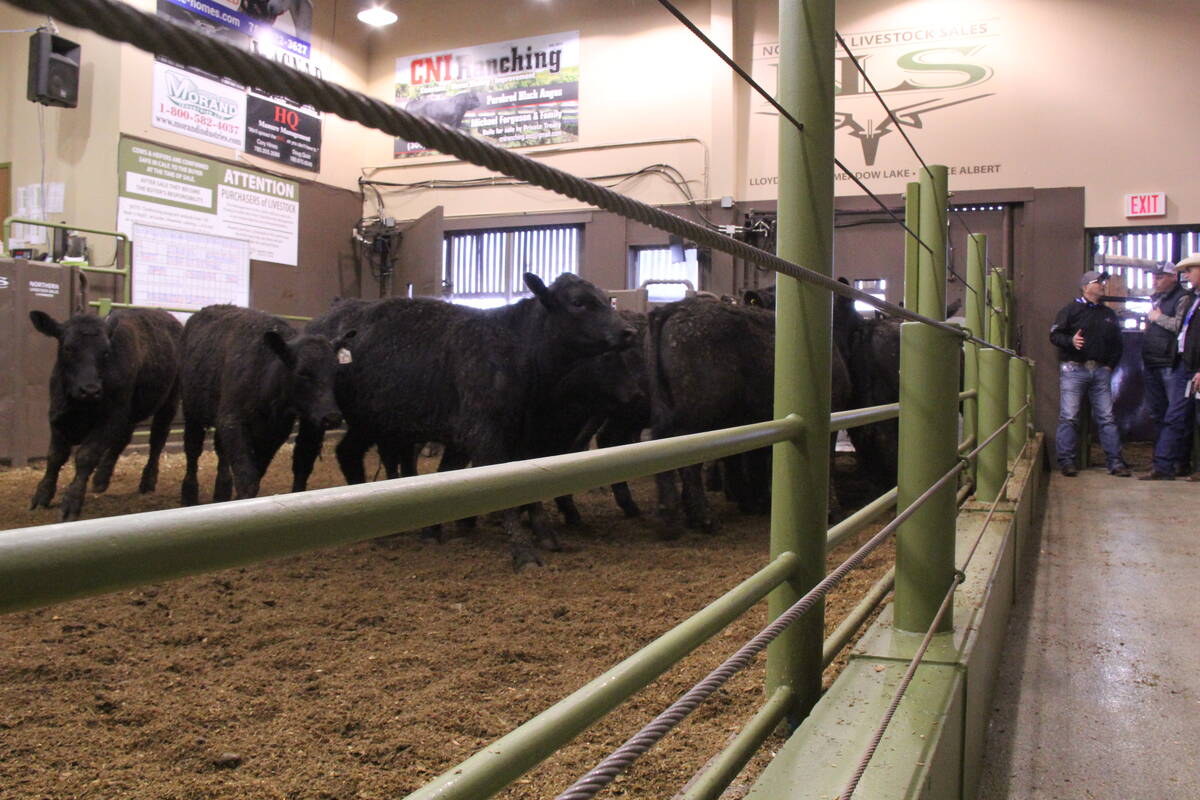
Credit: www.canadiancattlemen.ca
Insulation Techniques
Keeping water from freezing is essential for your cattle’s health during cold months. Insulation techniques help maintain water temperature and reduce ice formation. These practical methods can save you time and energy while ensuring your animals always have access to fresh water.
Using Heated Water Tanks
Heated water tanks are a reliable way to keep water from freezing. These tanks use built-in heating elements that maintain water above freezing, so you don’t have to break ice constantly. I once switched to a heated tank, and it cut down my daily checks drastically.
Look for tanks with adjustable thermostats to control water temperature efficiently. It’s important to choose models designed for outdoor use to withstand harsh weather. Remember, energy costs can rise, but the convenience and cattle well-being often outweigh the expense.
Applying Thermal Covers
Thermal covers act like blankets for your water troughs, reducing heat loss. These covers trap warmth and block cold air from chilling the water. You can use foam pads or insulated lids made specifically for cattle tanks.
Adding a cover is simple, but make sure it fits securely to prevent animals from knocking it off. I found that combining covers with occasional stirring of water keeps it from freezing even on the coldest nights. Have you tried layering covers for extra insulation?
Building Windbreaks
Windbreaks protect water sources by reducing exposure to freezing winds. You can build these from wood, metal, or even dense shrubbery placed strategically around your water area. Blocking wind cuts down on the chilling effect and slows ice formation.
Consider the direction of prevailing winds on your farm to position windbreaks effectively. I placed a simple wooden fence on the north side of my troughs, and it made a noticeable difference in water temperature. What natural materials do you have on hand that could serve as a wind barrier?
Heating Options
Keeping water from freezing is vital for cattle health during cold months. Heating options provide reliable ways to maintain liquid water. These tools help ensure animals drink enough water, preventing dehydration and illness.
Choosing the right heating solution depends on farm size, budget, and power availability. Each option offers unique benefits to keep water thawed and accessible.
Electric Heaters
Electric heaters are common for preventing water freezing. They plug into standard outlets and warm water continuously. Many models have built-in thermostats to save energy. Electric heaters work well in barns or areas with electricity access. They are simple to install and maintain. Safety features often include waterproof designs and automatic shut-off to avoid overheating.
Solar-powered Solutions
Solar-powered heaters use sunlight to warm water. These systems are eco-friendly and reduce electricity costs. Solar panels charge batteries that power heating elements. They are ideal for remote locations without electrical outlets. Solar heaters require proper sunlight and may need backup power in cloudy weather. They provide a sustainable choice for farmers aiming to cut energy use.
Water Tank De-icers
Water tank de-icers are designed to float inside water tanks. They emit heat to prevent ice formation directly in the water. De-icers come in various sizes to fit different tank capacities. They operate on electricity and are easy to install. These devices help maintain water temperature above freezing, even in harsh weather. Durable and weather-resistant materials ensure long-term use.
Manual Methods
Manual methods help keep water from freezing without special tools. These techniques are simple and effective for small herds or quick fixes. They require regular attention but keep cattle hydrated during cold weather.
Regular Water Stirring
Stirring water breaks ice before it forms fully. Use a stick or paddle to move water gently. This action stops ice from building up on the surface. Stirring several times a day keeps water fresh and accessible. It is a low-cost way to prevent freezing.
Adding Warm Water
Pouring warm water into the trough raises the water temperature. Use water that is warm, not hot, to avoid harming cattle. This method melts thin ice and slows new ice formation. Repeat adding warm water during very cold days. It helps maintain a liquid water source for animals.
Breaking Ice Safely
Break thick ice carefully to avoid damage. Use a flat tool or rubber mallet to chip the ice gently. Avoid sharp or heavy tools that might crack the trough. Remove broken ice pieces quickly to clear the water surface. Safe ice breaking ensures cattle can drink without injury.
Placement And Maintenance
Proper placement and regular maintenance of water tanks help keep cattle water from freezing. Strategic location reduces cold exposure. Good upkeep ensures clean, flowing water. Both factors improve cattle health in winter.
Optimal Tank Location
Place water tanks where sunlight hits during the day. Avoid shaded or windy spots to reduce ice formation. Position tanks near barn or shelter for easy access. Use natural windbreaks like trees or fences to block cold winds. Elevate tanks slightly to prevent snow buildup around the base.
Routine Cleaning
Clean water tanks regularly to remove dirt and algae. Dirty tanks freeze faster and reduce water quality. Use a brush and mild detergent to scrub tanks monthly. Rinse thoroughly to avoid harmful residues. Keep lids or covers clean to prevent debris entry.
Monitoring Water Levels
Check water levels daily during cold weather. Low water freezes quicker and leaves less for cattle. Refill tanks promptly to maintain a steady supply. Use insulated or heated waterers to keep water liquid. Monitor ice buildup and break it safely if needed.
Alternative Watering Systems
Keeping water from freezing is crucial for cattle health during cold months. Alternative watering systems provide reliable ways to supply fresh water. These systems prevent ice buildup and ensure cattle stay hydrated. Choosing the right system depends on farm size, budget, and climate severity.
Automatic Waterers
Automatic waterers offer constant water supply without manual refilling. They use a float valve to maintain water level. Many models include heating elements to stop freezing. These waterers save time and reduce labor in winter. Installation near shelter helps cattle access water easily.
Heated Buckets
Heated buckets are simple and effective for small herds. They plug into power sources to keep water warm. The heating element prevents ice formation inside the bucket. Regular checks ensure the bucket works properly. This option is portable and requires minimal setup.
Insulated Pipelines
Insulated pipelines protect water lines from freezing underground. Foam or fiberglass insulation wraps around pipes. Some systems include heat tapes or cables for extra warmth. Insulated pipelines reduce water loss and damage risk. They work well for larger operations with fixed water points.
Safety Considerations
Keeping water from freezing for cattle requires careful attention to safety. Cold weather solutions often involve electrical devices and chemicals. These can pose risks if not handled properly. Protecting animals and handlers is a top priority. Safety measures prevent accidents and harm to livestock. This section covers key safety tips for winter water management.
Preventing Electrical Hazards
Use only waterproof and outdoor-rated heaters. Check cords and plugs for damage before use. Avoid placing cords where animals can chew them. Secure cables off the ground and away from water. Install ground-fault circuit interrupters (GFCIs) for all electrical equipment. Turn off heaters when not supervised to reduce fire risk. Regularly inspect devices for signs of wear or malfunction.
Avoiding Toxic Materials
Do not use antifreeze or chemicals toxic to animals near water sources. Avoid salt or de-icing products that animals might ingest. Choose safe, animal-friendly additives if needed. Store all chemicals far from cattle access areas. Label containers clearly and keep lids secure. Dispose of hazardous materials according to local regulations.
Ensuring Animal Safety
Place water tanks where cattle can reach easily without slipping. Use non-skid mats or rough surfaces around water troughs. Monitor water temperature to prevent burns from heaters. Keep water clean and free of debris or ice chunks. Check animals regularly for signs of cold stress or dehydration. Provide shelter near water sources to protect cattle from wind and cold.

Credit: www.horsedrinker.com
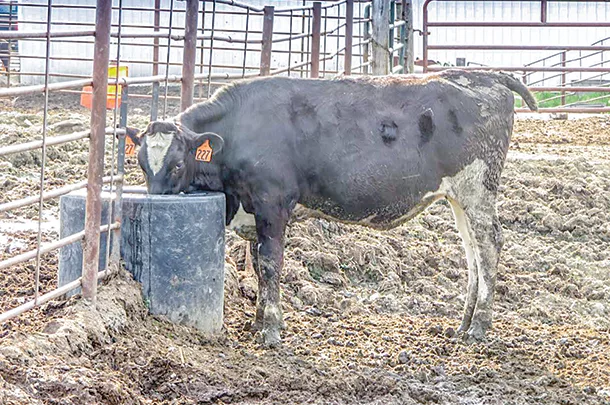
Credit: www.agproud.com
Frequently Asked Questions
How Can I Prevent Cattle Water From Freezing In Winter?
Use insulated or heated water tanks to keep water above freezing. Place water containers in sunny areas. Regularly check and remove ice buildup to ensure cattle have access to liquid water.
What Are The Best Heaters For Cattle Water Tanks?
Floating heaters and submersible tank heaters are effective. They maintain water temperature without harming cattle. Choose energy-efficient models to reduce costs and ensure consistent water availability during cold weather.
Can Salt Help Keep Water From Freezing For Cattle?
Adding salt to water lowers freezing temperature slightly. However, excessive salt can harm cattle. It’s safer to use heaters or insulation rather than relying on salt to prevent freezing.
How Often Should I Check Cattle Water In Freezing Weather?
Check water at least twice daily in freezing conditions. Remove any ice that forms to keep water accessible. Frequent checks prevent dehydration and ensure cattle health during winter months.
Conclusion
Keeping cattle’s water from freezing is crucial for their health. Use reliable methods to ensure a steady water supply. Insulated buckets and trough heaters work well. Regularly check water sources during winter. Simple actions can prevent ice formation. Healthy cattle need constant access to fresh water.
Implement these strategies for a stress-free winter. Remember, your cattle depend on you for their needs. Keep them hydrated and healthy, even in the coldest months. Stay proactive. Your efforts will ensure their well-being throughout winter.