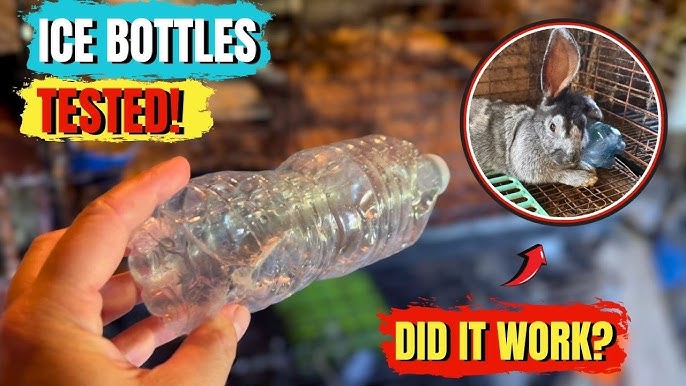
Imagine waking up to a chilly morning, only to discover that your rabbit’s water has turned into a solid block of ice. You know that keeping your furry friend hydrated is crucial, but winter weather doesn’t make it easy.
The struggle of ensuring your rabbits have access to liquid water during freezing temperatures can be frustrating. But what if you could simplify this task and keep your pets happy and healthy throughout winter? This guide will show you simple and effective ways to prevent your rabbit’s water from freezing, ensuring they always have access to fresh, drinkable water.
Ready to discover how you can make this winter hassle-free for you and your rabbits? Let’s dive in!

Credit: www.amazon.co.uk
Why Water Freezes For Rabbits
Understanding why water freezes for rabbits is essential to keeping them healthy during cold weather. Rabbits need constant access to fresh water, but freezing temperatures can quickly turn their water source into a solid block of ice. Knowing the factors that cause water to freeze helps you take practical steps to prevent it.
Temperature Impact
Water freezes when the temperature drops to 32°F (0°C) or below. The colder it gets, the faster the water will freeze. If your rabbits are outside or in an unheated area, their water can freeze in just a few hours on a chilly day.
Have you noticed how quickly your water bowl turns icy overnight? Even a slight drop in temperature can start the freezing process, especially during winter nights.
Water Container Materials
The material of the water container affects how fast water freezes. Metal bowls conduct cold very quickly, causing water to freeze faster. Plastic or ceramic bowls provide better insulation and slow down the freezing process.
Using a thicker, insulated bowl can make a big difference. Some rabbit owners add a rubber or foam sleeve around the bowl to keep the water from freezing as fast.
Outdoor Vs Indoor Settings
Outdoor water sources are far more vulnerable to freezing because they are directly exposed to cold air and wind. Indoors, temperatures are usually more stable, so water stays liquid longer.
If your rabbits live outside, consider placing their water bowls in sheltered spots or using heated water dishes made for pets. Indoors, make sure the water is not near drafts or windows where cold air can lower the temperature around the bowl.
Choosing The Right Water Container
Choosing the right water container for your rabbits is key to keeping their water from freezing during cold months. The container you pick affects not only how long the water stays liquid but also how easy it is for your rabbits to drink. Let’s look at some popular options and what makes each one a good—or not-so-good—choice for winter care.
Insulated Bowls
Insulated bowls are designed to slow down the freezing process by trapping heat inside. These bowls often have a double-wall construction filled with insulating material that keeps the water temperature stable longer.
If you’ve used one, you might notice it helps a lot on chilly mornings, especially if placed in a sheltered spot. However, they aren’t foolproof; in extreme cold, you might still need to check and refill water more frequently.
Heated Water Bottles
Heated water bottles come with built-in heating elements that prevent water from freezing completely. They are powered by electricity or batteries, providing a steady warmth.
They work great for outdoor hutches or unheated rooms, but they need careful monitoring to ensure the heating element is safe and the wiring isn’t damaged. Are you prepared to keep an eye on these devices daily?
Material Pros And Cons
| Material | Pros | Cons |
|---|---|---|
| Plastic | Lightweight, inexpensive, easy to clean | Can crack in freezing temperatures, less durable |
| Stainless Steel | Durable, retains heat better, chew-proof | Heavier, more expensive |
| Ceramic | Good insulation, stable weight | Fragile, can break easily if dropped |
Choosing a container material depends on your environment and your rabbit’s behavior. Have you noticed your rabbit chewing on plastic? That’s a sign to switch to stainless steel.
Ultimately, the right container keeps water accessible and safe, but combining it with other strategies like regular checks will give your rabbits the best chance to stay hydrated in winter.
Simple Heating Methods
Keeping your rabbit’s water from freezing is crucial during cold months to ensure they stay hydrated and healthy. Simple heating methods can make a big difference without requiring complicated setups or expensive tools. These easy solutions allow you to maintain fresh, unfrozen water for your furry friend, even in freezing temperatures.
Using Heat Packs
Heat packs are a practical way to keep water warm. You can place a heat pack under or beside the water container to gently raise the temperature. Be sure to choose a heat pack designed for pets or household use, and avoid direct contact with the water to prevent contamination.
Have you ever noticed how a warm spot can keep your rabbit curious and comfortable? Heat packs provide a steady, safe warmth that can last several hours, making them perfect for overnight use or when you’re away during the day.
Warm Water Refills
Refilling your rabbit’s water bottle or bowl with warm water is a simple, hands-on way to prevent freezing. Use water that’s warm to the touch but not hot, to avoid harming your rabbit. This method requires checking water frequently, especially during very cold days.
Try keeping a thermos of warm water handy when you go outside to feed your rabbits. This small effort can save you from frozen water issues and keep your pet happy throughout the day.
Electric Water Heaters
Electric water heaters designed for pets provide a reliable and consistent solution to freezing water. These devices usually wrap around or sit under the water container and maintain a safe temperature. They’re ideal for extreme cold climates where manual refilling or heat packs might not be enough.
Electric heaters come with safety features, but always monitor your setup to ensure your rabbit can’t chew on cords or damage the device. Wouldn’t it be easier to have a hands-free solution that keeps water flowing no matter the weather?

Credit: rabbittalk.com
Placement Tips To Prevent Freezing
Proper placement of your rabbit’s water container helps keep it from freezing. Choosing the right spot protects water from cold winds and frost. It also makes it easier for rabbits to drink comfortably during winter. Small changes in location can make a big difference in water temperature.
Sheltered Locations
Place water bowls in areas shielded from wind and rain. Use corners of hutches or inside enclosed spaces. Sheltered spots reduce exposure to cold air and ice formation. A simple windbreak can stop chilly drafts from freezing water fast. Keeping water out of open spaces helps maintain liquid longer.
Sunlight Exposure
Set water containers where sunlight can reach them during the day. Sunlight naturally warms water and slows freezing. South-facing spots often get the most sun in winter months. Even a small patch of sun can keep water from freezing quickly. Avoid shaded or dark areas that stay cold all day.
Elevated Platforms
Raise water bowls off the ground on small platforms or shelves. Elevated water stays warmer than water placed on cold surfaces. Ground cold seeps into containers and freezes water faster. Use sturdy, easy-to-clean platforms to keep bowls stable. Elevation also prevents snow or ice buildup around the base.
Diy Solutions For Frozen Water
Keeping your rabbit’s water from freezing in cold weather can be a real challenge. Instead of buying expensive heated bowls, you can try some simple DIY solutions that use materials you might already have at home. These tricks not only save money but also keep your bunny hydrated and happy during chilly days.
Homemade Insulation Ideas
Insulating your rabbit’s water bowl helps maintain the temperature longer. Wrap the bowl with materials like old towels, foam sheets, or bubble wrap. You can secure these with rubber bands or string to keep the insulation snug.
Placing the bowl inside a small box filled with straw or shredded paper adds an extra layer of warmth. Straw is especially effective because it traps heat and keeps cold air out. Have you tried using a thermos or insulated container to hold the water? It works well if you need a portable option.
Reflective Covers
Reflective covers can bounce heat back to the water, slowing the freezing process. Use aluminum foil or emergency blankets to create a cover around the bowl. Make sure the reflective side faces inward to direct warmth toward the water.
You can also craft a simple dome-shaped cover with foil and cardboard to trap heat. This method works best if the cover is removable for easy cleaning and refilling. Could a reflective cover be your next simple fix to keep water liquid longer?
Water Circulation Tricks
Moving water freezes slower than still water. Try using a small battery-operated fountain pump or gently stirring the water a few times a day. Even a floating object like a ping pong ball can keep the water moving enough to prevent solid ice from forming.
If you’re outside, placing the water bowl near a mild heat source, like a sunny spot or close to a sheltered wall, encourages natural circulation from temperature differences. Have you noticed how running streams rarely freeze solid? Mimicking that movement helps your rabbit’s water stay liquid.

Credit: www.youtube.com
Maintaining Rabbit Hydration In Winter
Keeping your rabbit hydrated during winter is crucial, especially since cold weather can quickly freeze their water supply. Rabbits need constant access to fresh water to stay healthy and active. You might think they drink less in winter, but dehydration can sneak up on you, affecting their digestion and overall well-being.
Checking Water Regularly
Check your rabbit’s water multiple times a day during cold months. Frozen water means your rabbit might go hours without drinking, which can be dangerous. Use insulated water bottles or heated bowls to prevent freezing.
Try tapping the water surface or gently shaking the bottle to see if the water is moving freely. Have a backup water source ready just in case. How often do you think about your rabbit’s water supply when it’s freezing outside?
Signs Of Dehydration
Watch for signs like dry mouth, lethargy, and sunken eyes. Your rabbit might also stop eating or have less droppings. These are red flags that your pet isn’t getting enough water.
Pinch the skin at the back of your rabbit’s neck—if it doesn’t snap back quickly, dehydration could be the cause. Catching these signs early can save your rabbit from serious health issues.
Alternative Hydration Sources
If keeping water liquid is tough, offer moist foods like fresh greens and veggies with high water content. Carrots, cucumber, and lettuce are good options that help boost hydration naturally.
You can also try adding a small amount of water to your rabbit’s pellets or hay to increase moisture intake. Would you consider changing your rabbit’s diet slightly to help with hydration during winter?
Frequently Asked Questions
How Can I Prevent Rabbit Water From Freezing In Winter?
Use insulated water bottles or heated water bowls. Place them in shaded, protected areas. Change water frequently to keep it fresh and ice-free.
What Materials Keep Rabbit Water Unfrozen Longer?
Stainless steel or insulated bottles retain heat better. Avoid plastic as it freezes quicker. Heated bowls with thermostats work effectively in cold climates.
How Often Should I Check My Rabbit’s Water In Cold Weather?
Check water at least twice daily during freezing temperatures. Refill or replace ice-affected water immediately to ensure rabbits stay hydrated.
Can Adding Salt Prevent Rabbit Water From Freezing?
No, adding salt is unsafe for rabbits. It can harm their health. Use safer methods like heated bottles or insulation instead.
Conclusion
Keeping water from freezing helps rabbits stay healthy and happy. Use simple tricks like insulated bowls or heated water bottles. Check water often and change it to keep it fresh. Small steps make a big difference in cold weather. Your rabbits will thank you with better energy and comfort.
Stay consistent and watch your pets thrive through winter. Easy care leads to strong, happy rabbits all season long.