Imagine waking up on a crisp winter morning in your cozy camper, only to find that your water system has frozen solid. Not the best start to a day of adventure, right?
Whether you’re a seasoned camper or a weekend wanderer, keeping water from freezing in your camper is crucial during the colder months. You might be wondering how to tackle this chilly challenge effectively. Don’t worry; you’re not alone. Many campers face this issue, and there are simple, practical solutions that can help you avoid the icy inconvenience.
In this guide, you’ll discover proven strategies to keep your water flowing, ensuring your trips remain comfortable and stress-free. Curious to learn how you can protect your camper from the cold grip of winter? Read on, and you’ll be well-prepared for your next frosty escapade.

Credit: www.amazon.com
Choose The Right Water Containers
Choosing the right water containers is key to preventing water from freezing in a camper. The right container keeps water safe and usable during cold trips. It blocks cold air and holds heat longer. Picking containers designed for cold weather helps avoid frozen pipes and water loss. This section explains two types of containers that work well in winter camping.
Insulated Containers
Insulated containers keep water warmer by blocking cold air. They use thick walls filled with foam or air pockets. This insulation slows heat loss. Many insulated bottles and jugs come with sturdy lids that seal tightly. These features stop cold air from entering and warm air from escaping.
Some tips for insulated containers:
- Choose containers with double walls for better insulation.
- Look for lids that close securely to avoid leaks and freezing.
- Store containers away from cold drafts inside the camper.
Heated Water Tanks
Heated water tanks are designed to keep water above freezing. They have built-in heating elements powered by electricity or propane. These tanks maintain a steady water temperature even in freezing weather.
Advantages of heated tanks include:
- Automatic temperature control to prevent freezing.
- Consistent water flow without ice blockages.
- Less need to drain tanks during cold weather.
Heated tanks require power but provide reliable water access. They are a smart choice for extended winter camping. Proper installation and maintenance ensure safe operation.
Use Heating Solutions
Keeping your camper’s water from freezing is crucial for comfort and safety during cold trips. Using heating solutions can be a game-changer, especially when temperatures drop below freezing. These tools actively prevent ice buildup and ensure you always have flowing water.
Portable Water Heaters
Portable water heaters are compact devices designed to warm water quickly. You can place them directly in water tanks or use them to heat water on demand.
I’ve used a small submersible heater on chilly mornings, and it saved me from scraping ice off my water lines. These heaters are easy to install and often come with temperature controls for safety.
- Choose models with automatic shut-off to avoid overheating.
- Ensure the heater is rated for your tank size.
- Keep an eye on power consumption, especially if you rely on battery power.
Heat Tape And Cables
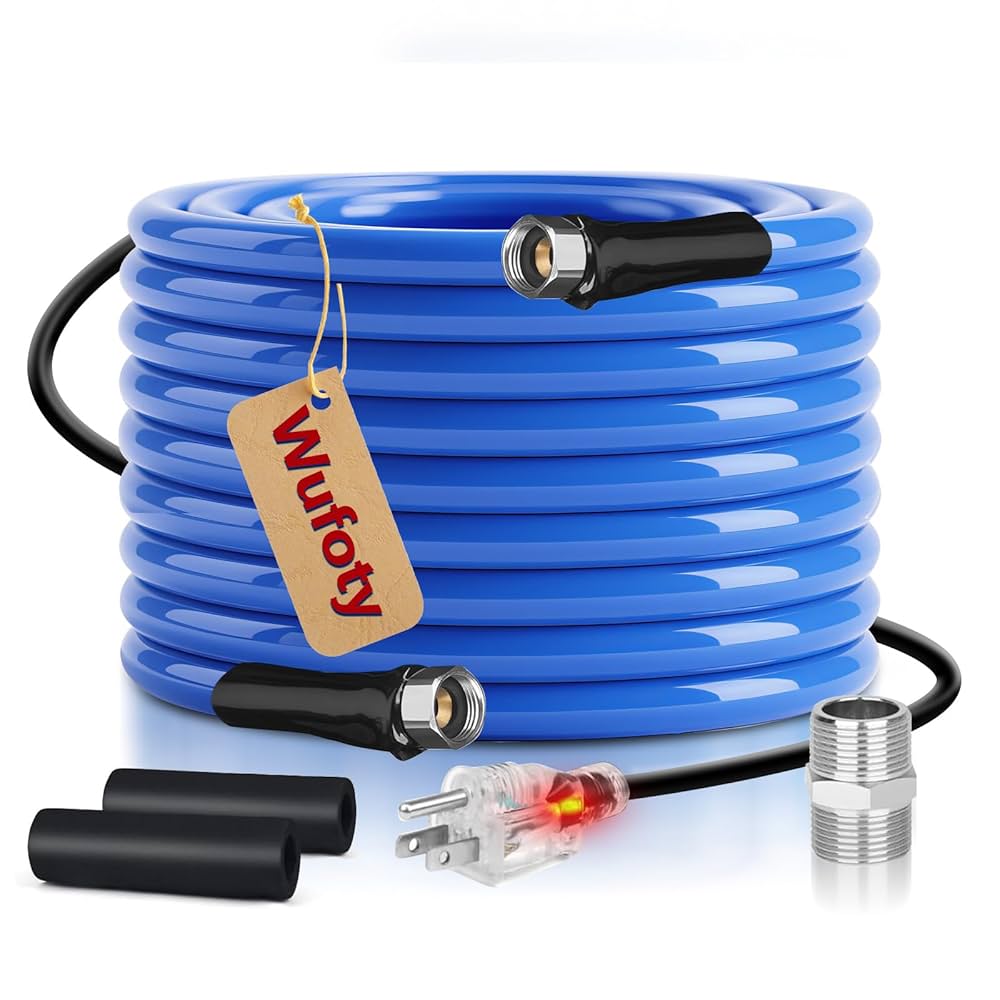
Heat tape and cables wrap around your water pipes, providing steady warmth to prevent freezing. They are flexible and can be cut to length, making them ideal for tight spots.
During one trip, wrapping heat tape around my camper’s external pipes kept the water flowing smoothly even in subzero weather. It’s important to follow the manufacturer’s instructions carefully to avoid electrical hazards.
- Use heat tape with built-in thermostats for energy efficiency.
- Secure tape properly to avoid gaps where freezing can start.
- Check the insulation over the taped pipes to maximize warmth.
Have you tried any heating solutions in your camper? Which ones worked best to keep your water running during cold nights?
Improve Camper Insulation
Improving your camper’s insulation is one of the smartest ways to keep water from freezing inside. Good insulation traps heat where you need it most, preventing pipes and tanks from getting too cold. It also helps maintain a cozy temperature without running the heater all the time, saving energy and money.
Pipe Insulation
Wrapping your camper’s water pipes with foam or rubber insulation sleeves is a simple step that makes a big difference. These sleeves act like a warm jacket for your pipes, slowing down heat loss. You can find affordable pipe insulation kits at most hardware stores, designed to fit various pipe sizes.
Don’t forget to cover any exposed pipes, especially those near exterior walls or under the camper. If you want extra protection, add heat tape under the insulation. It uses a small amount of electricity to keep pipes just warm enough to avoid freezing.
Window And Door Seals
Cold air sneaking in through gaps around windows and doors can chill your camper’s interior and water systems. Check seals for cracks or worn-out weather stripping and replace them promptly. New seals are easy to install and can dramatically reduce drafts.
Try this: close all windows and doors on a cold night, then hold a candle or incense stick near the edges. If the flame flickers or smoke moves, you’ve got leaks to fix. Sealing these gaps keeps warm air inside and cold air out, helping your water stay liquid.
Maintain Water Flow
Maintaining water flow in your camper is crucial to prevent pipes from freezing. Moving water resists freezing better than still water. Keeping water flowing, even slowly, reduces ice build-up inside pipes and faucets.
Trickle Faucets
Allow a small stream of water to flow from your faucets. This slow drip keeps water moving inside the pipes. It uses minimal water but stops freezing by preventing water from standing still.
Open the faucet just enough to create a steady, gentle drip. Focus on faucets farthest from the water source. This technique helps keep water flowing through all pipes.
Regular Water Movement
Run water through your system regularly, not just once a day. Turning faucets on and off several times daily helps avoid freezing. Moving water breaks up any forming ice crystals.
Flush toilets and use sinks frequently to keep water moving. If you leave your camper for a while, arrange for someone to run water periodically. This simple step helps maintain pipe health during cold weather.
Store Water Properly
Storing water properly is essential to prevent it from freezing inside your camper during cold weather. If water freezes, it can cause pipes and tanks to crack, leading to costly repairs and inconvenience on your trip. Taking proactive steps to maintain water in liquid form keeps your camper functional and your journey stress-free.
Keep Water Tanks Full
Filling your water tanks completely reduces the amount of air inside, which helps minimize freezing risks. Air pockets cool faster than water and encourage ice formation. When tanks are full, the water temperature remains more stable, making it harder for ice to form.
Think about how you keep a bottle of water from freezing in the freezer—it’s easier to freeze when there’s empty space. The same logic applies to your camper tanks. Regularly topping off your tanks, especially before cold nights, can make a big difference.
Use Antifreeze Solutions
Adding RV-safe antifreeze to your water tanks and plumbing is a practical way to prevent freezing. Unlike automotive antifreeze, these solutions are non-toxic and designed specifically for potable water systems. They lower the freezing point of water, keeping pipes and tanks safe during sub-zero temperatures.
Be sure to use the correct type and amount recommended for your camper model. You don’t want to waste antifreeze or risk contamination. Have you checked your owner’s manual for the right antifreeze type? If not, now’s a good time.

Credit: www.amazon.com
Monitor Temperatures
Keeping an eye on the temperature inside your camper helps prevent water from freezing. It allows quick action before ice forms and causes damage. Monitoring temperatures makes your camper safer and more comfortable in cold weather.
Use Thermometers
Place thermometers in key spots like near water tanks and pipes. Use digital or analog types for easy reading. Check temperatures regularly to track any drops toward freezing. Small, wireless thermometers can send readings to your phone. This helps you watch temperatures without opening doors or windows.
Set Alarms For Freezing Alerts
Install temperature alarms that notify you when it gets too cold. Set the alarm around 35°F (1.5°C) to act before freezing starts. Some alarms connect to your phone for instant alerts. This gives time to turn on heaters or add insulation. Alarms help avoid frozen pipes and water damage in your camper.
Additional Preventive Measures
Keeping water from freezing in a camper requires more than just basic insulation. Extra steps help protect your plumbing and make your trip comfortable. These preventive measures reduce the risk of frozen pipes and costly repairs. They also keep your water flowing even in cold weather.
Camp Location Tips
Choose a spot with natural protection from wind. Look for areas near trees or hills that block cold gusts. Avoid low spots where cold air and frost settle. Park your camper on higher, dry ground to stay warmer. Sunlight can help keep pipes warm, so pick a sunny spot if possible.
- Find sheltered areas to reduce wind chill.
- Park on flat, elevated ground to avoid frost.
- Use natural sunlight for extra warmth.
- Keep away from open, exposed spaces.
Weatherproofing Techniques
Seal all openings where cold air can enter the camper. Use weather stripping around doors and windows. Cover vents and skirting with insulating materials. Wrap exposed pipes with foam sleeves or heat tape. Use insulated covers for outdoor faucets to block cold air. Close curtains or blinds at night to keep warmth inside.
- Apply weather stripping to doors and windows.
- Insulate vents and crawl spaces.
- Wrap pipes with foam or heat tape.
- Cover outdoor faucets with insulated covers.
- Keep windows covered after dark.
Credit: www.promasterforum.com
Frequently Asked Questions
How Can I Prevent Water Pipes From Freezing In A Camper?
Insulate your camper’s water pipes using foam sleeves or heat tape. Keep the interior warm and let faucets drip slightly to avoid freezing.
What Are The Best Heating Methods For Camper Water Tanks?
Use electric tank heaters or heated blankets designed for campers. These devices maintain water temperature and prevent ice buildup effectively.
Can I Use Antifreeze To Protect Camper Water Systems?
Yes, non-toxic RV antifreeze is safe for water systems. It prevents freezing but should be flushed before drinking water use.
How Does Keeping Water Moving Stop Freezing In A Camper?
Running water resists freezing due to motion. A slow drip or circulating pump helps maintain liquid water in pipes during cold weather.
Conclusion
Keeping water from freezing in your camper takes some simple steps. Use insulation and heat sources wisely. Check pipes often to avoid cracks and leaks. Store water in warm places when possible. These small actions save time and money. Stay prepared to enjoy your camping trips without cold water worries.
Winter camping can be comfortable with the right care. Try these tips and see the difference yourself.