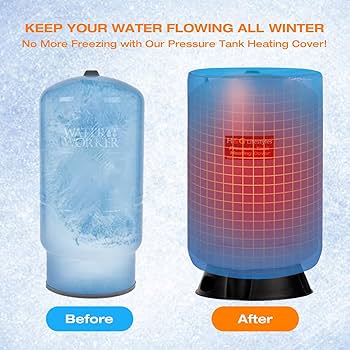
Are you tired of waking up to find your water tank frozen solid, especially during those chilly winter months? Imagine the frustration of needing water for your morning routine, only to discover that it’s trapped in a block of ice.
But don’t worry, you’re not alone. Many people face this inconvenient problem every winter. You might wonder if there’s a simple way to keep your water tank from freezing without spending a fortune or becoming a DIY expert. Well, you’re in the right place.
This guide will reveal practical and easy-to-follow strategies that will ensure your water flows freely, no matter how low the temperature drops. Keep reading, and you’ll discover how to protect your water supply from winter’s icy grip and enjoy a stress-free season.
Causes Of Water Freezing In Tanks
Water freezing in tanks happens due to several key reasons. Understanding these causes helps prevent ice formation. Ice inside tanks can damage the structure and stop water flow. Knowing what triggers freezing allows better protection for your water supply.
Temperature Drops And Effects
When temperatures fall below 32°F (0°C), water begins to freeze. The colder it gets, the faster ice forms. Nighttime temperatures often drop more, increasing freezing risk. Prolonged cold periods make freezing more likely inside tanks.
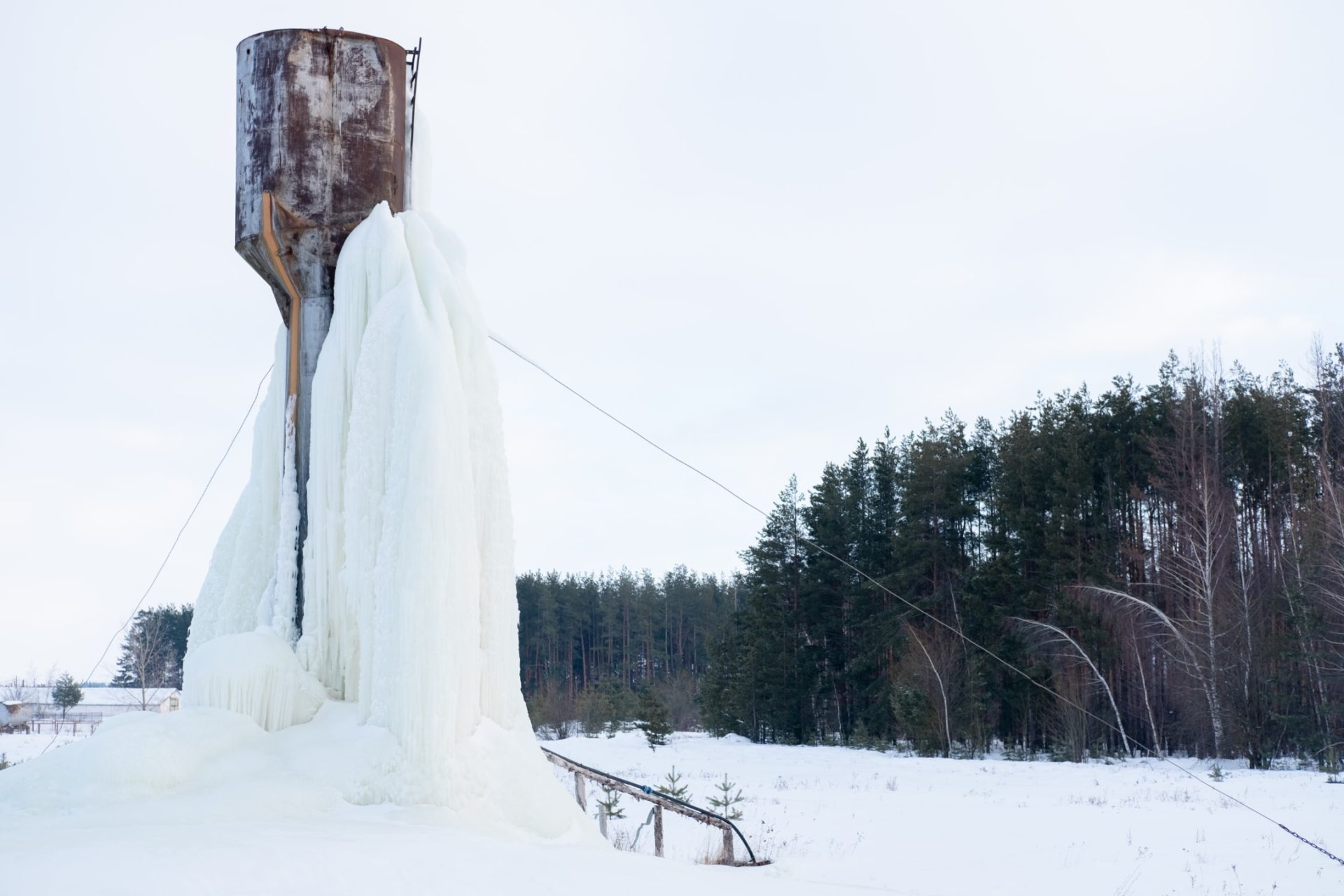
Cold air chills the tank walls and water inside. Without warmth, ice crystals develop and expand. This expansion can crack or break the tank. Freezing water also blocks pipes and valves.
Tank Material And Insulation
Tank materials affect heat retention and freezing speed. Metal tanks cool quickly and lose heat fast. Plastic tanks hold heat longer but still freeze without insulation.
Good insulation slows heat loss and keeps water warmer. Poor or no insulation lets cold air reach water faster. Insulated tanks reduce freezing risk by maintaining temperature.
Environmental Factors
Wind increases heat loss by blowing cold air around tanks. Exposed tanks freeze faster than those in sheltered spots. Shade or covering helps block cold winds.
Snow and ice on top of tanks add weight and cold pressure. Nearby trees or buildings can either shield or expose tanks to cold. Location and surroundings play a big role in freezing chances.

Credit: www.randyschickenblog.com
Selecting The Right Tank Location
Choosing the right location for your water tank plays a big role in stopping water from freezing. The spot affects how much cold, wind, and sun the tank faces. Placing the tank in a smart place can keep water warmer and save energy.
Sheltered Spots
Placing the tank near walls or fences offers natural protection. These barriers block cold winds that chill the water fast. Shelter reduces heat loss and keeps the tank warmer. Avoid open areas where cold air moves freely around the tank.
Sun Exposure Benefits
Setting the tank where it gets direct sunlight helps warm the water. Sunlight raises the tank’s temperature during the day. South-facing spots usually get the most sun. Even weak sunlight in winter can prevent freezing.
Avoiding Windy Areas
Wind makes water freeze faster by carrying heat away. Keep the tank away from open fields or rooftops with strong wind. Look for spots with natural windbreaks like trees or buildings. Less wind means better heat retention for your water tank.
Insulation Techniques For Tanks
Keeping water from freezing in your tank is crucial during cold months. Insulation plays a key role in maintaining the water temperature above freezing. Proper insulation techniques help reduce heat loss, saving you from costly damage and inconvenience.
Using Foam Insulation
Foam insulation is a popular choice because it provides excellent thermal resistance. You can use rigid foam panels or spray foam to cover your tank. Spray foam seals gaps tightly, preventing cold air from sneaking in.
Applying foam around the tank creates a barrier that traps heat effectively. It’s easy to install and durable, lasting through harsh winters. Have you checked if your tank has any cracks or holes before applying foam? Sealing those first makes foam insulation work even better.
Blankets And Covers
Insulation blankets and covers offer a flexible way to protect your tank from freezing. These blankets are often made of fiberglass or other heat-retaining materials. You simply wrap them around the tank and secure them with straps or tape.
Some covers come with built-in heating elements, adding extra protection on extremely cold nights. This method is great if you want a temporary or adjustable solution. What if you combined a thermal blanket with a small heater for maximum effect?
Diy Insulation Ideas
If you want to save money or customize your insulation, DIY methods can work well. Using straw bales around the tank creates a natural insulating layer that traps air and heat. You can also stuff old blankets or towels between plastic wrap for extra warmth.
Another idea is to build a wooden box around the tank and fill it with insulating materials like shredded paper or foam peanuts. These materials slow down heat loss and are easy to replace. How creative can you get with what’s already around your home?

Credit: www.stocktanksolutions.com
Heating Options To Prevent Freezing
Keeping your water tank from freezing is crucial during cold months, and heating options offer reliable solutions. These methods maintain the water temperature just above freezing, ensuring your supply stays uninterrupted. Let’s dive into some practical heating choices that fit different needs and budgets.
Electric Tank Heaters
Electric tank heaters are designed to fit inside or around your water tank and provide consistent warmth. They are easy to install and come in various sizes to match your tank capacity. You can control the temperature with built-in thermostats, so your water never gets too hot or too cold.
One thing to consider is the energy cost. These heaters use electricity continuously during freezing weather, but the cost is often worth avoiding frozen pipes or a damaged tank. Have you ever noticed how quickly your water supply drops when a tank freezes? Keeping it warm with an electric heater can save you from that headache.
Heat Tape And Cables
Heat tape and cables are flexible heating elements that wrap around pipes or tanks. They generate heat when plugged in, preventing ice formation on the surface. These are especially useful for exposed pipes leading to the tank or smaller tanks that can be wrapped easily.
Make sure to choose heat tape with an automatic thermostat to avoid overheating. Installation is straightforward, but safety is key—never overlap the tape or cover it with insulating materials that aren’t rated for heat tape use. Have you checked if your pipes are insulated? Adding heat tape can be the extra layer of protection your system needs.
Solar Heating Solutions
Solar heating offers a low-energy, eco-friendly way to keep water tanks warm. Solar water heaters or panels can capture sunlight and convert it into heat to maintain a safe water temperature. This option reduces your electricity bills and lowers your carbon footprint.
In areas with enough sunlight, solar systems can be very effective, but they need a backup for cloudy days or nighttime. Combining solar heating with electric heaters or heat tape can create a fail-safe system. Have you thought about how much energy your tank uses? Solar could be a smart investment if you want to cut costs over time.
Maintaining Water Movement
Keeping water moving inside your water tank is a smart way to prevent it from freezing. Still water freezes faster because ice forms more easily when the liquid is undisturbed. By maintaining movement, you disrupt the freezing process and keep the water temperature more consistent throughout the tank.
Using Pumps Or Aerators
Pumps and aerators create continuous water movement, which helps stop ice from forming. Small submersible pumps are easy to install and consume minimal power, making them ideal for home water tanks.
Aerators, often used in fish tanks or ponds, add oxygen and keep water circulating. This not only prevents freezing but also improves water quality if you use the tank for plants or animals.
Have you considered the energy cost? Many pumps come with timers or thermostats, so they only run when the temperature drops near freezing, saving you money.
Benefits Of Circulation
Circulating water evenly distributes heat, reducing cold spots where ice can form. This can extend the life of your tank by preventing ice damage and keeps your water usable during cold snaps.
Moving water also helps mix warmer water from lower levels with cooler water near the surface. This natural blending keeps the overall temperature above freezing longer.
Think about times you’ve seen stagnant water freeze quickly—circulation interrupts that pattern effectively.
Simple Diy Methods
If you don’t want to invest in pumps, there are easy DIY ways to keep water moving. Placing a floating object that you can gently push or spin every few hours can help break up ice forming on the surface.
Another trick is to use a battery-powered aquarium air pump to create bubbles, which keeps water moving without needing electricity from your home.
Can you spot any small fans or stirring tools around your house that might help? Even a hand crank or manual paddle used regularly can make a difference on freezing days.
Credit: www.cunninghaminc.org
Regular Maintenance Tips
Keeping your water tank from freezing is not just about quick fixes; it requires consistent care and attention. Regular maintenance helps spot potential problems early and ensures your tank stays in good shape through cold weather. Let’s look at some practical tips you can use to maintain your water tank effectively.
Checking For Cracks And Leaks
Inspect your tank for any cracks or leaks before the cold season hits. Even small cracks can let cold air in, increasing the risk of freezing. Use a flashlight to check dark corners and seams carefully, especially around fittings and joints.
If you find any damage, seal it promptly with waterproof tape or a suitable sealant designed for your tank material. Remember, ignoring tiny leaks can lead to bigger issues later, costing you more time and money.
Seasonal Preparations
Prepare your tank for winter by insulating it properly. You can wrap it with foam insulation sleeves or use heat tape to keep the water warm. Don’t forget to cover the tank with a tarp or weatherproof cover to protect it from wind chill and snow buildup.
Drain any excess water from pipes connected to the tank to prevent freezing inside them. Have you checked your tank’s location? Moving it to a less exposed area can also reduce freezing risks.
Monitoring Temperature
Keep an eye on the temperature around your water tank regularly. Installing a simple thermometer nearby helps you know when it’s time to take extra measures. If temperatures drop below freezing, you might need to add a small heater or increase insulation.
Do you notice sudden temperature drops in your area? Being proactive can save you from waking up to frozen pipes or empty tanks.
Frequently Asked Questions
How Can I Prevent Water From Freezing In Tanks?
Insulate the tank with foam or fiberglass to retain heat. Use tank heaters or heat tape for extra warmth. Keep the tank in a sheltered, sunlit area to reduce freezing risk.
What Materials Work Best To Insulate Water Tanks?
Closed-cell foam, fiberglass, and reflective insulation sheets work best. These materials reduce heat loss and prevent freezing effectively. Choose weather-resistant options for durability in cold climates.
Are Electric Heaters Safe For Water Tanks?
Yes, electric heaters designed for water tanks are safe. Ensure proper installation and use waterproof, thermostat-controlled units. This prevents overheating and saves energy while keeping water thawed.
How Does Adding Antifreeze Help Water Tanks?
Non-toxic antifreeze lowers water’s freezing point, preventing ice formation. Use only food-grade antifreeze for potable water tanks. It’s a reliable method in extremely cold environments.
Conclusion
Keeping water from freezing in your tank is easier than it seems. Use insulation to block cold air. Add heat sources carefully to stay safe. Regularly check the tank for cracks or leaks. Small steps prevent big problems during winter.
Stay prepared, and your water will stay liquid. Cold weather won’t stop your water supply. Simple care saves you time and trouble later.