
Picture this: a harsh winter morning where you’re eager to start your day, but your water tank has turned into a giant ice block. Sound familiar?
You’re not alone. Many people face the frustrating challenge of keeping their water tanks from freezing when temperatures drop. The good news? There are simple, effective strategies to prevent this icy inconvenience. Imagine the peace of mind knowing that your water supply remains uninterrupted, no matter how cold it gets outside.
By following the right steps, you can ensure your water tank stays functional and ice-free all winter long. Ready to discover how to protect your water tank from freezing and avoid those chilly surprises? Keep reading, and you’ll find practical tips and tricks that can make all the difference. Your solution is just a few scrolls away.
Causes Of Water Tank Freezing
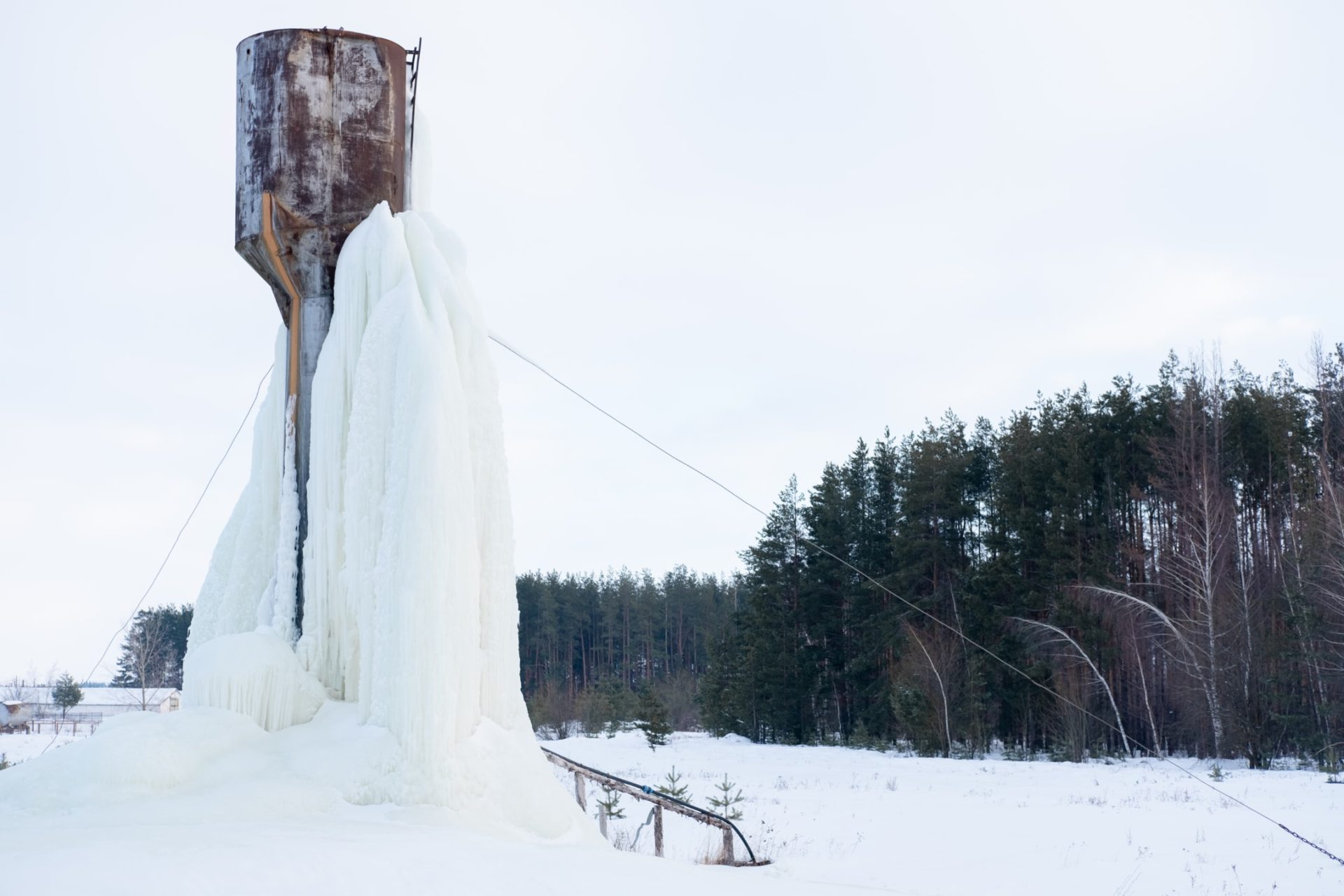
Understanding what causes your water tank to freeze is the first step to preventing costly damage. Freezing happens when water temperature drops below 32°F (0°C), turning the water inside the tank into ice. This can lead to cracks, leaks, and a complete loss of water supply when you need it most.
Cold Weather Impact
Freezing temperatures are the main culprit behind frozen water tanks. When the air around your tank stays below freezing for extended periods, the water inside starts to solidify. Even a short cold snap can cause ice to form, especially if your tank isn’t prepared for winter.
Have you noticed your tank freezing after a sudden frost? That’s because water holds heat slowly, but without proper protection, it quickly loses warmth to the cold air.
Poor Insulation Issues
Insulation acts like a barrier that keeps your water tank warm. Without enough insulation, cold air easily penetrates the tank walls, chilling the water inside. Thin or damaged insulation fails to trap heat, increasing the risk of freezing.
Many people underestimate how much insulation their tanks need. Adding extra insulation can make a huge difference in keeping water above freezing, even during harsh winters.
Exposure To Wind And Elements
Wind can strip away the warmth around your water tank, speeding up the freezing process. When your tank is exposed to strong winds, the cold air moves quickly across its surface, pulling heat away.
Rain, snow, and ice buildup add to the problem by increasing moisture around the tank, which lowers the temperature further. Positioning your tank in a sheltered spot or building a windbreak can protect it from these harsh elements.
Choosing The Right Location
Choosing the right location for your water tank plays a crucial role in preventing it from freezing. The spot you pick can either protect your tank naturally or expose it to harsh conditions. Let’s look at some key factors that will help you select a place where your water stays liquid and accessible.
Sheltered Areas
Placing your water tank in a sheltered area can shield it from cold winds that accelerate freezing. Look for spots near buildings, fences, or natural barriers like trees. These structures block chilly gusts and create a microclimate that keeps temperatures around the tank slightly warmer.
I once moved my tank closer to the garage wall after noticing it froze every winter. That small change reduced freezing incidents significantly. Can you identify a nearby structure that could serve as a windbreak for your tank?
Sunlight Exposure Benefits
Sunlight is one of the simplest and most effective natural heaters for your water tank. Positioning the tank where it receives direct sunlight during the day helps keep the water temperature above freezing. Even a few hours of sun can make a big difference in preventing ice buildup.
However, balance is key. Too much exposure in summer might cause overheating. Look for a spot with good winter sun but some shade during the hottest months. Have you checked how the sun moves around your property throughout the year?
Elevation And Drainage
Elevating your water tank off the ground helps protect it from cold ground temperatures and pooling water. A raised platform or sturdy stand allows air to circulate beneath the tank, reducing frost risk. Good drainage around the tank’s base prevents water from freezing and damaging the structure.
- Choose a level, firm surface with slight slope away from the tank.
- Ensure water runoff won’t collect near the foundation.
- Consider gravel or permeable materials to improve drainage.
Have you noticed water collecting around your tank after rain or snow melt? Fixing drainage could be the key to stopping your tank from freezing.
Insulation Techniques
Keeping your water tank from freezing is crucial during cold months, and insulation plays a key role in this. Proper insulation slows down heat loss and protects the tank from harsh weather. Let’s look at some practical insulation techniques that you can easily apply to safeguard your water supply.
Using Foam Insulation
Foam insulation is a popular choice because it’s lightweight, easy to install, and provides excellent thermal protection. You can use foam panels or spray foam around the tank to create a thick barrier against the cold air.
Make sure to cover all sides of the tank, especially the pipes connected to it. Sealing gaps in the insulation with foam spray helps prevent chilly drafts from sneaking in.
Heat Tape Application
Heat tape is an electric heating element that you wrap around your water tank or pipes. It gently warms the surface, preventing freezing without using too much energy.
When installing heat tape, follow the manufacturer’s instructions carefully. Overlapping the tape or using damaged heat tape can cause hazards, so inspect it regularly for safety.
Insulating Blankets And Covers
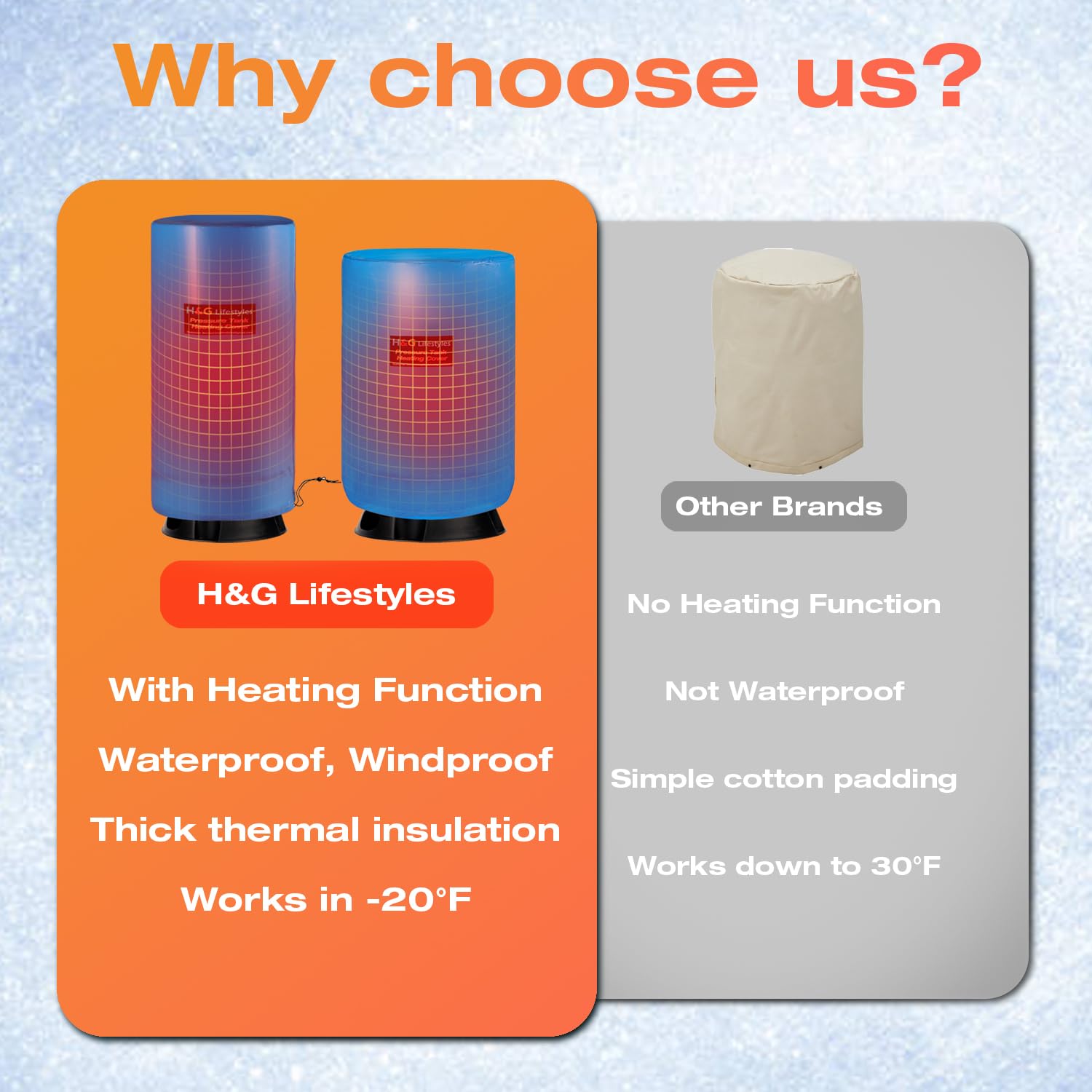
Insulating blankets and covers are flexible, reusable solutions that fit snugly over your water tank. They come in various thicknesses and materials designed to trap heat effectively.
These covers are great for tanks exposed to wind and snow because they shield the surface from direct cold exposure. Remember to secure the blanket tightly and remove it during warmer months to avoid moisture buildup.
Credit: www.cunninghaminc.org
Heating Options For Tanks
Heating water tanks prevents freezing and protects your water supply. Several heating options suit different needs and budgets. Choosing the right one keeps water flowing smoothly during cold weather. Here are practical heating solutions to consider.
Electric Tank Heaters
Electric tank heaters use heating elements to warm the water directly. They plug into a power source and maintain a steady temperature. Many models have built-in thermostats to save energy. Installation is simple, and they work well for indoor or insulated tanks. These heaters offer reliable protection against freezing.
Solar Heating Solutions
Solar heating uses sunlight to warm water tanks naturally. Solar panels absorb heat and transfer it to the tank. This option reduces electricity costs and supports green energy use. Solar heating works best in sunny areas and may need a backup heater. It suits those wanting eco-friendly and low-operating-cost systems.
Water Circulation Methods
Water circulation keeps water moving, stopping ice from forming. Pumps or valves create a steady flow inside the tank. Circulating water evenly spreads heat and prevents cold spots. This method works well combined with other heaters. Circulation systems need electricity but are effective in harsh winter conditions.
Maintenance Tips To Prevent Freezing
Keeping your water tank from freezing is not just about adding insulation or heaters. Regular maintenance plays a crucial role in protecting your tank during cold weather. Simple, consistent care can save you from costly repairs and ensure your water supply stays reliable.
Regular Inspection
Check your water tank frequently, especially before the cold season hits. Look for signs of wear, rust, or damage that could let cold air in. Early detection of issues means you can fix them before freezing becomes a problem.
Have you noticed any unusual noises or leaks around your tank? These could be early warnings that need your attention. Spend a few minutes each week inspecting the tank’s exterior and any connected pipes.
Draining And Refilling
Draining your water tank periodically helps remove sediment and reduces the risk of freezing. Sediment can hold cold moisture, increasing the chance of ice buildup. After draining, refill the tank with fresh water to keep it clean and less prone to freezing.
This simple task can extend the life of your tank and improve water quality. How often you drain depends on your tank’s usage and local climate, but a good rule is to do it at least once before winter arrives.
Sealing Leaks And Cracks
Even small leaks or cracks can let cold air penetrate your water tank, raising the risk of freezing. Use waterproof sealants to close these gaps and prevent heat loss. Pay close attention to joints, pipe connections, and any damaged areas.
Sealing these weak points is a quick fix that provides significant protection. Have you ever ignored a small crack, only to face a bigger problem later? Don’t wait—seal leaks as soon as you spot them.

Credit: www.amazon.com
Emergency Measures For Frozen Tanks
Frozen water tanks cause serious problems in cold weather. Acting fast helps protect your tank and water supply. Emergency measures reduce damage and restore water flow. Use safe methods to thaw the tank without harm. Know when to stop and call a professional for help.
Safe Thawing Techniques
Start thawing by applying gentle heat around the tank. Use a hairdryer or heat lamp at a safe distance. Wrap the tank with warm blankets to keep heat steady. Avoid direct flames or high heat that may crack the tank.
Check the tank often during thawing. Look for leaks or cracks forming. Keep the area well ventilated to prevent moisture buildup. Slowly warm the pipes connected to the tank as well.
Avoiding Damage During Thaw
Never use sharp tools to break ice in the tank. Physical force can damage the tank’s walls. Avoid rapid temperature changes; they cause stress and cracks. Protect the tank’s insulation if it has any.
Do not pour boiling water on the tank. Extreme heat can weaken the material. Instead, use warm water or air. Keep the thawing process slow and steady.
When To Call A Professional
Call an expert if the tank shows leaks or cracks. Professionals have special tools to fix or replace damaged parts. Contact a plumber if water does not flow after thawing. They can assess pipe damage or blockages.
Seek help if unsure about safe thawing methods. Incorrect handling can worsen the problem. Professionals ensure safe and proper repair. Protect your home and water supply with expert help.
Credit: www.amazon.com
Frequently Asked Questions
How Can I Prevent My Water Tank From Freezing?
Insulate your water tank with foam or blankets. Use heating cables or install a tank heater. Keep the tank in a sheltered, warm area to reduce freezing risk. Regularly check and maintain insulation during cold weather.
What Materials Insulate A Water Tank Best?
Closed-cell foam and fiberglass provide excellent insulation. Reflective blankets also help retain heat. These materials minimize heat loss and protect the tank from freezing temperatures efficiently.
Is It Necessary To Drain A Water Tank In Winter?
Draining is a reliable method to prevent freezing. It removes water, eliminating freeze risk. However, it may not be practical for all tanks, especially those in constant use.
Can Heating Cables Protect Water Tanks From Freezing?
Yes, heating cables wrap around tanks to keep water warm. They are energy-efficient and prevent ice formation. Proper installation and thermostat use optimize effectiveness and safety.
Conclusion
Keeping your water tank from freezing protects your home and saves money. Wrap the tank with insulation to keep warmth inside. Use heat tape or a small heater for extra safety. Check pipes and tanks regularly during cold days. Don’t forget to drain water if you expect long freezes.
These simple steps help avoid frozen pipes and water loss. Stay prepared and keep your water flowing all winter long. Easy and smart ways prevent cold damage to your water tank.