Winter is coming, and with it, the icy grip that can freeze your well pump if you’re not prepared. You rely on your water supply every day, so the last thing you want is to find yourself without water when temperatures plummet.
Imagine waking up on a chilly morning, turning on the tap, and nothing flows out. It’s a nightmare scenario, but one that you can avoid. By taking a few proactive steps, you can ensure that your well pump stays in perfect working order, regardless of how cold it gets outside.
In this guide, you’ll discover simple, effective strategies to protect your well pump from freezing, giving you peace of mind and uninterrupted access to water all winter long. Keep reading to learn how to secure your water supply and avoid costly repairs this season.
Credit: www.amazon.ca
Causes Of Well Pump Freezing
Understanding what causes your well pump to freeze is the first step in protecting it during harsh winter months. Freezing can stop your water supply and lead to costly repairs. Knowing where and why freezing happens helps you take the right actions before the cold hits.
Cold Weather Impact
Freezing happens when temperatures drop below 32°F (0°C) for extended periods. Water inside the pump and pipes expands as it freezes, which can crack or break components. Even a brief cold snap can cause damage if the pump isn’t properly insulated.
Have you noticed how quickly your outdoor faucets freeze compared to indoor plumbing? That’s because well pumps are often exposed to the elements. Without protection, cold air seeps into the system and causes ice to form where you least expect it.
Common Vulnerable Areas
Certain parts of your well pump system are more likely to freeze than others. These include:
- Pressure tanks:Especially if located in unheated spaces like basements or garages.
- Exposed pipes:Pipes running through crawl spaces or outside walls.
- Pump heads:Often installed above ground, they face direct exposure to cold air.
Knowing these weak spots helps you focus your preventive efforts where they matter most. Are your pipes insulated? Is your pressure tank in a warm place? Checking these can save you headaches later.
Signs Of Freezing
You don’t have to wait for a burst pipe to realize your pump is freezing. Early signs include:
- Reduced water pressure or flow.
- Unusual noises from the pump, like grinding or rattling.
- Visible frost or ice around the pump or pipes.
- Water that stops flowing completely.
Spotting these signs early gives you a chance to act fast. Have you ever ignored a drop in water pressure only to find a frozen pipe later? Catching these warning signals can prevent a total system freeze.
Credit: www.vevor.ca
Preparing Your Well Pump For Winter
Preparing your well pump for winter is crucial to avoid costly repairs and water supply interruptions. Cold weather can cause serious damage if your pump and pipes freeze. Taking simple, proactive steps now can save you a headache when temperatures drop.
Inspecting The Pump And Pipes
Start by carefully checking your well pump and the pipes connected to it. Look for any signs of wear, cracks, or leaks that could worsen with freezing temperatures.
Pay special attention to exposed pipes outside or in unheated areas like basements and crawl spaces. You might find a small crack that’s easy to fix before it turns into a burst pipe.
Have you ever overlooked a tiny leak only to find it caused a bigger problem later? Catching issues early is key to keeping your system intact all winter.
Sealing Openings And Cracks
Seal any gaps where cold air could sneak in around the pump or pipes. Use weather-resistant caulk or foam insulation to close openings in walls, floors, and around pipe entry points.
This simple step prevents cold drafts from chilling your equipment. Even a small crack can let in enough cold air to freeze your pump’s components.
Consider checking areas where animals might have chewed through insulation or created openings. Protecting your pump means blocking out all sources of cold air.
Drainage And Water Removal
Drain water from your pump and pipes if you won’t be using your well for a while. Standing water can freeze, expand, and cause pipes to burst.
Use a valve to release water from the system, or install a freeze-proof drain. Make sure to follow manufacturer instructions to avoid damage.
Have you ever tried to start a frozen pump in the dead of winter? Avoid that hassle by removing water before freezing temperatures arrive.
Insulation Techniques
Insulating your well pump and pipes is vital to stop freezing during cold weather. Proper insulation keeps cold air away and maintains warmth inside. Using the right materials and techniques can protect your system all winter. Here’s how to do it effectively.
Choosing Insulation Materials
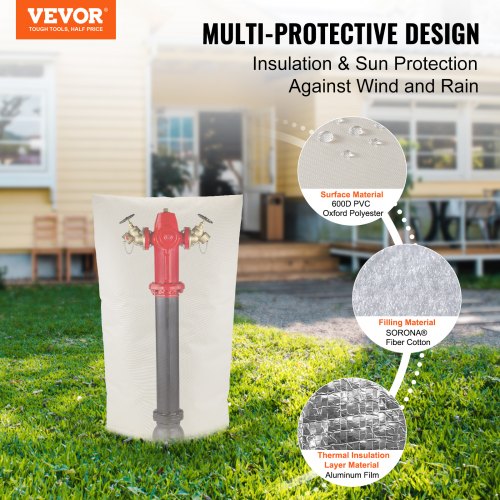
Select insulation that resists moisture and cold. Foam pipe sleeves work well for pipes. Fiberglass insulation is good for larger pump areas. Look for materials with high R-values to keep heat inside. Avoid materials that absorb water, as wet insulation loses effectiveness.
Wrapping Pipes And Pump
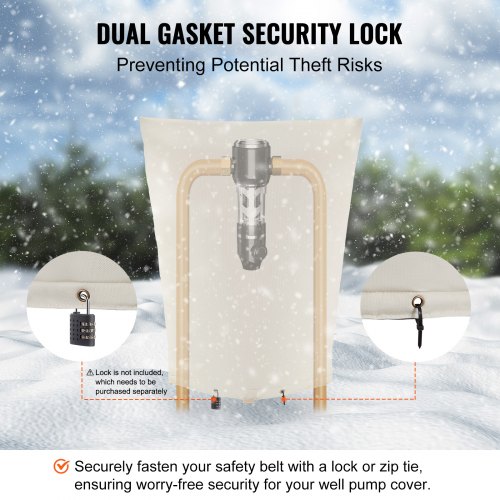
Wrap pipes tightly with foam sleeves or fiberglass blankets. Secure ends with waterproof tape to stop moisture entry. Cover the pump housing with insulation blankets for extra protection. Seal gaps around pipes and pump to block cold air drafts. Check insulation regularly to ensure it stays dry and intact.
Using Heat Tape And Cables
Heat tape warms pipes and pump when temperatures drop. Choose self-regulating heat cables for safety and energy efficiency. Wrap heat tape snugly along pipe length, avoiding overlaps. Plug heat cables into a ground-fault interrupter outlet to prevent shocks. Combine heat tape with insulation for best results.
Maintaining Heat Around The Pump
Keeping your well pump warm is key to avoiding costly damage from freezing. Maintaining heat around the pump creates a protective barrier that helps it function smoothly during cold spells. This section highlights practical ways you can add and monitor heat effectively to keep your pump safe.
Installing Heat Sources
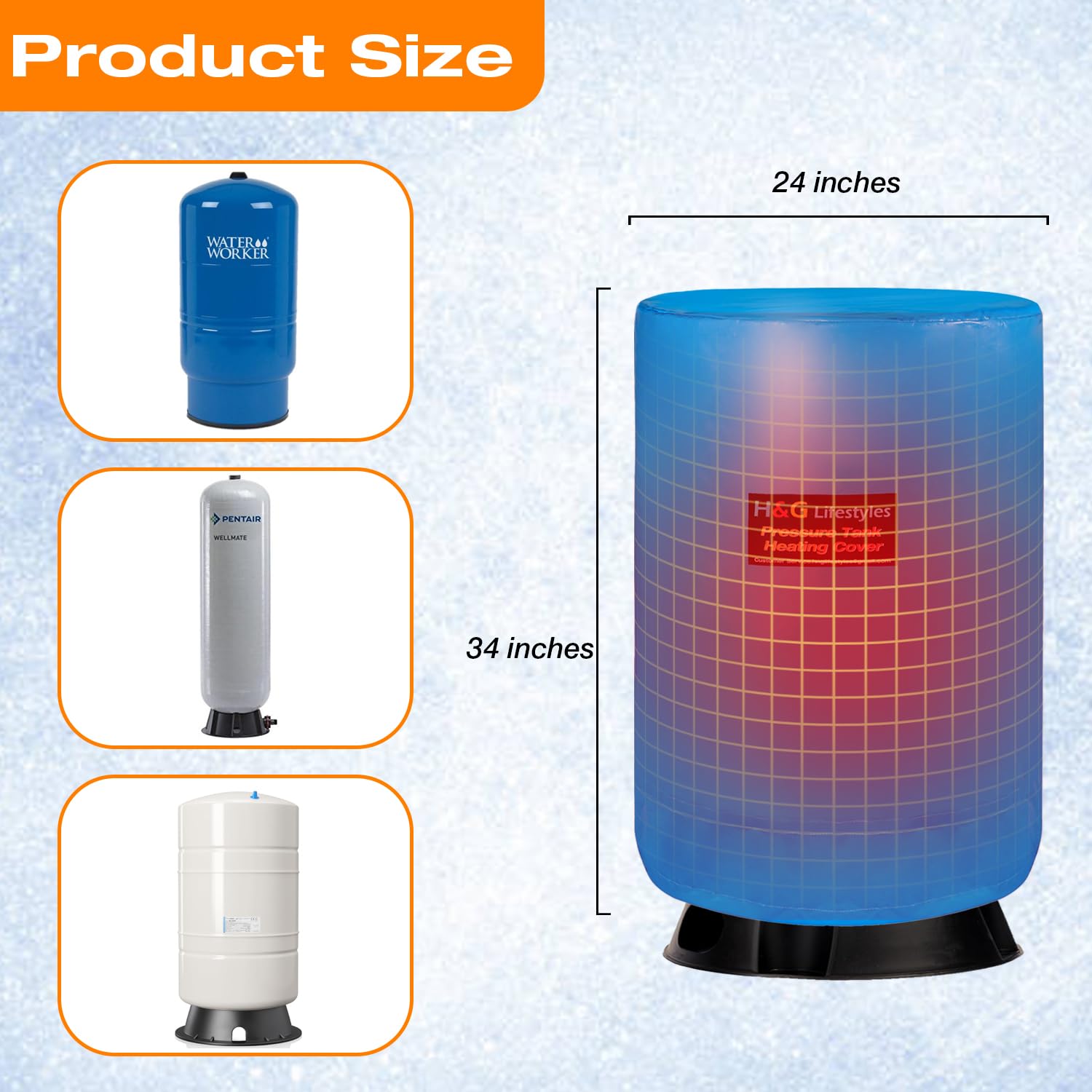
Adding a heat source near your pump is a straightforward way to prevent freezing. You can use heat tape or heating cables designed specifically for outdoor plumbing. These products wrap around the pump or pipes and provide consistent warmth.
Another option is placing a small electric heater close to the pump, especially if it’s in a shed or enclosed space. Be sure to choose heaters with built-in thermostats to avoid overheating and save energy. Have you checked if your current setup allows for safe electrical connections near water?
Utilizing Pump Houses Or Enclosures
Building or buying a pump house or enclosure can shield your pump from harsh winds and freezing temperatures. These structures trap the heat generated naturally by the pump and any added heat sources. Adding insulation to the walls and floor of the enclosure boosts heat retention significantly.
Simple upgrades like weather stripping around doors and vents reduce drafts. If you don’t have a pump house, even a sturdy wooden box with a hinged lid can offer basic protection. What kind of enclosure fits best in your yard or basement setup?
Temperature Monitoring
Keeping an eye on the temperature near your pump helps you act before freezing occurs. Digital thermometers with alarms can alert you when temperatures drop too low. Some smart sensors even send alerts directly to your phone.
Regularly checking the temperature ensures your heat sources and insulation are working. It’s easy to overlook cold spots that could cause freezing. How often do you monitor your pump’s environment during winter? Simple monitoring can save you from unexpected breakdowns.
Emergency Measures For Frozen Pumps
Frozen well pumps can bring your water supply to a sudden halt, especially during harsh winter conditions. Acting quickly with the right emergency measures can prevent serious damage and restore your system efficiently. Knowing what to do when your pump freezes will save you stress and costly repairs.
Thawing Methods
Start by gently warming the frozen pump area. You can use a hairdryer or a heat lamp, holding it a safe distance away to avoid overheating any parts. Avoid open flames or high heat sources, as these can cause damage or fire hazards.
If the pump is outdoors, wrapping it with insulated blankets or towels soaked in warm water can help speed up thawing. Keep checking the temperature to ensure the pump warms evenly without causing cracks or leaks.
Preventing Damage During Thawing
Never force the pump to operate while it’s still frozen; this can cause internal damage. Turn off the power supply before you begin thawing to avoid electrical hazards. Make sure no water is trapped inside the pipes that could expand and burst as it thaws.
Be patient and allow the thawing process to happen gradually. Rapid temperature changes often lead to cracks or broken seals. If you notice any unusual sounds or leaks once the pump is thawed, stop using it immediately.
When To Call A Professional
If your pump remains frozen after several attempts to thaw or you see visible damage, it’s time to call an expert. Professionals have specialized tools and experience to safely thaw and inspect your system. They can also advise on repairs or replacements if needed.
Don’t wait too long, as prolonged freezing can cause permanent damage to your well pump. Have you ever tried thawing a frozen pump yourself? Knowing when to step back can protect your investment and keep your water flowing.
Credit: www.vevor.ca
Long-term Winter Care
Long-term winter care is essential for keeping your well pump safe from freezing. Proper care extends the life of your equipment and prevents costly repairs. It involves regular checks, smart upgrades, and protecting all water systems connected to your pump. Planning ahead ensures your water supply remains steady all winter.
Regular Maintenance Schedule
Set a routine for checking your well pump before winter arrives. Inspect pipes for cracks or leaks. Clear debris around the pump to avoid cold air buildup. Test the pump’s pressure and flow regularly. Replace worn parts early to prevent failures in freezing weather. Keep a maintenance log to track repairs and inspections.
Upgrading Equipment For Cold Climates
Consider installing insulated pipe covers designed for freezing temperatures. Upgrade to a pump with built-in freeze protection if possible. Use heat tape or cable along exposed pipes to keep them warm. Choose materials resistant to cold damage, like polyethylene or insulated copper. These upgrades reduce the risk of ice damage and improve efficiency.
Winterizing Additional Water Systems
Protect all water systems connected to your well pump, such as outdoor faucets and irrigation lines. Drain and shut off outdoor water sources before the first freeze. Insulate storage tanks and valves to prevent ice buildup. Use antifreeze solutions in systems not in use. Proper winterizing prevents pipe bursts and water loss during cold months.
Frequently Asked Questions
How Can I Prevent My Well Pump From Freezing?
Insulate the well pump and pipes with foam or heat tape. Keep the area around the pump dry and add a weatherproof cover. Regularly check for cracks or leaks that let cold air in. These steps reduce freezing risk effectively.
What Insulation Materials Work Best For Well Pumps?
Foam pipe insulation and heat tape are ideal. Foam keeps cold air away, and heat tape provides warmth. Use weather-resistant covers to protect the pump. Combining these materials ensures optimal freeze protection during winter.
When Should I Winterize My Well Pump System?
Winterize your well pump before temperatures drop below freezing. Early fall is best to prepare. Proper winterizing prevents pipe bursts and pump damage caused by ice. Check local climate trends to time this task accurately.
Can Running Water Prevent A Well Pump From Freezing?
Yes, letting a faucet drip slightly keeps water moving. Moving water is less likely to freeze in pipes and pumps. This method helps maintain flow and prevents ice blockages during cold weather.
Conclusion
Keeping your well pump from freezing protects your water supply. Use insulation and heat tape to keep it warm. Check pipes and seals for cracks or gaps. Drain outdoor lines before cold weather arrives. Regular maintenance helps spot problems early.
A little care saves big repair costs. Stay prepared and keep your pump working all winter. Easy steps make a big difference. Don’t wait until it’s too late. Protect your home with simple actions today.