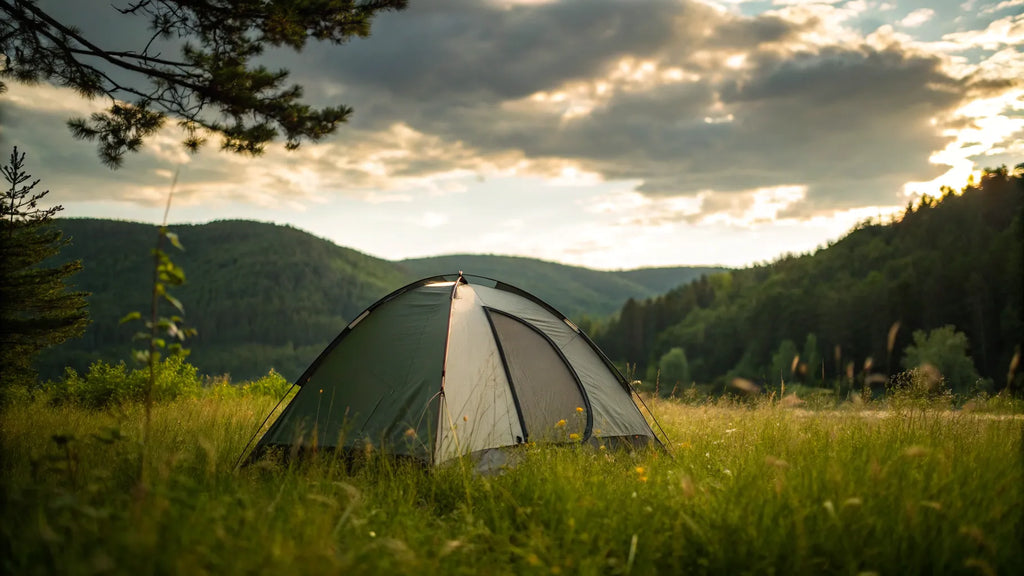
When the sun is blazing and the heat is rising, your tent can quickly turn into an oven. You want to enjoy your camping trip, not sweat through every minute inside your shelter.
Keeping your tent cool isn’t just about comfort—it’s about staying safe and energized for all your outdoor adventures. You’ll discover simple, effective tips to beat the heat and make your tent a cool retreat. Ready to transform your camping experience?
Let’s dive in.
Choosing The Right Tent
Picking the right tent can help keep you cool during hot days. Some tents trap heat, but others stay cooler.
Look for tents that use materials and designs made to reduce heat inside. This makes camping more comfortable.
Material Matters
The fabric of your tent affects how hot it gets inside. Some materials block sunlight better than others.
Light-colored and reflective fabrics keep heat out. Dark colors absorb more heat and make tents hotter.
- Look for tents with UV-resistant fabric
- Choose light colors like white or tan
- Polyester and nylon with special coatings reflect heat
- Avoid dark colors to reduce heat absorption
Ventilation Features
Good airflow helps keep your tent cool. Ventilation lets hot air escape and fresh air enter.
Look for tents with mesh windows and vents. These features improve air circulation and reduce heat buildup.
- Mesh panels on windows and doors increase airflow
- Roof vents let hot air rise and leave the tent
- Adjustable vents let you control air movement
- Some tents have multiple vents for better breathability

Credit: gooutdoorzone.com
Optimal Tent Placement
Keeping your tent cool is important for a comfortable camping experience. The right spot can make a big difference.
Choosing the best place to set your tent helps reduce heat inside. Look for natural features that offer protection from the sun.
Finding Shade
Placing your tent in a shaded area lowers the temperature inside. Trees or large rocks can block direct sunlight.
Shade also helps keep the tent fabric cooler. This stops heat from building up throughout the day.
- Set up under tall trees if possible
- Avoid open fields with no cover
- Check for shade patterns before noon
Avoiding Low-lying Areas
Low spots tend to collect warm air and moisture. This can make your tent hotter and damp.
Choose higher ground to get better airflow. Cooler breezes help keep the tent fresh and cool.
- Look for flat, raised areas
- Stay away from valleys or dips
- Check wind direction for airflow
Using Reflective Tarps
Keeping your tent cool is important for a comfortable camping experience. Reflective tarps help reduce heat inside your tent.
These tarps reflect sunlight away, lowering the temperature inside. They are easy to use and effective on sunny days.
Positioning Techniques
Place the reflective tarp above your tent to block direct sunlight. Use poles or ropes to keep it raised and stable.
Make sure the tarp covers the tent fully but allows air to flow underneath. This airflow helps remove heat and keeps the tent cooler.
- Set the tarp at least a foot above the tent roof
- Angle the tarp to reflect the sun’s rays away
- Avoid covering tent vents or windows
- Secure the tarp tightly to prevent wind damage
Benefits Of Reflective Surfaces
Reflective tarps send sunlight away from your tent. This stops the tent from heating up too much during the day.
They also protect your tent fabric from sun damage. This can make your tent last longer and keep it looking new.
- Lower inside temperature for more comfort
- Protect tent fabric from UV rays
- Reduce fading and wear on tent material
- Easy to set up and reuse
Credit: www.battlbox.com
Improving Airflow
Keeping your tent cool is important for a comfortable camping experience. Good airflow helps lower the temperature inside the tent.
Air moves through vents and windows, carrying heat out and bringing fresh air in. This prevents stuffiness and keeps the tent cool.
Opening Vents And Windows
Open all vents and windows to let air flow freely. This creates cross ventilation, moving hot air out and cool air in.
Make sure the openings face opposite directions. This helps air pass through the tent easily and speeds up cooling.
- Keep vents clear of obstructions
- Use mesh screens to keep bugs out
- Open windows on both sides of the tent
- Adjust flaps to control airflow
Using Portable Fans
Portable fans increase air movement inside your tent. They help speed up cooling by pushing hot air out.
Place fans near windows or vents to pull fresh air in or push warm air out. Battery-powered fans work well in campsites.
- Use small, lightweight fans
- Choose fans with rechargeable batteries
- Point fans towards vents for better airflow
- Turn fans off when not needed to save power
Insulating The Tent
Keeping your tent cool is important for a good camping experience. Insulating the tent helps block heat from outside.
Good insulation keeps the inside temperature lower during hot days. It also stops heat from the ground from warming the tent floor.
Ground Insulation Methods
The ground can make your tent hot by transferring heat. Using ground insulation stops this heat from reaching inside.
You can use mats or foam pads under your tent floor. These create a barrier between the ground and your tent.
- Use foam pads or camping mats for better insulation.
- Lay a tarp under your tent to block moisture and heat.
- Place a thick blanket or old rug for extra cushion and insulation.
Using Reflective Blankets
Reflective blankets can keep your tent cool by reflecting sunlight away. They work like a mirror for heat.
Place a reflective blanket over your tent or under the floor. This helps reduce heat buildup inside the tent.
- Cover the tent roof with a reflective blanket to block sun rays.
- Put a reflective blanket under the tent floor to reflect ground heat.
- Secure the blanket well so it does not blow away in wind.
Nighttime Cooling Strategies
Keeping your tent cool at night helps you sleep better. Warm tents can feel stuffy and uncomfortable.
Using smart cooling strategies lets cool air flow inside your tent. This makes nights more refreshing.
Utilizing Natural Breezes
Natural breezes are the best way to cool your tent at night. Position your tent where the wind blows gently.
Open tent doors or windows facing the breeze. This lets fresh air move through easily.
- Set up near open spaces or hilltops
- Face tent openings toward the wind
- Use mesh windows to keep bugs out
- Keep flaps loose for better airflow
Nighttime Ventilation Tips
Ventilation helps hot air escape your tent. Use vents or windows to create airflow paths.
Keep tent rainfly slightly raised to allow air in and out. This reduces heat trapped inside.
- Open vents on opposite sides of the tent
- Use mesh doors to increase air movement
- Lift rainfly edges for extra airflow
- Remove heavy gear blocking vents
Choosing The Right Sleeping Gear
Keeping your tent cool starts with the right sleeping gear. The gear you choose affects your comfort and temperature at night.
Lightweight and breathable materials help reduce heat and moisture. This guide covers two key items: sleeping bags and cooling pillows and linens.
Lightweight Sleeping Bags
Choose sleeping bags made from lightweight fabrics. These bags allow air to flow, keeping you cooler while you sleep.
- Look for bags with cotton or mesh panels
- Pick bags rated for warmer temperatures
- Avoid heavy insulation that traps heat
- Consider mummy-shaped bags for less fabric around your body
Cooling Pillows And Linens
Use pillows and linens designed to stay cool. Materials like bamboo or linen wick away sweat and heat.
| Material | Cooling Features | Care Tips |
| Bamboo | Breathable and moisture-wicking | Wash in cold water, air dry |
| Linen | Lightweight and quick-drying | Machine wash, avoid bleach |
| Cotton | Soft and breathable but less cooling | Use light colors, wash regularly |
Hydration And Diet Tips
Keeping cool inside a tent is important for comfort and health. Drinking enough water and eating the right foods help your body stay cool.
This guide shares simple hydration and diet tips to keep your tent cool during warm weather.
Staying Hydrated
Drinking water regularly keeps your body temperature down. Avoid sugary or caffeinated drinks because they can make you lose water.
- Drink at least 8 cups of water daily
- Carry a reusable water bottle with you
- Drink small amounts often, not large amounts rarely
- Include drinks with electrolytes if you sweat a lot
- Avoid alcohol as it dehydrates your body
Foods To Keep You Cool
Eating fresh and light foods helps your body stay cool. Some foods have high water content and provide nutrients that help with heat.
| Food | Water Content (%) | Cooling Benefit |
| Cucumber | 95 | Hydrates and cools skin |
| Watermelon | 92 | Replenishes fluids and vitamins |
| Leafy Greens | 90 | Rich in minerals and water |
| Yogurt | 85 | Provides probiotics and cools body |
| Mint | 70 | Gives a cooling sensation |

Credit: partyrentalsgroup.com
Frequently Asked Questions
How Can Ventilation Keep My Tent Cool?
Ventilation helps air circulate inside the tent. Open windows and mesh panels to let hot air escape. This reduces heat build-up and keeps the tent cooler during the day.
What Time Is Best To Set Up A Tent?
Set up your tent in the shade early morning or late afternoon. Avoid direct sunlight to prevent the tent from heating up quickly.
Does Tent Color Affect Heat Inside?
Yes, lighter tent colors reflect sunlight and stay cooler. Dark tents absorb heat, making the interior warmer in the sun.
Can Using A Tarp Help Cool My Tent?
Yes, placing a tarp above your tent creates extra shade. This blocks direct sunlight and reduces heat inside your tent.
Conclusion
Keeping your tent cool makes camping more fun and safe. Use shade and ventilation to lower the temperature inside. Choose light-colored tents to reflect sunlight better. Avoid setting up near rocks or open fields that get hot quickly. Small changes can make a big difference in comfort.
Enjoy your outdoor adventure without feeling too hot or tired. Simple steps help you stay cool and relaxed all day long.