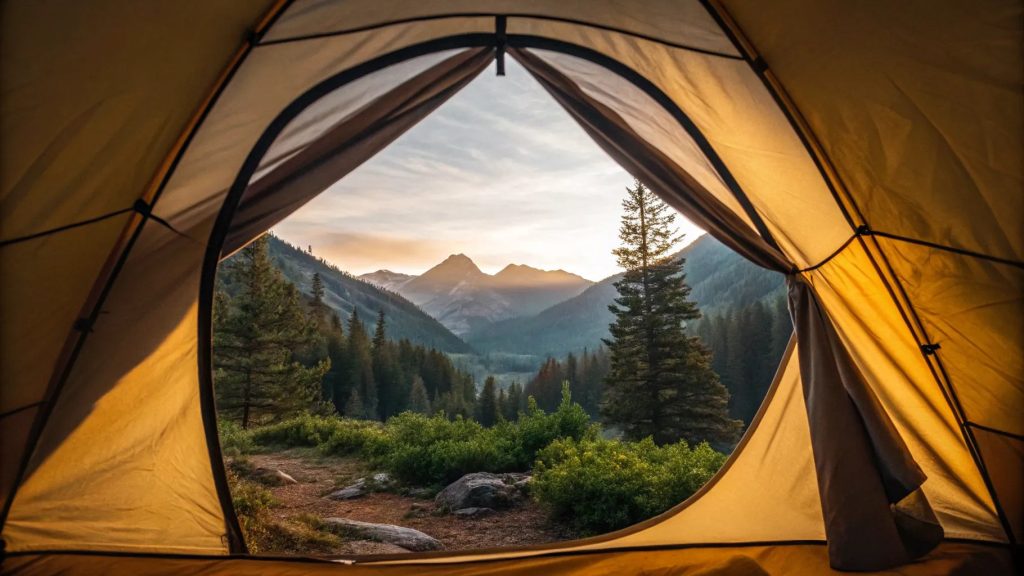
Imagine stepping out of your cozy sleeping bag into a tent that feels like a chilly freezer. Freezing nights can turn your camping trip into an uncomfortable experience.
But what if you could keep your tent warm and snug, no matter how cold it gets outside? You’re about to discover simple, effective ways to stay warm and enjoy your outdoor adventure without shivering through the night. Keep reading, because your next camping trip could be the warmest one yet.
Credit: www.outsideonline.com
Choose The Right Tent
Keeping your tent warm starts with picking the right one. A good tent blocks cold air and holds heat well.
Choosing the right tent helps you stay comfortable in cold weather. Look for tents designed for warmth.
Select Four-season Tents
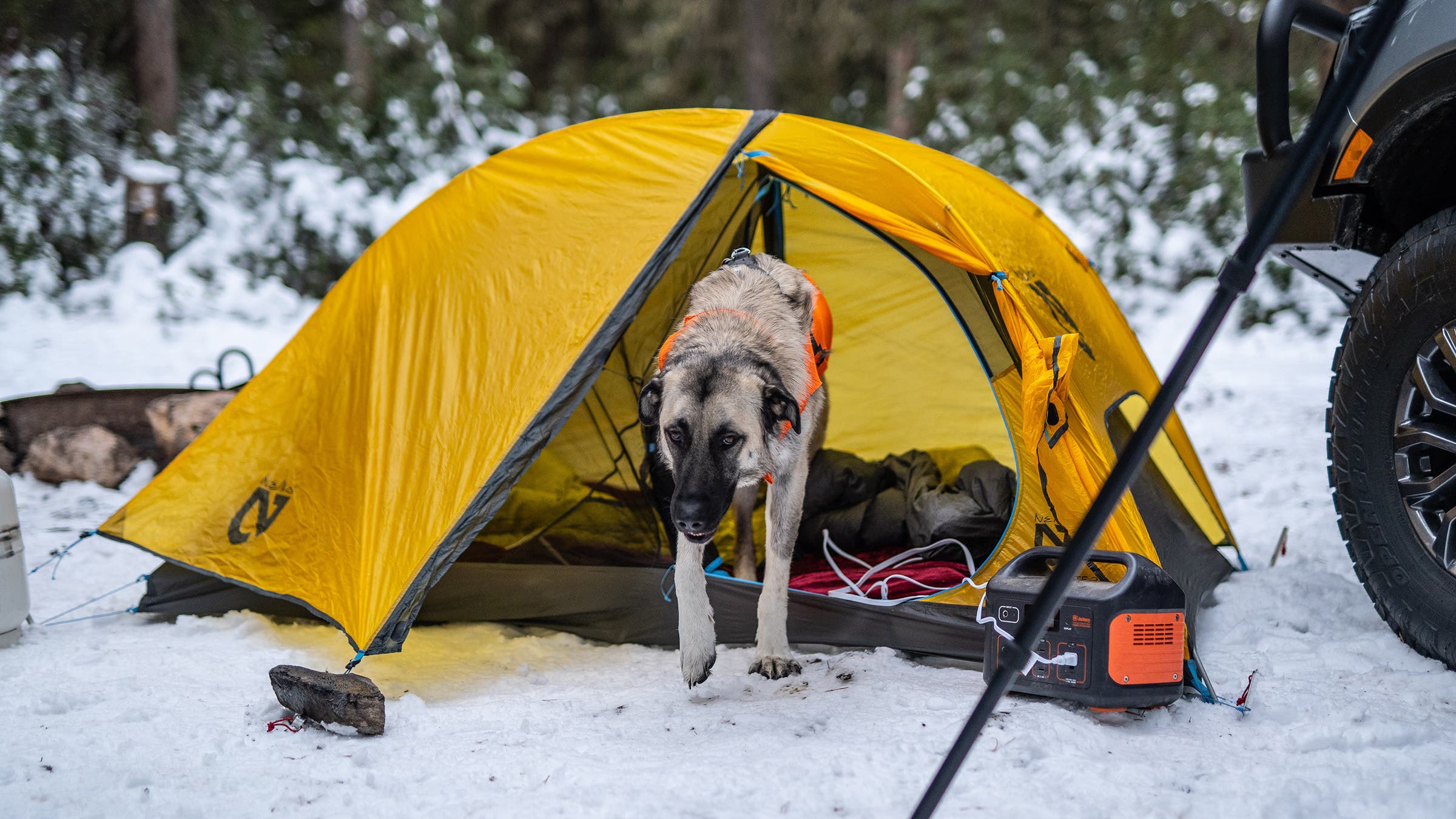
Four-season tents are made for cold and harsh weather. They have stronger poles and sturdier fabrics.
These tents keep snow and wind out better than three-season tents. They trap heat inside better too.
- Stronger frame to handle snow
- Less mesh for better insulation
- Thicker fabric to block wind
Opt For Smaller Tent Sizes
Smaller tents are easier to keep warm. They trap body heat inside better than large tents.
A compact tent means less space to heat. It also reduces air circulation that cools the inside.
- Fits fewer people for less empty space
- Heats up faster with body warmth
- Easier to manage and secure
Consider Tent Material And Insulation
Materials affect how warm your tent stays. Look for fabrics that block wind and hold heat well.
Some tents use special coatings or layers to improve insulation. These help reduce heat loss at night.
- Polyester or nylon with tight weave
- Waterproof and windproof coatings
- Insulated tent walls or double layers
Credit: www.jackery.com
Proper Tent Setup
Keeping your tent warm starts with setting it up correctly. Proper setup helps block cold air and retain heat inside.
Use smart placement and sealing techniques to reduce heat loss. This guide covers key tips for a warm tent.
Pitch In Sheltered Locations
Choose a spot protected from wind to keep your tent warm. Trees, bushes, or hills can block cold gusts effectively.
Avoid low areas where cold air collects. Look for natural windbreaks and set your tent on flat ground.
Use Ground Insulation
Insulating the ground reduces heat loss from below. Use sleeping pads, foam mats, or thick blankets under your tent floor.
- Place a ground tarp to block moisture and cold
- Lay foam or inflatable pads for extra warmth
- Add a thick blanket or rug inside the tent
- Avoid direct contact with cold, wet soil
Seal Tent Openings
Close all zippers and flaps tightly to keep warm air inside. Cover any gaps where cold air can enter.
| Tip | How to Do It |
|---|---|
| Close Zippers | Zip all doors and windows fully before night |
| Use Wind Flaps | Secure flaps over openings to block drafts |
| Seal Gaps | Use tape or fabric strips to cover small holes |
| Ventilation Control | Open vents slightly to prevent moisture without losing heat |
Effective Insulation Techniques
Keeping your tent warm is important for a good night’s sleep. Cold air can make camping uncomfortable.
Using the right insulation methods helps keep heat inside. This guide shows some easy ways to do it.
Layer With Sleeping Pads And Blankets
Place sleeping pads on the ground inside your tent. They stop cold from coming up through the floor.
Add blankets over the sleeping pads for extra warmth. Layers trap heat and keep your body warm.
- Use thick foam or inflatable sleeping pads
- Layer wool or fleece blankets on top
- Make sure pads cover the tent floor well
- Use extra blankets if the temperature drops
Use Reflective Materials
Reflective materials bounce heat back inside the tent. They help keep warm air from escaping.
Place a reflective tarp or emergency blanket under your sleeping area. You can also hang one on tent walls.
- Put reflective material under sleeping pads
- Attach reflective sheets to tent walls
- Use emergency blankets as liners
- Keep reflective surfaces clean for best effect
Add A Tent Heater Safely
A small tent heater can warm your space quickly. Always follow safety rules to avoid accidents.
Use heaters designed for tents. Keep them away from flammable materials and never leave them on unattended.
- Choose a heater made for indoor tent use
- Place heater on a flat, stable surface
- Keep heater away from sleeping bags and walls
- Ventilate the tent to avoid carbon monoxide buildup
- Turn off heater before sleeping or leaving
Dress For Warmth
Keeping warm inside your tent is important for a good night’s sleep. The right clothing helps keep your body heat in.
Focus on wearing layers and choosing materials that trap heat well. This guide covers key ways to dress warmly for camping.
Wear Thermal Clothing
Thermal clothing keeps your body heat close. These clothes are usually made from wool or synthetic fibers that dry fast.
- Start with a thermal base layer that fits snugly.
- Add a warm middle layer like fleece or wool.
- Top with a windproof outer layer to block cold air.
Use Quality Sleeping Bags
A good sleeping bag traps heat and keeps cold out. Choose one rated for temperatures below what you expect.
| Sleeping Bag Type | Best For | Temperature Rating |
| Down | Dry cold conditions | -10°F to 20°F (-23°C to -6°C) |
| Synthetic | Wet or humid areas | 20°F to 40°F (-6°C to 4°C) |
| Hybrid | Variable weather | -5°F to 30°F (-21°C to -1°C) |
Include Warm Accessories
Accessories add warmth to your head, hands, and feet. These small items make a big difference in cold weather.
- Wear a wool or fleece hat to keep heat from escaping your head.
- Use insulated gloves or mittens to protect your hands.
- Wear thick socks, preferably wool, to keep feet warm.
- Consider a neck gaiter or scarf to shield your neck from cold air.
Heat Retention Tips
Keeping your tent warm is important for a comfortable camping experience. Cold nights can be tough without proper heat retention.
Using simple strategies can help keep the heat inside your tent. These tips make your tent cozy and warm during cold weather.
Utilize Hot Water Bottles
Hot water bottles are a great way to add warmth inside your tent. Fill them with hot water and place them near your sleeping area.
This helps keep your sleeping bag warm for hours. Use a cover or towel to avoid direct contact with your skin.
- Fill bottles with hot water before bed
- Use covers to prevent burns
- Place near feet or body inside sleeping bag
- Refill if needed to maintain heat
Keep Ventilation Balanced
Good ventilation stops moisture buildup inside your tent. Moisture can make it feel colder and damp.
Open vents or windows slightly to allow fresh air. This keeps the air dry without losing too much heat.
- Open vents a little to reduce moisture
- Close vents more if wind is strong
- Check inside for condensation often
- Adjust openings to keep warmth and airflow balanced
Store Warm Gear Inside Tent
Keep your warm clothes and sleeping bags inside the tent. This helps keep them dry and ready for use.
Warm gear adds extra insulation and holds heat better. Avoid storing cold or wet gear inside as it cools down the tent.
- Keep dry clothes inside for quick access
- Store sleeping bags in a dry spot inside tent
- Use insulated bags for extra warmth
- Avoid bringing wet items inside the tent
Credit: www.lifeintents.com
Food And Drink Strategies
Keeping your tent warm is very important in cold weather. Eating and drinking the right things helps your body stay warm. It gives you energy and keeps your core temperature up.
Here are some easy ways to use food and drink to stay warm inside your tent during cold nights.
Consume Warm Meals
Warm meals help raise your body temperature. Eating hot food gives your body energy to produce heat. Choose soups, stews, or cooked grains for a warm meal.
Plan meals that are easy to heat and rich in calories. Warm meals also help you feel comfortable inside your tent.
Stay Hydrated With Hot Drinks
Drinking hot liquids keeps your body warm from the inside. Tea, hot chocolate, or warm water are good choices. They also help you stay hydrated, which is important in cold weather.
Carry a thermos to keep drinks hot for a long time. Sip slowly to maintain warmth throughout the evening.
Avoid Alcohol Before Sleep
Avoid drinking alcohol before bed. Alcohol can make you feel warm at first but lowers your body temperature later. It stops your body from keeping heat inside.
Stay clear of alcohol to help your body stay warm all night. Drink water or warm drinks instead before you sleep.
Safety Precautions
Keeping your tent warm is important during cold weather. Safety should always come first. Knowing how to avoid risks can protect you and your gear.
In this guide, we cover key safety tips. These tips help prevent accidents and keep the air inside your tent safe to breathe.
Prevent Fire Hazards
Fire hazards are common when heating a tent. Use only safe heating tools made for camping. Keep flammable items away from heat sources.
- Keep heaters on a flat surface
- Do not leave heaters unattended
- Use heaters with automatic shut-off
- Keep a fire extinguisher nearby
- Do not use open flames inside the tent
Monitor Carbon Monoxide Levels
Carbon monoxide is a dangerous gas from heaters. It is colorless and odorless. Use a carbon monoxide detector inside the tent.
| Warning Signs | What to Do |
| Headache or dizziness | Leave tent immediately |
| Nausea or weakness | Get fresh air quickly |
| Confusion or sleepiness | Seek medical help |
Follow Manufacturer Guidelines
Always read and follow the instructions for your heater or stove. Use the device only as the maker suggests. This helps avoid accidents.
- Check for damage before use
- Use outdoors only if specified
- Keep vents clear and open
- Store fuel safely away from heat
Frequently Asked Questions
How Can I Insulate My Tent Effectively?
Use insulating materials like foam pads, blankets, or sleeping bags inside your tent. Layering helps retain heat and blocks cold air. Avoid direct contact with cold ground by using a ground tarp beneath your tent floor for extra insulation.
What Type Of Sleeping Bag Keeps You Warm In A Tent?
Choose a sleeping bag rated for temperatures lower than expected. Down bags offer excellent warmth and compressibility. Synthetic bags retain heat even when damp, making them ideal for wet conditions. Always match the bag to your camping climate.
Can A Tent Heater Safely Warm My Tent?
Yes, but only use heaters designed for indoor or tent use. Ensure proper ventilation to avoid carbon monoxide buildup. Never leave the heater unattended and follow manufacturer safety instructions closely to prevent fire hazards and maintain air quality.
How Does Ventilation Affect Tent Warmth?
Ventilation reduces condensation and moisture buildup inside your tent. Proper airflow prevents dampness, which can make you feel colder. Open vents slightly to allow fresh air while minimizing heat loss, maintaining a balance between warmth and air quality.
Conclusion
Keeping your tent warm is essential for a cozy camping trip. Use good insulation like sleeping pads and blankets. Choose a quality sleeping bag. Consider a small, safe heater if needed. Wear warm clothes to bed, including socks. Block drafts with extra tarps or towels.
These tips help maintain warmth during cold nights. Stay comfortable and enjoy your outdoor adventure. Remember, preparation makes a big difference. A warm tent ensures better sleep and more energy. Happy camping!