Are tent caterpillars invading your trees and turning your yard into a messy nightmare? You’re not alone—and the good news is, you don’t have to watch your plants suffer.
Knowing how to kill tent caterpillars effectively can save your garden and restore your outdoor space. You’ll discover simple, practical ways to stop these pests before they cause serious damage. Keep reading to protect your trees and enjoy a healthier, pest-free garden.
Identifying Tent Caterpillars
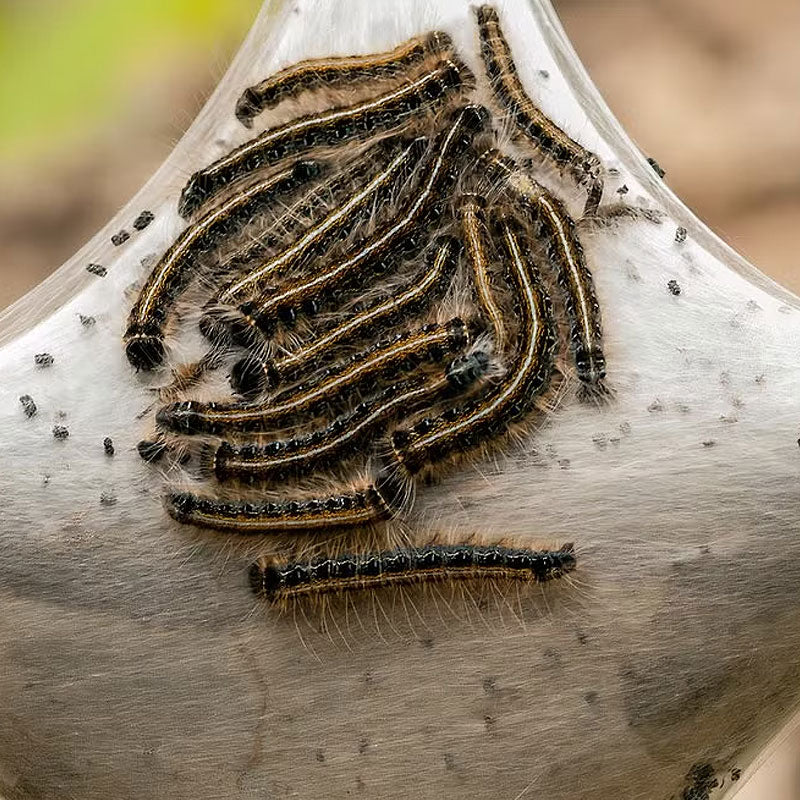
Tent caterpillars are common garden pests. They create visible silk tents in trees. Understanding their appearance helps in early detection and control.
These caterpillars are easy to spot. They are usually black or brown with a white stripe along their back. Some have blue spots on their sides.
Signs Of Infestation
Infestation signs are clear. Look for silk tents in tree branches. These tents are often seen in early spring.
Leaves may appear chewed or missing. Trees can look defoliated and stressed. This affects tree health and growth.
- Silk tents in tree forks
- Chewed or missing leaves
- Defoliated trees
Life Cycle And Behavior
Tent caterpillars have a predictable life cycle. They hatch in early spring. Caterpillars feed on leaves and grow quickly.
After feeding, they spin cocoons and become moths. Adult moths lay eggs in late spring. Eggs remain on trees through winter.
| Stage | Time |
| Egg | Winter |
| Caterpillar | Spring |
| Moth | Late Spring |
Preventing Tent Caterpillar Damage
Tent caterpillars can harm your trees by eating their leaves. Stopping damage early helps keep trees healthy.
Using smart care and natural ways can reduce caterpillar problems. This guide explains how to protect your trees.
Tree Care Practices
Healthy trees are less likely to suffer from caterpillar damage. Water trees during dry times to keep them strong.
Prune trees in late winter to remove old or weak branches. This helps trees grow better and resist pests.
- Water trees deeply once a week
- Remove dead or weak branches
- Keep area around trees free of weeds
- Use mulch to keep soil moist
Natural Predators
Birds and insects eat tent caterpillars. Encouraging these natural predators helps control caterpillar numbers.
Plant flowers and shrubs that attract ladybugs, wasps, and birds. These animals help keep your trees safe.
- Install bird feeders to attract birds
- Grow native plants for beneficial insects
- Avoid using broad pesticides that kill helpful bugs
- Provide water sources like birdbaths
Manual Removal Techniques
Tent caterpillars can damage trees and shrubs. Removing them by hand helps control their numbers. This is a safe and eco-friendly way to protect your plants.
Manual removal works best early in the season. Catching caterpillars before they spread saves more trees. Use simple tools and care to remove them.
Destroying Nests
Tent caterpillars build silk nests in tree branches. These nests protect many caterpillars inside. Breaking these nests stops their growth and spread.
Wear gloves before handling nests. Use a stick or knife to break the silk structure. Place the nests in a sealed bag and throw them away. Do not leave them near trees.
- Locate nests early in spring
- Use gloves for protection
- Break nests carefully with a stick or knife
- Seal nests in a plastic bag
- Dispose of nests in trash, away from plants
Handpicking Caterpillars
Handpicking caterpillars reduces their numbers quickly. Look for caterpillars on leaves and branches. Remove them gently to avoid damage.
Use gloves to protect your hands. Drop caterpillars into a bucket of soapy water. This will kill them safely. Repeat this process often during the season.
- Wear gloves to protect your skin
- Check leaves and branches carefully
- Pick caterpillars one by one
- Place them in soapy water to kill
- Repeat regularly for best results

Credit: ca.news.yahoo.com
Using Insecticides Safely
Insecticides can help control tent caterpillars effectively. It is important to use them safely to protect yourself and the environment.
Read all instructions on the product label before use. Follow safety measures to avoid harm to people, pets, and plants.
Choosing The Right Product
Choose insecticides that target caterpillars specifically. Look for products with active ingredients like Bacillus thuringiensis (Bt) or spinosad.
- Use organic or natural insecticides for less environmental impact
- Avoid broad-spectrum insecticides that harm beneficial insects
- Select products labeled safe for use on trees and shrubs
- Check if the insecticide is allowed in your area
Application Tips
Apply insecticides carefully to reduce risks and increase effectiveness. Follow these tips during application.
| Tip | Explanation |
| Wear protective clothing | Use gloves, long sleeves, and masks to avoid skin contact and inhalation |
| Apply in early morning or late evening | Reduces harm to bees and other pollinators |
| Cover all affected areas | Make sure to spray caterpillar nests and nearby leaves |
| Avoid windy days | Prevents insecticide drift to non-target plants and areas |
| Wash hands after use | Removes any chemical residue |
Organic And Homemade Remedies
Tent caterpillars can damage trees by eating their leaves. Using organic and homemade remedies helps control them safely.
These natural methods protect your garden and avoid harmful chemicals. They work well if you act early and stay consistent.
Neem Oil And Soap Sprays
Neem oil comes from the neem tree and stops caterpillars from growing. It also keeps them from eating leaves.
Soap sprays kill caterpillars by breaking their outer skin. Both sprays are safe for plants and helpful insects.
- Mix 2 tablespoons of neem oil with 1 gallon of water.
- Add a few drops of mild liquid soap to help the spray stick.
- Spray the mixture on leaves and caterpillar nests.
- Repeat every 7 days until caterpillars disappear.
Biological Controls
Use natural enemies of tent caterpillars to control their numbers. Birds, parasitic wasps, and certain insects eat caterpillars.
Encouraging these helpful animals can reduce caterpillar damage without chemicals. Plant flowers to attract them.
- Invite birds by putting up feeders and water dishes.
- Plant nectar-rich flowers to attract parasitic wasps.
- Avoid using pesticides that kill beneficial insects.
- Handpick caterpillars and destroy their tents if possible.

Credit: www.pubs.ext.vt.edu
Timing Treatments For Best Results
Controlling tent caterpillars depends on applying treatments at the right time. Early action can stop damage before it spreads.
Knowing when to treat helps protect trees and reduces the need for harsh chemicals later.
Early Detection
Look for small silk tents in tree branches during early spring. These tents are signs of young caterpillars just starting to feed.
- Check trees weekly in March and April
- Remove tents by hand if possible
- Apply natural insecticides early to target young larvae
- Watch for egg masses on branches in late winter
Seasonal Considerations
The timing of treatments changes with the season. Caterpillars grow fast and cause more harm in late spring.
| Season | Best Treatment Time | Notes |
| Late Winter | Before eggs hatch | Remove egg masses manually |
| Early Spring | When young larvae appear | Use mild insecticides or handpick tents |
| Late Spring | Before full maturity | Use stronger treatments if infestation is severe |
| Summer | After caterpillars leave trees | Treat fallen debris to stop next cycle |
Protecting Trees Long-term
Tent caterpillars can harm trees by eating their leaves. Protecting trees for a long time means watching them and keeping them healthy.
This guide explains how to check trees often and care for their health to stop tent caterpillars.
Regular Monitoring
Check your trees regularly to catch tent caterpillars early. Look for web-like nests on branches and leaves that are eaten.
- Inspect branches and leaf clusters every week during spring.
- Remove any visible caterpillar nests by hand or with a tool.
- Use a flashlight at night to spot caterpillars feeding.
- Keep notes on where and when you find caterpillars to track their activity.
Maintaining Tree Health
Strong, healthy trees are less likely to be damaged by caterpillars. Proper care helps trees recover from any harm.
| Care Task | Purpose | How Often |
| Watering | Keep roots moist but not wet | Once a week in dry weather |
| Mulching | Protect roots and keep soil cool | Every spring |
| Pruning | Remove dead branches and improve air flow | Late winter or early spring |
| Fertilizing | Provide nutrients for growth | Once in early spring |
Credit: www.gardeningknowhow.com
Frequently Asked Questions
What Are The Best Natural Ways To Kill Tent Caterpillars?
Natural methods include handpicking caterpillars and destroying egg masses. You can also spray neem oil or insecticidal soap. Encouraging birds and beneficial insects helps control their population without harming your garden.
How Do I Identify Tent Caterpillar Infestations Early?
Look for silken tents in tree branches, especially in spring. Check for chewed leaves and caterpillars nearby. Early detection helps prevent extensive damage and makes control easier.
Can Chemical Pesticides Effectively Eliminate Tent Caterpillars?
Yes, chemical pesticides can kill tent caterpillars quickly. Use products labeled for caterpillar control and follow instructions carefully. However, avoid overuse to protect beneficial insects and the environment.
When Is The Best Time To Control Tent Caterpillars?
Early spring is ideal for control before caterpillars mature. Target egg masses in late winter or young larvae in early spring. Timely action reduces damage and population growth.
Conclusion
Tent caterpillars can damage trees fast. Act early to stop their spread. Removing egg masses helps reduce their numbers. Handpicking caterpillars works well on small trees. Natural sprays can protect your plants safely. Keep checking trees often for new nests.
Healthy trees fight pests better and grow strong. Control tent caterpillars to keep your garden healthy. Small efforts make a big difference over time. Stay patient, and your trees will recover soon.