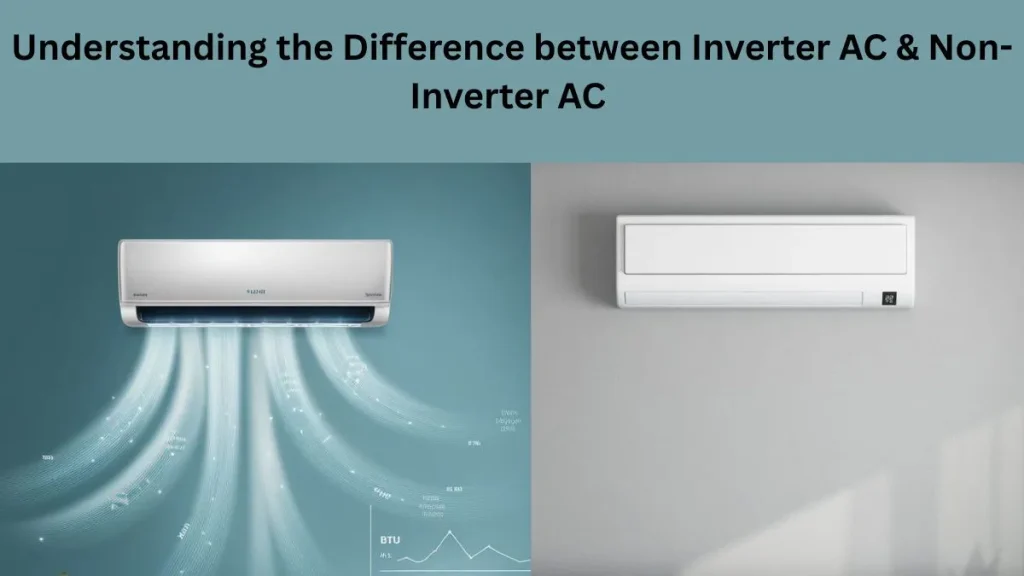
Are you wondering if your air conditioner is an inverter model but don’t know where to start? Knowing this can save you money on energy bills and keep your home more comfortable.
Inverter air conditioners work differently from regular ones, and spotting the difference isn’t always obvious. You’ll discover simple ways to check if your AC is an inverter. By the end, you’ll have the confidence to make smarter choices for your cooling needs.
Keep reading to find out how!
Inverter Ac Basics
Inverter ACadjusts its compressor speed to save energy. Unlike regular ACs, it does not turn on and off repeatedly.
This technology keeps the room temperature steady and reduces power use. It helps in lowering electricity bills.
What Sets Inverter Ac Apart
- Variable compressor speed for better cooling control
- Quieter operation compared to traditional ACs
- Faster cooling without sudden temperature changes
- More energy-efficient and eco-friendly
Benefits Of Inverter Technology
| Benefit | Explanation |
|---|---|
| Energy Saving | Uses less power by running compressor at variable speeds |
| Comfort | Maintains a steady room temperature without big swings |
| Quiet Operation | Runs smoothly with less noise than traditional ACs |
| Longer Life | Less wear on parts due to fewer start-stop cycles |
Checking The Model And Label
Find the model numberon the air conditioner’s body or remote control. It is usually on a sticker or plate. This number helps identify the type of AC.
Check the label for words like “Inverter”or “DC Inverter”. These words show the AC uses inverter technology.
| Label Term | Meaning |
|---|---|
| Inverter | Uses variable speed compressor for energy saving |
| Non-Inverter | Uses fixed speed compressor, less efficient |
| DC Inverter | Advanced inverter with direct current motor |
- Look for model codes that include “IV” or “INV”.
- Check the user manual for inverter mention.
- Labels often show energy star ratings for inverters.
Examining The Compressor Type
The main difference between inverterand non-inverter air conditionerslies in the compressor type. A variable speed compressoradjusts its speed to control temperature. This saves energy and keeps the room comfortable.
A fixed speed compressorruns at a constant speed. It turns on and off to maintain temperature. This can cause more energy use and temperature swings.
- Inverter compressorsrun quietly and smoothly.
- They save power by changing speed as needed.
- Non-inverter compressors make more noise.
- They cycle on and off frequently.
| Feature | Inverter Compressor | Non-Inverter Compressor |
|---|---|---|
| Speed | Variable speed | Fixed speed |
| Energy Use | Lower, saves power | Higher, more waste |
| Noise Level | Quiet operation | Louder, cycles on/off |
| Temperature Control | Smoother, steady | Less steady, swings |

Credit: oxygendigitalshop.com
Observing Energy Consumption
Inverter air conditionersuse less energythan regular units. They adjust power to keep the room cool without stopping and starting often. This means power use stays steady, not spiking up and down.
Non-inverter models turn on and off repeatedly, causing high bursts of energy use. Watching your electricity metercan help spot this difference. Inverter units show a consistent, lower power drawduring operation.
| Feature | Inverter AC | Non-Inverter AC |
|---|---|---|
| Energy Efficiency | High (Saves more electricity) | Lower (Uses more electricity) |
| Power Usage Pattern | Stable and steady | Starts and stops frequently |
| Energy Rating | Usually higher (e.g., 5-star) | Usually lower (1-3 star) |
Listening To Operational Noise
An inverter air conditioner works quietly. It changes its speed smoothly. This means you will hear a soft, steady hum. The noise does not stop or start suddenly.
Non-inverter ACs make loud sounds when turning on or off. Their compressor runs at full speed or stops completely. This causes a louder noise with sudden changes.
- Listen for a gentle, steady noise from the unit.
- Notice if the sound stays constant without big changes.
- Check if the AC does not make loud clicks or stops abruptly.
- Soft humming or whirring sounds often mean inverter technology.
Consulting Manufacturer Resources
Official websites often list detailed product specifications. These specs usually indicate if the air conditioner is an inverter model. Searching the model number on the site can quickly show this information. Many brands have dedicated pages for inverter technology, explaining its benefits clearly.
Customer support teams can provide accurate information about your air conditioner. Contacting them via phone or email helps confirm whether your unit uses an inverter compressor. They can also guide you on checking product labels or manuals for more details.
Using Remote Control Features
Inverter ACsoften have special modeson their remote controls. These modes include energy-savingor eco modesthat change the compressor speed. Traditional ACs usually have simple on/off or temperature settings only.
Look for buttons labeled with terms like “Eco,” “Power Saving,”or “Sleep Mode.”These modes help the AC run efficiently by adjusting power use. If these are present, the AC likely uses inverter technology.
Many inverter ACs can connect to smartphone appsor Wi-Fi controls.These apps allow you to set temperatures, change modes, or schedule the AC remotely. Non-inverter models rarely have such smart control options.

Credit: climamarket.com

Credit: www.homedepot.com
Frequently Asked Questions
What Is An Inverter Air Conditioner?
An inverter air conditioner adjusts the compressor speed based on cooling needs. This ensures energy efficiency and consistent temperature. Unlike traditional models, it doesn’t constantly switch on and off. This results in quieter operation and reduced energy consumption. It’s ideal for maintaining a stable, comfortable indoor environment.
How To Identify An Inverter Ac?
Check the label or manual for “inverter” or “DC inverter” terms. Look for energy efficiency ratings, typically higher in inverter models. Inverter ACs often have a variable speed compressor. They maintain consistent cooling without frequent on-off cycles. If still unsure, consult the manufacturer or a professional.
Why Choose An Inverter Air Conditioner?
Inverter air conditioners save energy and reduce electricity bills. They maintain a consistent room temperature, enhancing comfort. With quieter operation, they’re ideal for bedrooms and living spaces. They’re environmentally friendly due to reduced energy consumption. Over time, they provide significant savings on operational costs.
Are Inverter Acs More Expensive To Purchase?
Inverter air conditioners often have a higher upfront cost. However, they offer long-term savings through reduced energy bills. Their efficiency and durability can offset the initial expense. The investment pays off in lower operational costs over time. It’s a cost-effective choice for long-term use.
Conclusion
Knowing if your air conditioner is an inverter helps save energy and money. Check the label or user manual for inverter details. Notice how the compressor runs—steady or on/off? Inverter models adjust speed for better cooling and efficiency. Choosing an inverter AC means quieter operation and longer life.
Keep these tips in mind when buying or checking your AC. Understanding these points makes your cooling choice smarter and easier.