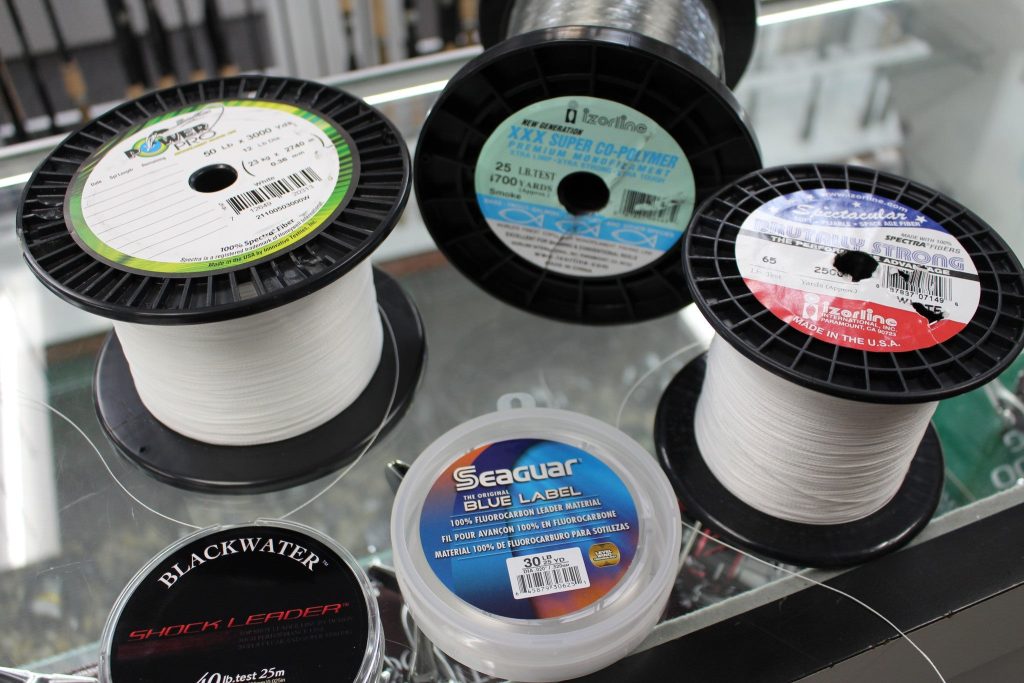
Choosing the right fishing line can make or break your day on the water. Picture this: you’ve found the perfect spot, the fish are biting, but your line snaps, leaving you empty-handed.
Frustrating, isn’t it? Understanding what fishing line to use is crucial for a successful catch. Whether you’re a seasoned angler or just starting out, knowing which line matches your needs can save you from disappointment and elevate your fishing game.
In this guide, you’ll discover how to pick the perfect fishing line, ensuring every cast is as effective as possible. Ready to reel in your next big catch? Let’s dive in!
Types Of Fishing Lines
Choosing the right fishing line is important for a good fishing experience. Different lines work better for different kinds of fish and water conditions.
This guide explains three common types of fishing lines: monofilament, fluorocarbon, and braided. Learn their features to pick the best one for you.
Monofilament
Monofilament is made from a single strand of nylon. It is soft and flexible, making it easy to handle for beginners. This line floats on water and stretches when pulled.
- Good for light tackle fishing
- Affordable and widely available
- Stretches to absorb shocks
- Visible in water, so may need a bright color
- Can degrade in sunlight over time
Fluorocarbon
Fluorocarbon line is made from a clear material that sinks in water. It is less visible to fish than monofilament. This line is strong and resists abrasion well.
| Feature | Fluorocarbon | Monofilament |
| Visibility | Low | Higher |
| Stretch | Low | High |
| Water Absorption | Very Low | Higher |
| Durability | Good | Moderate |
| Cost | Higher | Lower |
Braided
Braided line is made by weaving several strands of fiber together. It is very strong and has little stretch. This line sinks slowly and is thin for its strength.
- Very high strength for size
- Excellent sensitivity to fish bites
- Durable and long-lasting
- Does not stretch much, good for heavy cover fishing
Line Strength And Breaking Point
Choosing the right fishing line is key to a good catch. The strength and breaking point tell you how much weight the line can hold before it snaps.
Understanding these factors helps you pick a line that matches the fish you want to catch. It keeps your line from breaking and losing your catch.
Pound Test Ratings
The pound test rating shows the maximum weight a line can hold. For example, a 10-pound test line can hold up to 10 pounds before breaking.
- A lower pound test is thinner and less visible in water.
- A higher pound test is thicker and stronger.
- Choose a line with a pound test slightly higher than the fish weight.
- Always check the line label for the pound test rating.
Matching Line Strength To Fish Species
| Fish Species | Recommended Pound Test |
|---|---|
| Trout | 4-8 lbs |
| Bass | 8-12 lbs |
| Catfish | 12-20 lbs |
| Salmon | 12-16 lbs |
| Marlin | 50-80 lbs |
Picking the right line strength helps avoid broken lines. Use lighter lines for small fish and stronger ones for big fish.
Line Diameter And Visibility
Choosing the right fishing line depends on its diameter and how visible it is in water. These factors affect how far you can cast and how well your line blends with the water.
Understanding these details helps you pick a line that suits your fishing style and the environment you fish in.
Impact On Casting Distance
Thinner lines have less air resistance and less friction on the rod guides. This allows the line to fly farther when you cast.
- Thinner diameter lines increase casting distance.
- Thicker lines reduce casting range but add strength.
- Match line diameter to your reel and rod type.
- Consider line memory; thinner lines tend to coil less.
Camouflage In Water
Visibility of the fishing line in water affects how easily fish can see and avoid it. Clear or low-visibility lines reduce detection.
| Line Type | Visibility in Water | Best Use |
| Monofilament | Moderate | General fishing in clear water |
| Fluorocarbon | Low | Clear water or cautious fish |
| Braid | High | Weedy areas or heavy cover |

Credit: www.reddit.com
Stretch And Sensitivity
Choosing the right fishing line depends on its stretch and sensitivity. Stretch means how much the line can stretch under pressure. Sensitivity is how well you can feel bites or movements through the line.
These two factors affect your control and success in fishing. Knowing their roles helps you pick the right line for your needs.
Advantages Of Stretchy Lines
Stretchy lines absorb shocks from big fish pulling hard. They protect your rod and reduce line breakage. Stretch also helps when fighting fish that jump or run fast.
These lines are good for beginners or rough fishing conditions. They give you more time to react and set the hook.
- Shock absorption reduces line snapping
- Better for fighting strong, fast fish
- Good for beginners learning to set hooks
- Protects rod and gear from sudden pulls
Benefits Of Low-stretch Lines
Low-stretch lines let you feel even small bites clearly. They give you better control when setting the hook quickly. These lines improve your sensitivity to fish movements.
They are useful for fishing in clear water or for species that bite lightly. Low-stretch lines help you react faster and catch more fish.
- High sensitivity to detect light bites
- Better control for quick hook sets
- Ideal for clear water fishing
- Works well with light-biting fish
Water Conditions And Line Choice
Choosing the right fishing line depends a lot on water conditions. Clear water and muddy water need different lines.
Picking the right line helps you catch more fish and avoid scaring them away.
Clear Water Considerations
In clear water, fish can see your line easily. Use lines that are less visible to avoid scaring fish.
Fluorocarbon lines work well because they blend with water. Light-colored lines also help in clear water.
- Choose thin, clear, or light-colored lines
- Fluorocarbon is good for low visibility
- Use lighter line weight for less splash and better casting
Muddy Or Turbid Water Tips
Muddy water makes it hard for fish to see your line. Use bright or heavier lines to help fish sense your bait.
Strong lines like braided line can cut through thick water and weeds. Bright colors also help you track your line.
- Use brighter colored lines to stay visible
- Heavier lines help in rough water and thick cover
- Braided lines offer strength and low stretch
Fishing Techniques And Line Selection
Choosing the right fishing line depends on your fishing technique. Different methods need different line types and strengths.
Knowing which line to use helps improve your catch rate and fishing experience.
Casting And Spinning
Casting and spinning need light to medium lines for smooth casting. Monofilament and fluorocarbon are good choices.
Choose a line with moderate stretch to absorb shocks when fish bite. Lighter lines help cast farther.
- Monofilament: Good stretch and easy to handle
- Fluorocarbon: Less visible underwater and more sensitive
- Line strength: 6-12 lb test is common
Trolling And Bottom Fishing
Trolling and bottom fishing use heavier lines to handle big fish and rough conditions. Braided and heavy monofilament lines work well.
Choose lines with high strength and low stretch for better control. Heavier lines resist abrasion from rocks and debris.
- Braided line: High strength and low stretch
- Monofilament: Good abrasion resistance
- Line strength: 20-50 lb test is typical
Line Maintenance And Storage
Choosing the right fishing line is only part of the task. Proper care keeps it strong and ready.
Good maintenance and storage help prevent damage and extend the line’s life.
Preventing Line Memory
Line memory happens when your line coils in loops from the spool. This can cause tangles and reduce casting distance.
- Use your reel’s tension knob to control line release.
- Avoid letting loose coils form during casting or reeling.
- Run your fingers along the line to straighten it before use.
- Try to spool line evenly and avoid overfilling your reel.
- Replace old line regularly to reduce memory effects.
Proper Storage Methods
Storing fishing line correctly stops damage from heat, sunlight, and moisture. These factors weaken the line over time.
| Storage Tip | Why It Helps |
| Keep line in a cool, dry place | Prevents weakening from heat and moisture |
| Avoid direct sunlight exposure | Stops UV rays from breaking down the line |
| Store line on its original spool | Keeps line shape and prevents tangles |
| Use sealed containers or bags | Protects from dust and humidity |
| Loosen the line tension slightly | Prevents tight coils and line memory |
Common Mistakes To Avoid
Choosing the right fishing line is very important for a good fishing experience. Many anglers make mistakes that can reduce their catch or break their line. Learning what to avoid helps you fish better and longer.
This guide explains two common mistakes about fishing line. Avoid these to keep your fishing line strong and effective.
Using Incorrect Line Strength
Using a fishing line with the wrong strength can cause problems. A line too weak may break easily. A line too strong can scare fish away or reduce your fishing feel. Match the line strength to the fish you want to catch.
- Check the weight of the fish species before choosing line strength.
- Use lighter lines for small fish for better bite detection.
- Use stronger lines for heavy or sharp-toothed fish.
- Balance line strength with your fishing rod’s capacity.
Ignoring Line Wear And Tear
Fishing lines get damaged after use. Sunlight, rubbing on rocks, and hooks make lines weak. Ignoring these signs can cause sudden breaks and lost fish. Always check your line before fishing.
| Signs of Line Wear | What to Do |
| Fraying or small cuts | Cut and replace the damaged section |
| Discoloration or stiffness | Replace the whole line if old |
| Line feels rough on fingers | Check for hidden damage and replace if needed |
| Line slips on the reel | Tighten or replace the line spool |
Tips From Expert Anglers
Choosing the right fishing line can make your fishing trip better. Expert anglers know which lines work best in different conditions.
This guide shares simple tips to help you pick the best fishing line for your needs.
Understand Different Types Of Fishing Lines
There are three main types of fishing lines: monofilament, fluorocarbon, and braided. Each has its own strengths and uses.
- Monofilament:Flexible and easy to handle. Good for beginners.
- Fluorocarbon:Nearly invisible underwater. Great for clear water.
- Braided:Very strong and thin. Best for heavy cover and big fish.
Match Line Strength To Fish Size
Choose a line with the right strength or test weight for the fish you want to catch. Too weak, and it breaks; too strong, and you may lose sensitivity.
- Small fish: Use light line (2-6 lb test)
- Medium fish: Use medium line (8-15 lb test)
- Large fish: Use heavy line (20+ lb test)
Consider Water Conditions
Water clarity and type affect your choice. Clear water calls for less visible lines. Murky water allows stronger, thicker lines.
- Clear water: Use fluorocarbon for invisibility
- Murky water: Use braided or monofilament for strength
- Saltwater: Use corrosion-resistant lines like fluorocarbon or braid
Think About Casting Distance And Sensitivity
Some lines cast farther and feel more sensitive. Braided lines cast well and give good bite feeling. Monofilament stretches more, which can help on tough fights.
Check Your Rod And Reel Compatibility
Your fishing rod and reel limit the line you can use. Check their specs to avoid problems like line twisting or breakage.
- Match line weight to rod power
- Use line type recommended for your reel
- Avoid using thicker lines on small reels

Credit: www.reddit.com

Credit: www.reddit.com
Frequently Asked Questions
What Factors Determine The Best Fishing Line To Use?
The best fishing line depends on target fish, water type, and fishing method. Consider strength, stretch, and visibility for success.
How To Choose Fishing Line Strength Or Test?
Select line strength based on fish size and fishing environment. Use heavier test lines for larger fish and rough conditions.
Which Fishing Line Types Are Most Popular?
Monofilament, fluorocarbon, and braided lines are popular. Each offers unique benefits like stretch, invisibility, or strength.
When Should I Use Braided Fishing Line?
Use braided line for heavy cover or deep water fishing. It offers high strength and low stretch.
Conclusion
Choosing the right fishing line makes a big difference. Match the line to your fishing style and fish type. Consider strength, stretch, and visibility in water. Keep your budget and gear in mind too. Test different lines to find what feels best.
Good fishing starts with good gear choices. Simple steps lead to better catches and more fun. Try what you learned today on your next trip. Enjoy fishing with confidence and ease.