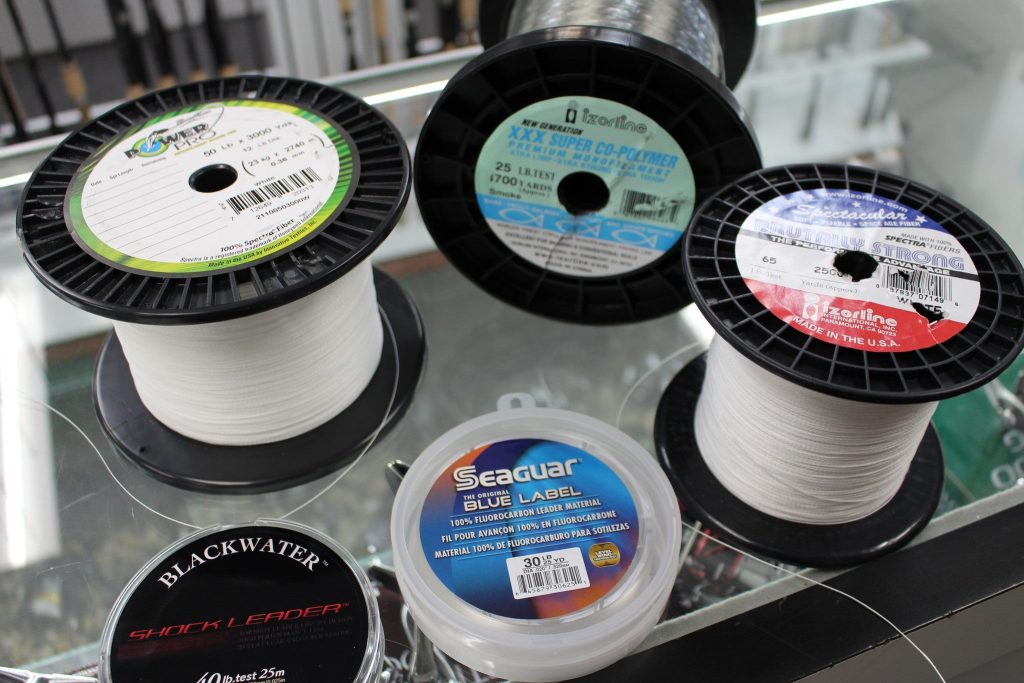
Choosing the right fishing line can make or break your fishing experience. You might have the best rod and reel, but if your line isn’t up to the task, you could miss out on the big catch.
So, how do you know which fishing line is best for you? Whether you’re a beginner or have some experience, understanding your options will help you fish smarter, not harder. Keep reading, and you’ll discover simple tips that will change the way you fish forever.
Types Of Fishing Lines
Fishing lines come in different types to suit various fishing needs. Choosing the right line helps catch fish more easily.
Each fishing line type has unique features. Understanding them helps you pick the best line for your fishing style.
Monofilament Lines
Monofilament lines are made from a single strand of nylon. They are soft, stretchy, and easy to handle.
These lines work well for beginners. They float on water and are good for many fishing types.
- Affordable and widely available
- Good stretch reduces fish escaping
- Visible in water, easy to see
- May weaken after long sun exposure
Fluorocarbon Lines
Fluorocarbon lines are made from a special type of plastic. They are nearly invisible underwater.
These lines sink faster and resist abrasion well. They are great for clear water fishing.
- Harder to see by fish
- Less stretch than monofilament
- More durable near rocks and weeds
- Usually more expensive than monofilament
Braided Lines
Braided lines are made by weaving many fibers together. They are very strong and thin.
These lines have almost no stretch. They are good for deep water and heavy fish.
- High strength with small diameter
- Very sensitive to fish bites
- Does not stretch much
- Visible in water, so often used with a leader
Factors Influencing Line Choice
Choosing the right fishing line is important for your success. Different factors affect your choice. Understanding these factors will help you pick the best line.
The type of fish, the environment, and your equipment matter. Let’s explore these factors in detail.
Target Species
The type of fish you want to catch affects your line choice. Different fish have different sizes and strengths. Your line should match the fish’s power.
- Small fish need lighter lines
- Big fish require stronger lines
- Check fish species in your area
Fishing Environment
Where you fish also impacts your choice. Water conditions and obstacles affect your decision. Choose lines that suit the environment.
- Clear water needs invisible lines
- Rough areas require tough lines
- Deep waters may need heavier lines
Rod And Reel Compatibility
Your rod and reel must work well with the line. The line should fit the reel’s capacity. The rod must handle the line’s weight.
- Check reel capacity for line size
- Use rods that support line strength
- Ensure smooth line release and retrieve
Casting Distance
The distance you want to cast affects your line choice. Different lines have different casting abilities. Consider the distance for better results.
- Thin lines cast further
- Heavy lines limit casting range
- Choose lines based on fishing spot
Line Strength And Diameter
Choosing the right fishing line depends on its strength and diameter. These factors affect your fishing success and gear performance.
This guide explains how pound test ratings and line diameter influence your choice. You will also learn how to balance strength with flexibility.
Pound Test Ratings
Pound test shows how much weight a fishing line can hold before breaking. A higher number means stronger line. Choose a pound test based on the fish size you want to catch.
- Light line (2-6 lb): Best for small fish and clear water.
- Medium line (8-15 lb): Good for most freshwater fishing.
- Heavy line (20+ lb): Used for large fish and heavy cover.
Line Diameter Effects
Line diameter affects casting distance and visibility. Thin lines cast farther and are less visible to fish. Thick lines are stronger but easier to see.
| Diameter (inches) | Common Use | Strength Level |
|---|---|---|
| 0.005 – 0.008 | Light fishing, small fish | Low |
| 0.010 – 0.015 | General fishing, medium fish | Medium |
| 0.018 – 0.030 | Heavy fishing, large fish | High |
Balancing Strength And Flexibility
Strong lines often lack flexibility, which can cause snapping or poor casting. Flexible lines bend more and reduce breakage. Choose a line that fits your fishing style.
- Use stronger lines for heavy cover and big fish.
- Choose flexible lines for better casting and fighting fish.
- Consider braided lines for good strength and flexibility.

Credit: www.reddit.com
Visibility And Water Conditions
Choosing the right fishing line depends on water clarity and light conditions. These factors affect how well fish see the line.
Understanding visibility helps you pick a line that blends well with the environment. This can improve your chances of catching fish.
Clear Vs Murky Water
In clear water, fish can see your line easily. You need a line that is less visible to avoid spooking fish.
In murky water, visibility is low. Using a brighter or more visible line helps you track your line better.
- Clear water: use thin, clear, or light green lines
- Murky water: use bright or high-visibility lines like yellow or orange
Line Color Options
Fishing lines come in many colors. Each color works better in certain water and light conditions.
Clear or light blue lines blend well in clean water. Dark green and brown lines match weed or mud areas.
- Clear or blue: good for clear water and bright days
- Green or brown: fit well in weedy or muddy water
- Fluorescent colors: easy to see above water
- Camouflage colors: help hide the line underwater
Light Refraction Impact
Water bends light, which changes how your line looks underwater. This is called light refraction.
A line may appear brighter or darker because of refraction. Choose a line color that matches this effect.
- Clear lines may look blue or green underwater
- Colored lines can become less visible at certain angles
- Test your line in water before fishing to see how it looks
Knot Strength And Line Handling
Choosing the right fishing line depends on how strong the knots hold. Knot strength affects your catch. Line handling also matters for smooth casting and control.
Different lines need different knots. Knowing which knot works best helps avoid line breakage and improves fishing success.
Best Knots For Each Line Type
Each fishing line type has knots that work best. Using the right knot keeps your line strong and secure.
- Monofilament:Palomar knot, improved clinch knot
- Fluorocarbon:Palomar knot, uni knot
- Braid:Palomar knot, double uni knot
Line Memory And Stretch
Line memory is the tendency of the line to keep its coiled shape. High memory causes tangles. Stretch helps absorb sudden fish pulls.
| Line Type | Memory Level | Stretch Ability |
| Monofilament | High | Good stretch |
| Fluorocarbon | Medium | Low stretch |
| Braid | Low | Minimal stretch |
Abrasion Resistance
Abrasion resistance protects your line from rough surfaces and sharp objects. Lines with high abrasion resistance last longer.
| Line Type | Abrasion Resistance |
|---|---|
| Monofilament | Moderate |
| Fluorocarbon | High |
| Braid | Low to Moderate |

Credit: www.reddit.com
Budget And Durability
Choosing the right fishing line depends on your budget and how long the line lasts. A good line saves money and helps you catch fish without breaking.
Understanding the cost and durability of fishing lines helps you pick the best option for your fishing needs.
Cost Comparison
Fishing lines come in many types and prices. Knowing the cost helps you choose one that fits your budget.
| Line Type | Price per 100 yards | Average Strength |
| Monofilament | $5 – $10 | Medium |
| Fluorocarbon | $15 – $25 | High |
| Braid | $20 – $30 | Very High |
Line Longevity
How long your fishing line lasts depends on its material and use. Some lines last longer than others.
- Monofilament lines usually last 6 months to 1 year.
- Fluorocarbon lines can last up to 2 years.
- Braid lines last the longest but need careful handling.
When To Replace Your Line
Replace your fishing line if you see damage or feel reduced strength. Regular checks keep your fishing safe and successful.
- Look for frays or cuts on the line.
- Check for stiffness or discoloration.
- Replace the line after heavy use or a big catch.
- Change the line at least once a year if used often.
Expert Tips For Line Maintenance
Choosing the right fishing line is just the start. Taking care of it keeps the line strong and ready.
Good line maintenance helps avoid breaks and tangles during fishing trips. Here are some useful tips.
Proper Storage
Store fishing line in a cool, dry place away from sunlight. Heat and UV rays weaken the line quickly.
- Keep line spools in sealed plastic bags
- Avoid storing line near chemicals or oils
- Use original packaging or a dedicated spool holder
- Do not leave line on reels for long periods without use
Cleaning Techniques
Clean your fishing line after every trip to remove dirt and salt. This prevents damage and keeps it smooth.
| Cleaning Step | Method |
| Rinse | Use fresh water to rinse off salt and debris |
| Wipe | Gently wipe line with a soft cloth |
| Dry | Let line air dry completely before storage |
Avoiding Line Twists
Line twists cause knots and weak spots. Prevent them by following these tips.
- Use a swivel to reduce twisting from lure or bait spin
- Spool line evenly and without tension
- Check line after casting and remove any loops
- Replace old or damaged line to avoid more twists

Credit: www.reddit.com
Frequently Asked Questions
What Factors Affect Choosing The Right Fishing Line?
Choosing the right fishing line depends on fish type, water conditions, and fishing technique. Consider line strength, stretch, and visibility for best results.
How Does Fishing Line Strength Impact Fishing Success?
Line strength determines the maximum weight your line can handle. Using the correct strength prevents line breaks and helps land fish safely.
Which Fishing Line Type Is Best For Beginners?
Monofilament lines are ideal for beginners. They are affordable, easy to handle, and offer good stretch and knot strength.
When Should I Use Braided Fishing Line?
Use braided line for heavy cover or deep water. It offers high strength, low stretch, and excellent sensitivity.
Conclusion
Choosing the right fishing line makes a big difference on the water. Think about the fish you want to catch and where you will fish. Match the line strength and type to your fishing style. Remember, thicker lines are stronger but less sensitive.
Thin lines offer better feel but can break easily. Try different lines to see what works best for you. This way, you enjoy fishing more and catch more fish. Simple steps lead to better results. Keep experimenting and have fun fishing!