Are you tired of weeds taking over your garden and stealing the spotlight from your beautiful plants? Laying down landscape fabric could be the simple solution you’ve been searching for.
Imagine spending less time battling unwanted growth and more time enjoying your outdoor space. In this guide, you’ll discover easy steps to install landscape fabric that keeps weeds at bay, improves soil health, and makes your garden look neat and tidy.
Ready to transform your yard with a method that really works? Let’s dive in and make your gardening efforts pay off!

Credit: www.housedigest.com
Choosing The Right Fabric
Landscape fabric helps control weeds and keeps soil healthy. Picking the right fabric is key for your garden.
Different fabrics work better for different needs. Learn what types and qualities to look for.
Types Of Landscape Fabric
There are woven and non-woven landscape fabrics. Woven fabrics have threads that cross tightly. Non-woven fabrics feel like felt.
Woven fabrics are strong and let water through. Non-woven fabrics block water better but may break down faster.
- Woven fabric: durable and water-permeable
- Non-woven fabric: blocks more water but less durable
- Plastic sheeting: blocks all water, not breathable
Fabric Quality And Durability
Good quality fabric lasts longer and works better. Check fabric thickness and material type before buying.
Strong fabrics resist tearing and stay in place. Thin fabrics may break down quickly under sunlight and soil.
- Thicker fabric is more durable
- Polypropylene and polyester are common materials
- Look for fabric with reinforced edges
Uv Resistance And Breathability
UV resistance protects fabric from sun damage. Choose fabric with UV protection for longer life outdoors.
Breathable fabric lets air and water pass through. This helps plants grow and prevents water buildup.
- UV-resistant fabric lasts longer under sunlight
- Breathable fabric prevents root rot and soil erosion
- Non-breathable fabric can cause water pooling
Preparing The Garden Area
Preparing your garden before laying landscape fabric helps prevent weed growth. It also ensures the fabric lies flat and lasts longer.
Proper preparation makes your garden look neat and helps plants grow well under the fabric.
Clearing Existing Weeds
Remove all weeds and roots from the garden area. Pull them out by hand or use a hoe to clear the ground.
- Pull weeds when the soil is moist for easier removal.
- Dig deep to remove roots and prevent regrowth.
- Dispose of weeds away from the garden to avoid spreading seeds.
Leveling The Soil
Even soil helps the landscape fabric lie flat. Use a rake to smooth the surface.
| Tool | Purpose |
| Garden Rake | Remove debris and level soil |
| Shovel | Fill holes and remove bumps |
| Hand Trowel | Fix small uneven spots |
Soil Moisture Considerations
Check soil moisture before placing fabric. The soil should be moist but not wet.
- Too dry soil can cause fabric to shift.
- Too wet soil can lead to mold under the fabric.
- Water the soil lightly if it feels dry.
Measuring And Cutting Fabric
Landscape fabric is useful for controlling weeds and maintaining a neat garden. Proper measurement and cutting are vital for its effectiveness.
This guide will help you measure and cut landscape fabric efficiently, ensuring good coverage.
Taking Accurate Measurements
Accurate measurements are key to effective landscape fabric installation. Measure the area before cutting the fabric.
Use a measuring tape to determine the length and width of your garden or yard. Record these measurements for later use.
- Measure twice to ensure accuracy
- Include any irregular shapes in your measurements
- Consider extra fabric for slopes
Cutting Tips For Efficiency
Cutting the fabric correctly saves time and reduces waste. Use sharp scissors or a utility knife for clean cuts.
Lay the fabric on a flat surface and mark your measurements with chalk or a washable marker. This helps in making straight cuts.
- Use long, steady cuts for straight edges
- Ensure your tools are clean to avoid tearing
- Cut fabric for each section separately
Allowing For Overlaps And Edges
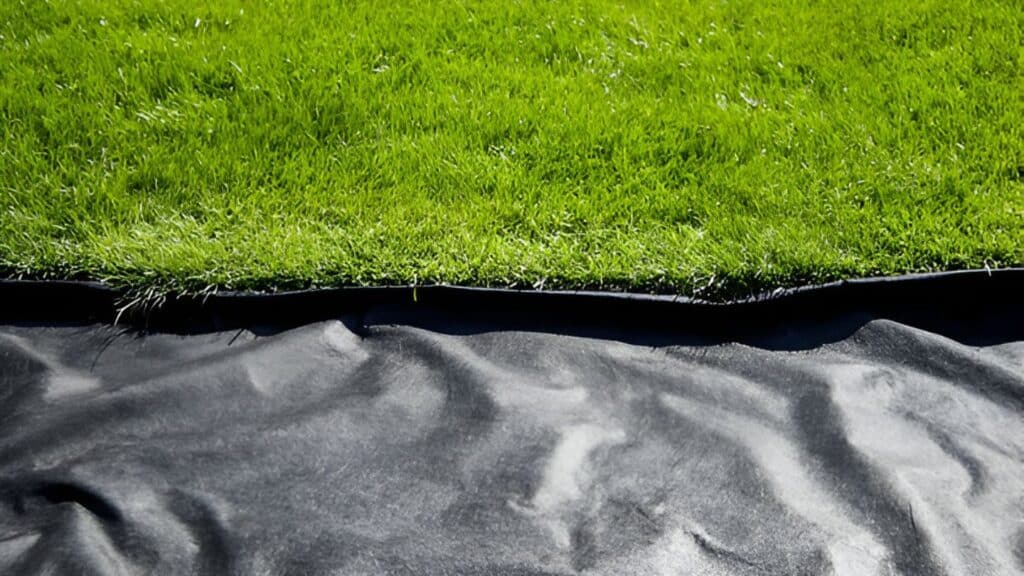
Overlapping the fabric prevents weeds from growing through gaps. Plan for overlaps during measurement and cutting.
Leave extra fabric along the edges for secure anchoring. This ensures the fabric stays in place even in windy conditions.
- Overlap fabric by 4-6 inches
- Secure edges with landscape staples
- Trim excess fabric after installation
Credit: mulchpros.com
Laying Down The Fabric
Laying landscape fabric helps stop weeds and keeps soil healthy. It works best when placed correctly.
This guide covers how to position the fabric, secure it, and handle overlaps and seams.
Positioning The Fabric
First, clear the area of rocks and debris. Roll out the fabric smoothly over the soil. Make sure it covers the entire space you want to protect.
Try to keep the fabric flat and tight. Avoid wrinkles or folds, as they can trap water and cause damage.
Securing With Stakes Or Pins
Use stakes or pins to hold the fabric in place. Insert them every few feet along the edges and across the surface.
- Push stakes deep into the ground to prevent movement.
- Place pins about 12 to 18 inches apart for strong support.
- Check that the fabric stays taut after securing.
Managing Overlaps And Seams
When using multiple fabric pieces, overlap edges by at least 6 inches. This stops weeds from growing through gaps.
| Overlap Length | Purpose |
|---|---|
| 6 inches | Prevent weed growth through seams |
| Secure edges | Keep fabric from lifting |
Secure overlapped areas with extra pins or stakes. Make sure seams stay flat to avoid water pooling.
Covering The Fabric
Covering landscape fabric is key to its success. It protects the fabric and keeps your garden tidy.
Using the right material on top helps prevent weeds and keeps soil moisture steady.
Choosing Mulch Or Gravel
Mulch and gravel both cover fabric well. Mulch is organic and breaks down over time. Gravel is long-lasting and lets water drain.
- Wood mulch adds nutrients as it decomposes.
- Rubber mulch lasts longer and resists decay.
- Gravel prevents weeds and holds fabric in place.
- Pea gravel is smooth and good for pathways.
- Larger rocks offer strong fabric protection.
Spreading Cover Material Evenly
Spread mulch or gravel evenly over the fabric. Keep it deep enough to block light but not too thick to trap water.
| Material | Recommended Depth | Notes |
|---|---|---|
| Wood Mulch | 2 to 3 inches | Allows moisture and air flow |
| Rubber Mulch | 1 to 2 inches | Does not decompose |
| Pea Gravel | 1 to 2 inches | Good for walkways |
| Larger Gravel | 2 to 3 inches | Heavy, holds fabric in place |
Maintaining Fabric Coverage
Check the cover material each season. Add more mulch or gravel if areas thin out. Keep edges covered to stop weeds.
- Rake mulch or gravel to smooth surfaces.
- Fill bare spots promptly.
- Trim plants that grow through fabric.
- Remove debris that can block water flow.

Credit: www.amazon.ca
Planting Through Landscape Fabric
Landscape fabric helps control weeds while allowing water and air to reach plants. You can plant directly through the fabric by making holes for your plants.
This guide explains how to cut holes, help roots grow, and care for your plants after planting through landscape fabric.
Cutting Planting Holes
Cut holes in the fabric where you want to plant. Make sure the holes are big enough for the root ball and some extra space for growth.
- Use a sharp knife or scissors.
- Cut an “X” shape for easy folding back.
- Fold the fabric back to place the plant.
- Cover the edges of the hole with soil to keep fabric in place.
Ensuring Root Growth
Good root growth is key to healthy plants. The fabric allows roots to grow down, but soil quality also matters.
| Tip | Reason |
| Loosen soil before planting | Roots can spread easily |
| Add compost under fabric | Improves nutrients and soil texture |
| Use wide planting holes | Gives roots room to grow |
Watering And Fertilizing Tips
Plants need water and nutrients through the fabric. Water well and add fertilizer carefully.
Follow these tips for watering and fertilizing:
- Water slowly to soak the soil deeply.
- Avoid pouring water directly on the fabric to prevent runoff.
- Use liquid fertilizer around the plant base.
- Apply fertilizer monthly during growing season.
Maintaining A Weed-free Garden
Using landscape fabric helps keep weeds out of your garden. It blocks sunlight, stopping weeds from growing.
To keep your garden weed-free, you need to care for the fabric. Regular checks and repairs make it last longer.
Regular Inspection
Look over your landscape fabric often. Check for holes, tears, or areas where weeds peek through.
Early spotting of damage stops weeds from spreading. Walk around your garden every few weeks for inspection.
Repairing Fabric Tears
Fix small tears quickly to keep weeds out. Use landscape fabric patches or heavy-duty tape to cover holes.
- Cut a patch slightly larger than the tear
- Place patch over the damaged area
- Secure edges with garden staples or tape
Repairing stops weeds from growing through damaged spots. It also keeps your garden neat and clean.
Replacing Fabric When Needed
Replace the fabric if it is old or badly damaged. Worn fabric lets weeds grow and hurts garden health.
- Remove old fabric carefully without disturbing plants
- Clear away any weeds or debris underneath
- Lay new fabric smoothly over the soil
- Secure with garden staples to hold it in place
Fresh fabric keeps your garden weed-free for many seasons. Proper replacement saves time and effort later.
Frequently Asked Questions
What Is Landscape Fabric Used For In Gardening?
Landscape fabric controls weed growth by blocking sunlight and preventing weeds from sprouting. It allows water and air to reach plant roots. It also helps maintain soil moisture and reduces soil erosion, making gardening easier and more efficient.
How Do You Properly Lay Landscape Fabric?
Start by clearing the area of debris and weeds. Roll out the fabric smoothly over the soil. Secure it with landscape staples every few feet. Overlap edges by 6 inches to prevent weeds from growing through gaps. Cut holes for plants before covering with mulch.
Can Landscape Fabric Improve Soil Drainage?
Yes, landscape fabric improves drainage by allowing water to pass through while blocking soil erosion. It prevents waterlogging around plants and helps maintain a healthier root environment. Proper installation ensures effective moisture control and better plant growth.
How Long Does Landscape Fabric Last Outdoors?
Landscape fabric typically lasts 5 to 10 years outdoors, depending on material quality and weather exposure. UV-resistant fabrics last longer. Regular checks and maintenance help extend its lifespan and effectiveness in weed control.
Conclusion
Laying landscape fabric helps keep weeds under control. It also saves time on yard work later. Make sure to prepare the soil well before placing fabric. Secure the edges tightly to stop fabric from moving. Add mulch or rocks on top for better protection.
With these steps, your garden stays neat and healthy. Try this method for a cleaner, easier garden space. Simple, effective, and worth the effort.