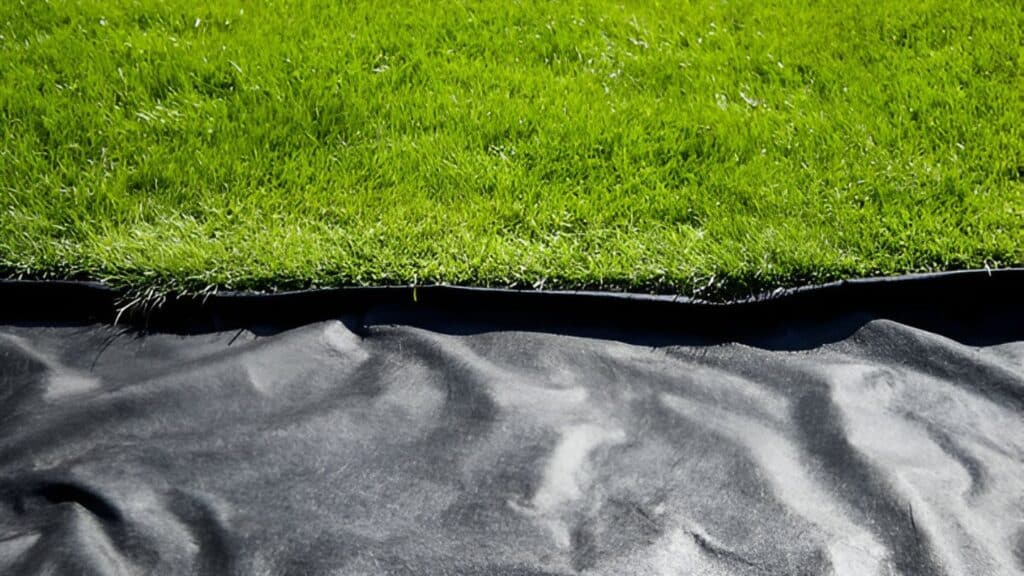
Are you tired of weeds taking over your garden and making your outdoor space look messy? Laying down landscaping fabric could be the simple solution you need to keep your yard neat and beautiful.
But if you’re unsure where to start or worried about making mistakes, don’t worry. You’ll discover clear, step-by-step instructions that make the process easy—even if you’ve never done it before. By the end, you’ll have the confidence to transform your garden with a clean, weed-free look that lasts.
Ready to get started? Let’s dive in.
Choosing The Right Fabric
Landscaping fabric helps control weeds and manage soil moisture. Picking the right fabric is important for your garden’s health.
This guide covers types of fabric, material strength, and how well water passes through.
Types Of Landscaping Fabric
There are several types of landscaping fabric. Each type suits different garden needs and budgets.
- Woven Fabric:Made from tightly woven fibers. It blocks weeds well and lasts long.
- Non-Woven Fabric:Made from pressed fibers. It is softer but less durable.
- Perforated Plastic Film:Thin plastic with holes. It stops weeds but may trap water.
- Biodegradable Fabric:Made from natural materials. It breaks down over time and improves soil.
Material Durability
Durability depends on the fabric type and material quality. Strong fabrics last longer and resist tearing.
| Fabric Type | Durability | Typical Lifespan |
|---|---|---|
| Woven Fabric | High | 5 to 10 years |
| Non-Woven Fabric | Medium | 2 to 5 years |
| Perforated Plastic Film | Low | 1 to 3 years |
| Biodegradable Fabric | Variable | 6 months to 2 years |
Permeability And Drainage
Good landscaping fabric lets water and air pass through. This helps plants grow healthy roots.
- Woven fabrics usually have high permeability.
- Non-woven fabrics vary but often allow good drainage.
- Plastic films block water and can cause puddles.
- Biodegradable fabrics let water through and improve soil.
Preparing The Area
Preparing the area properly helps your landscaping fabric work well. It stops weeds and keeps your garden neat.
Taking time to get the ground ready makes laying fabric easier. It also helps plants grow better around it.
Clearing Debris And Weeds
Clear all sticks, rocks, and trash from the area. Remove weeds by pulling them out or using a hoe.
Make sure you take out roots to stop weeds from growing back under the fabric.
- Pick up leaves, branches, and trash
- Pull weeds by hand or use a garden tool
- Dig out roots to prevent regrowth
- Dispose of all debris properly
Leveling The Ground
Use a rake or shovel to smooth the soil surface. Remove bumps and fill holes for an even ground.
An even ground helps the fabric lay flat. It prevents tears and stops water from pooling under the fabric.
- Rake soil to remove lumps
- Fill low spots with extra soil
- Press soil gently to firm it
- Check for slopes and adjust if needed
Soil Conditioning Tips
Improve your soil before laying fabric. Adding compost or mulch helps plants grow better near the fabric edges.
Loosen hard soil to improve water drainage. Avoid compacting the soil after conditioning to keep it healthy.
- Add organic compost to enrich soil
- Mix soil with mulch for moisture control
- Break up hard soil with a garden fork
- Do not pack soil too tightly
Cutting And Positioning Fabric
Using landscaping fabric helps control weeds and keeps soil healthy. Cutting and placing the fabric correctly makes it work best.
Learn how to measure your space, cut the fabric, and overlap pieces for full coverage.
Measuring The Space
Start by measuring the area where you will lay the fabric. Use a tape measure to get the length and width.
Write down your measurements to know how much fabric you need. Add extra length for folding edges or overlapping.
Cutting Techniques
Use sharp scissors or a utility knife to cut the fabric. Cut on a flat surface for straight edges.
Cut slowly and carefully to avoid tearing. Mark your cuts with chalk or a marker if needed.
- Cut slightly larger than the measured area
- Trim edges after placing fabric if needed
- Make small slits for plants or obstacles
Overlapping For Coverage
Overlap fabric pieces by 6 to 12 inches to block weeds from growing between seams. This helps keep the area fully covered.
Secure overlaps with landscape staples or pins. Make sure the fabric lies flat and does not bunch up.
- Overlap edges to prevent gaps
- Press down edges for a smooth fit
- Check overlaps after rain or wind

Credit: www.lowes.com
Securing The Fabric
Securing landscaping fabric properly helps keep it in place and prevents weeds. It also makes your garden look neat and tidy.
Using the right fasteners and placing them correctly are key to a stable setup. Let’s look at how to do this well.
Types Of Fasteners
Several fastener types work well for landscaping fabric. Choose one that suits your soil and garden size.
- Plastic or metal landscape staples
- U-shaped pins with barbs
- Plastic garden pins with large heads
- Heavy-duty wire pins
- Rocks or bricks can also hold fabric temporarily
Placement Strategies
Place fasteners at key points to hold the fabric tight and smooth. Space and pattern matter.
- Put fasteners every 12 to 18 inches along the edges.
- Add extra fasteners in the middle of large sheets to stop lifting.
- Secure overlaps with fasteners every 6 to 8 inches.
- Anchor corners with at least two fasteners each.
Ensuring Stability
Good stability comes from correct fastening and fabric care. Check the fabric regularly for signs of loosening.
| Tip | Reason |
|---|---|
| Use enough fasteners | Prevents fabric from shifting or lifting |
| Secure edges firmly | Stops wind from blowing fabric away |
| Cover fabric with mulch | Adds weight and protects fabric from sun damage |
| Inspect after heavy wind or rain | Fix loose spots quickly |
Adding Mulch And Finishing Touches
Landscaping fabric helps control weeds. Adding mulch completes the job. This improves your garden’s look and health.
After laying down the fabric, you need to choose the right mulch. This enhances the landscape and protects the soil.
Best Mulch Options
Mulch comes in many types. Each has its own benefits. Choose one that suits your garden’s needs.
- Bark mulch is great for preventing weeds.
- Stone mulch lasts longer and looks neat.
- Pine straw is affordable and easy to spread.
Layer Thickness
The right thickness of mulch is important. It ensures the fabric stays in place and protects the plants.
Generally, a layer of 2-3 inches is ideal. This keeps moisture in and weeds out.
Maintaining Appearance
Keep your mulch looking fresh. Regular maintenance is key. This helps the garden stay attractive year-round.
- Rake the mulch to even out the layer.
- Add new mulch each season to keep it fresh.
- Remove any fallen leaves or debris regularly.
Common Mistakes To Avoid
Using landscaping fabric helps control weeds and keeps soil healthy. Avoiding some common mistakes will make your project last longer. Read on to learn what to watch out for when laying down landscaping fabric.
Skipping important steps can cause problems like fabric tearing, poor drainage, and weed growth. Fix these errors early to save time and effort.
Skipping Soil Prep
Soil preparation is the first step before laying fabric. If you skip this, the fabric may not work well. Remove weeds, rocks, and debris from the area.
- Clear all weeds and roots to stop regrowth
- Level the ground to prevent fabric tears
- Add soil amendments if needed to improve soil health
Insufficient Overlap
Overlapping fabric pieces is key to stopping weeds from sneaking through. If you do not overlap enough, weeds can grow in the gaps.
| Overlap Distance | Reason |
| 6 inches (15 cm) | Standard overlap to block weeds |
| 12 inches (30 cm) | Use for slopes or heavy weed areas |
| Less than 6 inches | Can cause weed growth between fabrics |
Ignoring Drainage Needs
Landscaping fabric must allow water to flow through. Ignoring drainage can cause water pooling and damage plants.
Check these drainage tips:
- Choose fabric that is permeable to water
- Do not cover fabric with solid materials that block water
- Ensure the soil beneath slopes slightly for water runoff
- Test water flow by pouring water on fabric after installation
Maintenance For Longevity
Landscaping fabric helps keep weeds under control and saves time. Taking care of it keeps it working well for years.
Regular maintenance stops small problems from turning big. It also helps the fabric last longer in your garden.
Regular Inspections
Check your landscaping fabric every few months. Look for areas where it might be lifting or damaged.
Early checks help you fix small tears and keep weeds from growing through holes.
Repairing Tears And Holes
Fix tears and holes as soon as you find them. Use landscape fabric patches or heavy-duty tape to cover damage.
Secure the patch well to stop weeds from growing through the gaps.
- Clean the area around the tear before patching
- Cut a patch larger than the hole
- Place the patch over the damaged spot
- Secure edges with stakes or tape
Replacing Fabric When Needed
Replace the fabric if it is worn out or broken in many places. Old fabric cannot stop weeds well.
Remove the old fabric carefully before laying new material. This keeps your garden neat and healthy.

Credit: www.housedigest.com

Credit: www.amazon.ca
Frequently Asked Questions
What Is The Purpose Of Landscaping Fabric?
Landscaping fabric helps prevent weed growth by blocking sunlight. It allows water and air to pass through, promoting healthy soil. This reduces maintenance and keeps gardens tidy and weed-free.
How Do You Properly Lay Landscaping Fabric?
First, clear and level the ground. Roll out the fabric smoothly, overlapping edges by 6 inches. Secure with landscape staples, then cover with mulch or gravel for protection and appearance.
Can Landscaping Fabric Be Used Under Mulch?
Yes, it acts as a barrier to weeds while allowing water to seep through. This extends mulch life and reduces weed growth, enhancing garden health and appearance.
How Long Does Landscaping Fabric Last?
Quality landscaping fabric typically lasts 5 to 10 years. Its lifespan depends on material type, sunlight exposure, and maintenance. Replacing fabric after this period ensures continued weed control.
Conclusion
Laying landscaping fabric helps keep weeds out and plants healthy. It is simple to install with the right tools. Make sure to prepare the ground before placing the fabric. Cut the fabric to fit your garden shape well. Secure it firmly to stop it from moving.
Cover it with mulch or soil for best results. This method saves time on weeding later. Your garden will look neat and stay cleaner. Try this easy step to improve your outdoor space today.