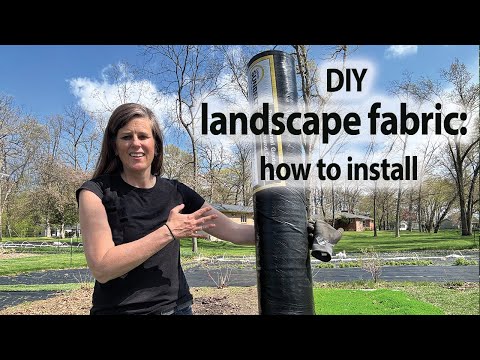
Are you tired of weeds taking over your garden and making your hard work go to waste? Laying landscaping fabric might be the simple solution you need.
It’s an easy way to keep weeds at bay while letting your plants grow strong. In this guide, you’ll discover exactly how to lay landscaping fabric step-by-step, saving you time and effort. By the end, you’ll have the confidence to create a neat, healthy garden that looks great all season long.
Ready to get started? Let’s dive in!
Benefits Of Landscaping Fabric
Landscaping fabric helps gardeners keep their yards neat. It acts as a barrier under mulch or stones. This fabric stops unwanted weeds from growing.
Besides weed control, landscaping fabric helps keep soil moist. It also makes gardens look clean and tidy. These benefits make gardening easier and more enjoyable.
Weed Control
Weeds compete with plants for water and nutrients. Landscaping fabric blocks sunlight from reaching weed seeds. Without sunlight, weeds cannot grow through the fabric.
- Stops weed seeds from sprouting
- Reduces the need for herbicides
- Makes garden maintenance easier
- Keeps plants healthy by reducing competition
Soil Moisture Retention
The fabric helps soil keep water longer. It reduces evaporation by covering the soil surface. This means plants get water for more days after rain or watering.
| Benefit | Effect |
| Less water loss | Plants stay hydrated longer |
| Reduced watering frequency | Saves time and water |
| Stable soil temperature | Protects roots from heat |
Improved Garden Appearance
Landscaping fabric creates a clean base for mulch or rocks. It prevents soil from mixing with mulch. This keeps the garden looking fresh and well-kept.
- Prevents mulch from sinking into soil
- Reduces dirt splashing on plants
- Keeps pathways neat and tidy
- Maintains even garden bed surfaces
Tools And Materials Needed
Laying landscaping fabric helps control weeds and keeps soil healthy. You need the right tools and materials to do it well.
This guide covers the types of fabrics, essential tools, and extra supplies you may need for your project.
Types Of Landscaping Fabric
Landscaping fabric comes in several types. Choose one based on your garden’s needs and the level of weed control you want.
- Woven Fabric:Made of tightly woven fibers, it blocks weeds well but lets water through.
- Non-Woven Fabric:Made from pressed fibers, it offers good weed control and soil protection.
- Perforated Plastic:Plastic sheets with holes, good for areas needing water drainage.
- Biodegradable Fabric:Breaks down over time, best for temporary use and eco-friendly gardening.
Essential Gardening Tools
| Tool | Purpose |
| Shovel | Prepare the soil by digging and removing debris |
| Garden Rake | Level the soil surface for smooth fabric laying |
| Scissors or Utility Knife | Cut fabric to fit your garden area |
| Landscape Staples or Pins | Secure fabric to the ground and keep it from moving |
| Measuring Tape | Measure garden beds accurately for fabric sizing |
| Gloves | Protect your hands while working with soil and fabric |
Additional Supplies
Besides tools and fabric, some extra supplies help finish the job and keep your garden neat.
- Mulch or gravel to cover the fabric and improve appearance
- Soil amendments like compost to enrich garden beds before laying fabric
- Water source nearby to moisten soil before and after installation
- Garden hose or sprinkler for watering plants after fabric is in place
Preparing The Garden Bed
Preparing the garden bed is a crucial step before laying landscaping fabric. It ensures your garden remains weed-free and healthy. Follow these steps for a perfect garden bed preparation.
Clearing Existing Weeds
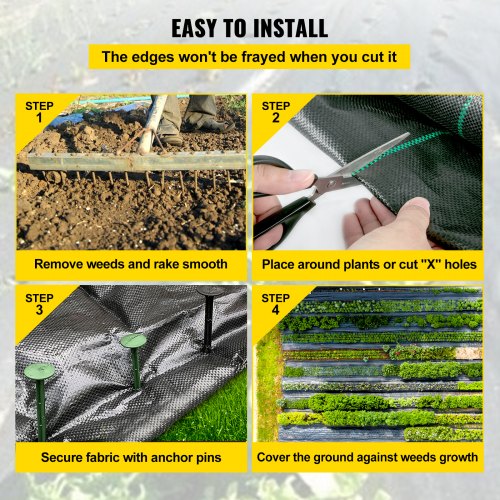
Remove all existing weeds from your garden bed. This prevents them from growing through the fabric. Use a garden hoe or hand pull them out. Make sure to get the roots.
Check the soil carefully for any remaining weed roots. Removing them now saves you trouble later.
- Use a hoe for large weed areas
- Hand pull weeds for precision
- Inspect for leftover roots
Leveling The Soil
After removing weeds, level the soil to create a smooth surface. This helps the fabric lay flat. Use a rake to even out any bumps or holes.
A flat surface helps prevent water pooling. It also ensures the fabric stays in place.
Soil Conditioning Tips
Condition the soil to improve plant growth. Add compost to enrich the soil with nutrients. Mix it well with a shovel.
Check the soil pH if possible. Adjust it to suit the plants you want to grow.
- Add compost for nutrients
- Mix thoroughly with a shovel
- Check and adjust soil pH
Measuring And Cutting Fabric
Measuring and cutting landscaping fabric correctly is important for a neat garden. It helps prevent weeds and saves time.
Careful steps in measuring and cutting make the fabric fit well. This guide explains how to do it easily.
Taking Accurate Measurements
Start by measuring the area where you will place the fabric. Use a tape measure for best results.
Write down the length and width. Measure twice to avoid mistakes before cutting.
- Measure from edge to edge of the planting area
- Note any irregular shapes or curves
- Add extra inches for areas under bushes or rocks
Cutting Techniques
Use sharp scissors or a utility knife to cut the fabric. A clean cut prevents fraying and waste.
Cut slowly along the marked lines. Keep the fabric flat on a smooth surface to avoid wrinkles.
- Use a ruler or straight edge for straight cuts
- Cut in a well-lit area to see lines clearly
- Store excess fabric carefully for future use
Allowing For Overlaps
Leave extra fabric to overlap between sections. Overlaps stop weeds from growing through gaps.
Overlap edges by at least 6 inches. This creates a strong barrier and keeps fabric in place.
- Overlap fabric at corners and seams
- Secure overlaps with landscape staples
- Check overlaps after rain or wind
Laying The Fabric Correctly
Landscaping fabric helps control weeds and protect your garden. Laying it right makes it work better and last longer.
Follow simple steps to place the fabric on soil, secure the edges, and manage overlaps carefully.
Placing The Fabric On Soil
Clear the soil of weeds, rocks, and debris before placing the fabric. Make sure the ground is smooth and dry.
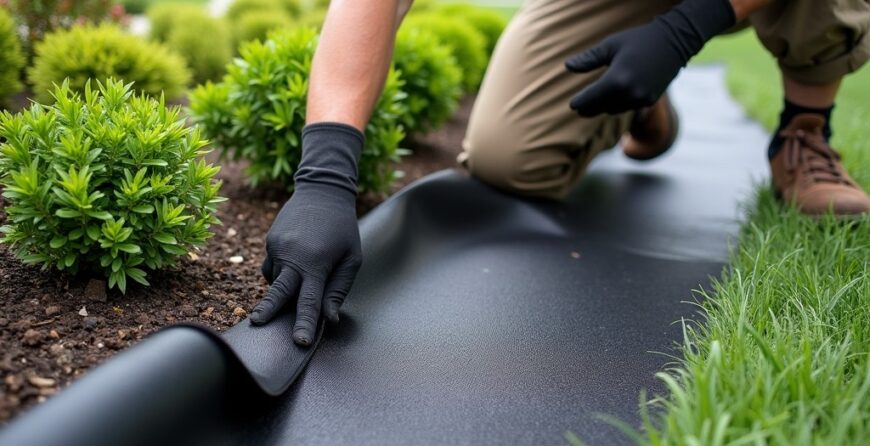
Lay the fabric flat on the soil surface without stretching it. Avoid wrinkles or folds to stop water flow problems.
Securing The Edges
Secure the edges of the fabric with landscape staples or pins. Place them every few feet to keep the fabric from moving.
Press the fabric edges into the soil slightly. This helps prevent wind from lifting the fabric over time.
- Use U-shaped staples for strong hold
- Staple fabric every 12 to 18 inches along edges
- Press fabric edges into soil about 1 inch deep
Managing Overlaps And Seams
Overlap fabric pieces by at least 6 inches to stop weeds from growing through gaps. Make sure overlaps lie flat.
Secure overlaps with extra staples or pins. Avoid leaving gaps or spaces between fabric sections.
- Overlap fabric pieces by 6 to 12 inches
- Staple overlaps every 12 inches
- Keep overlaps flat and tight to the soil

Credit: www.amazon.ca
Planting Through The Fabric
Landscaping fabric helps keep weeds out and soil moist. You can still plant flowers and vegetables through it. This guide shows how to plant through the fabric safely.
Planting through landscaping fabric needs careful cutting and preparation. This keeps plants healthy and fabric working well.
Creating Planting Holes
Cut holes in the fabric where you want to plant. Use sharp scissors or a utility knife. Make the holes just big enough for the plant roots.
Try to avoid making holes larger than needed. Smaller holes keep weeds from growing through the fabric.
- Mark plant locations before cutting
- Cut an X or circle shape for each hole
- Fold back fabric edges to plant easily
- Press fabric firmly around the hole after planting
Transplanting Tips
Transplant plants carefully through the fabric holes. Handle roots gently to avoid damage. Water plants before transplanting to reduce stress.
Place plants in the hole and cover roots with soil. Press soil down to remove air pockets. Keep fabric edges around the plant secure.
- Water plants before and after transplanting
- Use a small trowel for digging holes
- Keep roots moist during the process
- Check fabric edges stay flat around plants
Maintaining Plant Health
Water plants regularly to keep soil moist under the fabric. Use drip irrigation or hand watering at the base. Avoid watering leaves to prevent disease.
Remove any weeds that grow through the holes early. Add mulch on top of the fabric to keep moisture and improve soil quality.
- Water at the plant base, not on leaves
- Check for weeds growing through holes
- Add mulch to protect soil and fabric
- Trim plants if they grow over the fabric
Covering The Fabric
After laying landscaping fabric, covering it is important. The cover protects the fabric and improves your garden’s look.
You can use mulch or gravel to cover the fabric. Each material has its own advantages and style.
Using Mulch Or Gravel
Mulch keeps soil moist and cool. Gravel helps with drainage and stops weeds well. Both cover fabric and add texture.
- Mulch is organic, breaks down over time, and adds nutrients.
- Gravel lasts longer and needs less maintenance.
- Choose colors and sizes that match your garden style.
Benefits Of Covering
Covering fabric has many benefits for your garden’s health and appearance.
| Benefit | Explanation |
| Weed Control | Blocks sunlight to prevent weed growth. |
| Soil Protection | Stops soil erosion and keeps moisture in. |
| Temperature Regulation | Keeps roots cool in summer and warm in winter. |
| Longer Fabric Life | Shields fabric from sun damage and wear. |
Aesthetic Considerations
Choose coverings that fit your garden’s style and colors. Mulch offers a natural, soft look. Gravel gives a clean, modern feel.
Tips for a neat look:
- Use even layers of mulch or gravel.
- Pick colors that match plants and surroundings.
- Refresh mulch yearly to keep it fresh.
- Keep gravel clean by removing debris.
Credit: www.vevor.ca
Maintenance And Troubleshooting
Keeping landscaping fabric in good shape helps control weeds and keeps your garden tidy. Regular checks and care extend the fabric’s life.
This guide covers how to spot damage, manage weeds, and replace fabric when needed.
Inspecting For Damage
Check your landscaping fabric every few months for tears, holes, or worn spots. Damage lets weeds grow through and reduces fabric effectiveness.
- Look under plants and mulch for hidden holes
- Fix small tears with landscape fabric tape
- Replace sections with large damage to stop weeds
- Check edges to make sure fabric stays in place
Handling Weed Growth
Sometimes weeds push through or grow at fabric edges. Remove weeds quickly to prevent spreading and damage to the fabric.
| Weed Type | Best Removal Method |
| Small weeds | Hand-pull gently |
| Deep-rooted weeds | Use a weeding tool carefully |
| Weeds at edges | Trim and secure fabric edges |
Replacing Fabric When Needed
If fabric is old, torn, or full of weeds, it is time to replace it. Remove the old fabric before laying new material.
- Clear plants and mulch from the area
- Pull up old fabric carefully
- Check soil for weeds and remove them
- Lay new fabric flat and secure edges
- Add mulch or gravel on top to protect fabric
Credit: www.leisurelandscapes.com
Frequently Asked Questions
What Is The Purpose Of Landscaping Fabric?
Landscaping fabric prevents weed growth while allowing water and nutrients to reach plants. It reduces soil erosion and maintains garden neatness. Using it saves time on weeding and supports healthy plant growth.
How Do I Prepare The Ground Before Laying Fabric?
Clear the area of weeds, rocks, and debris. Level the soil and water it lightly. This ensures the fabric lies flat and adheres well to the ground, preventing weed growth underneath.
Can Landscaping Fabric Be Used Under Mulch?
Yes, landscaping fabric works well under mulch. It stops weeds while letting moisture through. The fabric keeps mulch from mixing with soil, maintaining a clean garden appearance and improving mulch longevity.
How Do I Secure Landscaping Fabric In Place?
Use landscape staples or pins every few feet to hold the fabric tight. Overlap edges by several inches to prevent gaps. Proper securing keeps fabric stable during weather changes and garden activities.
Conclusion
Laying landscaping fabric helps control weeds and saves time. It keeps your garden clean and soil healthy. Choose the right fabric and prepare the ground well. Cut and place the fabric carefully to cover all areas. Secure it with stakes or pins to prevent movement.
Add mulch or stones on top for better results. With these steps, your garden will look neat and stay weed-free longer. Try it yourself and enjoy a tidier outdoor space.