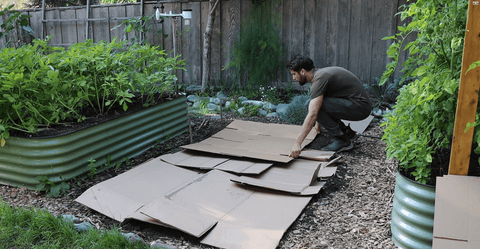
Are you ready to transform your garden into a thriving oasis? Learning how to layer a raised garden bed is the secret to growing healthy, vibrant plants with less effort.
By mastering this simple technique, you’ll improve soil health, boost plant growth, and make gardening easier for yourself. Keep reading, and you’ll discover step-by-step how to build the perfect layers that help your garden flourish season after season. Your green thumb is about to get a serious upgrade!
Benefits Of Raised Garden Beds
Raised garden beds are a popular choice for many gardeners. They offer many benefits for growing plants and vegetables.
This guide explains some key benefits of using raised beds in your garden.
Improved Soil Drainage
Raised beds help water drain better than ground-level gardens. Good drainage stops water from pooling around roots.
Well-drained soil keeps plants healthy and reduces root rot.
- Prevents soil from becoming waterlogged
- Allows excess water to escape quickly
- Helps roots get the right amount of moisture
Enhanced Root Growth
Raised beds give roots more space to grow deep and strong. The loose soil is easier for roots to move through.
This leads to healthier plants that absorb nutrients better.
- Less compact soil helps roots spread
- Better access to air and nutrients
- Supports bigger and stronger plants
Easier Pest Control
Raised beds make it easier to control pests. They create a barrier that some pests cannot cross.
You can also add covers or nets to protect plants more easily.
- Reduces damage from ground pests
- Makes it easier to spot pests early
- Allows simple use of protective covers
Choosing The Right Location
Picking the right spot for your raised garden bed is very important. The location affects how well your plants will grow and how easy it is to care for them.
Think about sunlight, space, and water drainage before setting up your garden bed. These factors help your garden stay healthy and productive.
Sunlight Requirements
Most vegetables and flowers need six to eight hours of sunlight each day. Choose a spot that gets plenty of direct sun.
Check the area at different times to see how sunlight moves. Avoid places shaded by trees or buildings.
- Full sun means 6-8 hours of direct sunlight daily
- Partial sun means 3-6 hours of direct sun
- Shade means less than 3 hours of direct sun
Accessibility And Space
Make sure your garden bed is easy to reach for planting, watering, and harvesting. Avoid tight or hard-to-reach places.
Leave enough space around the bed to move freely with tools or a wheelbarrow. Consider how wide the bed is and your walking paths.
- Leave at least 2 feet of space around the bed
- Choose a spot near water for easy watering
- Avoid crowded areas with little room to move
Avoiding Drainage Issues
Good drainage helps prevent water from pooling around your plants. Pick a location that does not stay wet after rain.
Avoid low spots or places where water collects. If needed, raise the bed higher to improve drainage and keep roots healthy.
- Check the site after rain for standing water
- Avoid areas with heavy clay soil that holds water
- Consider adding gravel or sand under the bed for better drainage
Materials For Building Beds
Choosing the right materials is important for building raised garden beds. Good materials last long and keep the soil healthy.
You can use wood, stone, brick, or recycled items. Each has benefits for your garden’s look and durability.
Wood Options
Wood is popular because it is easy to work with and looks natural. Cedar and redwood resist rot and insects well.
- Cedar: lasts long and smells nice
- Redwood: strong and decay-resistant
- Pine: affordable but may need treatment
- Pressure-treated wood: avoid if growing edible plants
Stone And Brick Alternatives
Stone and brick add a solid, natural look. They are heavy and need little maintenance. These materials keep beds cool in summer.
| Material | Pros | Cons |
|---|---|---|
| Natural Stone | Durable, natural look | Heavy, expensive |
| Brick | Classic style, strong | Can crack in cold |
| Concrete Blocks | Cheap, easy to stack | Less natural appearance |
Recycled Materials
Recycled materials save money and reduce waste. Use old pallets, tires, or scrap wood for unique beds.
Common recycled materials include:
- Wood pallets – easy to find and cheap
- Old tires – good for round beds
- Scrap bricks or stones – mix with other materials

Credit: www.epicgardening.com
Layering Basics
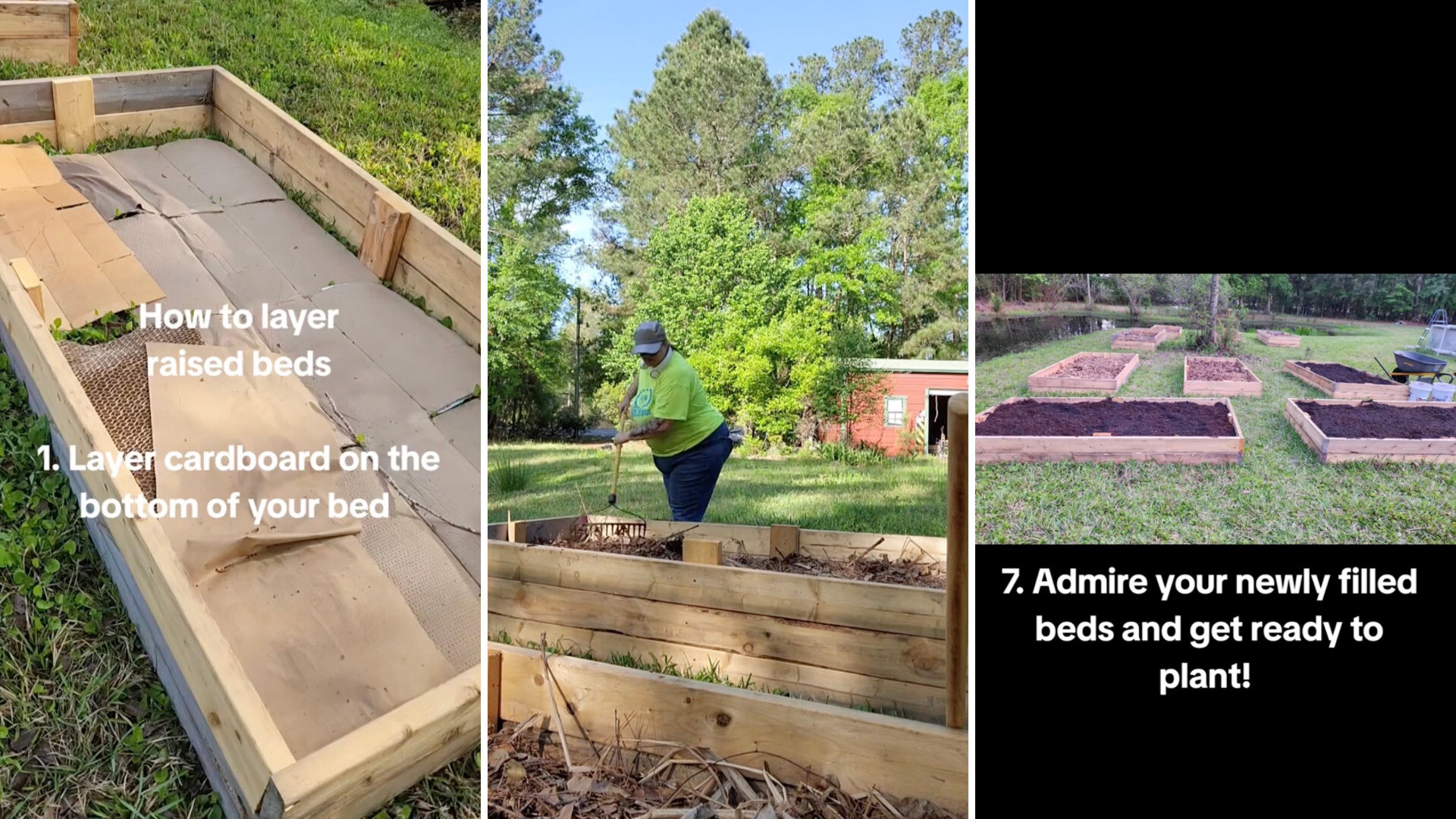
Layering a raised garden bed helps plants grow strong and healthy. Each layer has a special job to do.
Good layering improves water flow, nutrients, and soil health for your plants.
Bottom Layer: Drainage
The bottom layer keeps water moving and stops roots from sitting in water. This helps prevent root rot.
Use coarse materials that let water flow through easily.
- Broken bricks
- Gravel
- Small stones
- Coarse sand
Middle Layer: Organic Matter
The middle layer adds nutrients and helps soil stay loose. It also stores water for plants.
Use natural materials that break down over time to feed your plants.
- Compost
- Leaf mold
- Grass clippings
- Shredded bark
Top Layer: Soil Mix
The top layer is where your plants grow. It needs to be rich, loose, and well-draining.
Mix garden soil with compost and sand for best results.
- 50% garden soil
- 30% compost
- 20% coarse sand or perlite
Choosing Soil Components
Good soil is key for a healthy raised garden bed. The right mix helps plants grow strong and stay healthy.
Choosing the best soil parts takes time. You need to pick compost, topsoil, and nutrient boosters carefully.
Compost Types
Compost adds organic matter and helps soil hold water. There are many types to choose from for your garden bed.
- Vegetable and fruit scraps: Break down quickly and add nutrients.
- Leaf mold: Good for improving soil texture and moisture.
- Manure compost: Adds nitrogen but should be well-aged.
- Grass clippings: Provide nitrogen but avoid treated lawns.
- Worm castings: Rich in nutrients and beneficial microbes.
Topsoil Quality
Topsoil forms the main bulk of your raised bed. It needs to be rich and free of debris for best results.
| Topsoil Feature | Why It Matters |
| Texture | Loamy soil holds water and drains well. |
| Color | Dark soil usually has more organic matter. |
| Smell | Fresh soil smells earthy, not sour or rotten. |
| Cleanliness | Should be free of rocks, roots, and trash. |
Amendments For Nutrients
Adding amendments improves soil nutrition. This helps plants get the minerals they need.
Common nutrient amendments include:
- Bone meal: High in phosphorus for strong roots.
- Blood meal: Provides nitrogen for leafy growth.
- Wood ash: Adds potassium and raises pH.
- Rock phosphate: Slow-release phosphorus source.
- Greensand: Supplies potassium and trace minerals.
Credit: www.thecooldown.com
Planting Strategies
Raised garden beds offer a great way to grow plants efficiently. Understanding how to layer and arrange your plants is key to a successful garden.
By using strategic planting methods, you can maximize your garden’s yield and health. Let’s explore some effective strategies.
Plant Selection For Raised Beds
Choosing the right plants is crucial. You should consider your climate and the space available in your raised bed.
- Choose plants that suit your climate.
- Opt for compact plants to save space.
- Consider seasonal plants for year-round harvest.
Spacing And Arrangement
Proper spacing ensures that plants have enough room to grow. It reduces competition for sunlight and nutrients.
| Plant Type | Spacing (inches) |
| Tomatoes | 24-36 |
| Lettuce | 6-12 |
| Carrots | 2-3 |
Companion Planting Tips
Companion planting pairs plants that benefit each other. This can improve growth and reduce pests.
For example, plant basil near tomatoes to enhance flavor and deter pests.
Similarly, marigolds can be planted to ward off insects.
Maintaining Soil Health
Healthy soil is key to a strong raised garden bed. It supports plant growth and keeps the garden thriving. Proper care helps soil stay rich and full of nutrients.
Good soil health means better water retention, fewer pests, and more food for your plants. Use simple methods to keep your soil in top shape all year.
Watering Techniques
Water the raised bed deeply but less often. This encourages roots to grow deep and strong. Avoid watering too much to stop soil from washing away.
- Water early in the morning to reduce evaporation.
- Use drip irrigation or soaker hoses for steady moisture.
- Check soil moisture before watering to avoid overwatering.
- Water around the base of plants, not the leaves.
Mulching Benefits
Mulch protects soil from heat and erosion. It keeps moisture longer and stops weeds from growing. Organic mulch breaks down and feeds the soil.
| Mulch Type | Benefit |
| Wood Chips | Slow breakdown, good for moisture retention |
| Straw | Lightweight, adds organic matter |
| Grass Clippings | Quick decomposition, adds nitrogen |
| Leaves | Protects soil, adds nutrients |
Fertilizing Schedule
Feed your garden bed with nutrients to keep plants healthy. Use natural fertilizers and follow a regular plan to avoid overfeeding.
- Apply compost or aged manure before planting.
- Use balanced fertilizer every 4–6 weeks during growing season.
- Test soil yearly to adjust fertilizer needs.
- Add bone meal or fish emulsion for extra phosphorus and nitrogen.
Troubleshooting Common Issues
Layered raised garden beds are great for growing plants. Sometimes, problems come up that need fixing. Knowing how to handle these problems helps your garden grow well.
This guide covers three common problems and ways to solve them. You will learn about soil compaction, pest and disease control, and how to adjust for seasons.
Dealing With Soil Compaction
Soil compaction stops water and air from reaching roots. It makes plants grow slowly. Fixing this issue keeps your soil healthy and plants strong.
- Use a garden fork to gently loosen the soil.
- Add organic matter like compost or peat moss.
- Avoid walking on the soil to keep it loose.
- Use mulch to protect soil from hard rain.
- Water deeply but less often to encourage roots to grow down.
Pest And Disease Management
Pests and diseases can damage plants quickly. Watch your garden often to catch problems early. Use safe methods to keep pests away and stop diseases.
| Problem | Signs | Solution |
| Aphids | Sticky leaves, curled growth | Spray water, add ladybugs |
| Powdery Mildew | White powder on leaves | Improve air flow, remove leaves |
| Slugs | Holes in leaves, slime trails | Use beer traps, handpick at night |
Adjusting For Seasonal Changes
Seasons change how your garden grows. Adjust your care to keep plants healthy all year. This helps your bed stay productive and strong.
- Add mulch in fall to keep soil warm.
- Plant cool-weather crops in early spring and fall.
- Use row covers to protect from frost.
- Water more in hot, dry summer months.
- Remove dead plants and debris before winter.

Credit: www.vegogarden.com
Frequently Asked Questions
What Materials Are Best For Layering Raised Garden Beds?
Use organic materials like compost, straw, shredded leaves, and grass clippings. Start with coarse items at the bottom, then finer materials on top. This layering improves soil structure, drainage, and nutrient content for healthy plant growth.
How Thick Should Each Soil Layer Be In Raised Beds?
Aim for 3 to 6 inches per layer. Begin with bulky materials at the base, then add finer compost and soil layers on top. Proper thickness ensures good aeration and water retention for your plants.
Can I Reuse Old Garden Soil In Raised Beds?
Yes, but mix old soil with fresh compost and organic matter. This refreshes nutrients and improves soil texture. Avoid using soil with pests or diseases to protect your plants.
How Often Should I Add New Layers To Raised Beds?
Add fresh organic layers each growing season or twice a year. This replenishes nutrients and maintains soil health. Regular layering supports continuous plant growth and soil fertility.
Conclusion
Layering a raised garden bed helps plants grow strong and healthy. Start with coarse materials at the bottom for good drainage. Add compost and soil layers on top for nutrients. Keep layers even and moist as you build. This method saves time and improves soil quality naturally.
Try it in your garden to see the difference. Simple steps lead to better plant growth and easier gardening. Enjoy watching your garden thrive with layered beds.