
Have you ever noticed your car tire feels too firm or you need to adjust the pressure for a smoother ride? Knowing how to let air out of a car tire is a simple skill that can save you time and money.
Whether you’re preparing for a long trip or fixing an overinflated tire, this quick guide will walk you through easy steps you can follow right now. Keep reading, and you’ll gain confidence in handling your tires safely and effectively.

Credit: www.oreillyauto.com
Tools You Need
Letting air out of a car tire is simple with the right tools. These tools help you do the job safely and correctly.
Using the correct tools ensures you control the air pressure and protect your hands while working.
Valve Core Tool
A valve core tool helps remove or tighten the valve core inside the tire valve. This tool lets air escape quickly and fully.
It looks like a small metal key and fits inside the valve stem. Using it prevents damage to the valve and controls air release.
Pressure Gauge
A pressure gauge measures the tire’s air pressure. It shows how much air is inside the tire before and after letting air out.
Checking the pressure helps you avoid underinflation or overinflation, which can be unsafe for driving.
Protective Gloves
Wearing protective gloves keeps your hands clean and safe from sharp parts. Gloves also improve your grip on tools.
Use gloves made of sturdy material to avoid cuts and dirt while working on the tire valve.
Locate The Valve Stem
Letting air out of a car tire starts with finding the valve stem. The valve stem is where you control the air pressure.
It looks like a small tube sticking out from the tire. Knowing its location helps you release air safely.
Finding The Valve Stem
The valve stem is usually near the edge of the tire rim. It is a small metal or rubber tube.
Look around the tire’s inner edge until you spot it. It often has a cap on top.
- Check each tire if unsure
- The valve stem sticks out from the wheel
- It is easy to spot near the rim
Cleaning The Valve Area
Before letting air out, clean the valve stem area. Dirt or dust can block the valve.
Use a clean cloth or brush to wipe around the valve. This keeps the valve working well.
- Remove the valve cap first
- Wipe the valve stem gently
- Clear any debris around the base
Release Air Safely
Letting air out of a car tire can help adjust the pressure. It is important to do it safely to avoid accidents.
Use simple tools and control the air flow carefully. This prevents sudden bursts of air that can cause injury.
Using Your Finger Or Tool
You can press the valve stem core to release air. Use your finger or a small tool like a valve core remover.
Press gently to avoid damaging the valve. If using your finger, cover the valve tip to control the air.
- Locate the valve stem on the tire
- Remove the valve cap
- Press the valve core with finger or tool
- Release air slowly
- Replace the valve cap after
Controlling The Air Flow
Control how much air escapes by adjusting pressure on the valve. Do this slowly to avoid fast air bursts.
Check the tire pressure often with a gauge. Stop releasing air once the pressure is at the right level.
- Press valve core lightly to start
- Listen for air flow sound
- Check pressure with gauge after short release
- Repeat until desired pressure is reached
- Do not fully deflate the tire
Check Tire Pressure
Checking your car tire pressure is important for safety and performance. Proper pressure helps your tires last longer.
Letting air out of a tire starts with knowing the current pressure. Use a pressure gauge to get an accurate reading.
Using A Pressure Gauge
Remove the valve cap from the tire. Press the pressure gauge onto the valve stem firmly.
Read the number on the gauge. This number shows the tire’s air pressure in PSI (pounds per square inch).
- Use a digital or analog pressure gauge.
- Check pressure when tires are cold.
- Compare the reading with the recommended PSI.
Adjusting Pressure As Needed
If the tire pressure is too high, press the valve stem to let out air. Do this slowly and check pressure often.
Stop releasing air when the pressure reaches the recommended level. Replace the valve cap tightly.
- Use your finger or a small tool to press the valve.
- Release air in short bursts to avoid letting too much out.
- Recheck pressure with the gauge after each release.
- Keep all tires at the recommended PSI for best results.
Reinflate If Necessary
After letting air out of a car tire, check if the pressure needs adjusting. Proper inflation keeps your car safe and saves fuel.
If the tire pressure is too low, you must reinflate it to the right level before driving again.
Using An Air Compressor
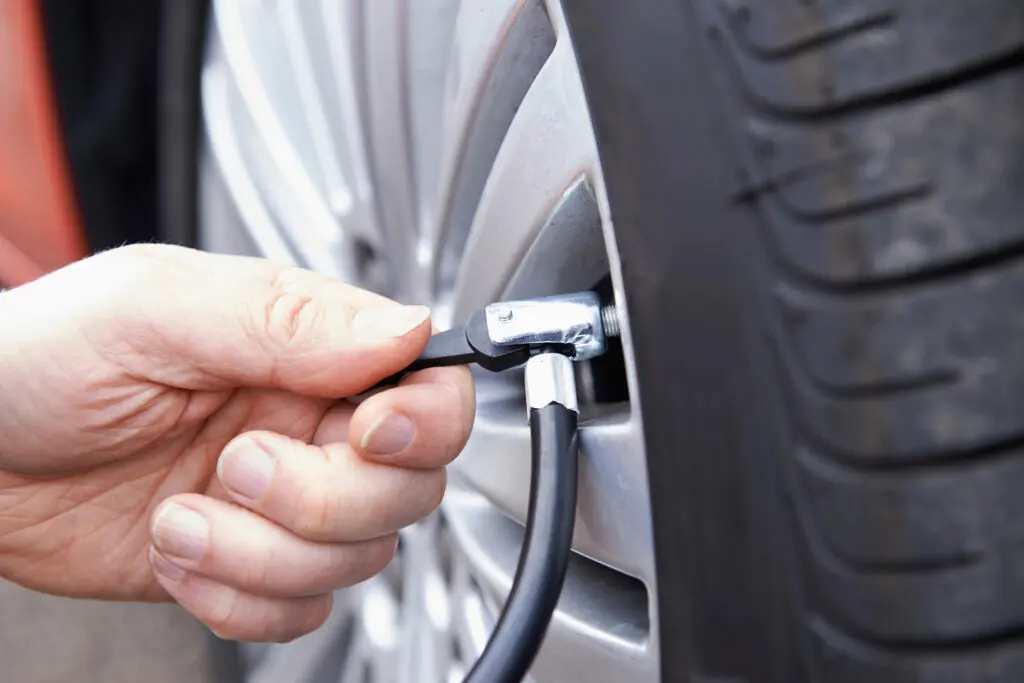
An air compressor helps you add air quickly and easily. Connect the compressor hose to the tire valve and turn it on.
- Remove the valve cap from the tire.
- Attach the compressor nozzle tightly to the valve.
- Turn on the compressor to start inflating.
- Check the pressure with a gauge often.
- Stop when the tire reaches the recommended pressure.
- Remove the nozzle and replace the valve cap.
Ensuring Proper Pressure
Use a tire pressure gauge to check the exact pressure. Proper pressure improves handling and tire life.
| Pressure Level | Recommended PSI | When to Check |
| Underinflated | Below 30 PSI | Before driving, after airing down |
| Properly Inflated | 30-35 PSI | Regularly, monthly |
| Overinflated | Above 35 PSI | Check if ride feels bumpy |

Credit: www.carsales.com.au
Final Safety Tips
Letting air out of a car tire needs care and attention. Safety should be your top priority.
Follow these safety tips to avoid accidents and keep your vehicle in good shape.
Inspecting The Tire
Check the tire before letting air out. Look for cuts, cracks, or bulges on the tire surface.
Make sure the tire valve is clean and not damaged. A damaged valve can cause air leaks.
- Look for uneven wear on the tire tread
- Check for nails or sharp objects stuck in the tire
- Ensure the tire pressure is not too low or too high
Proper Tire Maintenance
Keep your tires in good condition to avoid problems. Regular maintenance helps extend tire life.
Always use a reliable pressure gauge to check tire pressure. Adjust air slowly and carefully.
- Check tire pressure at least once a month
- Rotate tires every 5,000 to 7,000 miles
- Balance tires to prevent uneven wear
- Replace tires that are worn out or damaged
Credit: jerry.ai
Frequently Asked Questions
How Do I Safely Let Air Out Of A Car Tire?
To safely release air, first remove the valve cap. Press the valve stem core with a small tool. Do it slowly and check the pressure frequently to avoid over-deflation.
What Tools Do I Need To Let Air Out Of A Tire?
You only need a tire pressure gauge and a small tool like a screwdriver or valve core remover. These help you control and monitor the air release accurately.
How Much Air Should I Let Out Of A Car Tire?
Let out air until the tire pressure matches the manufacturer’s recommended PSI. Check your car’s manual or tire sidewall for the correct pressure.
Can I Let Air Out If My Tire Is Overinflated?
Yes, reducing air pressure can improve ride comfort and traction. Always adjust to the recommended pressure for safety and tire longevity.
Conclusion
Letting air out of a car tire is simple. Just follow these steps. First, find the valve stem on the tire. Next, use a valve stem tool or a small object. Gently press it to release air. Listen for the hissing sound.
Check the tire pressure often. Ensure it’s not too low. This process helps with tire maintenance. It ensures safe driving and better fuel efficiency. Follow these steps for a smooth ride. Stay safe on the road. Regular tire checks are key.
Happy driving!