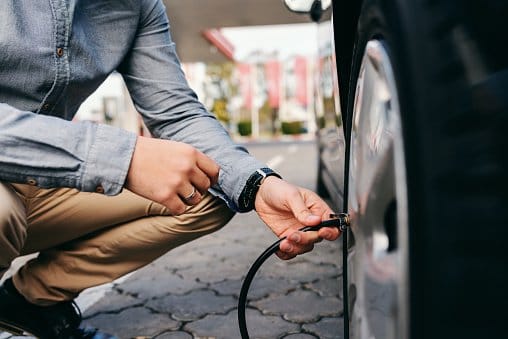
Have you ever noticed your car feeling a bit stiff or bumpy on the road? Sometimes, the answer lies in your tires having too much air.
Knowing how to let air out of car tires can make a big difference in your driving comfort and safety. You’ll learn simple, step-by-step tips that anyone can follow—even if you’re not a car expert. By the end, you’ll feel confident handling your tires like a pro, saving yourself time and money.
Keep reading to find out exactly what to do and why it matters for your car’s performance.

Credit: www.oreillyauto.com
Why Air Pressure Matters
Proper air pressure in car tires keeps you safe on the road. It also helps your tires last longer and saves fuel.
Knowing why air pressure matters can guide you on when and how to let air out of your tires.
Effects On Safety
Too much or too little air in tires can cause dangerous driving conditions. Low pressure makes tires soft and hard to control. High pressure can make tires stiff and reduce grip.
- Underinflated tires increase the risk of blowouts.
- Overinflated tires may lead to poor handling.
- Proper pressure improves braking and steering.
Impact On Tire Wear
Air pressure changes how tires touch the road. This affects how fast and where they wear out.
| Pressure Level | Wear Pattern |
| Low Pressure | Wear on edges of tires |
| High Pressure | Wear in the center of tires |
| Correct Pressure | Even wear across the tire |
Fuel Efficiency Connection
Proper tire pressure helps your car use less fuel. Low pressure makes the engine work harder, using more gas.
- Check tire pressure monthly.
- Adjust air pressure before long trips.
- Use the car manual for correct tire pressure.
Credit: www.tireagent.com
Tools You’ll Need
Letting air out of your car tires is easy if you have the right tools. These tools help you do the job safely and correctly.
Knowing what each tool does makes the process faster and more accurate. Below are the main tools you will need.
Tire Pressure Gauge
A tire pressure gauge measures the air pressure inside your tires. It shows if you need to let air out or add more.
Using a gauge helps you keep the right tire pressure. This improves safety and tire life.
- Digital or dial types are easy to read
- Use before and after letting air out
- Helps avoid over or under-inflation
Valve Stem Tool
A valve stem tool helps you remove or tighten the valve core inside the tire valve. This controls the air flow.
It is small and fits over the valve core to turn it. Removing the core lets air out faster.
- Use to release air quickly
- Can also help fix valve leaks
- Compact and easy to carry
Air Compressor Use
An air compressor adds air to your tires. It can also help you check and adjust the pressure.
Some compressors have built-in pressure gauges. This makes it easy to keep the right tire pressure.
- Plug into your car’s power outlet
- Use to inflate or check tire pressure
- Many models have auto shut-off features
Preparing Your Car
Letting air out of your car tires requires some preparation. These steps help you do it safely and correctly.
Start by making sure your car is ready. This will make the process easier and prevent problems.
Park On A Flat Surface
Find a flat place to park your car. This keeps your car stable and helps you check tire pressure accurately.
A flat surface stops your car from rolling. It also makes it safer to work around your tires.
Locate The Valve Stem
Look for the valve stem on your tire. It is a small tube sticking out from the rim. This is where you let the air out.
The valve stem has a cap. Unscrew the cap carefully before releasing air. Keep the cap safe for later.
Check Current Pressure
Check your tire’s current pressure with a tire gauge. This tells you how much air is inside now.
Compare the pressure to the recommended level. This helps you know how much air to let out safely.
Step-by-step Air Release
Letting air out of your car tires helps keep the right pressure. This improves driving safety and tire life.
Follow these clear steps to release air safely and accurately from your tires.
Remove Valve Cap
Find the valve stem on your tire. Turn the valve cap counterclockwise to remove it. Keep the cap safe for later.
Press Valve Core To Release Air
Use a small tool or your fingernail to press the valve core inside the stem. This lets air escape slowly from the tire.
- Press lightly to avoid damaging the valve.
- Listen for the hissing sound of air leaving.
- Release pressure in short bursts if needed.
Monitor Pressure Gauge
Check your tire pressure often with a pressure gauge. This tool shows how much air is inside your tire.
| Pressure Level | Action Needed |
| Above recommended | Release air slowly |
| At recommended | Stop releasing air |
| Below recommended | Add air to tire |
Adjust Gradually
Let air out in small amounts. Check the pressure each time. This prevents letting out too much air.
- Press valve core to release air for 1-2 seconds.
- Check pressure gauge after each release.
- Repeat until pressure matches the recommended level.
Safety Tips During Deflation
Letting air out of car tires needs care to stay safe. Follow simple rules to avoid accidents and damage.
Use the right tools and check the tire before and after letting air out. This keeps you and your car safe.
Avoid Over-deflating
Too little air in tires can cause poor handling and tire damage. Keep the air pressure at the recommended level.
- Check your car manual for the right tire pressure.
- Use a reliable tire pressure gauge to measure air pressure.
- Let out air slowly and recheck pressure often.
- Stop deflating once you reach the recommended pressure.
Check Tire Temperature
Tires get hot after driving. Hot tires can release air faster and may cause injury during deflation.
| Tire Condition | Safety Advice |
| Hot (just driven) | Wait at least 30 minutes before deflating. |
| Warm | Proceed with caution and check pressure frequently. |
| Cold (parked for hours) | Safe to deflate with regular care. |
Handle Tools Carefully
Use proper tools like a tire valve tool or gauge. Mishandling tools can cause injury or damage to the valve.
- Wear gloves to protect your hands.
- Keep your face and body away from the tire while deflating.
- Use tools as instructed and avoid forcing the valve.
- Store tools safely after use to prevent accidents.

Credit: www.youtube.com
When To Let Air Out
Letting air out of car tires can help in special driving conditions. It changes how the tire touches the road or surface.
Knowing when to let air out helps improve safety and control. Here are some common situations to consider.
Driving On Sand Or Snow
Lowering tire pressure increases the tire’s surface area. This helps the vehicle float better on soft surfaces like sand or snow.
- Reduce tire pressure to around 15-20 psi.
- Drive slowly to avoid getting stuck.
- Reinflate tires before driving on hard roads again.
Improving Traction
Letting air out can improve grip on slippery or uneven surfaces. It allows tires to mold better to the surface.
| Surface Type | Recommended Tire Pressure |
| Gravel | 25-30 psi |
| Mud | 18-22 psi |
| Snow | 15-20 psi |
Emergency Situations
In emergencies, letting air out can help free a stuck vehicle. It increases tire contact and traction.
Follow these tips in emergencies:
- Lower pressure slowly, about 5 psi at a time.
- Check tire pressure often to avoid damage.
- Carry a portable tire inflator for quick reinflation.
Reinflating Tires After Deflation
Letting air out of car tires helps reduce pressure safely. After deflating, it is important to reinflate tires properly. This keeps your car safe to drive.
Reinflating tires involves adding air back to the right pressure. Using the right tools and checking pressure ensures tires work well.
Using An Air Compressor
An air compressor fills the tire with air quickly and easily. Connect the hose to the tire valve and turn on the compressor. Add air little by little to avoid overinflating.
Always watch the pressure gauge on the compressor. Stop adding air when the tire reaches the recommended pressure. Do not rush the process.
Rechecking Pressure
After adding air, check the tire pressure again with a gauge. The pressure should match the car manufacturer’s recommendation. This number is often found on the door frame or owner’s manual.
Check all tires, including the spare. Proper pressure helps your car drive smoothly and saves fuel.
Replacing Valve Caps
Valve caps protect the valve from dirt and moisture. After inflating, always screw the valve cap back on tightly. This keeps the valve clean and prevents leaks.
If the valve cap is lost or damaged, replace it as soon as possible. Caps are inexpensive and easy to find at auto stores.
Frequently Asked Questions
How Do You Safely Let Air Out Of A Tire?
To safely let air out, locate the tire valve stem. Unscrew the valve cap and press the metal pin inside with a tool. Monitor the air pressure with a gauge to avoid over-deflation. Repeat this process for each tire as needed.
What Tools Do I Need To Deflate A Tire?
To deflate a tire, you’ll need a tire pressure gauge and a small tool, like a flathead screwdriver. The gauge helps monitor pressure, while the tool presses the valve pin to release air. Having these ensures safe and accurate deflation.
Can Deflating Tires Improve Driving Conditions?
Deflating tires can improve traction in off-road conditions like sand or mud. However, it’s not recommended for regular road use. Reduced tire pressure on paved roads can lead to poor fuel efficiency and increased tire wear.
How Much Air Should I Let Out For Off-roading?
For off-roading, let out air until the pressure is 20 to 25 PSI. This increase in tire surface contact improves traction on uneven terrains. Always return to recommended pressure before regular driving to ensure safety and efficiency.
Conclusion
Letting air out of car tires is simple and useful. Check your tire pressure with a gauge first. Press the valve stem carefully to release air slowly. Stop often to avoid letting out too much. Keeping the right tire pressure helps your car run better.
It also makes driving safer and saves fuel. Practice this skill to handle tire pressure easily. Stay safe on the road by maintaining your tires well. Small steps can make a big difference. Try it next time your tires feel too full.