Setting up your tent trailer the right way can make all the difference between a relaxing night and a restless one. If your trailer isn’t level, you could end up sliding to one side or struggling with doors and windows that won’t close properly.
But don’t worry—leveling your tent trailer is easier than you think. In this guide, you’ll discover simple, step-by-step tips that will have your trailer perfectly balanced in no time. Keep reading, and you’ll learn how to create a stable, comfortable base for your camping adventure every time.

Credit: www.reddit.com
Why Leveling Matters
Leveling a tent trailer is very important for a good camping trip. It helps keep the trailer steady and safe.
If the trailer is not level, it can cause problems inside and outside the trailer. This guide explains why leveling matters.
Comfort And Safety
A level tent trailer makes your stay more comfortable. It stops the trailer from rocking or sliding.
When the trailer is level, you can sleep and move around safely. It lowers the risk of accidents and injuries.
Proper Appliance Function
Many appliances in a tent trailer need a flat surface to work well. This includes the fridge, stove, and water system.
If the trailer is not level, appliances may not work correctly or could get damaged over time.
- Fridge runs better on a level surface
- Stove burners work evenly
- Water flows properly in tanks and pipes
Preventing Wear And Tear
A tent trailer that is not level can suffer more wear and tear. Parts may bend, break, or wear out faster.
Keeping the trailer level helps protect the frame, tires, and other parts. This saves money on repairs.
- Even weight distribution protects the frame
- Less stress on tires and suspension
- Helps keep doors and windows aligned
Tools You’ll Need
Leveling a tent trailer is important for comfort and safety. Using the right tools makes this job easier.
This guide explains the basic tools you need to level your tent trailer properly.
Bubble Level
A bubble level helps you see if your trailer is flat side to side. It shows if the trailer tilts.
Place the bubble level on a flat surface inside the trailer. Adjust until the bubble is centered.
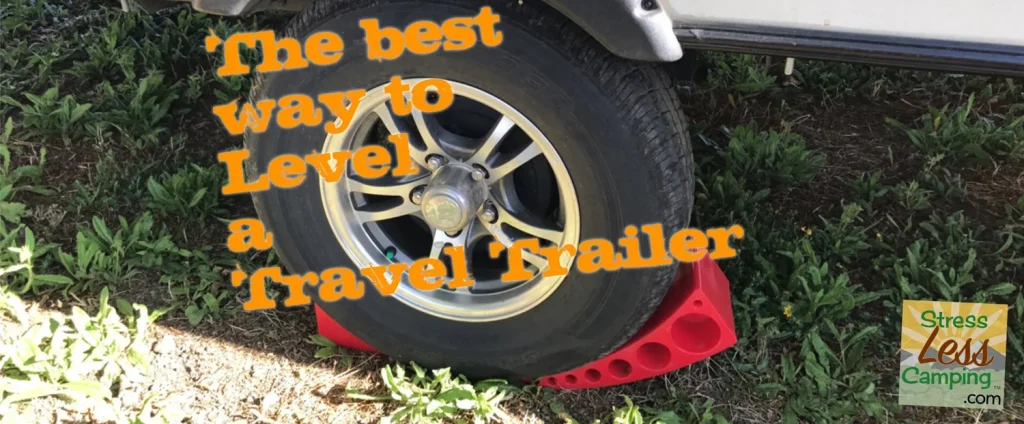
Wheel Chocks
Wheel chocks stop your trailer from rolling. They keep the trailer safe while you work on leveling.
Put chocks on both sides of the wheels. This prevents any movement during setup.
- Use sturdy chocks made for your trailer size
- Place chocks on a firm surface
- Check they fit snugly against the tires
Blocks And Ramps
Blocks and ramps help lift and support your trailer. They fix height differences under the wheels.
Use blocks or ramps under the low side of the trailer. This raises it to make the trailer level.
- Wood or plastic blocks work well
- Ramps should be stable and strong
- Stack blocks carefully for safety
Choosing The Right Spot
Finding the best spot to level a tent trailer is important. A well-chosen location keeps your tent stable and comfortable.
Consider the ground surface and overall environment before setting up. This helps avoid issues and ensures a safe camping experience.
Flat Ground Selection
Look for flat ground when setting up your tent trailer. Flat ground provides a balanced base and prevents tilting.
- Check the area with a spirit level or a simple eye test.
- Avoid areas with rocks or bumps that can cause imbalance.
Avoiding Slopes And Uneven Surfaces
Slopes and uneven surfaces make it hard to level a tent trailer. They can also lead to discomfort and safety issues.
To ensure stability, avoid parking on hills or in areas with dips. This helps keep the trailer steady and level.
| Avoid | Reason |
| Steep slopes | Increases risk of tipping |
| Uneven surfaces | Causes discomfort inside |

Credit: www.reddit.com
Step-by-step Leveling Process
Leveling your tent trailer makes camping safer and more comfortable. It stops the trailer from rocking and helps appliances work right.
This guide shows easy steps to level your trailer step by step. Follow each part carefully for best results.
Parking And Securing The Trailer
Park your tent trailer on a flat or nearly flat spot. Avoid soft or uneven ground that may cause sinking.
Once parked, set the trailer brakes. Use wheel chocks to stop it from rolling. This keeps the trailer steady during leveling.
- Find a stable and level place to park
- Engage the trailer brakes
- Place wheel chocks on both sides of the tires
Leveling Side-to-side
Check if the trailer is balanced from left to right. Use a bubble level on a flat surface inside the trailer.
If the trailer tilts, place leveling blocks or boards under the lower side’s wheels. Raise the trailer until it is even side-to-side.
- Place a level on the floor or table inside the trailer
- Look at the bubble to see tilt direction
- Lift the lower side with blocks or boards
- Recheck the level after each adjustment
Leveling Front-to-back
Next, check if the trailer tilts forward or backward. Use the level on a flat surface along the trailer’s length.
Use the trailer’s tongue jack to raise or lower the front. Adjust until the trailer is level front to back.
- Place the level on the floor running from front to back
- Use the tongue jack to lift or lower the trailer front
- Check the bubble to confirm level
- Make small adjustments and recheck
Using Stabilizers And Jacks
Leveling a tent trailer is important for comfort and safety. Using stabilizers and jacks helps keep the trailer steady. This guide explains how to use them properly.
Positioning Stabilizer Jacks
Stabilizer jacks reduce trailer movement when parked. Place them on solid ground near each corner of the trailer. Avoid soft or uneven surfaces that may cause sinking.
- Lower each stabilizer jack until it touches the ground.
- Make sure the jack foot is flat and secure.
- Adjust the height to minimize rocking.
- Check if all jacks support the trailer evenly.
Adjusting And Tightening
After positioning, adjust the jacks to level the trailer. Tighten the jack mechanisms to lock them in place. This keeps the trailer stable during use.
| Adjustment Task | What to Do |
| Raise or lower jacks | Turn the crank handle slowly |
| Check trailer level | Use a bubble level inside the trailer |
| Tighten jacks | Secure all locking nuts and bolts |
| Inspect stability | Push trailer gently to test firmness |
Tips For Quick And Accurate Leveling
Leveling a tent trailer keeps your campsite safe and comfortable. A level trailer stops doors and drawers from sliding open.
Use simple tips to level your trailer fast and with good results. This helps avoid long setup times and keeps your trailer steady.
Checking Levels Frequently
Check the level often while setting up your tent trailer. Small changes can make a big difference in comfort and safety.
Walk around the trailer and look at the wheels and body. Use a bubble level to see if the trailer is even from side to side and front to back.
- Place a bubble level on the trailer floor near the door
- Check the level from side to side first
- Adjust the trailer by raising or lowering one side
- Check the level front to back next
- Make small adjustments and recheck often
Using Technology Aids
Use digital levels or smartphone apps to get quick and accurate readings. These tools show precise angles for better adjustments.
Some trailers have built-in sensors that display level info on a screen. This helps you know exactly how much to adjust the trailer.
- Digital bubble levels with backlight for easy reading
- Smartphone apps that use your phone’s sensors
- Trailer leveling systems with sensors and displays
- Tools that alert you when the trailer is perfectly level
Common Leveling Mistakes To Avoid
Leveling a tent trailer is important for comfort and safety. Many people make simple mistakes that cause problems.
This guide shows common errors to avoid when leveling your tent trailer.
Ignoring Ground Stability
Choosing the wrong ground can cause your trailer to shift or sink. Soft or uneven ground makes leveling hard and unsafe.
- Do not park on loose sand or mud.
- Avoid parking near slopes or steep areas.
- Check for rocks or roots that may cause imbalance.
- Use stabilizing blocks or pads to improve grip.
Overlooking Safety Measures
Failing to follow safety steps can lead to accidents or damage. Secure your trailer before and after leveling.
| Safety Step | Reason |
| Set parking brake | Prevents trailer from moving |
| Use wheel chocks | Keeps wheels from rolling |
| Check trailer jack | Ensures stable lifting |
| Work on flat ground if possible | Reduces risk of tipping |

Credit: www.reddit.com
Frequently Asked Questions
How Do You Level A Tent Trailer Easily?
To level a tent trailer, use a bubble level on the floor. Adjust the trailer’s wheels with blocks or ramps. Then, use the tongue jack to fine-tune the height. This ensures stability and comfort during camping.
Why Is Leveling A Tent Trailer Important?
Leveling a tent trailer prevents discomfort and mechanical issues. It ensures even weight distribution and proper functioning of appliances. A level trailer improves safety and sleeping comfort, making camping more enjoyable.
What Tools Are Needed To Level A Tent Trailer?
Essential tools include a bubble level, leveling blocks, and a tongue jack. Some campers also use ramps or shims for uneven terrain. These tools help achieve a stable and balanced setup quickly.
Can I Level A Tent Trailer On Uneven Ground?
Yes, you can level a tent trailer on uneven ground. Use leveling blocks under the wheels and adjust the tongue jack. Take time to ensure the trailer is stable before setting up.
Conclusion
Leveling a tent trailer makes camping more comfortable and safe. Use a bubble level or smartphone app to check the balance. Adjust the trailer with blocks or built-in jacks until it sits even. Take your time and double-check before setting up the tent.
A well-leveled trailer helps with better sleeping and cooking. Simple steps lead to a smooth camping experience. Keep practicing, and it will become easier each time. Enjoy your outdoor adventure with a stable, level tent trailer.