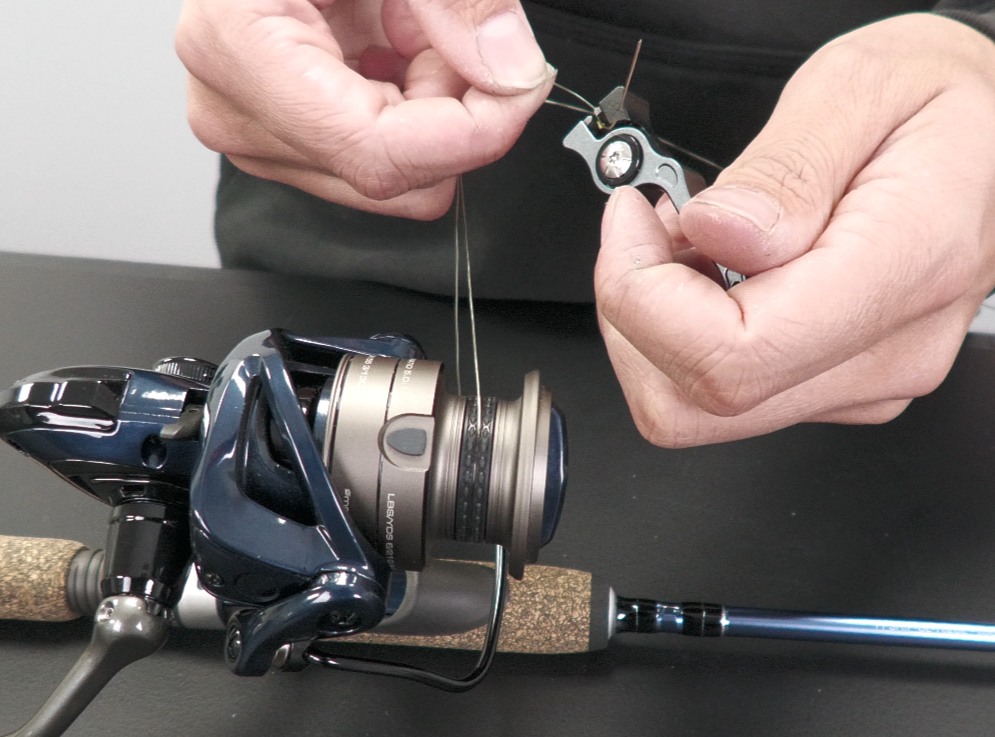
If you want to get the most out of your fishing trips, knowing how to line a fishing reel is a skill you can’t afford to miss. Imagine casting your line smoothly, with no tangles or snags holding you back.
That feeling of control and confidence comes from having your reel perfectly lined. Whether you’re a beginner or just need a quick refresher, this guide will walk you through every simple step. By the end, you’ll be ready to tackle the water like a pro, making every cast count.
Ready to upgrade your fishing game? Let’s dive in.

Credit: www.youtube.com
Choosing The Right Line
Choosing the right fishing line is important for a good fishing experience. The line affects casting, hooking, and reeling in fish.
Different fishing styles and fish types need different lines. This guide covers types of fishing lines, line strength, diameter, and matching line to your reel.
Types Of Fishing Lines
There are three main types of fishing lines. Each type has its own uses and features. Knowing the differences helps pick the best line.
- Monofilament:Made from one type of plastic. It stretches well and is easy to handle.
- Fluorocarbon:Nearly invisible underwater. It sinks faster and resists abrasion.
- Braided:Made of woven fibers. It is very strong and thin but visible in water.
Line Strength And Diameter
Line strength means how much weight it can hold before breaking. Diameter is the thickness of the line. Both affect performance.
| Strength (lbs) | Diameter (inches) | Use |
| 4–8 | 0.008–0.014 | Light fishing, small fish |
| 10–20 | 0.015–0.025 | Medium fishing, bass, trout |
| 25–50 | 0.026–0.035 | Heavy fishing, big fish |
Matching Line To Reel Type
Each reel type works best with certain lines. Match line and reel for smooth casting and fewer tangles.
- Spinning Reels:Use monofilament or fluorocarbon. These lines flow well from the spool.
- Baitcasting Reels:Braided lines work well for strength and control.
- Spincast Reels:Monofilament lines fit best due to their stretch and ease of use.
Preparing Your Reel
Before you line a fishing reel, prepare it properly. This ensures smooth casting and prevents tangles.
Start by cleaning the spool, removing old line, and inspecting the reel parts for damage.
Cleaning The Spool
Remove dirt and salt from the spool to keep it working well. Use a soft cloth and mild soap with water.
- Take off the spool from the reel carefully.
- Wipe the spool with a damp cloth.
- Use a soft brush to clean tight spots.
- Rinse and dry the spool completely.
Removing Old Line
Old fishing line can weaken and cause problems. Remove it fully before adding new line.
- Cut the line near the spool.
- Pull the old line off slowly to avoid tangles.
- Dispose of the old line properly.
- Check the spool for leftover bits of line.
Inspecting The Reel
Check your reel carefully to spot any issues before use. Look at the spool, handle, and drag system.
| Part | What to Check | Action |
|---|---|---|
| Spool | Cracks or dents | Replace if damaged |
| Handle | Loose or stiff movement | Tighten or lubricate |
| Drag System | Smoothness and resistance | Adjust or clean as needed |
Attaching The Line
Attaching fishing line to the reel is key for a smooth fishing experience. This guide shows how to do it right.
Follow simple steps to secure the line, tie the knot, and start tight. This prevents tangles and slipping.
Securing The Line To The Spool
Begin by threading the line through the reel’s guide. Hold the line firmly against the spool.
- Wrap the line around the spool once or twice
- Pinch the line tightly to keep it in place
- Make sure the line is straight and not twisted
Using The Arbor Knot
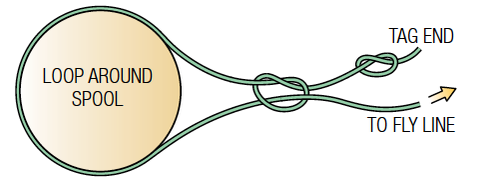
The arbor knot is a strong and simple knot to attach the line to the spool.
| Step | Action |
| 1 | Wrap line around spool |
| 2 | Tie an overhand knot around the main line |
| 3 | Tie a second overhand knot at the tag end |
| 4 | Pull both knots tight against the spool |
Ensuring A Tight Start
A tight start stops line slipping and keeps casting smooth.
Tips for a tight start:
- Keep tension on the line while winding
- Use your fingers to press the line against the spool
- Wind slowly at first to avoid loose loops
- Fill the spool evenly without overfilling
Credit: monsterbass.com
Winding The Line
Winding the fishing line onto your reel is important for a good fishing experience. Proper winding helps the line last longer and works better during casting and reeling.
Taking care while winding prevents tangles and damage. This guide will help you learn how to wind your line correctly.
Maintaining Line Tension
Keep the line tight while winding to avoid loose coils. Loose line can cause knots and tangles later.
Use your fingers or a cloth to hold the line firmly. This keeps the tension steady as you turn the reel handle.
Avoiding Twists And Loops
Twists and loops can weaken the line and cause problems when casting. Avoid letting the line twist by guiding it evenly onto the spool.
Make sure the line comes off the spool in the right direction. Also, check for twists before winding and fix them if found.
Filling The Spool Correctly
Fill the spool evenly without overfilling. Leave about 1/8 inch space from the spool edge to prevent line damage.
Even filling stops the line from slipping off during casts. It also helps the reel perform well and lasts longer.
- Start by attaching the line securely to the spool
- Wind slowly and keep the line tight
- Stop when the spool is nearly full, leaving a small gap
Finishing Touches
After spooling your fishing reel with line, the final steps ensure your setup works smoothly. These touches help prevent problems and improve your fishing experience.
Paying attention to small details can make a big difference when you cast or reel in fish.
Cutting The Line Properly
Cut the fishing line cleanly to avoid frays or knots. Use sharp scissors or a line cutter to get a neat end.
A clean cut helps the line feed smoothly and prevents it from catching on guides or the reel.
Checking For Line Smoothness
Run the line through your fingers to check for any rough spots or twists. Smooth line improves casting distance and accuracy.
If you find twists, gently pull the line tight and let it unwind. Rewind if needed to remove loops.
Attaching Terminal Tackle
Securely attach your hooks, swivels, or lures to the end of the line. Use strong knots to prevent slipping.
- Double-check knots are tight and trimmed
- Use the right knot for your tackle type
- Test the connection by pulling gently
Tips For Better Casting
Good casting needs the right setup on your fishing reel. Small changes can help your cast go smoother and farther.
Learn how to adjust your reel and care for your line. These tips will help you fish better every time.
Adjusting Drag Settings
The drag controls how much resistance the fish feels when it pulls the line. Set it right to avoid line breaks or losing fish.
- Turn the drag knob to tighten or loosen it.
- Test by pulling the line with your hand.
- Adjust so the line pulls out smoothly under pressure.
- Check drag often during fishing to keep it balanced.
Preventing Line Twist
Line twist makes casting hard and can cause tangles. Use these tips to keep your line straight.
- Use a swivel to reduce line twisting.
- Avoid reeling against the drag.
- Let the line hang loose before casting.
- Spool the line evenly on the reel.
Regular Line Maintenance
Taking care of your fishing line extends its life and improves casting. Clean and check your line often.
| Maintenance Task | How Often | Why |
| Check for nicks or frays | Before each trip | Prevents line breaks |
| Clean line with fresh water | After saltwater use | Removes dirt and salt |
| Replace old line | Every few months | Ensures strength and smooth casting |

Credit: www.youtube.com
Frequently Asked Questions
How Do I Choose The Right Fishing Line For My Reel?
Choose fishing line based on your target fish, reel type, and fishing environment. Match line strength and thickness to your fishing needs. Monofilament suits beginners, while braided lines offer strength and sensitivity for experienced anglers.
What Are The Basic Steps To Line A Fishing Reel?
Start by attaching the line to the reel spool with an arbor knot. Wind the line evenly while maintaining tension. Fill the spool up to 1/8 inch below the rim to prevent tangles and improve casting performance.
How Often Should I Replace Fishing Line On My Reel?
Replace fishing line after every 5-10 fishing trips or if it shows damage. Old or damaged line reduces casting distance and can break easily. Regular replacement ensures better fishing performance and prevents losing fish.
Can I Use Any Type Of Fishing Line On Spinning Reels?
Spinning reels work best with monofilament, fluorocarbon, or braided lines designed for spinning setups. Avoid heavy or stiff lines that cause tangles. Choose line type based on your fishing style and target species.
Conclusion
Lining a fishing reel can seem tough at first. But with practice, it becomes simple. Start with clean hands to avoid tangles. Follow each step carefully. Always check the reel’s tension. This prevents loose lines. Secure the line tightly to the spool.
It’s crucial for smooth casting. Take your time to get it right. Enjoy the peace of fishing. Feel confident and ready for your next trip. Remember, patience is key. Happy fishing!