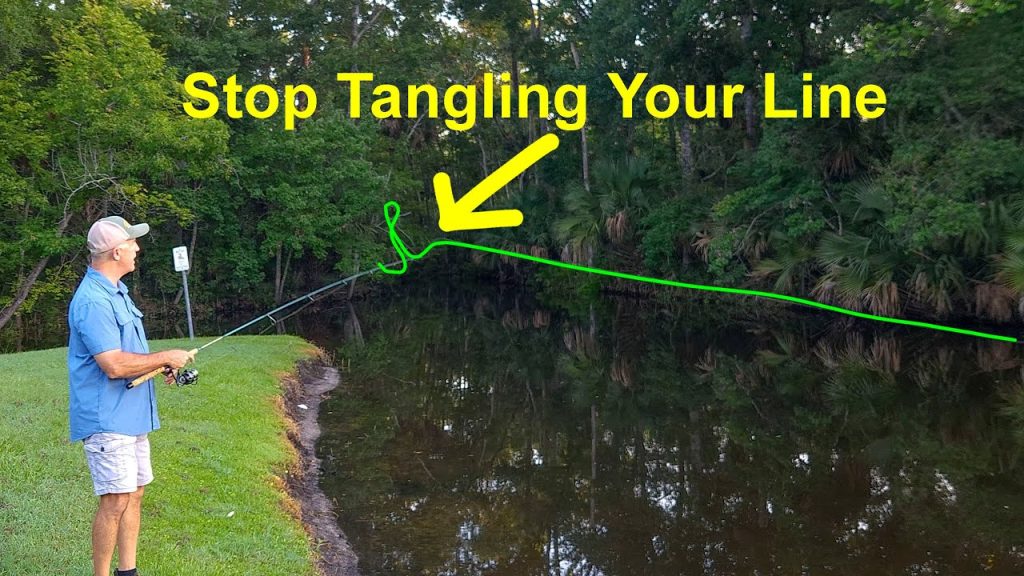
Are you tired of your fishing line tangling or breaking just when the big catch is on the hook? Knowing how to properly line a fishing rod can make all the difference between a frustrating day and an exciting, successful fishing trip.
You’ll discover simple, step-by-step tips that anyone can follow to get your rod ready quickly and correctly. By the end, you’ll feel confident and ready to cast your line like a pro. Keep reading—your next great catch is waiting!
Credit: www.fishusa.com
Choosing The Right Line
Picking the right fishing line is key to a good fishing experience. The line affects how you cast, how you fight fish, and how often you catch.
There are many types of fishing lines. Each type has different strengths and uses. Knowing these helps you choose the best line for your rod and reel.
Types Of Fishing Line
Fishing lines come in three main types: monofilament, fluorocarbon, and braided. Each type works best for different fishing needs.
- Monofilament:Flexible and easy to handle. Good for beginners.
- Fluorocarbon:Hard to see underwater. It sinks faster and resists abrasion.
- Braided:Very strong and thin. It has little stretch and is good for heavy cover.
Line Strength And Test
Line strength is measured by its test, which tells how much weight the line can hold before breaking. Pick a test that matches the fish you want to catch.
Using a line that is too weak can cause breaks. Using a line that is too strong can reduce your fishing feel and casting distance.
| Fish Size | Recommended Line Test |
|---|---|
| Small fish | 2-6 pounds |
| Medium fish | 8-12 pounds |
| Large fish | 15-30 pounds |
Matching Line To Rod And Reel
Your rod and reel have limits for line strength and type. Check the manufacturer’s recommendations before choosing a line.
Using the right line keeps your gear balanced. It helps with casting and prevents damage to your rod and reel.
- Match line test to the rod’s rating.
- Use line types that work well with your reel’s spool.
- Consider the fishing style and environment.
Preparing Your Rod
Before you line your fishing rod, it is important to prepare it well. This helps your rod work better and last longer.
Start by checking every part of the rod. Clean it carefully to remove dirt and damage.
Inspecting Guides And Reel Seat
Look closely at the guides on your rod. Make sure they are not cracked or bent. Broken guides can cut your fishing line.
- Check each guide for cracks or rough spots
- Make sure guides are firmly attached to the rod
- Inspect the reel seat for any looseness or damage
- Ensure the reel fits tightly and securely on the seat
Cleaning And Maintenance
Keep your rod clean to stop rust and wear. Wipe it down after every use. Use fresh water to rinse salt or dirt.
| Cleaning Task | What to Use | How Often |
| Wipe rod and guides | Soft cloth | After each fishing trip |
| Rinse with fresh water | Water hose or bucket | After fishing in saltwater |
| Check reel seat screws | Screwdriver | Monthly |
| Lubricate reel seat threads | Light oil | Every few months |
Attaching The Line To The Reel
Attaching the fishing line to the reel is the first step to prepare your rod. A secure connection keeps the line from slipping during casting and reeling.
Use the right knot and technique to tie the line to the reel spool. This ensures smooth line release and better fishing experience.
Spooling Techniques
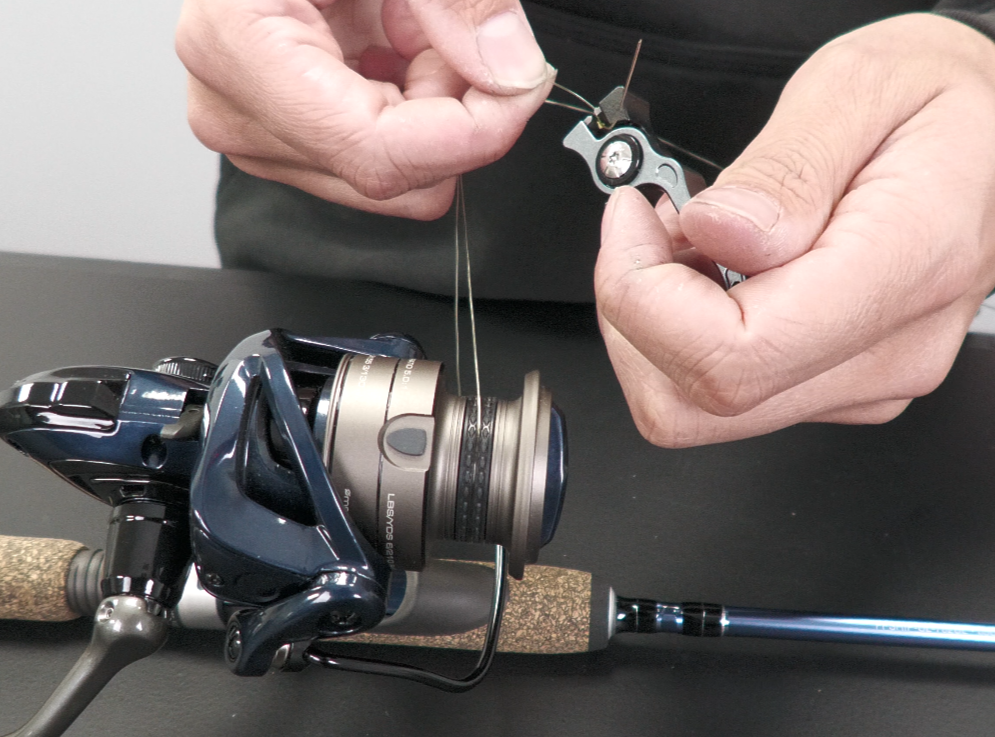
Spooling the line correctly onto the reel prevents tangles and line damage. Keep steady tension while winding the line to the spool.
Start by threading the line through the rod guides. Tie the line to the spool with an Arbor knot for a strong hold.
- Keep the line tight and even on the spool
- Fill the spool until it is about 1/8 inch from the edge
- Avoid overfilling to reduce line tangles
- Check that the line winds in the same direction as the reel rotates
Avoiding Line Twist
Line twist causes knots and weak spots. Prevent it by letting the line spool off the supply spool the right way.
Keep the supply spool parallel to the reel spool during spooling. This alignment helps the line wind smoothly without twisting.
- Check line direction before tying to the reel
- Let line come off the supply spool without turning it
- Use a swivel when tying new lures or leaders
- Regularly untwist line by letting it hang freely after fishing

Credit: mossyoakgamekeeper.com
Threading The Line Through Guides
Threading the fishing line through the rod guides is important for smooth casting. It helps the line flow easily and prevents tangles.
Doing it correctly also protects the line from damage and improves your fishing experience.
Proper Guide Sequence
Start threading the line from the guide closest to the reel. Move the line through each guide in order, going toward the rod tip.
Follow the sequence of guides carefully to avoid twists or snags in the line.
- Begin at the bottom guide near the reel seat
- Pass the line through each guide, moving upward
- Ensure the line sits inside each guide ring
- Finish threading at the tip-top guide
Handling Line Slack
Keep the fishing line tight while threading through the guides. Slack can cause the line to tangle or catch on guides.
Hold the line firmly and pull gently to keep it straight as you work through each guide.
- Use your fingers to hold the line taut
- Pull the line gently but firmly through each guide
- Check for slack or loops after threading each guide
- Adjust tension before moving to the next guide
Tying Strong Knots
Tying strong knots is key to lining a fishing rod well. A good knot holds the line firmly and stops it from slipping.
This guide covers popular knot types and tips to keep knots secure while fishing.
Popular Knot Types
Different knots suit different fishing needs. Some knots are easy to tie, while others offer more strength.
- Improved Clinch Knot:Good for attaching the line to hooks or lures.
- Palomar Knot:Simple and very strong, ideal for braided lines.
- Uni Knot:Versatile for tying line to hooks or joining two lines.
- Loop Knot:Creates a loop for natural lure movement.
Ensuring Knot Security
To keep your knots secure, follow a few important rules. These help prevent knot failure and lost fish.
| Tip | Reason |
|---|---|
| Wet the line before tightening | Reduces friction and prevents line damage |
| Tighten knots slowly and evenly | Ensures a snug, strong knot |
| Trim tag ends close | Prevents snagging and loosening |
| Test knot strength by pulling hard | Checks if the knot holds under pressure |
Credit: www.fishusa.com
Adjusting Line Tension
Adjusting line tension is key when lining a fishing rod. It helps control how the line moves and feels.
Proper tension stops the line from tangling and improves casting distance and accuracy.
Drag Settings
The drag system controls the resistance the fish feels on the line. Adjusting drag affects line tension.
Set the drag tight enough to hold the fish but loose enough to prevent the line from breaking.
- Start with a light drag setting
- Increase drag slowly during a fight
- Test drag by pulling line with your hand
- Adjust drag if the line slips or breaks
Line Stretch Considerations
Fishing lines stretch under tension. This affects the sensitivity and control of your rod.
Some lines stretch more than others. Know your line type to adjust tension properly.
- Monofilament lines stretch more
- Fluorocarbon lines have less stretch
- Braid lines stretch very little
- Adjust tension based on line stretch to avoid slack
Casting Techniques For Accuracy
Casting with accuracy is key to a successful fishing trip. It helps place the bait where fish are likely to bite. You can improve your aim by using the right techniques and rod handling skills.
This guide covers two important steps: loading the rod and smooth release tips. Both help increase your casting precision and control.
Loading The Rod
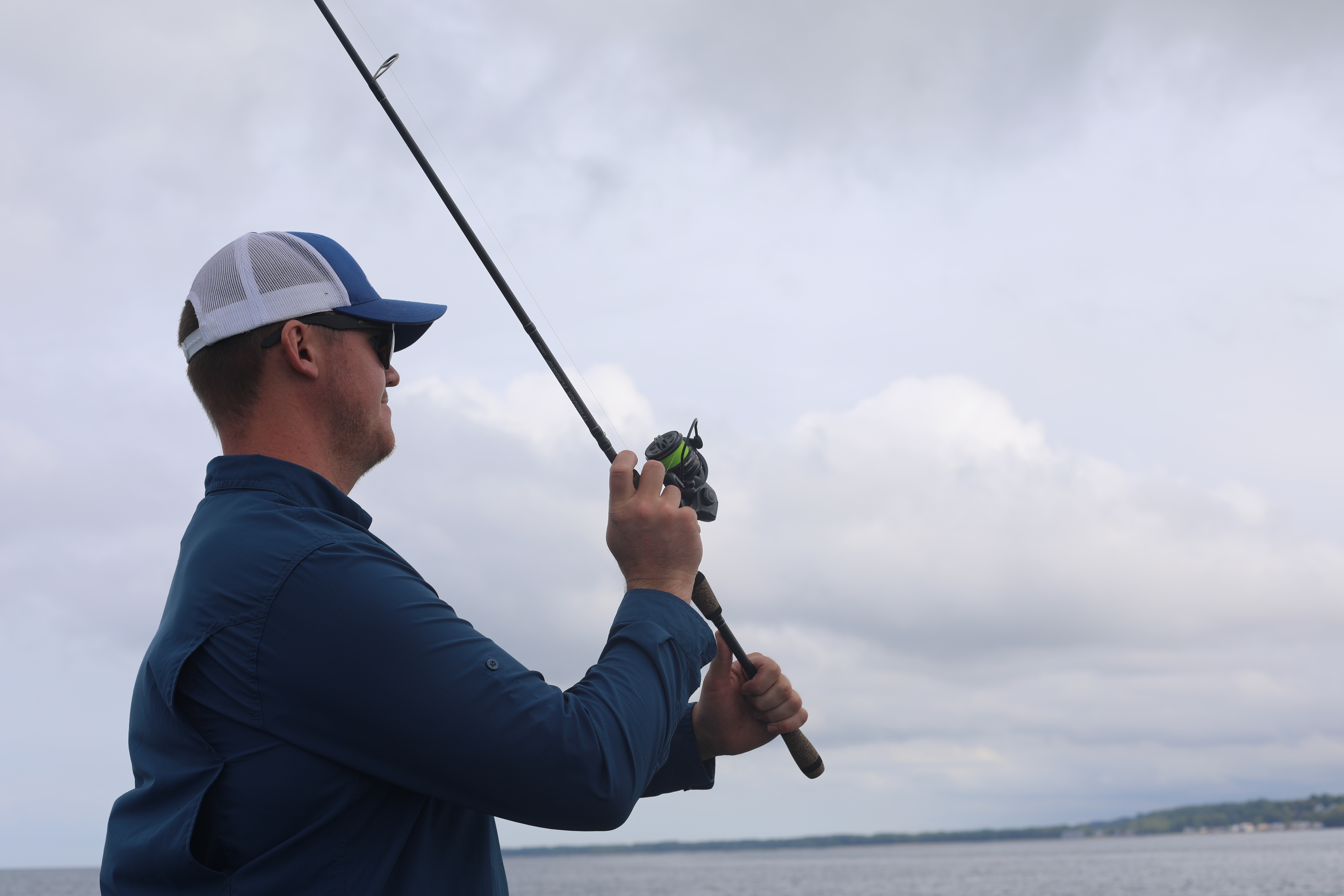
Loading the rod means bending it correctly before you cast. This stores energy in the rod, allowing a controlled and accurate cast. Hold the rod firmly and pull it back smoothly to bend it.
- Grip the rod handle with your dominant hand.
- Lift the rod tip slowly to bend the rod.
- Keep your eyes on the target spot where you want to cast.
- Adjust the bend so the rod feels loaded but not too tight.
- Prepare to release by moving the rod forward smoothly.
Smooth Release Tips
A smooth release of the fishing line helps the bait land gently and accurately. Jerky or fast releases can cause the line to tangle or miss the target.
| Tip | Why It Helps |
| Release the line gradually | Prevents sudden jerks on the line |
| Keep your wrist relaxed | Allows smoother rod movement |
| Follow through after casting | Keeps the line on the intended path |
| Practice timing your release | Improves accuracy over time |
Maintaining Your Line
Keeping your fishing line in good shape helps you catch more fish. Regular care stops breaks and tangles.
Proper maintenance extends the life of your line and improves your fishing experience.
Replacing Old Line
Old fishing line loses strength and can snap easily. Change your line often to avoid losing fish.
Look for signs like discoloration, frays, or stiffness. These mean the line needs replacement.
- Remove the old line completely from the reel
- Choose the right line type and strength for your fishing
- Spool the new line tightly and evenly
- Check for knots and weak spots before use
Preventing Line Damage
Protect your line from cuts, sun, and dirt to keep it strong. Damaged line breaks easily.
Use simple habits to stop damage and keep your line ready for fishing.
- Rinse line with fresh water after saltwater fishing
- Store your rod and reel in a cool, dry place
- Avoid dragging your line over sharp rocks or edges
- Check the guides on your rod for rough spots
- Use line conditioner to keep the line flexible
Frequently Asked Questions
How Do You Prepare A Fishing Rod For Lining?
Start by assembling the rod sections securely. Attach the reel to the rod’s reel seat. Open the bail of the reel and thread the line through the rod guides, starting from the tip. Ensure the line is untangled and evenly distributed.
What Type Of Line Should I Use?
Choose the line based on the fishing environment. Monofilament is versatile for various conditions. Braided line is stronger and better for heavy cover. Fluorocarbon is nearly invisible underwater, ideal for clear waters. Match the line strength to the target fish species.
How Do You Secure The Line To The Reel?
Attach the line to the reel using an arbor knot. Wrap the line around the spool twice and tie the knot. Tighten the knot firmly and trim excess line. Ensure the line is wound evenly on the spool to prevent tangles during casting.
How Much Line Should I Put On The Reel?
Fill the reel spool to about 1/8 inch below the rim. Overfilling may cause tangles, while underfilling can reduce casting distance. Check the reel’s capacity specifications for guidance on the optimal amount of line.
Conclusion
Lining a fishing rod takes patience and care. Follow each step clearly for best results. Check the line tension to avoid tangles. A well-lined rod helps catch more fish. Practice makes the process easier over time. Remember to choose the right line for your rod.
Enjoy your fishing trips with confidence and skill. Keep your gear ready and your lines tight. Fishing becomes more fun when your rod is prepared well. Try these tips next time you fish.