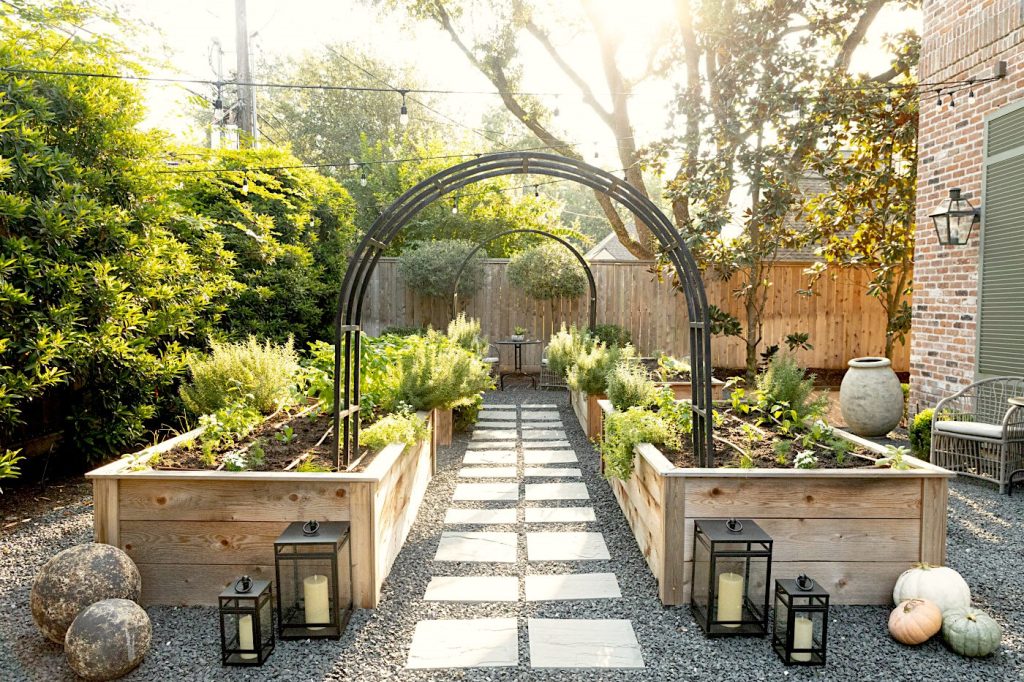
Are you ready to take your gardening to the next level? Learning how to line a raised garden bed can make a huge difference in the health of your plants and the ease of maintenance.
With the right lining, you’ll protect your soil, keep weeds at bay, and ensure your plants thrive season after season. In this guide, you’ll discover simple steps and smart tips that anyone can follow. Keep reading to unlock the secret to a stronger, cleaner, and more productive garden bed.
Your plants will thank you!

Credit: savvygardening.com
Choosing The Right Liner
Using a liner in your raised garden bed helps keep soil in place. It also protects the wood or material of the bed from moisture and rot. Picking the right liner can make your garden last longer and grow better plants.
This guide covers common types of liners, their benefits and drawbacks, and environmental concerns to help you choose well.
Types Of Liners For Raised Beds
Many materials can serve as liners. Some popular ones include plastic sheets, landscape fabric, pond liner, and cardboard. Each type has its own use and lifespan.
- Plastic Sheets:Durable and waterproof but may trap too much water.
- Landscape Fabric:Allows water flow and blocks weeds.
- Pond Liners:Made of thick rubber, very durable and waterproof.
- Cardboard:Biodegradable and good for short-term use.
Material Benefits And Drawbacks
| Material | Benefits | Drawbacks |
| Plastic Sheets | Waterproof, low cost | May cause water buildup, not breathable |
| Landscape Fabric | Breathable, prevents weeds | Less durable, can tear |
| Pond Liners | Very durable, waterproof | More expensive, hard to cut |
| Cardboard | Eco-friendly, cheap | Short lifespan, breaks down quickly |
Environmental Considerations
Think about how the liner affects the environment. Some liners break down naturally. Others stay in the soil for a long time and may cause pollution.
- Choose biodegradable liners to reduce waste.
- Avoid liners with harmful chemicals or plastics.
- Recycle liners if possible after use.
- Check if liners affect soil health or water drainage.
Preparing The Bed For Lining
Lining a raised garden bed helps protect the wood and soil. Proper preparation makes the lining last longer.
Start by getting the bed ready. Clean and level the area before adding the liner.
Clearing Debris And Leveling
Remove all leaves, sticks, and old plants from the bed. This keeps the liner from tearing or wearing out.
Use a rake or shovel to make the soil surface even. Level ground helps the liner fit well and stops water from pooling.
Checking Drainage Needs
Good drainage prevents water from building up under the liner. Check if water drains freely after rain or watering.
If water collects, add drainage holes or layer gravel under the liner. This keeps plants healthy and soil dry.
- Test drainage by pouring water into the bed
- Add gravel or sand for better water flow
- Make small holes in the liner for excess water
Measuring And Cutting The Liner
Measure the length, width, and height of the bed before cutting. Add extra inches to cover the sides.
Use sharp scissors or a utility knife to cut the liner. Cut carefully to fit the bed without gaps or folds.
- Measure twice to avoid mistakes
- Include extra liner to fold over edges
- Cut slowly for clean, straight lines
Installing The Liner
Adding a liner to your raised garden bed helps keep soil in place. It also prevents weeds and pests.
Properly installing the liner ensures your garden bed lasts longer and remains healthy.
Securing The Liner In Place
Start by spreading the liner across the bottom of the garden bed. Ensure it covers all areas.
Use garden staples or nails to secure the liner. Place them at equal distances along the edges.
- Staples should be rust-resistant
- Space staples six inches apart
- Check that the liner is taut
Sealing Edges And Corners
Fold the liner neatly at the corners. This prevents soil from spilling out.
Seal the edges with waterproof tape. This keeps moisture from seeping into the wood.
| Use tape designed for outdoor use |
| Press tape firmly to ensure adhesion |
Avoiding Common Installation Mistakes
Do not leave gaps in the liner. Gaps allow weeds and pests to enter.
Avoid using thin liners. They tear easily and may not hold up well.
- Check the liner for holes before installing
- Ensure the liner is the right size
- Replace damaged liners promptly
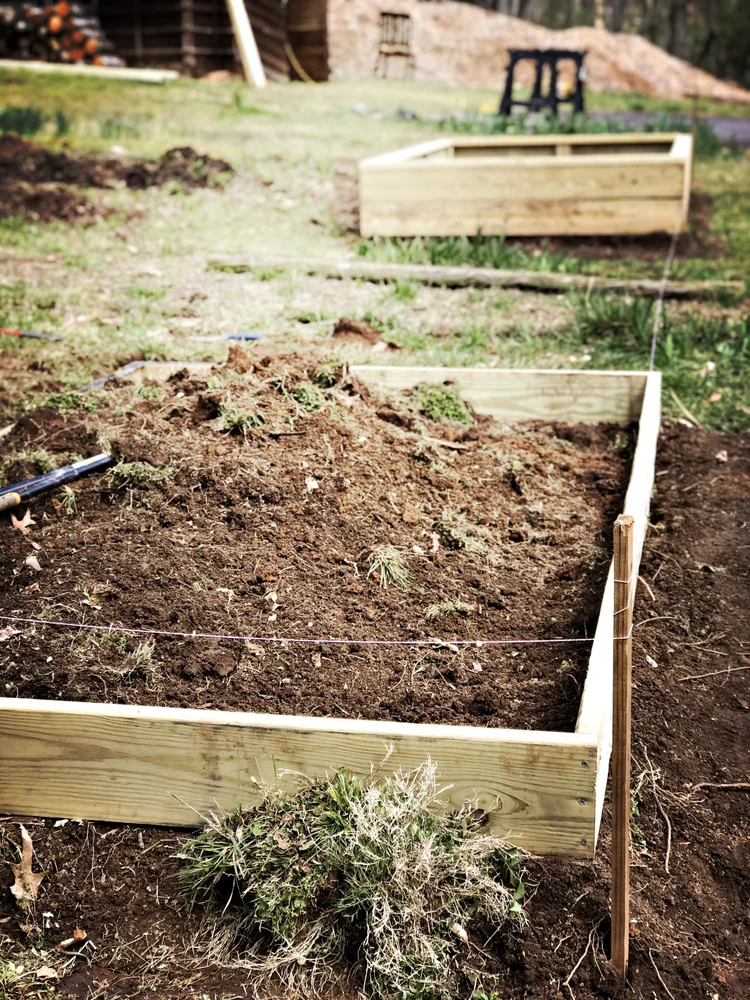
Credit: www.thunderbirddisco.com
Maintaining The Liner
Keeping the liner in good shape helps your raised garden bed last longer. It stops soil and water from leaking out. Proper care saves money and effort in the long run.
Regular attention to the liner makes sure your plants grow healthy. This guide shows how to check, fix, and protect your liner.
Regular Inspection Tips
Look at your liner often to catch problems early. Check for holes, cracks, or dirt buildup. A clean liner works better and lasts longer.
- Inspect the liner every two weeks.
- Look under the soil edges for hidden tears.
- Clear away debris that can cause damage.
- Check after heavy rain or storms.
Repairing Tears And Damage
Fix small tears quickly to avoid bigger problems. Use repair tape or patch kits made for garden liners. Make sure the surface is clean before fixing.
- Clean the damaged area with water and let it dry.
- Cut a patch larger than the tear.
- Apply adhesive or tape firmly on the patch.
- Press down and let it set for the time recommended.
- Check repair after a few days to ensure it holds.
Extending Liner Lifespan
| Care Tip | How It Helps |
|---|---|
| Use mulch over soil | Reduces liner exposure to sun and heat |
| Avoid sharp tools near edges | Prevents accidental punctures |
| Store liner material indoors when not in use | Protects from weather damage |
| Choose liners with UV resistance | Lasts longer under sunlight |
Additional Tips For Lasting Raised Beds
Raised garden beds need good care to last many years. Using the right soil, preventing water problems, and mulching well help your garden grow strong.
These tips will help your raised beds stay healthy and productive season after season.
Choosing Soil And Compost
Use a mix of garden soil and compost to fill your raised bed. Good soil helps plants get nutrients and grow well.
Compost adds organic matter, which improves soil texture and fertility. Choose compost that is well-rotted and free from weed seeds.
- Mix 60% garden soil with 40% compost
- Avoid heavy clay soil to keep roots healthy
- Add organic matter each year to refresh soil
Preventing Waterlogging
Waterlogging happens when water stays too long in your raised bed. It can hurt plant roots and cause rot.
Make sure your raised bed has good drainage. You can add coarse sand or small stones under the soil to help water flow out.
- Build beds at least 12 inches tall
- Use materials that allow water to drain well
- Check drainage after heavy rain and fix as needed
Using Mulch Effectively
Mulch covers the soil surface and helps keep moisture in. It also stops weeds from growing too much.
Use organic mulches like straw, leaves, or wood chips. Replace mulch every year to keep it fresh and effective.
- Apply 2-3 inches of mulch around plants
- Keep mulch away from plant stems to avoid rot
- Mulch slows soil temperature changes for better growth
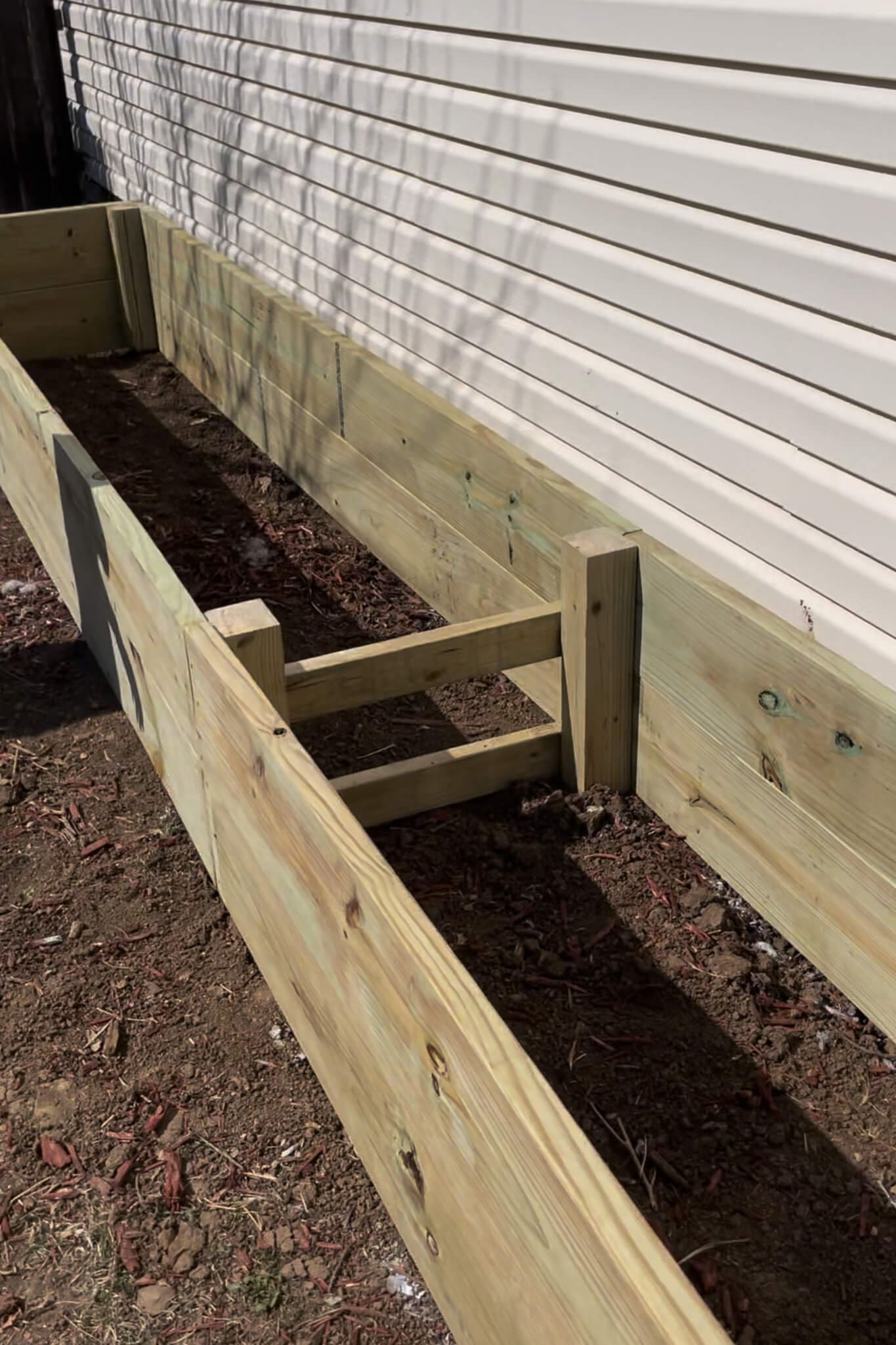
Credit: crystelmontenegrohome.com
Frequently Asked Questions
What Materials Are Best For Lining A Raised Garden Bed?
Use landscape fabric, plastic sheeting, or pond liner to line raised beds. These materials prevent weeds and soil erosion while allowing water drainage. Choose durable, UV-resistant liners for long-lasting protection and ensure they fit well to avoid soil leakage or root damage.
How Do You Install A Liner In A Raised Garden Bed?
First, clean the bed frame and remove debris. Cut the liner to size, allowing overlap on sides. Secure the liner with staples or nails, ensuring it covers all interior surfaces. Finally, add soil carefully to avoid puncturing the liner and maintain proper drainage.
Can I Use Plastic Liner In Raised Garden Beds?
Yes, plastic liners are common and affordable. They prevent water loss and weed growth but may reduce soil aeration. Use perforated plastic or combine with drainage holes to avoid waterlogging. Ensure the plastic is food-safe and UV-resistant for best results.
How Often Should I Replace A Raised Bed Liner?
Replace liners every 3 to 5 years depending on material durability. Check for tears, mold, or degradation regularly. Timely replacement helps maintain soil health and prevents contamination, ensuring your plants grow in an optimal environment.
Conclusion
Lining a raised garden bed helps protect wood and soil. It keeps weeds out and holds moisture in. Choose the right liner for your plants and climate. Make sure to place it carefully to avoid damage. A well-lined bed lasts longer and grows healthier plants.
Give your garden a good start with proper lining. Happy gardening!