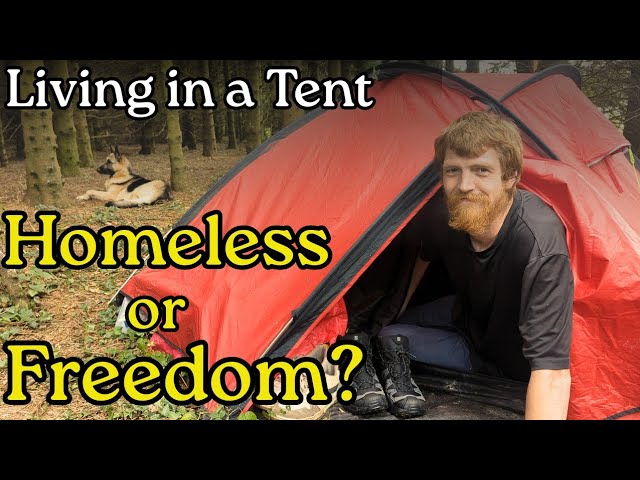
Have you ever wondered what it’s really like to live in a tent? Whether you’re dreaming of escaping the chaos, saving money, or simply trying something new, living in a tent can change the way you see the world—and yourself.
But it’s not just about pitching a tent and calling it a day. There are smart choices you need to make to stay comfortable, safe, and happy. This guide will walk you through everything you need to know to turn your tent into a true home.
Ready to discover how simple—and rewarding—it can be? Keep reading, and you’ll find out how to make tent living work for you.
Choosing The Right Tent
Living in a tent requires picking the right one for your needs. A good tent makes your stay safe and comfortable.
There are many tents to choose from. You should think about size, material, and weather before buying.
Types Of Tents
Tents come in different styles. Each style fits different camping needs and places.
- Dome tents are easy to set up and stable.
- Cabin tents offer more space and stand tall.
- Backpacking tents are light and small.
- Pop-up tents open quickly for short stays.
Size And Capacity
Choose a tent size that fits the number of people living in it. Roomy tents add comfort.
Check the tent’s capacity label. It shows how many people the tent holds.
- Small tents fit 1-2 people.
- Medium tents fit 3-4 people.
- Large tents fit 5 or more people.
- Consider extra space for gear and movement.
Materials And Durability
Tent materials affect how long it lasts and how strong it is. Choose tough fabrics.
Look for tents with waterproof and tear-resistant fabric. Poles should be strong and flexible.
- Polyester is light and water-resistant.
- Nylon is strong and easy to carry.
- Aluminum poles are durable and light.
- Fiberglass poles are cheaper but less durable.
Weather Considerations
Think about the weather where you will camp. Tents handle weather differently.
Some tents work well in rain, wind, or snow. Others are best for mild weather only.
- Three-season tents protect from rain and wind.
- Four-season tents stand up to snow and strong wind.
- Look for good ventilation in hot weather tents.
- Check if the tent has a rainfly for extra rain protection.

Credit: www.davistent.com
Essential Tent Gear
Living in a tent requires the right gear to stay safe and comfortable. Choosing essential items helps you enjoy your outdoor experience.
This guide covers basic gear you need for sleeping, lighting, cooking, and storage inside your tent.
Sleeping Bags And Pads
Sleeping bags keep you warm at night. Pick one that fits the season and your body size. Pads add comfort and protect from cold ground.
Look for sleeping bags with good insulation and pads that are easy to carry. Inflatable pads offer more comfort but weigh a bit more.
- Choose sleeping bags rated for the temperature you expect
- Use sleeping pads to add cushioning and insulation
- Consider lightweight options for easy transport
Lighting Options
Good lighting helps you move safely inside and outside the tent. Battery-powered lanterns are bright and easy to use. Headlamps keep your hands free.
Bring extra batteries or rechargeable lights. Solar-powered options save battery life and are eco-friendly.
- Use lanterns for bright, even light inside the tent
- Wear headlamps for hands-free tasks at night
- Carry extra batteries or use rechargeable lights
Cooking Equipment
Cooking gear helps you prepare meals safely while camping. A portable stove or small grill works well. Don’t forget fuel and matches or a lighter.
Bring pots, pans, and utensils suited for outdoor use. A small cooler keeps food fresh longer.
- Choose a compact stove or grill for cooking
- Bring fuel and a safe way to light the fire
- Pack lightweight cookware and utensils
- Use a cooler to store perishable food
Storage Solutions
Organized storage keeps your tent tidy and gear protected. Use waterproof bags or boxes to keep items dry. Hanging organizers save floor space.
Label containers to find things quickly. Keep food sealed to avoid attracting animals.
- Use waterproof bags or containers for gear
- Hang organizers inside the tent for small items
- Label storage to find items fast
- Store food securely to prevent wildlife visits
Setting Up Your Tent
Setting up your tent properly makes your camping trip safe and comfortable. It takes some practice but is easy to learn.
This guide helps you pick the best spot and secure your tent against weather and dirt.
Selecting The Perfect Spot
Find a flat area to pitch your tent. Avoid low spots where water can collect. Look for natural windbreaks like trees or hills.
Check the ground for sharp rocks or roots. Clear debris to protect your tent floor and improve comfort.
Pitching Techniques
Lay out your tent footprint or tarp first. Then spread the tent over it and align the corners.
- Insert poles into sleeves or clips.
- Raise the tent by flexing the poles.
- Secure corners with stakes angled away from the tent.
- Tighten guylines to keep the tent taut.
Securing Against Wind And Rain
Use strong stakes designed for your terrain. Attach guylines to stable anchors like trees or heavy rocks.
Maintaining Tent Cleanliness
Keep dirt and moisture outside to protect your tent fabric and zippers. Remove shoes before entering.
- Shake off dirt before packing.
- Wipe mud with a damp cloth.
- Dry the tent fully before storing.
- Store in a cool, dry place.
Staying Comfortable Inside
Living in a tent can be exciting. It offers a close connection to nature. But staying comfortable inside is important for a good experience.
Here are some tips to make your tent stay cozy and pleasant. Follow these ideas to ensure comfort and ease while camping.
Temperature Regulation
Maintaining the right temperature is key. It helps you sleep well and enjoy your stay.
Layer your clothing. Use sleeping bags suited for the weather. Bring extra blankets for cooler nights.
- Dress in layers to adapt to temperature changes.
- Use a thermal sleeping bag for warmth.
- Bring a fan for hot weather.
Ventilation Tips
Good airflow prevents stuffiness inside the tent. It also reduces moisture buildup.
Open tent windows during the day. Use mesh screens to keep bugs out. Avoid cooking inside to prevent odors.
- Open windows or vents for fresh air.
- Use a portable fan to circulate air.
- Keep the tent door open when possible.
Organizing Your Space
Keep your tent tidy for a relaxing environment. Organization helps you find things quickly.
Use storage bins or bags. Keep similar items together. Tidy up daily to maintain order.
| Clothes | Store in a corner or bag. |
| Food | Keep in sealed containers. |
| Gear | Hang on hooks or place at the entrance. |
Pest Prevention
Pests can be annoying. Keep them out to enjoy your tent time.
Seal food and trash. Use natural repellents. Check for holes in the tent.
- Seal food in airtight containers.
- Dispose of trash promptly.
- Use citronella candles for insect repellent.
Safety And Hygiene Outdoors
Living in a tent means you must keep safe and clean outside. Good habits help protect your health and comfort.
Focus on food, hygiene, animals, and first aid. These are key to a safe outdoor life.
Food Storage And Waste
Store food in sealed containers to stop bugs and animals. Keep food away from your tent.
Dispose of waste properly to avoid bad smells and wildlife visits. Use trash bags and pack out garbage.
- Use airtight containers for all food
- Hang food bags from trees if possible
- Do not leave food scraps on the ground
- Carry a trash bag and seal it daily
- Take all waste with you when leaving
Personal Hygiene Practices
Wash hands often with soap and water or use hand sanitizer. This stops germs from spreading.
Keep your sleeping area clean and dry. Change clothes regularly to feel fresh and avoid bugs.
- Use biodegradable soap away from water sources
- Brush teeth twice a day
- Keep nails trimmed and clean
- Shower or wipe down with wet cloths if possible
Wildlife Awareness
Know the animals in your area and how to stay safe around them. Do not feed wild animals.
Keep food and trash secure to avoid attracting animals to your tent. Make noise when moving to alert them.
- Store food and trash away from your tent
- Keep a safe distance from wildlife
- Do not run if an animal approaches
- Learn what to do for local dangerous animals
First Aid Essentials
Carry a first aid kit with basics like bandages, antiseptics, and pain relievers. Know how to use them.
Check your kit regularly and restock items. Prepare for minor cuts, burns, insect bites, and allergies.
- Include sterile bandages and gauze
- Pack antiseptic wipes and creams
- Add pain relief medicine
- Bring tweezers and scissors
- Know how to treat insect bites and stings
Living Off-grid
Living off-grid means living without public utilities. It requires planning and a simple lifestyle.
This guide covers key areas to help you live comfortably in a tent off the grid.
Water Sourcing And Purification
Finding and cleaning water is important for health. You can use natural sources like rivers or rain.
- Collect rainwater with a tarp or container
- Use a portable water filter to remove impurities
- Boil water for at least one minute to kill germs
- Store water in clean, sealed containers
Power Solutions
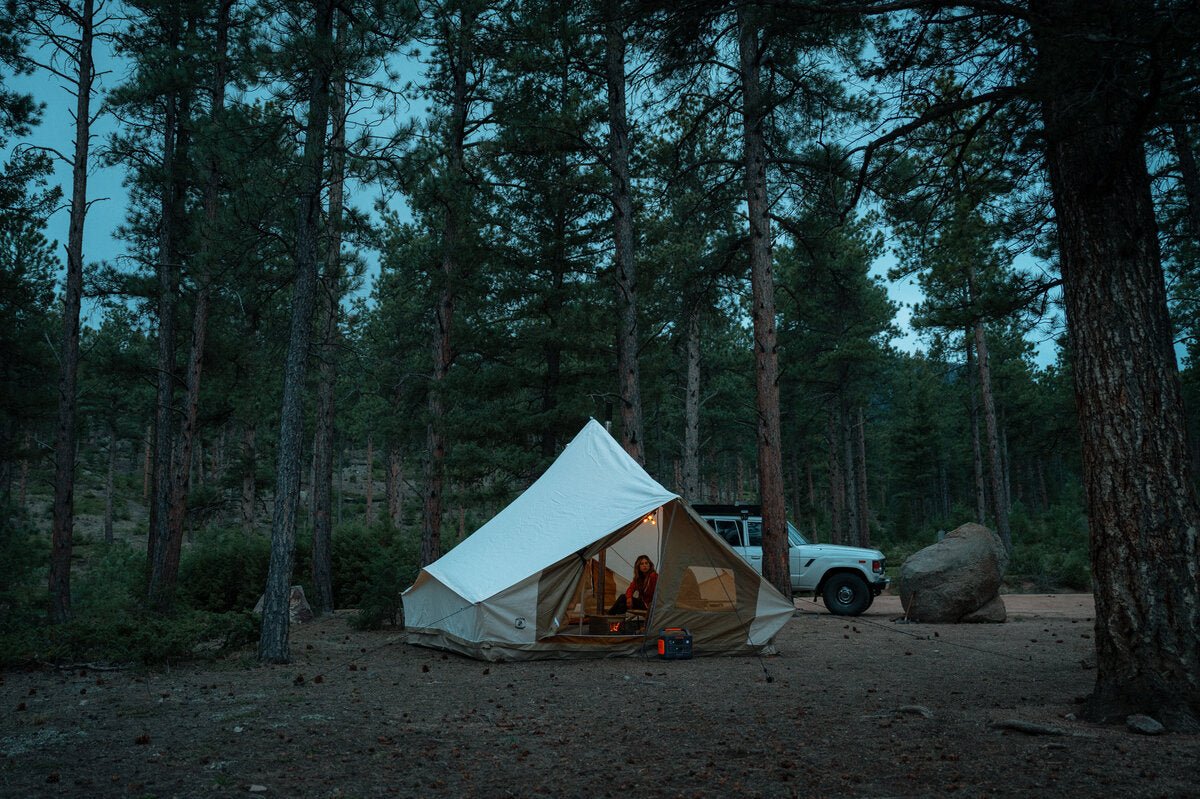
Off-grid power lets you run small devices and lights. Solar panels are easy to use and maintain.
| Power Source | Advantages | Drawbacks |
| Solar Panels | Renewable, quiet, low maintenance | Needs sunlight, initial cost |
| Portable Generator | Strong power output | Noisy, uses fuel |
| Wind Turbine | Renewable, good for windy areas | Needs space, can be noisy |
Communication Tools
Staying connected helps in emergencies and for daily needs. Choose tools that work without cell towers.
- Two-way radios for short range talk
- Satellite phones for remote areas
- Emergency beacons for rescue signals
- Solar chargers to keep devices powered
Sustainable Practices
Living off-grid means caring for nature. Use methods that protect the environment and save resources.
- Compost organic waste to enrich soil
- Use biodegradable soaps and products
- Recycle and reuse materials when possible
- Limit water and energy use daily
Packing And Travel Tips
Living in a tent requires careful packing and travel planning. Bringing the right gear helps you stay safe and comfortable.
These tips will guide you on packing smart and preparing for different weather conditions while traveling with your tent.
Efficient Packing Strategies
Pack only what you need to save space and weight. Choose lightweight and compact items for easy carrying.
Organize your items into categories like cooking, sleeping, and clothing. Use packing cubes or bags to keep things tidy.
- Roll clothes to save space
- Pack multi-use tools
- Keep important items accessible
- Use waterproof bags for electronics
Transporting Your Tent
Carry your tent in a durable bag to protect it during travel. Make sure it is dry before packing to avoid mold.
Use backpacks or car trunks to transport your tent. Secure it well so it does not shift or get damaged.
- Disassemble tent poles carefully
- Pack stakes and accessories separately
- Use straps to attach tent bags to backpacks
- Check weight limits when flying with a tent
Weather-ready Clothing
Choose clothing that fits the weather you expect. Layering helps you stay warm or cool as needed.
Bring waterproof and windproof jackets. Quick-dry fabrics are good for wet conditions.
- Base layer to keep sweat away
- Insulating layer for warmth
- Outer shell to block wind and rain
- Extra socks and hats for cold nights
Emergency Preparedness
Always carry a basic first aid kit. Include bandages, antiseptic wipes, and any personal medicines.
Have a flashlight, extra batteries, and a whistle. Know the local emergency numbers and have a backup plan.
- Water purification tablets or filters
- Fire-starting tools like matches or lighters
- Multi-tool or knife
- Emergency blanket for cold weather

Credit: tentbox.com
Credit: www.jackery.com
Frequently Asked Questions
What Essentials Should I Pack For Living In A Tent?
Pack lightweight, durable gear like a sleeping bag, portable stove, water filter, and weather-appropriate clothing. Include a first aid kit, flashlight, and multi-tool. These items ensure comfort, safety, and convenience while living in a tent.
How Do I Choose A Safe Tent Campsite?
Select flat, dry ground away from hazards like flooding or falling branches. Check for wind protection and nearby water sources. Avoid animal trails and respect local rules to ensure safety and comfort.
How Can I Stay Warm Living In A Tent?
Use an insulated sleeping pad and a high-quality sleeping bag. Layer clothing, wear a hat, and use a tent heater safely. Proper ventilation helps prevent condensation and keeps warmth inside.
How Do I Maintain Hygiene While Living In A Tent?
Use biodegradable soap and wash away from water sources. Carry portable toilets or dig catholes 6-8 inches deep. Practice regular hand washing and dispose of waste responsibly to stay clean and healthy.
Conclusion
Living in a tent can bring freedom and new experiences. Stay prepared and choose the right gear. Keep your tent clean and safe every day. Respect nature and enjoy the quiet moments. Simple habits make tent life easier and more fun.
Remember, patience helps you adjust to this lifestyle. Every day offers a chance to learn and grow. Embrace the adventure, and live comfortably outdoors.