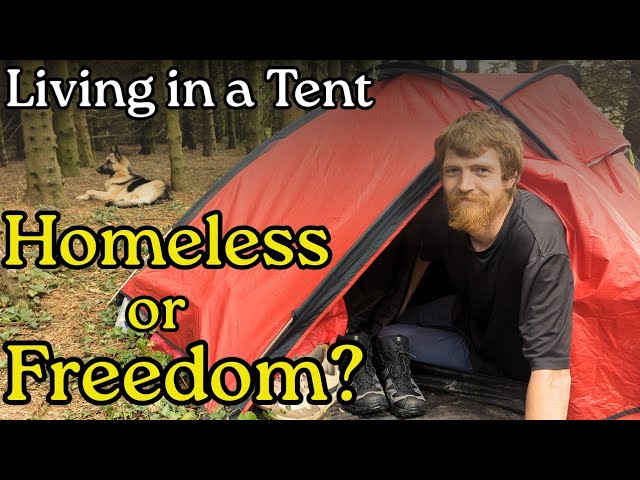
Imagine waking up to the sound of birds, fresh air filling your lungs, and the freedom to live wherever you choose. Living in a tent isn’t just for camping trips—it can be a way to simplify your life, save money, and connect with nature like never before.
But how do you make this lifestyle work for you? You might wonder about staying comfortable, staying safe, or even handling daily tasks without a traditional home. This guide will answer all your questions and give you practical tips to thrive while living in a tent.
Ready to discover how to turn a simple shelter into your perfect home? Keep reading, because your new adventure starts here.

Credit: www.reddit.com
Choosing The Right Tent
Living in a tent requires careful choice. Picking the right tent helps you stay safe and comfortable.
Think about your needs before buying. The right tent fits your lifestyle and weather conditions.
Types Of Tents
Tents come in many shapes and styles. Each type suits different uses and environments.
- Dome tents are easy to set up and stable in wind.
- Cabin tents offer more space and stand tall inside.
- Backpacking tents are light and compact for travel.
- Tunnel tents give good space but need staking well.
Size And Capacity
Choose a tent size that fits your group. Check the capacity label but add extra room for gear.
Small tents save weight and space. Bigger tents give comfort and storage inside.
- 1-person tents are best for solo camping.
- 2 to 4-person tents suit small groups or couples.
- Family tents hold 5 or more people.
Material And Durability
Tent materials affect weight and strength. Look for sturdy fabrics that resist tears.
Common materials include nylon and polyester. Both dry fast and resist water well.
- Ripstop nylon is strong and light.
- Polyester lasts longer in sunlight.
- Check tent floor for waterproof coating.
- Quality zippers and poles add durability.
Weather Considerations
Think about the weather where you camp. Tents differ in how they handle rain, wind, and cold.
Three-season tents work in spring, summer, and fall. Four-season tents handle snow and strong winds.
- Look for waterproof rain flies for wet weather.
- Ventilation helps reduce inside moisture.
- Strong poles resist heavy wind.
- Insulated tents keep warmth in cold places.

Credit: tentbox.com
Essential Gear For Tent Living
Living in a tent needs the right gear to stay safe and comfortable. Choosing the right items helps you enjoy your time outdoors.
This guide covers essential gear for sleeping, cooking, lighting, and storage in a tent.
Sleeping Gear
A good sleep setup keeps you warm and rested. Pick a sleeping bag suited for the weather you expect.
Use a sleeping pad or air mattress to add comfort and protect from cold ground.
- Sleeping bag rated for the temperature
- Sleeping pad or inflatable mattress
- Camping pillow or small travel pillow
- Extra blankets for cold nights
Cooking Equipment
Cooking gear helps you prepare meals safely inside or near your tent. Choose lightweight and easy-to-clean tools.
Bring a portable stove or small camping grill with fuel. Don’t forget utensils and a pot or pan.
- Portable camping stove or small grill
- Fuel canisters or charcoal
- Lightweight pots and pans
- Reusable utensils and plates
- Water container for cooking and cleaning
Lighting Solutions
Good lighting makes tent living safer and easier at night. Bring lights that last long and are easy to use.
Headlamps, lanterns, and string lights work well. Use rechargeable or extra batteries for backup.
- LED headlamps for hands-free use
- Battery-powered or solar lanterns
- String lights for inside the tent
- Extra batteries or rechargeable packs
Storage Options
Keeping gear organized protects it and saves space. Use storage that fits your tent size and gear amount.
Waterproof bags and containers help keep items dry. Hanging storage frees floor space inside the tent.
- Waterproof dry bags for clothes and electronics
- Stackable plastic containers or bins
- Collapsible storage cubes for small items
- Hanging organizers to save floor space
Setting Up Your Tent
Living in a tent means you need a good setup. A well-set tent keeps you safe and comfortable.
Setting up your tent right starts with choosing the best spot. Then, use smart pitching and secure it well.
Selecting The Campsite
Pick a flat area to set your tent. Avoid places with rocks or roots that can poke through the floor.
Look for spots away from water. This keeps you safe from flooding and bugs. Also, check for shade to stay cool.
- Find level ground
- Avoid low spots where water collects
- Stay clear of dead branches overhead
- Choose shade for hot days
- Check wind direction
Pitching Techniques
Start by laying out the tent footprint or tarp to protect the floor. Then unfold and position the tent body.
Attach the tent poles to give the tent shape. Make sure to keep the tent tight to avoid sagging.
- Use stakes to secure corners first
- Insert poles carefully without forcing
- Tighten guy lines for stability
- Double-check all connections
Securing Against Weather
Protect your tent from rain by using a rainfly. Make sure it covers all sides and is stretched tight.
Use extra stakes and guy lines to hold your tent in strong wind. Keep doors closed to block cold air.
- Place rainfly properly over the tent
- Secure all stakes deeply in the ground
- Use guy lines to add support
- Close zippers to keep out drafts
Maximizing Space Inside
Keep your gear organized to save space. Use pockets and hang items from hooks if your tent has them.
Set up your sleeping area first. Store bags and shoes near the entrance to keep the main space free.
- Use tent pockets for small items
- Keep sleeping bags rolled tightly
- Store shoes by the door
- Use compact containers for food
Maintaining Comfort Outdoors
Living in a tent can be fun and close to nature. Staying comfortable helps you enjoy the outdoors more.
Simple changes can make your tent cozy and safe. Learn easy tips for comfort while camping or living outside.
Temperature Control
Keep your tent warm in cold weather and cool in heat. Dress in layers and use the right sleeping bag.
Use a tent with good insulation. A reflective tarp can block sunlight and keep the tent cooler.
- Wear moisture-wicking clothes
- Use a sleeping pad for insulation
- Cover tent windows with reflective material
- Keep extra blankets for cold nights
Ventilation Tips
Good air flow stops stuffy air and moisture build-up. Open vents or windows when weather allows.
Use mesh panels to keep bugs out but let fresh air in. Avoid blocking vents with gear or bags.
- Open tent doors slightly at night
- Use mesh screens on windows
- Keep vents clear and unblocked
- Choose a tent with multiple ventilation points
Keeping Bugs Away
Bugs can disturb your sleep and cause irritation. Use safe ways to keep them outside your tent.
Apply insect repellent on skin and clothes. Keep food sealed and clean up crumbs to avoid attracting bugs.
- Use bug nets over sleeping areas
- Keep tent zipped at all times
- Store food in airtight containers
- Burn citronella candles or use natural repellents
Personal Hygiene
Stay clean to feel fresh and avoid sickness. Use biodegradable soap and wash hands often.
Keep a small hygiene kit in your tent. Change clothes regularly and keep your sleeping area tidy.
- Use wet wipes for quick cleaning
- Brush teeth twice daily
- Dispose of waste properly
- Keep towels and clothes dry
Outdoor Cooking And Food Storage
Living in a tent means you need to cook and store food safely outdoors. Good habits keep you healthy and your campsite clean.
Proper food handling and storage help prevent sickness and keep animals away. You can enjoy simple meals with safe cooking practices.
Safe Food Handling
Always wash your hands before and after touching food. Use clean water and soap if possible.
Keep raw and cooked foods separate to avoid germs spreading. Use different utensils for each.
- Store perishable food in a cooler with ice
- Keep food covered to protect from dirt and bugs
- Throw away food that smells bad or looks spoiled
Easy Meal Ideas
Choose simple meals that need few ingredients and little cooking time. This saves fuel and effort.
- Instant oatmeal with dried fruit for breakfast
- Tortillas with peanut butter or cheese for lunch
- Grilled vegetables and canned beans for dinner
- Trail mix and nuts for snacks
Use one pot or pan to cook multiple foods to reduce cleanup.
Fire And Stove Safety
Set your stove or fire on flat, clear ground away from tents. Keep water or sand nearby to put out flames.
Never leave a fire or stove unattended. Make sure the fire is fully out before sleeping or leaving the site.
- Use a camping stove designed for safe outdoor use
- Keep flammable items far from the heat source
- Check wind direction to avoid sparks blowing toward tents
Preventing Wildlife Encounters
Store food in sealed containers or bear-proof boxes. Keep them away from your tent.
Clean cooking areas and dispose of trash properly. Leftover food smells attract animals.
- Hang food bags from a tree branch at least 10 feet high
- Do not keep food inside your sleeping area
- Use animal-proof trash bins if available
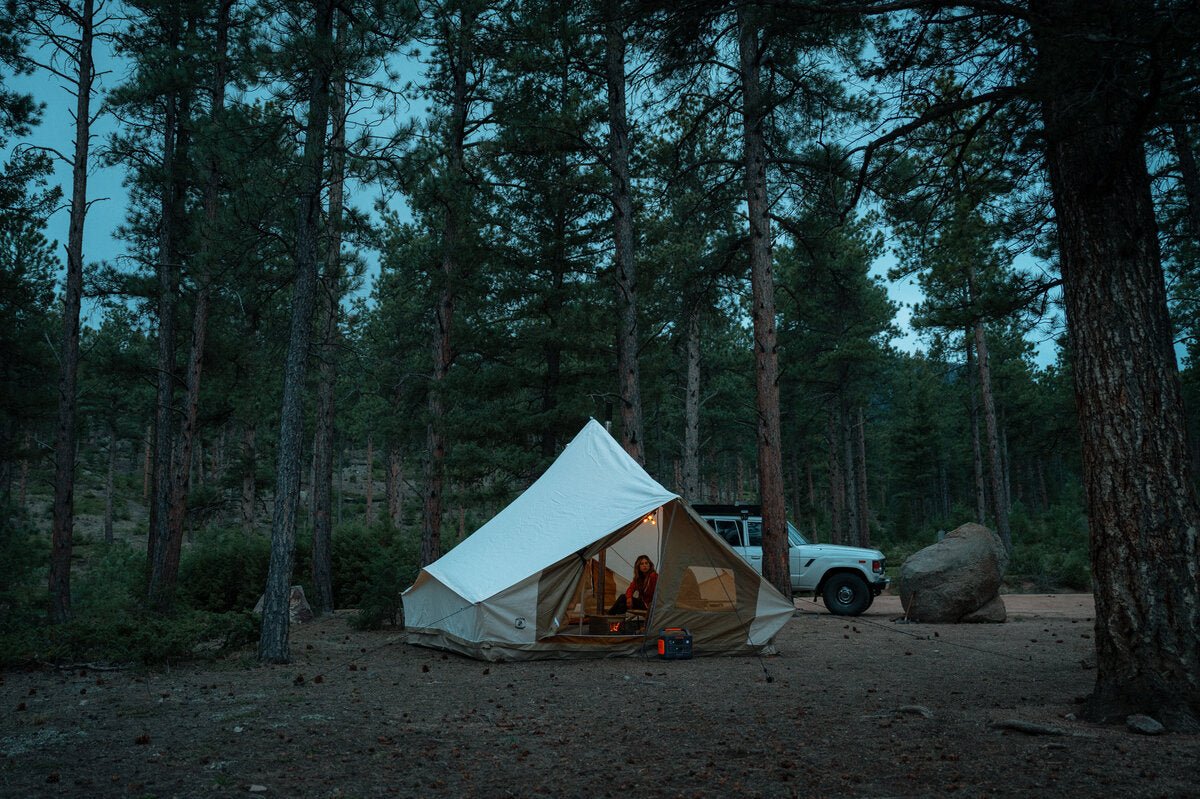
Credit: www.jackery.com
Staying Safe And Healthy
Living in a tent can be a great adventure. It is important to stay safe and healthy while camping outdoors. Being prepared helps prevent accidents and illness.
This guide covers key tips for first aid, weather, wildlife, and emergency communication. Follow these to make your tent living safer and more comfortable.
First Aid Essentials
Always carry a basic first aid kit in your tent. It should have items to treat small cuts, burns, and insect bites. Know how to use everything in the kit.
Keep your first aid supplies clean and dry. Check the kit often and replace used or expired items quickly.
- Bandages of different sizes
- Antiseptic wipes and cream
- Pain relievers like ibuprofen
- Tweezers and scissors
- Allergy medicine if needed
Weather Preparedness
Check the weather forecast before you set up your tent. Be ready for rain, wind, or cold nights. Choose a safe spot to camp away from flood risks.
Bring clothes for all weather types. Use a waterproof tent and sleeping bag. Keep extra blankets and a rain jacket handy.
- Lightweight rain gear
- Warm layers for cold weather
- Sun hat and sunscreen
- Windbreaker or sturdy tent stakes
Wildlife Awareness
Know what animals live near your camping area. Keep your food stored in sealed containers to avoid attracting animals. Do not feed or approach wildlife.
Make noise when walking to avoid surprising animals. Learn how to react if you meet a wild animal. Stay calm and back away slowly.
- Store food away from your tent
- Use bear-proof containers if needed
- Keep trash in sealed bags
- Avoid strong scents like perfumes
Emergency Communication
Have a way to contact help if needed. Bring a charged phone or a two-way radio. Know the emergency numbers for the area.
Tell someone your camping plans and expected return time. Keep your communication devices protected from water and damage.
- Fully charged mobile phone
- Portable power bank
- Two-way radios for group camping
- Emergency whistle or signal mirror
Sustainable Camping Practices
Living in a tent lets you enjoy nature closely. It is important to camp in a way that protects the environment.
Following good habits keeps nature clean and safe for animals and people alike.
Leave No Trace Principles
Leave No Trace means you leave the camping site as you found it. Do not damage plants or soil.
Stay on marked trails and campsites to avoid disturbing the area. Pack out all trash and leftover food.
- Plan ahead and prepare well
- Camp on durable surfaces only
- Dispose of waste properly
- Leave what you find
- Minimize campfire impact
- Respect wildlife
- Be considerate of other visitors
Waste Management
Keep your campsite clean by managing waste carefully. Use reusable containers to reduce trash.
Pack out all garbage, leftover food, and litter. Do not bury or burn trash at the campsite.
- Bring trash bags for all waste
- Separate recyclables if possible
- Use biodegradable soap away from water
- Carry out all non-organic waste
Water Conservation
Save water while camping to protect local water sources. Use water wisely for cooking and cleaning.
Avoid polluting lakes and streams. Wash dishes and yourself at least 200 feet away from water bodies.
- Use a small amount of water for tasks
- Collect rainwater for cleaning if possible
- Do not use soap directly in water
- Fix leaks in water containers promptly
Respecting Wildlife
Watch animals from a distance. Do not feed or touch wildlife to keep them safe and wild.
Store food securely to avoid attracting animals. Keep your noise level low to avoid disturbing them.
- Observe animals quietly
- Never feed wild animals
- Store food in sealed containers
- Dispose of food waste properly
Frequently Asked Questions
What Essential Gear Do I Need To Live In A Tent?
You need a durable tent, sleeping bag, camping stove, water filter, and lighting. These basics ensure comfort and safety while living in a tent.
How Do I Stay Warm When Living In A Tent?
Use an insulated sleeping pad, wear layered clothing, and keep a hot water bottle inside your sleeping bag. Proper ventilation also helps prevent moisture buildup.
Where Is The Best Place To Set Up A Tent?
Choose a flat, dry area away from hazards like water runoff or falling branches. Look for natural windbreaks and avoid low spots prone to flooding.
How Can I Maintain Hygiene While Tent Living?
Use biodegradable soap, carry hand sanitizer, and set up a designated area for waste. Regularly clean your tent and keep food sealed to avoid pests.
Conclusion
Living in a tent offers unique experiences and joys. Embrace the simplicity it provides. Connect with nature deeply. Remember to pack essentials for comfort and safety. Practice setting up your tent before heading out. Learn and follow camping rules and etiquette.
Respect nature and fellow campers. Pay attention to weather forecasts and prepare accordingly. Get cozy with a good sleeping bag. Enjoy the stars and the sounds of the wild. Living in a tent brings adventure and peace. You’ll create memories that last a lifetime.
So, grab your gear and embark on this rewarding journey.