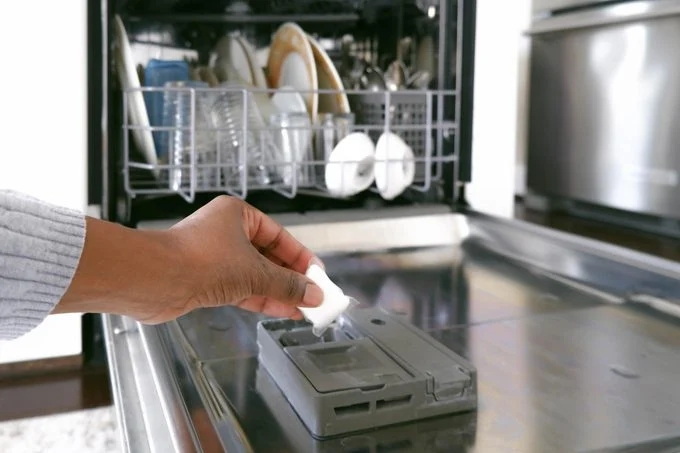
Are you tired of pulling out dishes that are still dirty after a dishwasher cycle? The secret might just lie in how you’re loading the detergent.
Believe it or not, the way you load detergent can make a big difference in the cleanliness of your dishes. Imagine the satisfaction of opening your dishwasher to find perfectly clean plates, sparkling glasses, and spotless silverware every time. By learning the right technique, you can enhance your dishwasher’s performance, save time, and avoid the frustration of having to rewash items.
Let’s dive into the simple yet effective steps to load detergent in your dishwasher properly, ensuring your dishes come out gleaming and ready to use.

Credit: www.ufinechem.com
Choosing The Right Detergent
Choosing the right detergent is key for a clean dishwasher load. Different detergents work better for certain water types and dishwashing machines. Picking the right one saves money and protects your dishes.
Powder Vs. Liquid Vs. Pods
Powder detergents dissolve quickly and are cost-effective. They work well in hard water but can leave residue if not rinsed properly.
Liquid detergents mix well with water and are great for quick washes. They avoid clumping but may not handle tough stains as well.
Pods offer convenience and pre-measured doses. They dissolve during the cycle but can be more expensive. Pods may not work well in short cycles.
Eco-friendly Options
Eco-friendly detergents use natural ingredients and fewer chemicals. They reduce water pollution and are safer for sensitive skin.
Look for biodegradable labels and phosphate-free formulas. These detergents still clean effectively without harsh additives.
Some brands offer refill packs to cut down plastic waste. Choosing these helps the environment and your home.
Detergent Ingredients To Avoid
- Phosphates: Harm water life and cause algae growth.
- Chlorine Bleach: Can damage dishes and irritate skin.
- Artificial Fragrances: May cause allergies or sensitivities.
- Optical Brighteners: Not biodegradable and can pollute water.
Choosing detergents without these ingredients protects your health and the planet.
Credit: www.woodcocks.us
Locating The Detergent Dispenser
Finding the detergent dispenser in your dishwasher is the first essential step to ensure your dishes come out sparkling clean. Most dishwashers have a clearly marked compartment designed specifically for detergent, but its exact location and appearance can vary. Knowing where to look saves you time and avoids common mistakes like adding detergent in the wrong place, which can lead to poor washing results.
Common Dispenser Types
Dishwasher detergent dispensers typically come in two main types: a sliding door compartment or a flip-top lid. The sliding door is often located on the inside of the dishwasher door and slides open to reveal the detergent slot. The flip-top lid is similar but flips open like a small cover, sometimes with a separate spot for rinse aid.
Some models feature dual compartments, one for powder or gel detergent and another for tablets or pre-measured pods. Recognizing your dispenser type helps you use the right detergent form and avoid overfilling. Have you ever used powder detergent in a pod compartment? It usually doesn’t dissolve correctly.
Opening And Closing The Dispenser
Opening the detergent dispenser is generally straightforward but can differ slightly by brand. You might need to press a button, slide a latch, or simply pull open a small door. It’s important to ensure the dispenser is fully closed after adding detergent; otherwise, it won’t release the detergent at the right time during the wash cycle.
Try gently pushing the dispenser door after loading detergent to confirm it clicks shut. If it doesn’t close properly, your dishwasher might not clean effectively. Have you noticed your dishes coming out dirty even after a full cycle? The dispenser could be the culprit.
Cleaning The Dispenser
Over time, detergent residue and moisture can cause the dispenser to clog or stick. Regularly cleaning it ensures smooth operation and consistent detergent release. Use a damp cloth or a soft brush to remove any buildup inside and around the dispenser.
If you spot hardened detergent or mold, soak the dispenser in warm water for a few minutes before scrubbing gently. This simple habit can prevent detergent from getting trapped and improve your dishwasher’s performance. When was the last time you checked your dispenser for buildup?
Measuring The Detergent
Measuring the detergent correctly is key to getting your dishes sparkling clean without wasting product or harming your machine. Using too little detergent can leave spots and residue, while too much can cause buildup and even damage your dishwasher. Let’s break down how to measure detergent properly so you get the best results every time.
Recommended Amounts
Most dishwasher detergents come with clear instructions on how much to use per load. Typically, a standard wash requires about 1 to 2 tablespoons of detergent. You can find this amount indicated on the detergent packaging or in your dishwasher manual.
Keep in mind that using the exact recommended amount helps your dishwasher work efficiently. Too little detergent may leave your dishes dirty, while too much can cause excessive suds and leave a film.
Adjusting For Water Hardness
Water hardness affects how much detergent you need. If your water is hard, meaning it contains more minerals like calcium and magnesium, you may need to increase the detergent amount slightly to combat spots and film.
To find out your water hardness, check with your local water supplier or use a simple test kit. If your water is soft, use less detergent to avoid excess suds and residue on your dishes.
Avoiding Overuse
Using more detergent than necessary doesn’t clean better — it often does the opposite. Excess detergent can leave a sticky residue inside your dishwasher and on your dishes, which may require additional rinsing.
Have you noticed a white film on your plates or a strange smell in your dishwasher? This could be from detergent overuse. Sticking to the right amount not only protects your machine but also saves money and reduces environmental impact.
Loading Detergent Properly
Loading detergent properly in your dishwasher is crucial to achieving spotless dishes every time. Using the right amount and placing it correctly can make a huge difference in cleaning performance. Let’s break down the best practices to help you get it right.
Filling The Dispenser Compartment
Most dishwashers have a dedicated detergent dispenser with one or two compartments. Fill the main compartment with the recommended amount of detergent—usually about one tablespoon for regular loads.
If your dishwasher has a pre-wash compartment, add a small amount of detergent there for heavily soiled dishes. Avoid overfilling, as excess detergent can leave residue on your dishes or cause oversudsing.
Seal the compartment properly to prevent detergent from leaking out before the wash cycle starts. Have you noticed film or spots on your dishes? It might be time to check if you’re loading the detergent correctly.
Using Rinse Aid Alongside Detergent
Rinse aid isn’t detergent but plays a vital role in drying and preventing water spots. Fill the rinse aid dispenser regularly to improve your dishwasher’s performance.
Using rinse aid with detergent helps water sheet off dishes, reducing spots and streaks. Some machines even adjust rinse aid usage based on water hardness, so keep an eye on the dispenser level.
If you’ve been frustrated with cloudy glasses or dull silverware, adding rinse aid could be the simple fix you need.
When To Add Detergent Manually
Sometimes, you might need to add detergent manually during a cycle—for example, if you’re using a long wash with a pre-wash and main wash phase. Check your dishwasher’s manual to see if it advises adding detergent at a certain point.
Another situation is when you use detergent pods that dissolve too quickly or if your dishwasher lacks an automatic dispenser. Pausing the cycle to add detergent ensures your dishes get the full cleaning power.
Have you ever wondered why some loads come out less clean? Timing your detergent addition manually might be the missing piece in your routine.
Tips For Different Dishwasher Models
Loading detergent correctly varies depending on your dishwasher model. Understanding these differences helps you get the best cleaning results without wasting detergent or damaging your machine. Let’s dive into tips tailored for your specific dishwasher type.
Standard Dishwashers
Standard dishwashers usually have a detergent dispenser on the inside of the door. You’ll find a compartment for powder or pods and sometimes a rinse aid slot.
Always check the manufacturer’s recommended detergent type. If you use pods, place them directly into the detergent compartment, not just anywhere in the machine. For powder or liquid detergent, fill the compartment fully but avoid overfilling—it can leave residue on your dishes.
Have you noticed leftover detergent on your dishes? Try running the dishwasher on a hotter cycle or using a rinse aid to improve detergent dissolution.
Portable And Drawer Models
Portable and drawer dishwashers often have smaller detergent compartments due to their compact size. You need to be precise with the amount of detergent you add.
Use detergent designed for compact machines or use less of the regular detergent to avoid excess suds and poor rinsing. Place detergent in the designated dispenser rather than loose inside the drawer.
Since these models sometimes have shorter wash cycles, consider selecting a longer or more intensive cycle for heavily soiled dishes. Have you experienced spots or film on your dishes? Adjusting the detergent quantity or cycle length can make a big difference.
Smart Dishwashers
Smart dishwashers come with advanced sensors and automated detergent dispensing systems. Some models even adjust detergent release based on load size and soil level.
Make sure to use detergent compatible with your smart dishwasher’s dispenser system. Avoid manually adding detergent inside the machine unless specified by the manufacturer.
Many smart models connect to apps that let you monitor detergent levels remotely. Have you tried setting reminders to refill detergent or running diagnostics through your app? These features help maintain optimal cleaning performance effortlessly.
Troubleshooting Detergent Issues
Detergent issues in your dishwasher can be frustrating, especially when you expect spotless dishes but end up with disappointing results. Understanding the common problems and how to fix them can save you time and stress. Let’s look at some typical detergent-related troubles and what you can do to solve them effectively.
Detergent Not Dissolving
If you notice that the detergent isn’t dissolving properly, it might be due to water temperature or the type of detergent you’re using. Your dishwasher needs hot water—around 120°F (49°C)—to break down the detergent efficiently. If the water isn’t hot enough, try running the hot water in your sink before starting the dishwasher to ensure it fills with warm water.
Another common reason is using a detergent that’s not suitable for your dishwasher model or water hardness. Powder detergents can sometimes clump if exposed to moisture before the cycle starts. Consider switching to gel or pods if you face this issue repeatedly.
Residue On Dishes
Seeing residue or film on your dishes can be annoying and often points to detergent or rinse aid problems. Too much detergent can leave a sticky residue, while too little won’t clean effectively. Adjust the amount based on your water hardness and dishwasher load.
Also, check if your rinse aid dispenser is full. Rinse aid helps dishes dry faster and prevents spotting. If you don’t use rinse aid, your dishes might come out looking dull or streaked.
Dispenser Malfunctions
Your detergent dispenser must open at the right time for the detergent to work properly. If it stays closed or opens too early, detergent won’t release correctly, resulting in poor cleaning. Check for any blockages or stuck latches that might be preventing it from opening.
Sometimes, buildup from detergent residue or hard water can cause the dispenser to malfunction. Cleaning the dispenser regularly and making sure it’s dry before adding detergent can help avoid these issues. Have you inspected your dispenser recently to ensure it’s working as it should?
Maintaining Your Dishwasher For Best Results
Maintaining your dishwasher is just as important as loading it correctly. A well-maintained dishwasher ensures every cycle runs efficiently, leaving your dishes spotless and your appliance running longer. Small habits can save you from costly repairs and poor cleaning results.
Regular Cleaning
Food particles and grease can build up inside your dishwasher, blocking spray arms and filters. Make it a habit to remove and clean the filter at least once a month. Wipe down the door seals and interior with a damp cloth to prevent mold and odors.
Have you noticed your dishes coming out less clean than usual? Often, a simple cleaning can restore your dishwasher’s performance.
Checking Water Temperature
Your dishwasher needs hot water to dissolve detergent and kill germs effectively. Check that your water heater is set between 120°F and 150°F (49°C to 65°C). If the water is too cold, your detergent won’t work properly, and your dishes may end up spotted or greasy.
Try running the hot water tap before starting the dishwasher to ensure hot water fills the machine from the start.
Using Dishwasher Cleaner
Dishwasher cleaners help remove lime scale, grease, and detergent residue that regular washing can’t eliminate. Use a cleaner once a month or after heavy use, following the product instructions carefully. This keeps your dishwasher fresh and functioning at its best.
Imagine the difference a clean machine can make: sparkling dishes and no strange smells. Isn’t that worth a few minutes of extra care?

Credit: puracy.com
Frequently Asked Questions
How Do I Properly Load Detergent In A Dishwasher?
Load detergent into the dishwasher’s detergent dispenser. Use the recommended amount based on your detergent type. Avoid overfilling to prevent residue. Close the dispenser securely before starting the cycle for effective cleaning.
Can I Use Regular Detergent In A Dishwasher?
No, regular dish soap is not suitable for dishwashers. Use dishwasher-specific detergent to avoid excess suds. Dishwasher detergents are formulated to clean dishes effectively without causing damage or overflow.
Where Should I Put Detergent Pods In A Dishwasher?
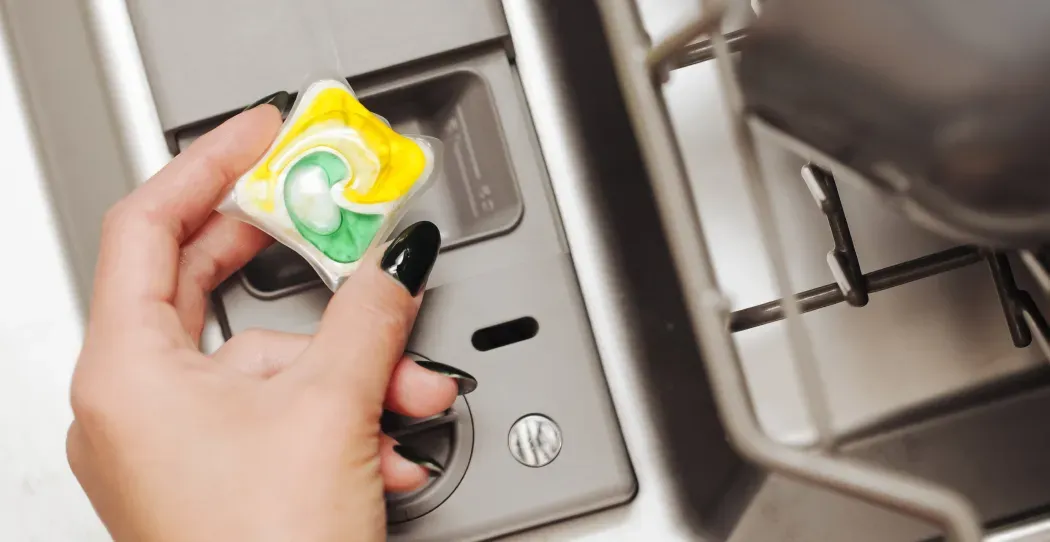
Place detergent pods in the detergent dispenser cup. Ensure the cup is dry before adding the pod. Close the dispenser lid securely for proper detergent release during the wash cycle.
How Much Detergent Should I Use In A Dishwasher?
Use the amount recommended on the detergent packaging. Typically, one scoop or pod per load is enough. Adjust detergent based on water hardness and soil level for optimal cleaning.
Conclusion
Proper detergent loading keeps your dishwasher working well. Use the right amount for clean dishes every time. Place detergent in the correct compartment for best results. Avoid overfilling to stop residue on dishes. Regularly check your detergent type and dishwasher instructions.
Clean dishes mean less rewashing and more free time. Small steps make a big difference in your kitchen routine. Remember, simple care helps your dishwasher last longer. Keep these tips in mind for easy and effective dishwashing.