Learning how to load fishing line on a reel might seem simple, but doing it the right way can make a huge difference in your fishing experience. If you’ve ever dealt with tangled lines or lost a big catch because of poor setup, this guide is for you.
You’ll discover easy steps to get your reel ready quickly and smoothly, so you can spend more time enjoying the water and less time fixing your gear. Ready to make your fishing trips easier and more successful? Keep reading, and you’ll master the skill in no time.

Credit: www.reddit.com
Choosing The Right Fishing Line
Choosing the right fishing line is key to a good fishing experience. The line must suit your fishing style and the type of fish you want to catch.
Picking the correct line helps you cast better and avoid line breaks. It also makes your fishing gear last longer.
Types Of Fishing Lines
There are mainly three types of fishing lines: monofilament, fluorocarbon, and braided. Each has different features and uses.
- Monofilament: Flexible and easy to handle. Good for beginners.
- Fluorocarbon: Hard to see in water. Sinks faster than monofilament.
- Braided: Very strong and thin. Good for heavy fish and long casts.
Matching Line To Reel And Rod
Your fishing line must match your reel and rod. Check the reel’s line capacity and rod’s line weight limits.
Using a line too heavy for your rod can cause damage. A line too light may break easily on big fish.
- Spinning reels work well with lighter lines.
- Baitcasting reels handle heavier lines better.
- Match line weight with the rod’s recommended range.
Line Strength And Diameter
Line strength is called “pound test.” It shows how much weight the line can hold before breaking.
Diameter affects how the line moves through water and guides. Thinner lines cast farther but may be weaker.
| Line Type | Typical Strength (lbs) | Diameter (inches) |
|---|---|---|
| Monofilament | 6-20 | 0.008-0.018 |
| Fluorocarbon | 8-25 | 0.007-0.020 |
| Braided | 15-50 | 0.005-0.015 |
Preparing Your Reel
Loading fishing line on a reel starts with good preparation. Taking care of your reel helps fishing go smoothly.
Before adding the line, check the reel’s condition and set it up properly. This saves time and frustration.
Cleaning The Reel
Clean the reel to remove dirt and old grease. This makes the reel work better and lasts longer.
Use a soft cloth and mild soap to wipe the reel. Avoid harsh chemicals that can damage the parts.
- Wipe the handle and body
- Clean the spool area carefully
- Dry all parts well before use
Checking The Spool
Look at the spool before adding line. Make sure it is not cracked or bent.
Check if the spool moves freely. Tighten or loosen the drag knob as needed.
- Inspect for damage or wear
- Test spool rotation
- Adjust drag to a medium setting
Attaching The Reel To The Rod
Attach the reel to the rod firmly. This keeps the reel stable during casting and reeling.
Slide the reel foot into the rod seat. Tighten the locking rings until the reel is secure.
- Match reel foot to rod seat
- Push reel foot into place
- Tighten lock rings evenly
- Check reel is snug and steady
Threading The Line
Loading fishing line on a reel is a key skill for fishing. Threading the line correctly helps your fishing go smoothly.
This guide focuses on how to thread the line right. Follow simple steps for a neat and strong line setup.
Securing The Line To The Spool
First, attach the line tightly to the spool. This keeps the line from slipping while you reel it in.
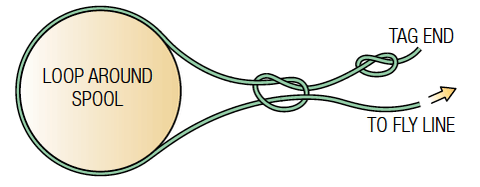
Use an easy knot like the arbor knot to tie the line. Make sure it is snug and firm around the spool.
- Pass the line through the spool’s hole or slot
- Wrap the line around the spool
- Tie a secure knot like the arbor knot
- Pull the knot tight against the spool
- Trim any extra line ends
Avoiding Twists And Tangles
Twists and tangles can cause problems when fishing. Keep the line straight and smooth as you load it.
Let the spool spin freely while you pull the line. This prevents the line from twisting and getting tangled.
- Keep the line tight but not too tight
- Make sure the line flows off the supply spool the same way it goes onto the reel spool
- Use your fingers to guide the line evenly on the spool
- Stop often to check for twists or overlaps
- Rewind if you notice any knots or loops
Winding The Line Onto The Spool
Loading fishing line on a reel needs care and attention. This process affects your casting and fishing experience.
Winding the line correctly helps prevent tangles and line damage. Focus on key steps to do this well.
Maintaining Tension
Keep the line tight as you wind it onto the spool. Loose line causes tangles and reduces casting distance.
You can hold the line between your fingers or use a cloth to keep steady pressure. Adjust the tension as you reel in the line.
Filling The Spool Properly
Fill the spool evenly from edge to edge. Avoid overfilling or leaving too much empty space.
- Start winding slowly and check the line level often.
- Keep the line tight and lay it in neat layers.
- Stop filling when the line is about 1/8 inch below the spool edge.
Common Mistakes To Avoid
| Mistake | Effect |
| Not keeping tension | Leads to loose line and tangles |
| Overfilling the spool | Causes line to slip off during casting |
| Underfilling the spool | Reduces casting distance and control |
| Twisting the line | Creates knots and weak spots |
Finishing Touches
After loading fishing line on your reel, it is important to complete a few finishing steps. These ensure your line is secure and ready for a smooth fishing experience.
Pay attention to trimming the line, checking its smoothness, and testing your cast. These steps help avoid problems when you fish.
Trimming Excess Line
Cut off the extra fishing line left after winding it onto the reel. Leaving too much line can cause tangles and snagging.
- Use sharp scissors or a line cutter
- Cut close to the knot or spool edge
- Leave a small tag end for safety, about 1/8 inch
- Secure the tag end with a drop of glue or nail polish if needed
Checking For Line Smoothness
Run your fingers along the line to check for rough spots or twists. Smooth line helps prevent casting problems.
| Check Point | What to Look For | Action Needed |
|---|---|---|
| Line Surface | Any rough or fuzzy areas | Remove damaged line and rewind |
| Line Twist | Loops or coils forming on the line | Untwist by spooling properly |
| Tension | Line too loose or too tight on spool | Adjust reel tension before casting |
Testing The Cast
Try casting your line a few times in an open area. This tests if the line flows freely and the reel works correctly.
Follow these tips for a good test cast:
- Use smooth, steady motions to cast.
- Listen for any unusual sounds from the reel.
- Watch the line for snags or tangles.
- Adjust the drag if the line pulls too easily or too hard.
- Rewind the line evenly onto the spool after each cast.

Credit: anglersresource.net
Tips For Better Casting
Good casting starts with proper fishing line care. Proper setup helps you cast further and with control.
Follow these tips on line maintenance, replacing old line, and adjusting drag settings to improve your casting skills.
Line Maintenance
Keep your fishing line clean and untangled. Dirt and knots reduce casting distance. Rinse line with fresh water after use.
- Check for twists and tangles before each trip
- Wipe the line with a soft cloth to remove dirt
- Use line conditioner to keep it smooth
- Store your reel in a dry place to avoid damage
Replacing Old Line
Old fishing line wears out and weakens. Replace it regularly to avoid breakage and improve casting accuracy.
| Signs of Old Line | When to Replace |
| Discoloration or fading | Every 6 months |
| Cracks or frays | Immediately |
| Memory curls or stiffness | Every 3 months |
Adjusting Drag Settings
Drag controls the line tension during a catch. Set drag correctly to avoid line breaks and improve casting flow.
Here are steps to adjust your drag:
- Turn the drag knob clockwise to increase resistance.
- Turn it counterclockwise to decrease resistance.
- Test drag by pulling line with your hand.
- Set drag tight enough to tire fish but loose enough to protect your line.

Credit: www.youtube.com
Frequently Asked Questions
How Do I Prepare My Reel Before Loading Fishing Line?
First, clean the reel to remove dirt and old line. Check the drag system and lubricate if needed. Attach the reel securely to your rod to ensure smooth line winding.
What Type Of Fishing Line Should I Use?
Choose line based on your fishing style and target species. Monofilament is versatile; braided offers strength; fluorocarbon is nearly invisible underwater. Match the line weight with your reel’s capacity.
How Much Fishing Line Should I Load On The Reel?
Fill the spool to about 1/8 inch below the rim. Overfilling can cause tangles, while underfilling limits casting distance. Adjust based on line thickness and reel size.
How Do I Avoid Line Twists When Loading My Reel?
Ensure the line spool rotates the same way as the reel spool. Use a swivel to reduce twists. Keep tension steady while winding the line onto the reel.
Conclusion
Loading fishing line on a reel is an essential skill. It ensures smooth casting and reeling. First, gather all necessary tools. Then, follow each step carefully. This prevents tangles and knots. Practice will improve your technique. Soon, you’ll do it with ease.
Always check the line’s tension. This keeps it from slipping. Remember to trim excess line. It helps maintain neatness. Now, you’re ready to fish confidently. Enjoy your time on the water. Happy fishing!