Making sure your child’s car seat is securely fastened can feel tricky, but it’s one of the most important steps to keep them safe on the road. You might wonder how to lock the seat belt properly so the car seat doesn’t move or shift during the drive.
Getting this right not only gives you peace of mind but also ensures your little one stays protected. You’ll discover simple, clear steps to lock your seat belt for a car seat the right way—no confusion, no guesswork. Keep reading to learn how to make every trip safer and easier for you and your child.
Types Of Seat Belt Locks
Seat belt locks keep children safe in car seats. Different locks work in different ways. Knowing the types helps you use them right.
This guide explains three common seat belt locks. Each lock type offers a unique way to secure the seat belt.
Automatic Locking Retractor
This lock tightens the seat belt automatically when you pull it all the way out. It keeps the belt tight to hold the car seat firmly.
The belt goes back to normal once the car seat is stable. This type is easy to use and helps prevent loose straps.
Switchable Locking Retractor
This lock lets you switch between two modes: automatic locking and emergency locking. Use the automatic mode to install the car seat.
- Automatic mode keeps the belt tight during installation.
- Emergency mode locks the belt only in sudden stops.
- Switch modes by pressing a button or flipping a switch.
This flexibility helps you use the seat belt for normal driving and car seat setup.
Emergency Locking Retractor
This lock stays loose during normal use. It locks the belt only if the car stops suddenly or hits a bump.
| Feature | How It Works |
| Locking Trigger | Sudden stop or crash |
| Belt Movement | Allows normal movement until triggered |
| Use | Protects passengers in emergencies |
Tools Needed For Locking Seat Belt
Locking your car seat belt ensures your child’s safety during travel.
You need specific tools to secure the seat belt properly and keep it tight.
Common Household Items
Some household items can help lock the seat belt without special tools.
- Rubber bands to hold the belt in place
- Clamps to pinch and secure the belt strap
- Velcro strips to fasten the belt tightly
- Plastic clips to lock the belt buckle
Specialized Seat Belt Locks
Specialized locks are designed to secure car seat belts safely and easily.
| Tool | Description |
| Locking Clip | Prevents belt from loosening during travel |
| Seat Belt Adjuster | Keeps belt tight and comfortable |
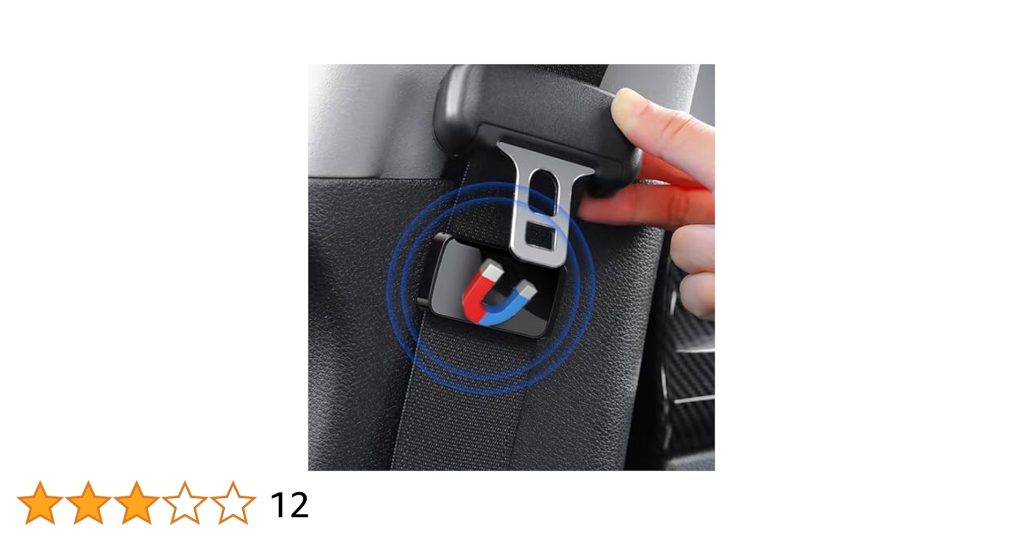
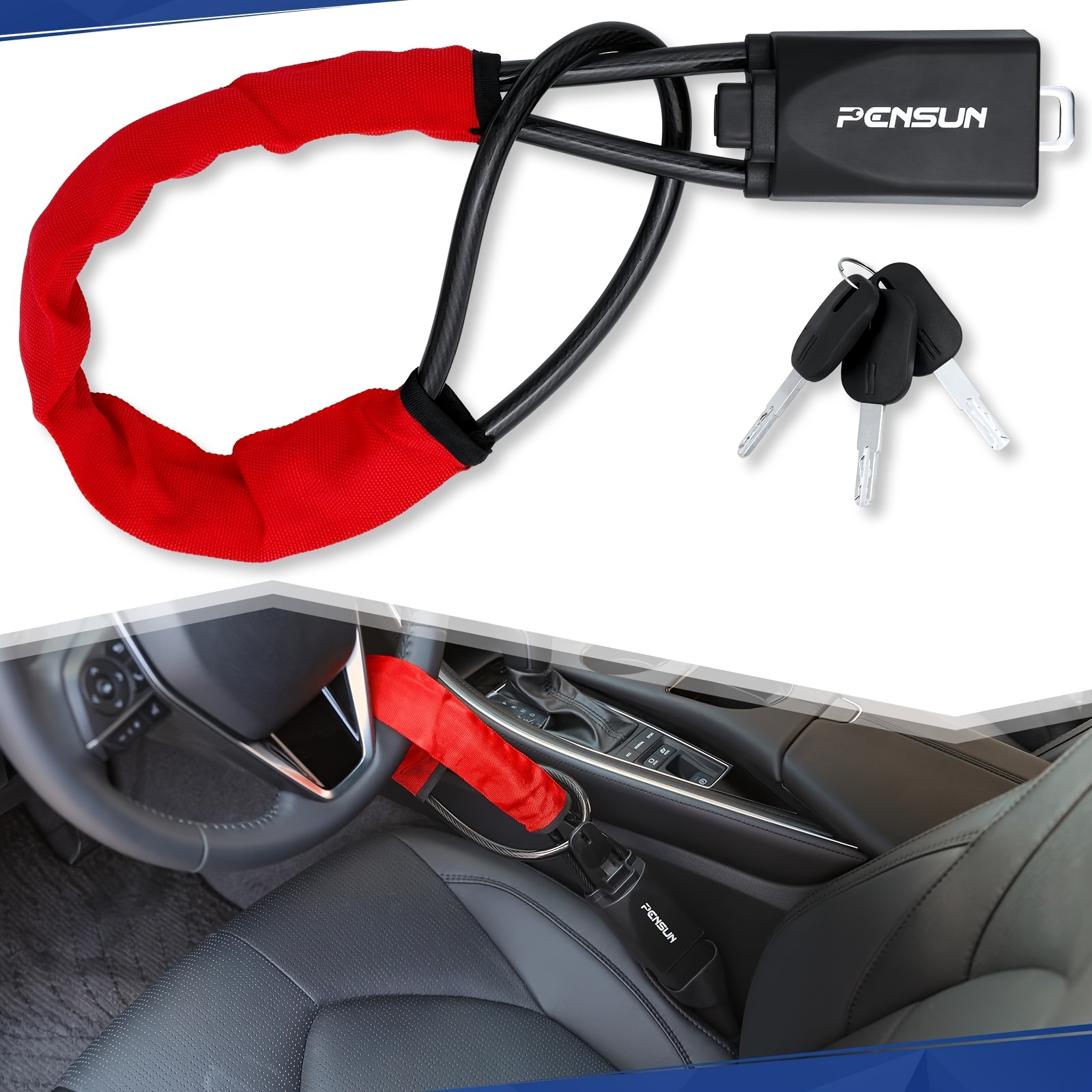
| Seat Belt Lock Box | Locks belt buckle firmly in place |
| Buckle Guard | Stops accidental unbuckling |
Preparing The Car Seat
Preparing your car seat properly is important for safety. It helps you lock the seat belt correctly.
Start by checking the car seat’s position and reading the instructions. These steps make installation easier.
Positioning The Car Seat
Place the car seat in the correct spot in your vehicle. Most seats work best in the back seat.
Make sure the seat is facing the right way. Rear-facing seats are safer for infants and toddlers.
- Use the vehicle’s seat belt path or LATCH anchors
- Keep the car seat base flat and stable
- Check that the seat does not move more than one inch side-to-side
Checking Manufacturer Instructions
Read the car seat manual carefully before installation. Follow all the steps the maker gives.
Look for instructions about locking the seat belt. This helps keep the seat secure in your car.
- Find the section about seat belt locking
- Use the recommended belt path and locking method
- Check any weight or height limits for your child

Credit: www.amazon.ca
Locking The Seat Belt Step-by-step
Using a seat belt with a car seat keeps your child safe. It is important to lock the seat belt correctly. This guide shows simple steps to do it right.
Follow these steps carefully to secure the car seat. Each step helps make sure the seat belt holds the seat firmly.
Engaging The Locking Mechanism
Start by pulling the seat belt all the way out. This activates the locking mode inside the belt.
Once locked, the belt will not extend again. This keeps the car seat from moving forward in a crash.
- Pull the belt slowly and fully.
- Listen for a clicking sound.
- Test by pulling the belt back slightly.
Pulling The Seat Belt Tight
After locking, pull the belt tight around the car seat. Remove any slack to keep the seat secure.
Check the seat by pushing it side to side. It should not move more than an inch.
- Grab the loose end of the belt.
- Pull firmly to remove slack.
- Keep the belt flat without twists.
Securing The Belt Around The Car Seat
Make sure the seat belt passes through the correct belt path on the car seat. This path is made for locking the seat safely.
Fasten the seat belt buckle fully. Listen for the click sound that shows it is locked in place.
- Check the car seat manual for belt path location.
- Place the belt through the belt path.
- Buckle the seat belt tightly.
- Test the fit by moving the seat.
Testing The Seat Belt Lock
Testing the seat belt lock is important for child safety. It ensures the car seat stays secure during travel. You can check the lock by following simple steps carefully.
Focus on how tightly the belt holds and if it stops moving. This process helps avoid risks from a loose seat belt.
Ensuring No Movement
The car seat should not move more than one inch from side to side or front to back. Less movement means the seat belt lock is working well.
- Push the seat at the base near the belt path.
- Try to move it side to side and front to back.
- Check if the seat shifts more than one inch.
- If it moves too much, tighten the belt again.
Double-checking Tension
Tension means how tight the seat belt is holding the car seat. Proper tension keeps the seat locked and safe.
| Action | What to Check | Result |
| Pull the seat belt | Check if it feels tight | Seat belt should not loosen |
| Press down on car seat | Observe belt tension | Belt remains tight and locked |
| Release belt slowly | Ensure no slack appears | Seat belt stays secure |
Common Mistakes To Avoid
Securing a car seat with a seat belt is vital for child safety. Many people make simple errors that reduce protection. This guide highlights common mistakes to watch out for.
Knowing what to avoid helps keep the car seat tight and locked. Proper use of the seat belt prevents accidents and injuries.
Loose Seat Belts
A loose seat belt can cause the car seat to move too much during a crash. This mistake lowers the seat’s effectiveness and puts the child at risk.
- Do not leave slack in the belt after tightening.
- Check that the belt lies flat without twists.
- Pull the belt firmly to remove any looseness.
- Make sure the seat does not shift more than one inch side-to-side or front-to-back.
Incorrect Locking Techniques
Many users fail to lock the seat belt properly. Without locking, the belt can loosen in an accident, reducing safety.
| Locking Method | Common Error | Fix |
| Retractable Seat Belt Lock | Not pulling belt all the way out to engage lock | Pull belt fully then let it retract to lock |
| Switching Clip Lock | Forgetting to use or improperly attaching the clip | Attach clip securely at correct spot |
| Lap and Shoulder Belt Lock | Locking only lap belt, ignoring shoulder belt | Lock both lap and shoulder belts together |
Maintenance Tips For Seat Belt Locks
Keeping your car seat belt locks in good shape is important for safety. Proper care helps the locks work smoothly and last longer.
Regular checks and cleaning can prevent problems with locking and unlocking. This guide shows simple ways to maintain seat belt locks.
Regular Inspections
Check the seat belt lock often to make sure it works right. Look for signs of wear or damage that may stop it from locking safely.
Test the lock by clicking the seat belt in and out a few times. It should click firmly and release easily without sticking.
- Look for cracks or breaks in the lock casing
- Make sure the buckle clicks and stays locked
- Check the release button works smoothly
- Inspect the belt webbing for frays or tears near the lock
Cleaning The Seat Belt Mechanism
Dirt and dust can build up inside the seat belt lock. This can stop it from working well. Clean it regularly to keep it smooth.
Use a soft brush or compressed air to remove dirt from the lock slot. Avoid using water or harsh chemicals that could damage the parts.
- Spray compressed air into the lock to clear dust
- Use a dry cloth to wipe the buckle surface
- Press the buckle in and out to loosen dirt inside
- Do not use oil or grease, as these attract more dirt

Credit: www.aliexpress.com
Credit: www.temu.com
Frequently Asked Questions
How Do I Lock A Seat Belt For A Car Seat?
To lock a seat belt, pull it all the way out until it clicks. Slowly release it, allowing it to retract tightly. This engages the locking mechanism, securing the car seat firmly in place for safety.
Why Is Locking The Seat Belt Important For Car Seats?
Locking the seat belt prevents the car seat from moving in a crash. It keeps the seat stable and protects the child. A properly locked seat belt ensures maximum safety during travel.
Can All Seat Belts Lock For Car Seats?
Most modern seat belts have a locking feature, but not all. Check your vehicle’s manual to confirm. If unsure, use a locking clip or consider a car seat with a built-in lock system.
What If My Seat Belt Doesn’t Lock For Car Seats?
If your seat belt doesn’t lock, use a locking clip or seat belt locking device. Alternatively, install the car seat using the LATCH system if available. Always ensure the seat is secure before driving.
Conclusion
Locking a seat belt for a car seat keeps your child safe during travel. It stops the belt from loosening or slipping out. Always check the belt is tight and secure before driving. Practice these steps to feel confident every time.
Safety matters most on every trip. Keep your little one protected with a properly locked seat belt. Simple actions make a big difference for peace of mind and safety.